


Healthy soil is essential for better farming and gardening. Whether you grow vegetables, fruit trees, or field crops, healthy soil supports stronger plants and improved yields. As sustainable farming becomes more popular in Pakistan, organic soil amendments like vermicompost are helping farmers and gardeners improve soil fertility naturally.
If you are searching for Vermicompost online Pakistan, Hara Vermicompost is a natural solution that enriches soil with organic matter, beneficial microorganisms, and plant nutrients. It improves soil structure, supports healthier roots, enhances moisture retention, and promotes long-term soil fertility.
Hara Vermicompost is an organic fertilizer, soil conditioner, and soil amendment produced through the natural activity of earthworms. It improves soil health, increases organic matter, supports beneficial microbes, enhances water retention, and encourages strong root growth.
It is suitable for vegetables, fruit trees, flowers, lawns, nurseries, field crops, and home gardens across Pakistan.
What Is Vermicompost?
Vermicompost is a nutrient-rich organic material produced when selected earthworms digest biodegradable organic matter. During this natural process, organic waste is transformed into fine, dark, odor-free compost containing essential plant nutrients, humus, enzymes, and beneficial microorganisms.
Unlike ordinary compost, vermicompost contains a higher population of beneficial microbes and is generally easier for plants to utilize. Instead of acting as a quick source of nutrients, it gradually improves soil health and creates a better growing environment over time.
For Pakistani growers facing declining soil fertility, excessive fertilizer use, and poor soil structure, vermicompost offers a practical solution that supports sustainable agriculture while improving crop performance naturally.
What Is Hara Vermicompost?
Hara Vermicompost is an organic soil improvement product developed for both commercial agriculture and home gardening. It belongs to three important agricultural categories:
- Organic Fertilizer
- Soil Conditioner
- Soil Amendment
Its primary purpose is to improve soil quality rather than simply supplying nutrients. The organic matter in Hara Vermicompost enhances soil fertility while encouraging beneficial biological activity around plant roots.
Because it releases nutrients gradually, plants can continue benefiting over an extended period without the sudden nutrient losses often associated with highly soluble fertilizers.
Pakistani farmers can use Hara Vermicompost in open fields, orchards, vegetable farms, nurseries, tunnels, and polyhouses, while home gardeners can safely apply it to flower pots, kitchen gardens, lawns, indoor plants, and terrace gardens.
How Does Hara Vermicompost Work?
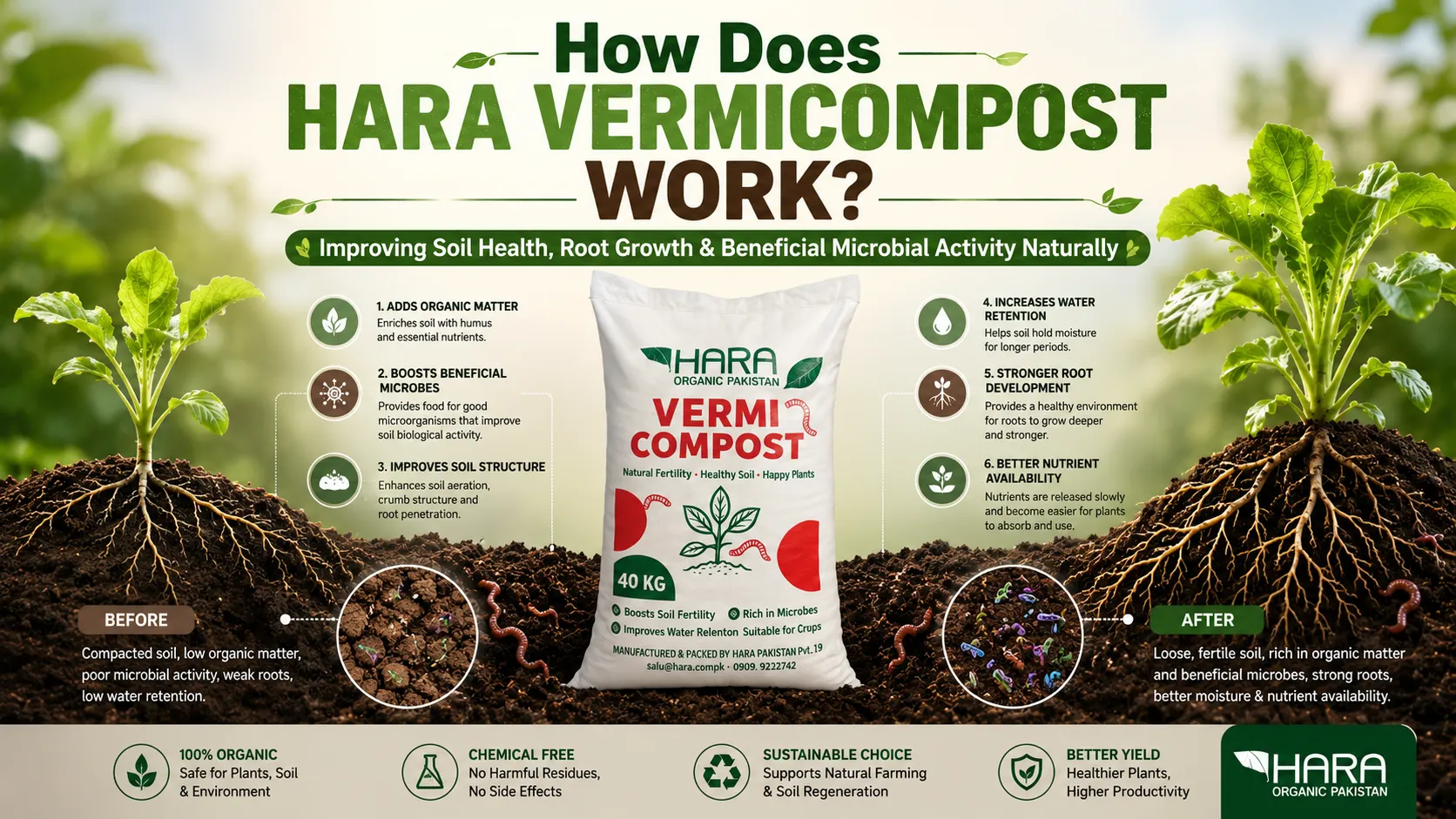
Healthy plants begin with healthy roots, and healthy roots require biologically active soil. Hara Vermicompost improves this underground environment by increasing organic matter and supporting beneficial microorganisms that naturally live around plant roots.
As the organic material gradually breaks down, nutrients become available to plants over time. This slow-release process helps reduce nutrient losses while encouraging consistent plant growth.
At the same time, improved soil structure creates better aeration, allowing roots to access oxygen more efficiently. The soil also becomes better at holding moisture, which can help crops tolerate short periods of dry weather more effectively.
Instead of replacing good farming practices, vermicompost works alongside balanced fertilization, irrigation, and proper crop management to improve overall soil performance.
Why Are More Farmers in Pakistan Using Vermicompost?
Agricultural soils in many parts of Pakistan have gradually lost organic matter because of intensive cultivation, repeated cropping, and dependence on synthetic fertilizers. Lower organic matter often leads to compact soil, weaker root systems, reduced microbial activity, and lower water-holding capacity.
Organic amendments such as Hara Vermicompost help restore part of this lost organic matter while improving the soil’s natural biological processes.
Many vegetable growers, fruit producers, nursery owners, and organic farming enthusiasts now include vermicompost as part of their soil management strategy because it supports healthier root development and contributes to long-term soil productivity.
Rather than producing an instant response, the greatest benefit usually comes from regular use over multiple growing seasons.
Key Benefits of Hara Vermicompost
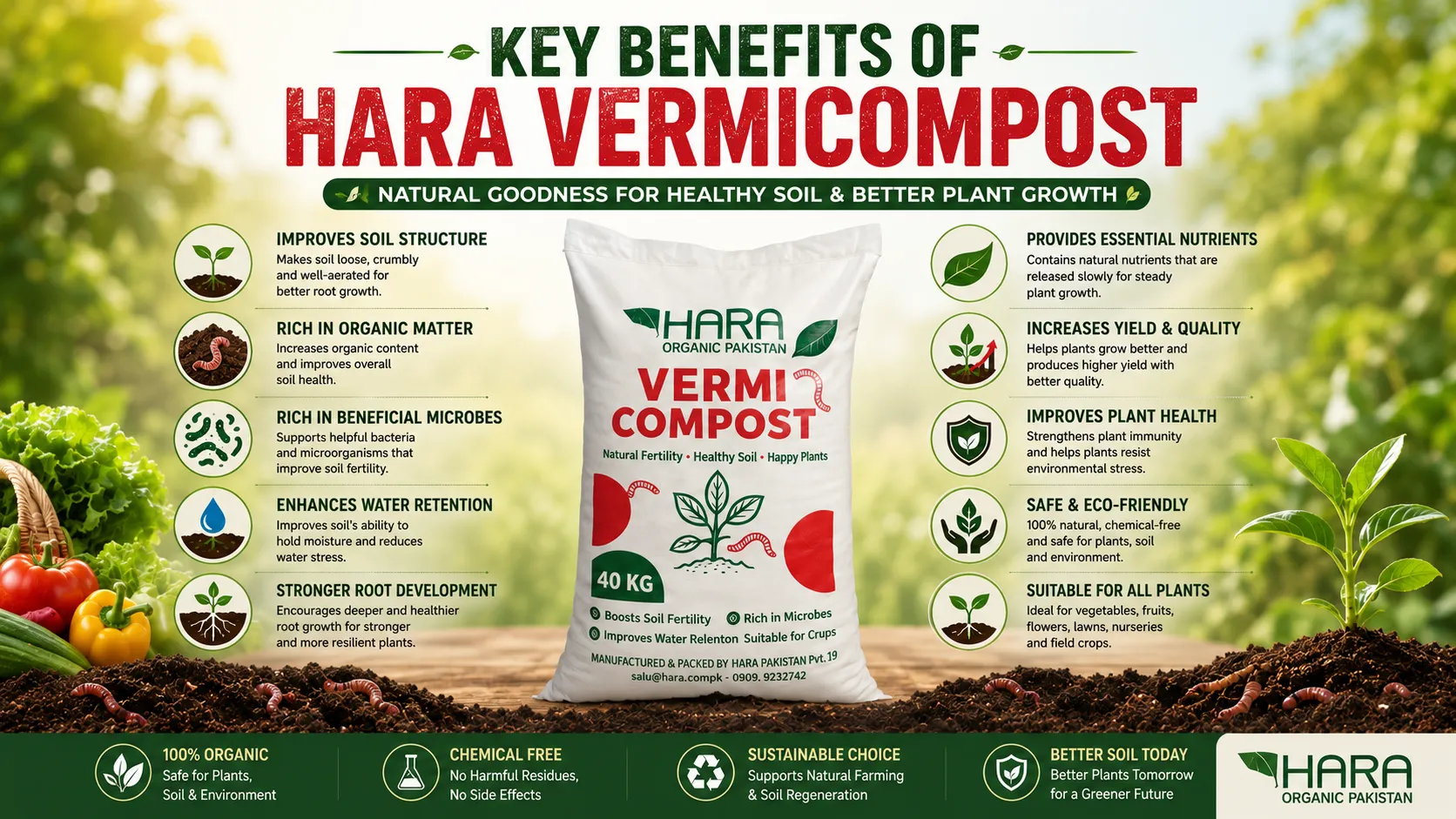
Hara Vermicompost offers advantages for both large-scale agriculture and small home gardens because it focuses on improving the soil itself. Healthier soil supports healthier plants and more efficient nutrient use.
Some of the most important benefits include:
- Improves soil structure and organic matter.
- Encourages stronger root development.
- Supports beneficial soil microorganisms.
- Increases moisture retention in sandy soils.
- Improves drainage in heavy clay soils.
- Gradually releases essential plant nutrients.
- Promotes healthier plant growth.
- Suitable for vegetables, fruits, flowers, lawns, nurseries, and field crops.
- Safe for home gardens and kitchen gardens.
- Supports sustainable and environmentally responsible farming.
Which Crops Can Benefit from Hara Vermicompost?
One of the biggest advantages of vermicompost is its versatility. It can be used across a wide range of crops grown in Pakistan because nearly every cultivated plant benefits from improved soil health.
Vegetable growers often apply it before transplanting tomatoes, chilies, cucumbers, onions, garlic, spinach, cabbage, cauliflower, okra, and leafy vegetables. Better soil conditions encourage healthier root establishment and steady plant growth.
Fruit growers commonly use vermicompost around mango, citrus, guava, pomegranate, banana, papaya, grapes, and other orchard trees to increase soil organic matter around the root zone.
For field crops such as wheat, rice, maize, cotton, and sugarcane, vermicompost can become part of an integrated nutrient management program that combines organic and inorganic nutrient sources according to soil requirements.
Nursery owners also prefer vermicompost because it creates a loose, well-aerated growing medium that supports healthy seedling development. Similarly, flower growers use it for roses, marigolds, jasmine, petunias, and ornamental plants to maintain vigorous growth and improve flowering potential.
How Can Home Gardeners Use Hara Vermicompost?
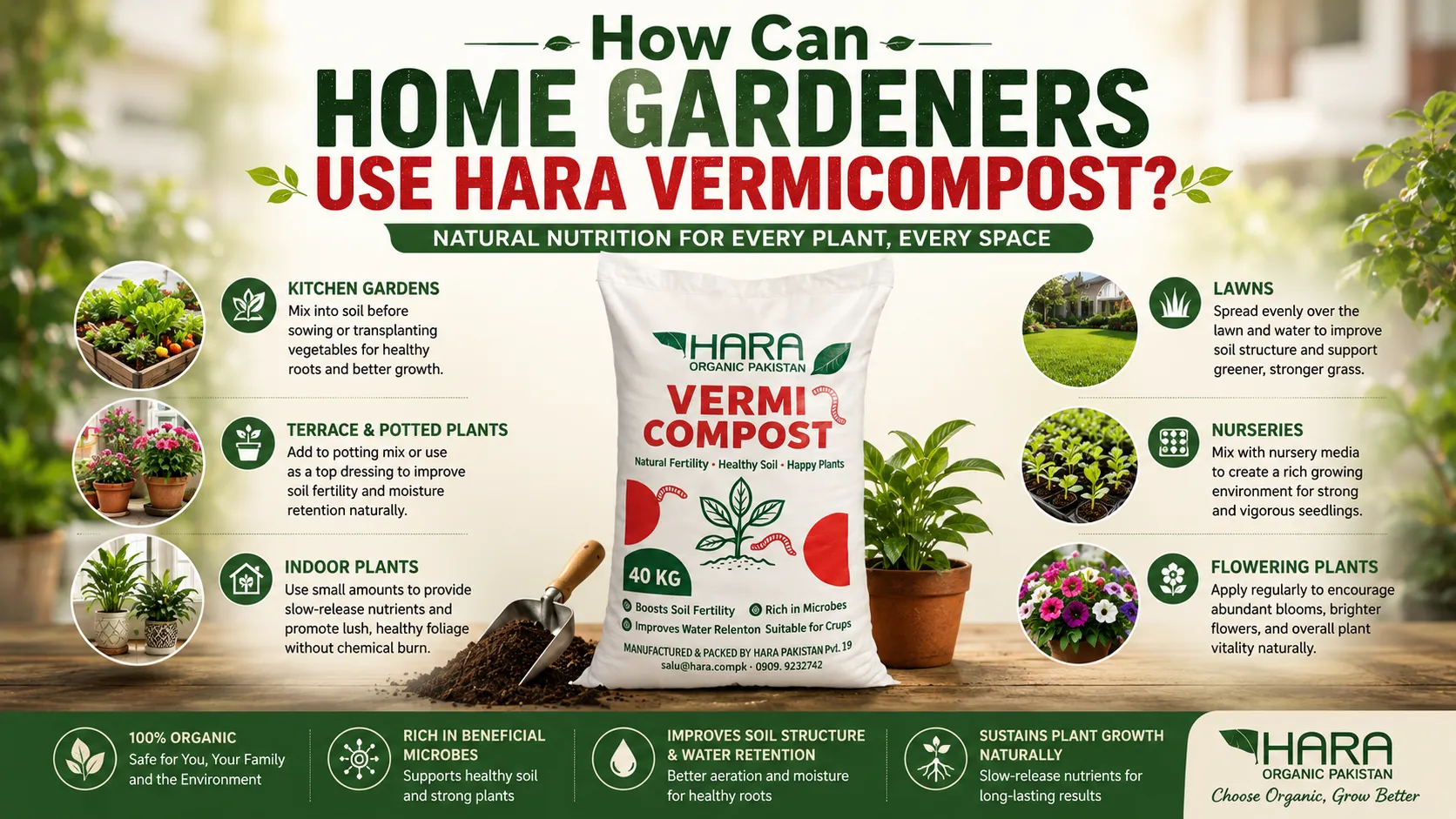
One of the reasons vermicompost has become popular in Pakistan is that it is equally useful for large farms and small home gardens. Whether you have a few flower pots on a balcony or a well-established kitchen garden, improving soil quality can make a noticeable difference in plant growth over time.
For kitchen gardens, Hara Vermicompost can be mixed into the soil before sowing or transplanting vegetables. This enriches the root zone with organic matter and creates a better environment for young plants to establish themselves.
Terrace gardeners often grow plants in containers where nutrients are depleted quickly. Adding vermicompost to potting media helps maintain soil fertility while improving moisture retention, reducing the need for frequent watering during hot Pakistani summers.
Indoor ornamental plants also benefit from small amounts of vermicompost because it gradually supplies nutrients without the high salt levels that may be associated with excessive chemical fertilizer use. For flowering plants, regular application supports healthier foliage and stronger blooms as part of an overall balanced nutrition program.
Lawn owners can also incorporate vermicompost during lawn establishment or seasonal maintenance to improve soil structure and encourage healthier grass growth.
How to Apply Hara Vermicompost
Unlike liquid fertilizers, vermicompost is applied directly to the soil where it gradually improves its physical and biological properties. The exact amount depends on the crop, soil condition, and farming system.
For field crops, it is generally incorporated into the soil during land preparation before sowing. This allows organic matter to mix evenly throughout the root zone.
For vegetables, growers often apply it before transplanting seedlings or mix it into planting beds. Established crops can also receive additional applications around the base of plants, followed by light irrigation.
In orchards, vermicompost is spread around the tree’s drip line rather than directly against the trunk. Light incorporation into the soil helps beneficial microorganisms become active more quickly.
For flower pots and container plants, it should be mixed with the potting media or applied as a top dressing before watering.
Whatever the application method, moist soil encourages better microbial activity than extremely dry conditions, so irrigation after application is generally beneficial.
Recommended Application Guide
The ideal application rate depends on soil fertility, crop type, and local conditions. Farmers should adjust application rates based on soil analysis and crop nutrient requirements whenever possible.
Crop or Plant | General Application | Method | Frequency |
Vegetables | Mix into soil before planting or around established plants | Soil application | At planting and during the growing season if needed |
Fruit Trees | Apply around the drip line | Soil incorporation | 2–3 times per year |
Flower Pots | Mix with potting mix or top dress | Pot application | Every 30–45 days |
Lawns | Spread evenly before irrigation | Surface application | Seasonal |
Nursery Plants | Mix into nursery media | Soil mixing | Before sowing or transplanting |
Field Crops | Apply during land preparation | Broadcasting and incorporation | Before sowing |
Actual application rates may vary according to soil condition, crop requirements, and local agricultural recommendations.
When Is the Best Time to Apply Vermicompost?
Timing is almost as important as the product itself. Because vermicompost works by improving soil conditions, it performs best when applied before plants begin their most active growth stages.
For seasonal vegetables, application during bed preparation allows roots to develop in organically enriched soil from the beginning.
Fruit trees benefit most when vermicompost is applied before new vegetative growth starts or after harvesting, when trees prepare for the next growing cycle.
Field crops such as wheat, maize, rice, and cotton generally receive the greatest benefit when vermicompost is incorporated during land preparation before sowing. Home gardeners can refresh potting soil every month or two, depending on plant growth and watering frequency.
Crop-Wise Benefits in Pakistan
Vegetable Farming
Vegetables require fertile soil for rapid growth. Vermicompost helps improve soil structure while supporting healthy root development for tomatoes, chilies, cucumbers, okra, onions, spinach, cabbage, cauliflower, and many other vegetable crops commonly grown across Pakistan.
Fruit Orchards
Mango, citrus, guava, banana, papaya, grapes, and pomegranate orchards can all benefit from improved soil organic matter. Healthier soil around the root zone supports overall tree vigor and better nutrient availability.
Wheat, Rice and Maize
Pakistan’s major field crops often experience declining soil organic matter after years of continuous cultivation. Integrating vermicompost with balanced fertilizer programs can help improve soil quality and support sustainable production over time.
Cotton
Cotton growers aiming to maintain healthy root systems and improve soil fertility may include vermicompost as part of their integrated nutrient management strategy alongside recommended fertilizer programs.
Nurseries
Young seedlings require loose, well-aerated growing media. Vermicompost improves nursery soil texture while supporting beneficial microbial activity that encourages healthier plant establishment.
Can Hara Vermicompost Be Used with Other Fertilizers?
Yes. Vermicompost is commonly used as part of an integrated soil fertility program rather than as a complete replacement for chemical fertilizers. It works particularly well alongside balanced NPK fertilization because organic matter improves nutrient efficiency and helps reduce nutrient losses from the soil.
Many growers also combine vermicompost with compost, farmyard manure, biofertilizers, and organic soil conditioners to improve overall soil health. When introducing any new fertilizer combination, it is always advisable to follow local agricultural recommendations and avoid excessive application of any nutrient source.
What Common Problems Can Hara Vermicompost Help Address?
Healthy soil supports healthier plants, making vermicompost useful in situations where poor soil quality limits crop performance.
It may contribute to improvements in:
- Low soil organic matter.
- Compacted soils with poor aeration.
- Weak root development.
- Reduced moisture-holding capacity.
- Declining soil biological activity.
- Poor seedling establishment.
- Reduced long-term soil fertility.
- Lower efficiency of applied nutrients.
It is important to remember that vermicompost is not a pesticide, fungicide, or medicine for diseased plants. Instead, it helps create healthier soil conditions that support stronger plant growth as part of an overall crop management program.
Hara Vermicompost Compared with Other Organic Soil Amendments
Different organic products serve different purposes. Choosing the right one depends on your crop, soil condition, and production goals.
Product | Best Use | Main Advantage | Limitation |
Hara Vermicompost | Overall soil improvement | Rich organic matter, beneficial microbes, improved soil structure | Gradual results rather than instant nutrient release |
Traditional Compost | Soil enrichment | Affordable source of organic matter | Nutrient content varies depending on raw materials |
Farmyard Manure (FYM) | Large farms | Widely available and improves soil texture | Quality and nutrient levels can be inconsistent |
Neem Cake | Soil and root-zone management | Adds organic matter and supports healthier root-zone conditions | Not intended as a complete nutrient source |
Best Practices for Getting the Best Results
Hara Vermicompost delivers the greatest value when it is used as part of a complete soil management program rather than as a stand-alone solution. Healthy soil depends on balanced nutrition, proper irrigation, crop rotation, and good farming practices.
Before applying vermicompost, remove weeds and prepare the soil so the organic matter can mix evenly within the root zone. Applying it to moist soil or irrigating shortly after application helps activate beneficial microorganisms and supports nutrient release.
For commercial farming, periodic soil testing is recommended. A soil analysis helps determine nutrient deficiencies and allows farmers to combine organic amendments with the right amount of chemical fertilizers where required. This balanced approach supports both crop productivity and long-term soil health.
Home gardeners can maintain soil quality by adding small quantities of vermicompost throughout the growing season instead of waiting until plants begin showing signs of poor growth. Regular application helps maintain a healthy growing environment for vegetables, flowers, herbs, and ornamental plants.
Storage and Shelf Life
Like most organic products, vermicompost should be stored correctly to preserve its quality. Keep the product in a cool, dry, and shaded location away from direct sunlight and excessive moisture. The packaging should remain tightly closed when not in use to protect the organic material from contamination and unnecessary drying.
If stored under suitable conditions, vermicompost generally maintains its quality for an extended period. Always check the manufacturer’s packaging for specific storage recommendations and shelf-life information.
Common Mistakes to Avoid
Many growers expect vermicompost to behave like a fast-acting chemical fertilizer. In reality, its primary role is to improve soil health over time. Avoiding a few common mistakes can help you achieve better results.
- Applying excessive quantities does not necessarily improve plant growth. Use appropriate amounts based on crop needs and soil condition.
- Do not rely on vermicompost alone if your soil has significant nutrient deficiencies. A balanced fertilization plan may still be necessary.
- Avoid applying the product to extremely dry soil without irrigation, as beneficial microbial activity is more effective under suitable moisture conditions.
- Do not expect immediate changes within a few days. Improvements in soil quality and plant performance usually become more noticeable with consistent use.
- Store the product properly to maintain its effectiveness and protect its biological quality.
What Are the Alternatives to Hara Vermicompost in Pakistan?
While Hara Vermicompost is an excellent option for improving soil fertility and organic matter, other products may also be suitable depending on your crop requirements and soil condition.
Hara Organic Compost is a good choice when the primary goal is to increase soil organic matter over larger cultivated areas. It supports overall soil improvement and is well suited for orchards, field crops, and landscaping projects.
Hara Bloom is designed for crops entering flowering and fruit-setting stages. Growers looking to encourage healthy flowering alongside balanced crop nutrition may choose it as part of their crop management program rather than as a replacement for vermicompost.
Neem Cake is commonly used where growers want an organic soil amendment that also contributes to a healthier root-zone environment. It complements soil improvement programs but should not be viewed as a complete fertilizer.
Traditional Farmyard Manure (FYM) remains widely used across Pakistan because of its affordability and availability. However, its nutrient composition can vary significantly depending on livestock type, handling, and decomposition.
Traditional Compost is another useful option for improving soil organic matter. Its effectiveness depends on the quality of raw materials and the composting process used.
Coco Peat is popular among nursery owners and greenhouse growers because of its excellent water-holding capacity and lightweight structure. However, it contains very little plant nutrition and usually needs to be combined with fertilizers or compost.
The most suitable product depends on your production goals. Vermicompost is generally preferred when the focus is on improving soil biology, root development, and long-term soil health.
Frequently Asked Questions
Is Hara Vermicompost suitable for all crops?
Yes. It can be used for vegetables, fruit trees, flowers, ornamental plants, lawns, nurseries, and many field crops because it primarily improves soil health rather than targeting a specific crop.
Can I use vermicompost in pots?
Yes. Mixing vermicompost into potting soil or applying it as a top dressing helps improve soil fertility and supports healthier plant growth.
Is vermicompost safe for kitchen gardens?
Yes. It is an organic soil amendment commonly used in kitchen gardens, home gardens, and terrace gardens.
Does vermicompost replace chemical fertilizers?
Not always. It works best as part of an integrated nutrient management program. Depending on soil fertility and crop requirements, additional fertilizers may still be required.
How often should vermicompost be applied?
Application frequency depends on the crop, soil condition, and growing system. Home gardens may benefit from periodic applications, while field crops are often treated before planting.
Can vermicompost improve soil quality?
Yes. It increases organic matter, supports beneficial microorganisms, improves soil structure, and enhances moisture retention over time.
Can it be used for fruit trees?
Yes. Mango, citrus, guava, banana, papaya, pomegranate, grapes, and many other fruit trees can benefit from improved soil around the root zone.
Does vermicompost help seedlings?
Yes. Nursery plants and young seedlings often perform better in loose, biologically active soil enriched with organic matter.
Is vermicompost environmentally friendly?
Yes. It is produced through a natural biological process and supports sustainable soil management practices.
Where can I buy vermicompost online in Pakistan?
You can purchase Hara Vermicompost through Hara Organic Pakistan and its authorized sales channels, making it easier for farmers and home gardeners across Pakistan to access quality organic soil amendments.
Conclusion
Choosing the right soil amendment is key to healthier soil and stronger plant growth. Hara Vermicompost naturally improves soil fertility, supports root development, and is suitable for vegetables, fruit trees, flowers, lawns, nurseries, and field crops across Pakistan.
When used alongside balanced fertilization and proper crop management, it helps build productive, healthy soil for long-term farming and gardening success.
If you’re looking for Vermicompost online Pakistan, Order Hara Vermicompost today and give your crops and gardens the natural foundation they need for healthier growth and improved soil quality.
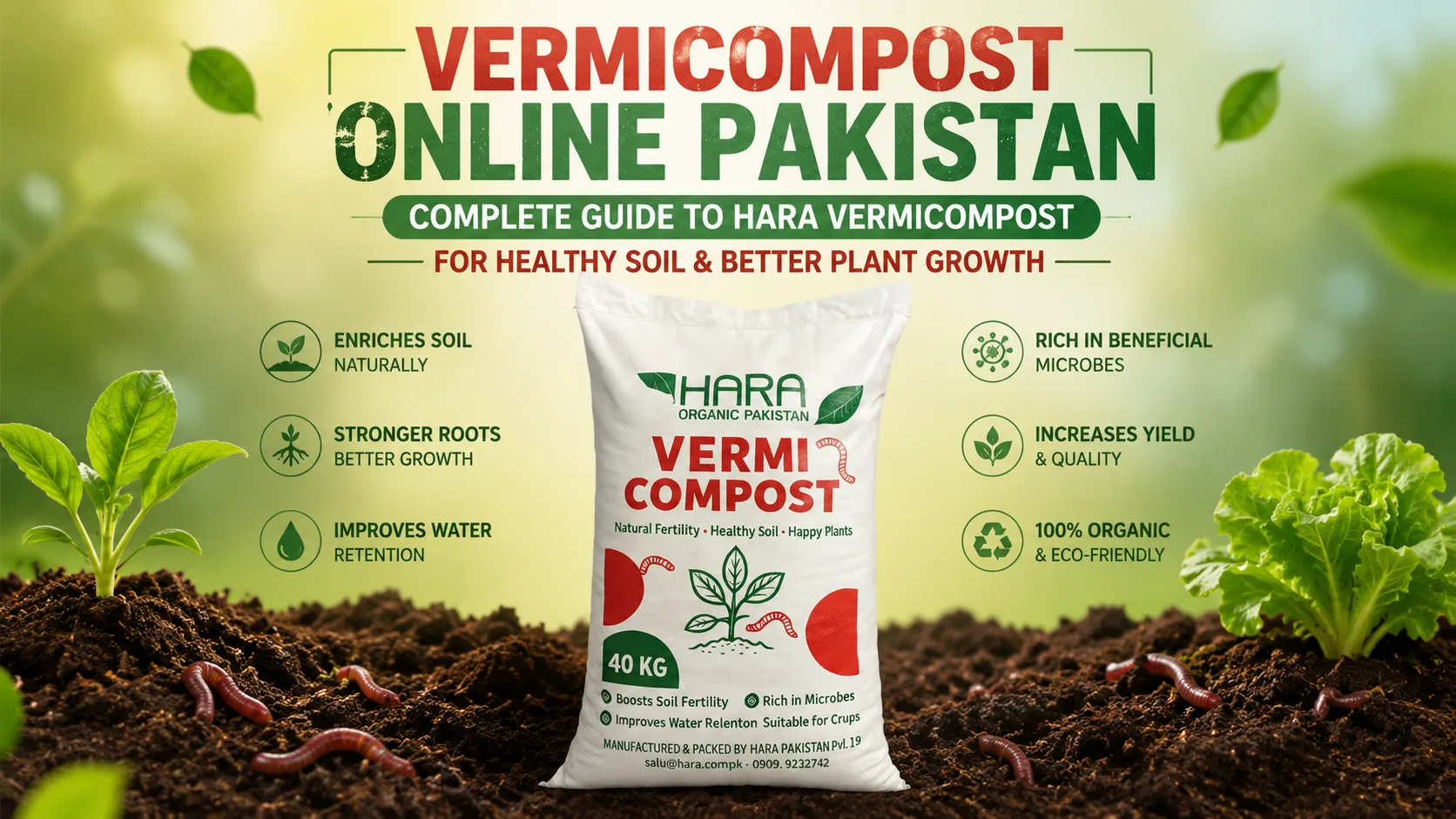
Vermicompost Online Pakistan: Complete Guide to Hara Vermicompost for Healthy Soil & Better Plant Growth
Jump To Vermicompost Online Pakistan: Complete Guide to Hara Vermicompost
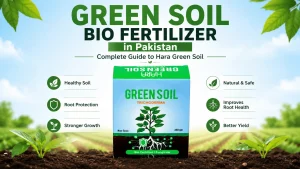
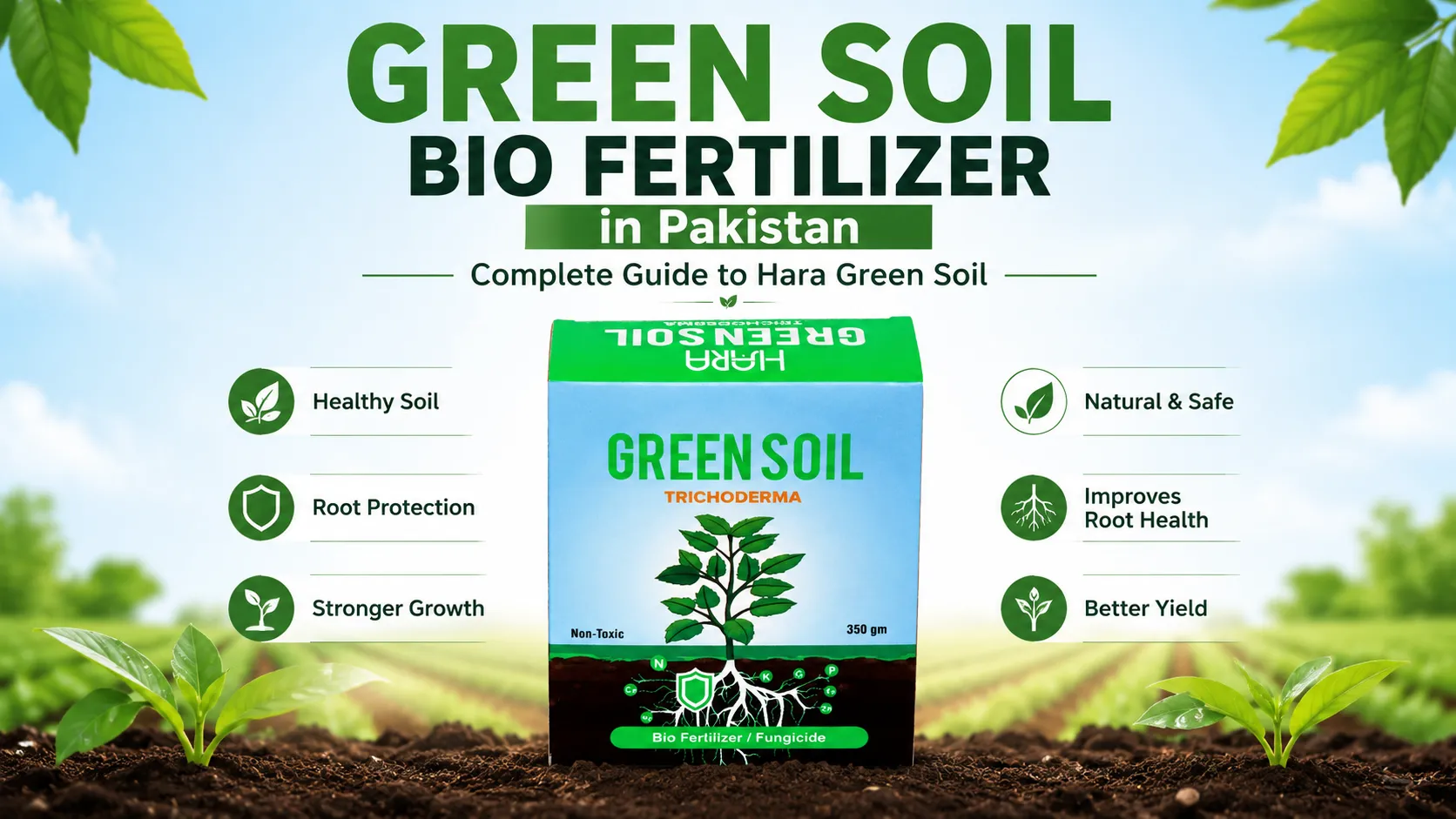
Green Soil Bio Fertilizer in Pakistan: Complete Guide to Hara Green Soil
Jump To Green Soil Bio Fertilizer in Pakistan: Complete Guide

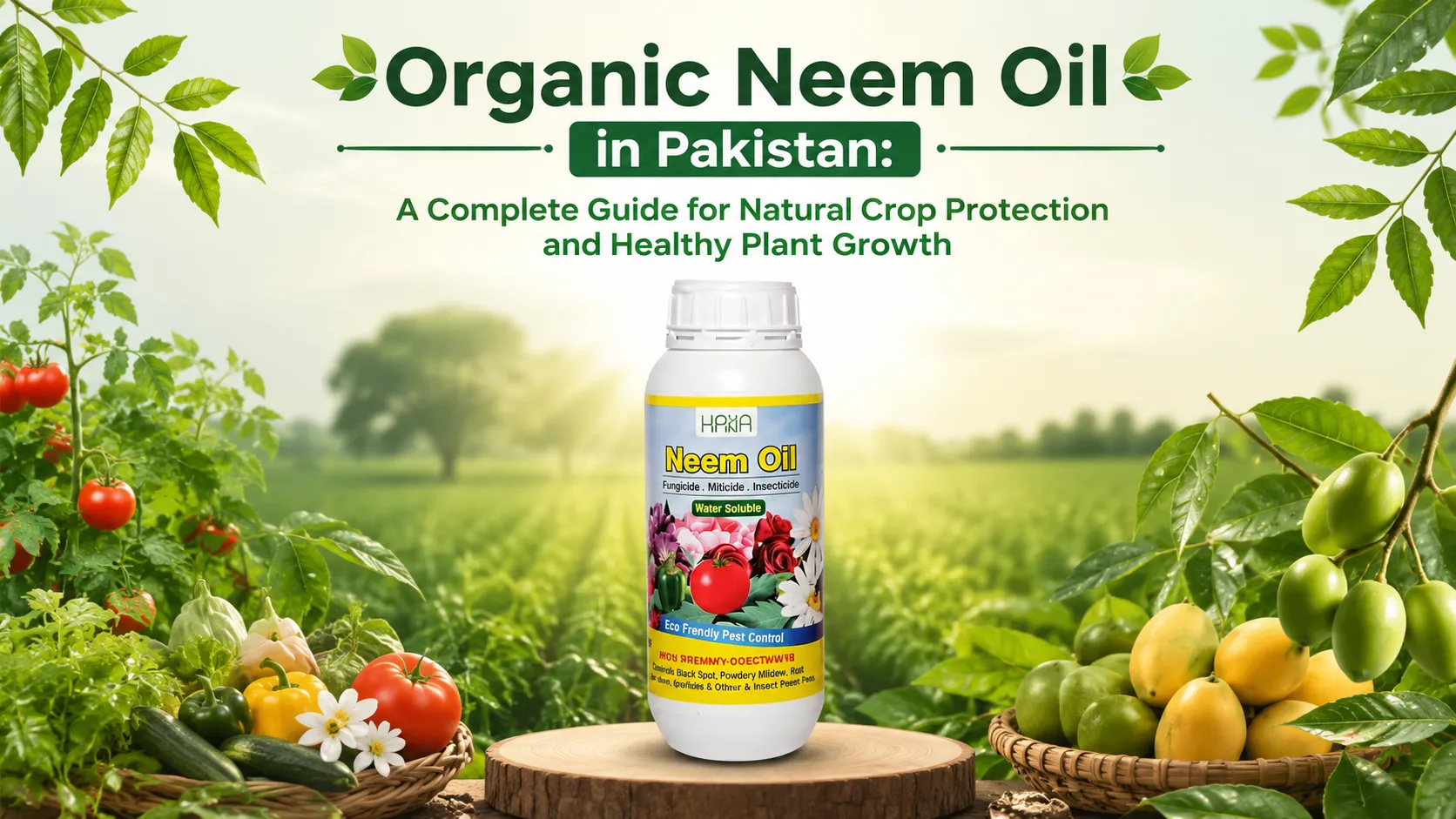
Organic Neem Oil in Pakistan: A Complete Guide for Natural Crop Protection and Healthy Plant Growth
Jump To Organic Neem Oil in Pakistan: A Complete Guide
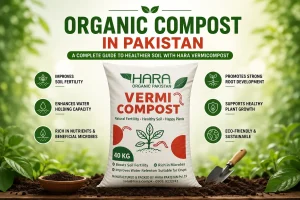
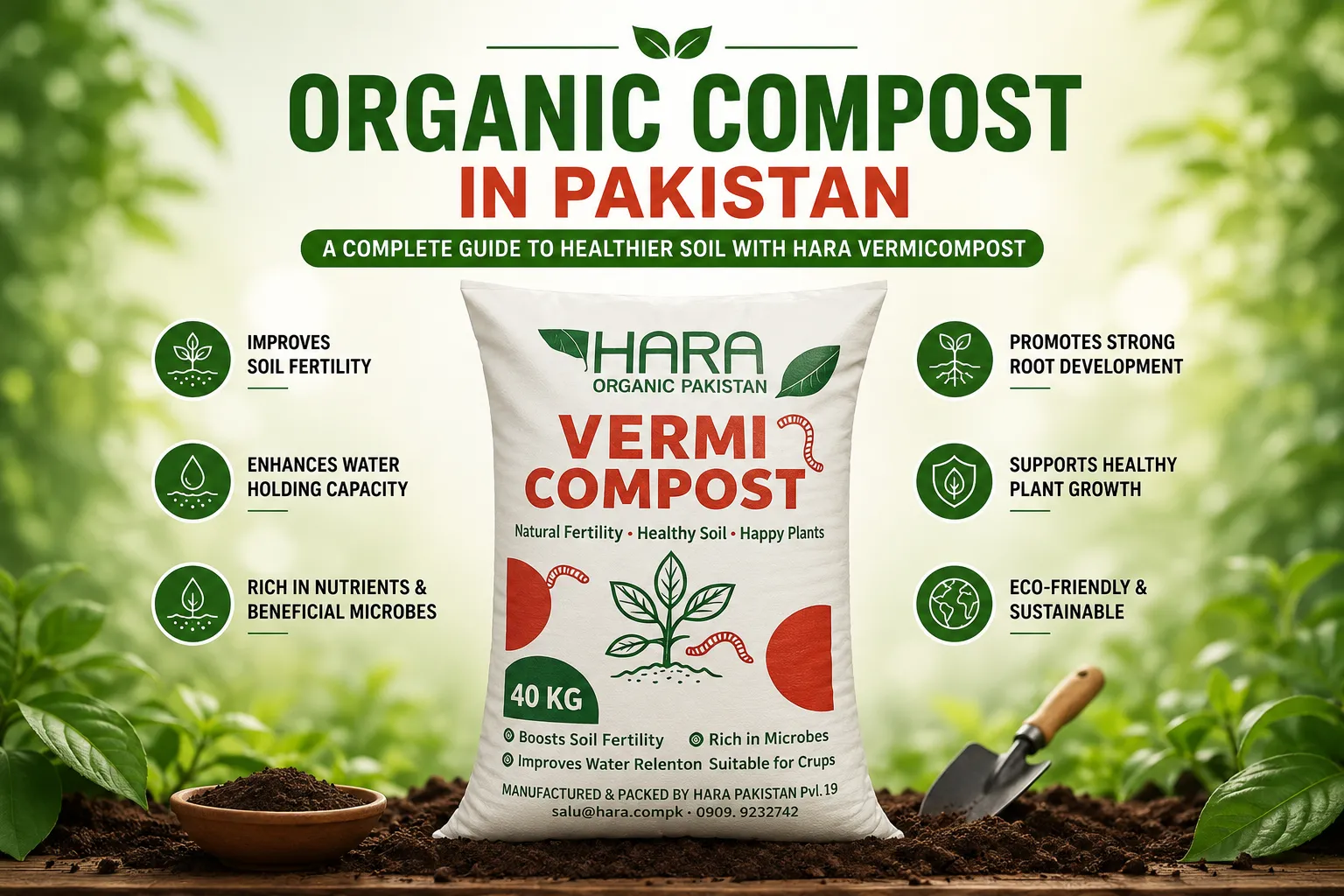
Organic Compost in Pakistan: A Complete Guide to Healthier Soil with Hara Vermicompost
Jump To Organic Compost in Pakistan: A Complete Guide to
