


Cotton is one of Pakistan’s most valuable cash crops, supporting millions of farmers and contributing significantly to the country’s textile industry. Successful cotton farming Pakistan depends on selecting the right seed variety, preparing fertile soil, managing irrigation efficiently, and protecting the crop from damaging insects and diseases throughout the growing season.
By combining good farming practices with integrated pest management tools such as Hara Neem Oil and Hara Yellow Sticky Traps, farmers can improve crop health while reducing unnecessary pesticide use.
Whether you are a commercial cotton grower in Punjab or Sindh, an agriculture student, or a home gardener interested in growing cotton on a small scale, understanding the complete cultivation process is essential for achieving healthy plants and better yields.
This guide explains every important stage of cotton production in Pakistan using practical recommendations suitable for local farming conditions.
What Is Cotton Farming?
Cotton farming is the process of cultivating cotton plants for the production of natural fiber used in textiles, clothing, medical products, and several industrial applications. Pakistan is among the world’s leading cotton-producing countries, and cotton remains one of the backbone crops of the national economy.
A successful cotton crop requires proper planning from land preparation to harvesting. Farmers must pay close attention to seed quality, balanced fertilization, irrigation scheduling, weed management, and timely pest monitoring. Even small improvements in crop management can make a noticeable difference in both yield and fiber quality.
Why Is Cotton Farming Important in Pakistan?
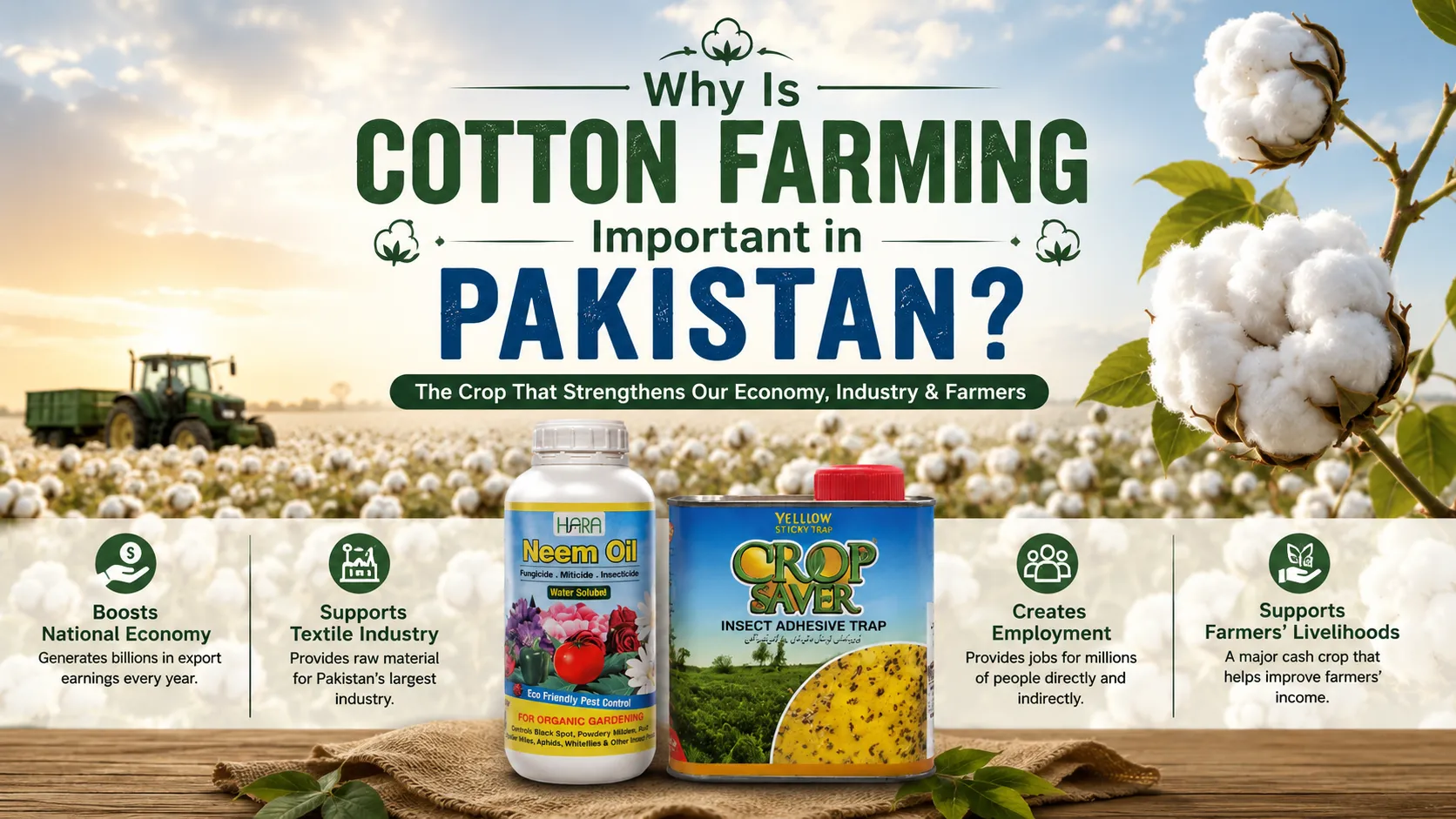
Cotton plays a vital role in Pakistan’s agriculture and industrial sectors. It provides raw material for the textile industry, generates employment for millions of people, and contributes substantially to export earnings.
The country’s major cotton-producing regions include:
- Punjab (Multan, Bahawalpur, Rahim Yar Khan, Vehari, Lodhran, Khanewal)
- Sindh (Sanghar, Nawabshah, Mirpurkhas, Hyderabad, Ghotki)
These regions offer favorable temperatures, long sunshine hours, and growing conditions that support healthy cotton development. However, changing weather patterns, water shortages, and increasing pest pressure have made proper crop management more important than ever.
Which Climate Is Best for Cotton Farming in Pakistan?
Cotton performs best in warm weather with plenty of sunlight. The crop requires a long frost-free growing season to complete its life cycle successfully. Temperatures between 25°C and 35°C generally support healthy vegetative growth and boll development.
Excessive rainfall during flowering and boll formation may increase disease pressure and reduce fiber quality, while prolonged drought can limit plant growth if irrigation is not managed properly. Farmers should also avoid waterlogging because cotton roots require well-aerated soil for proper development.
What Type of Soil Is Suitable for Cotton?
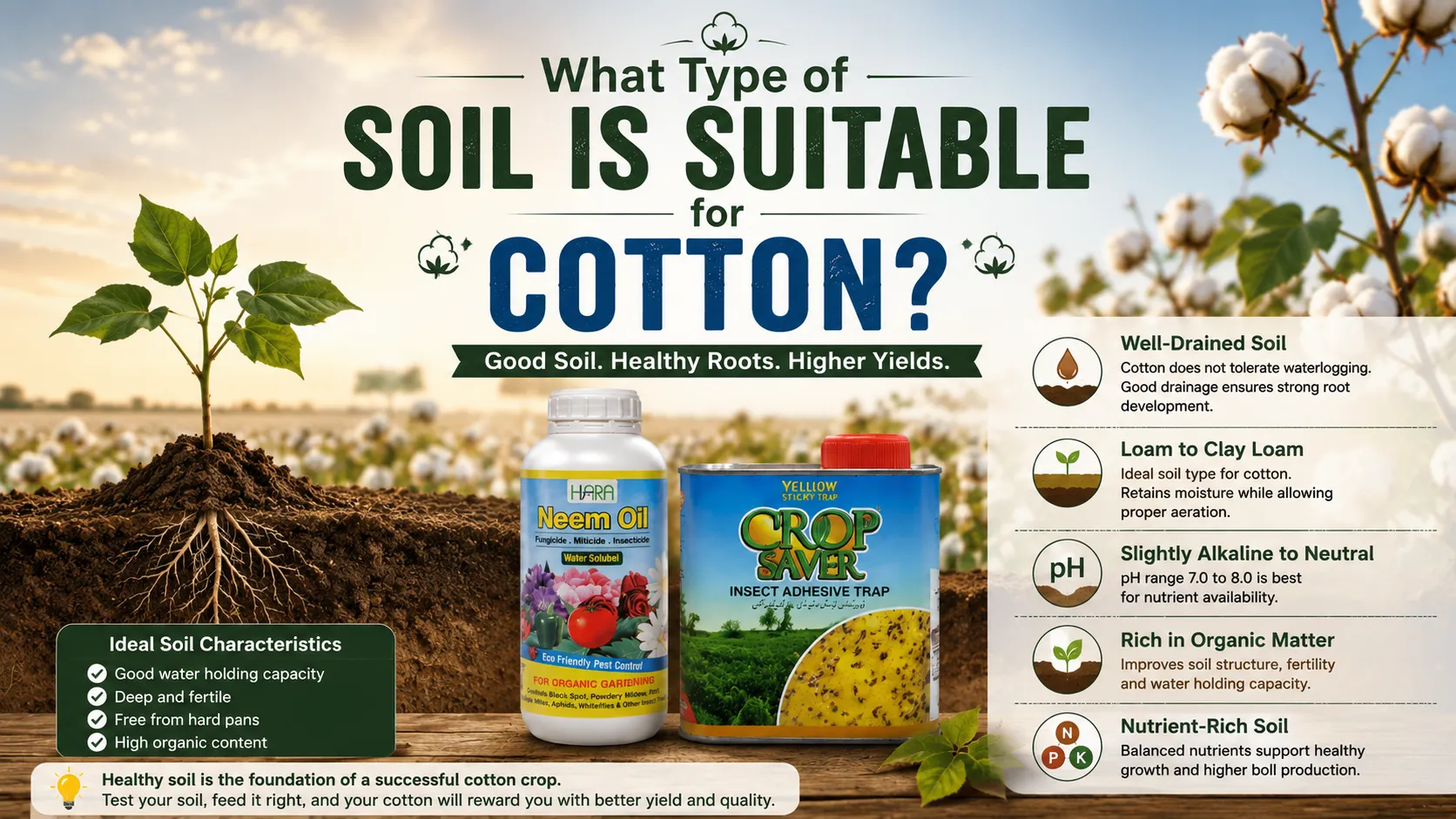
Healthy soil forms the foundation of successful cotton farming Pakistan. Cotton grows well in fertile, well-drained loam and clay loam soils with good organic matter. The ideal soil should:
- Drain excess water efficiently.
- Hold enough moisture between irrigations.
- Allow strong root penetration.
- Contain balanced levels of essential nutrients.
- Maintain a slightly neutral to mildly alkaline pH.
Adding organic matter through compost or well-decomposed farmyard manure can improve soil structure, increase microbial activity, and enhance water retention, especially in light soils.
How Should Farmers Prepare Land Before Sowing?
Land preparation begins several weeks before planting. A properly prepared field encourages uniform seed germination, stronger root growth, and better water distribution throughout the season. The field should first be cleaned of previous crop residues and weeds.
Deep ploughing helps loosen compacted soil layers, while secondary cultivations create a fine seedbed suitable for planting. Farmers often level the field carefully to improve irrigation efficiency and reduce standing water after watering.
Where soil testing is available, nutrient deficiencies should be corrected before sowing to establish healthy crop growth from the beginning.
Which Cotton Seed Varieties Are Commonly Used?
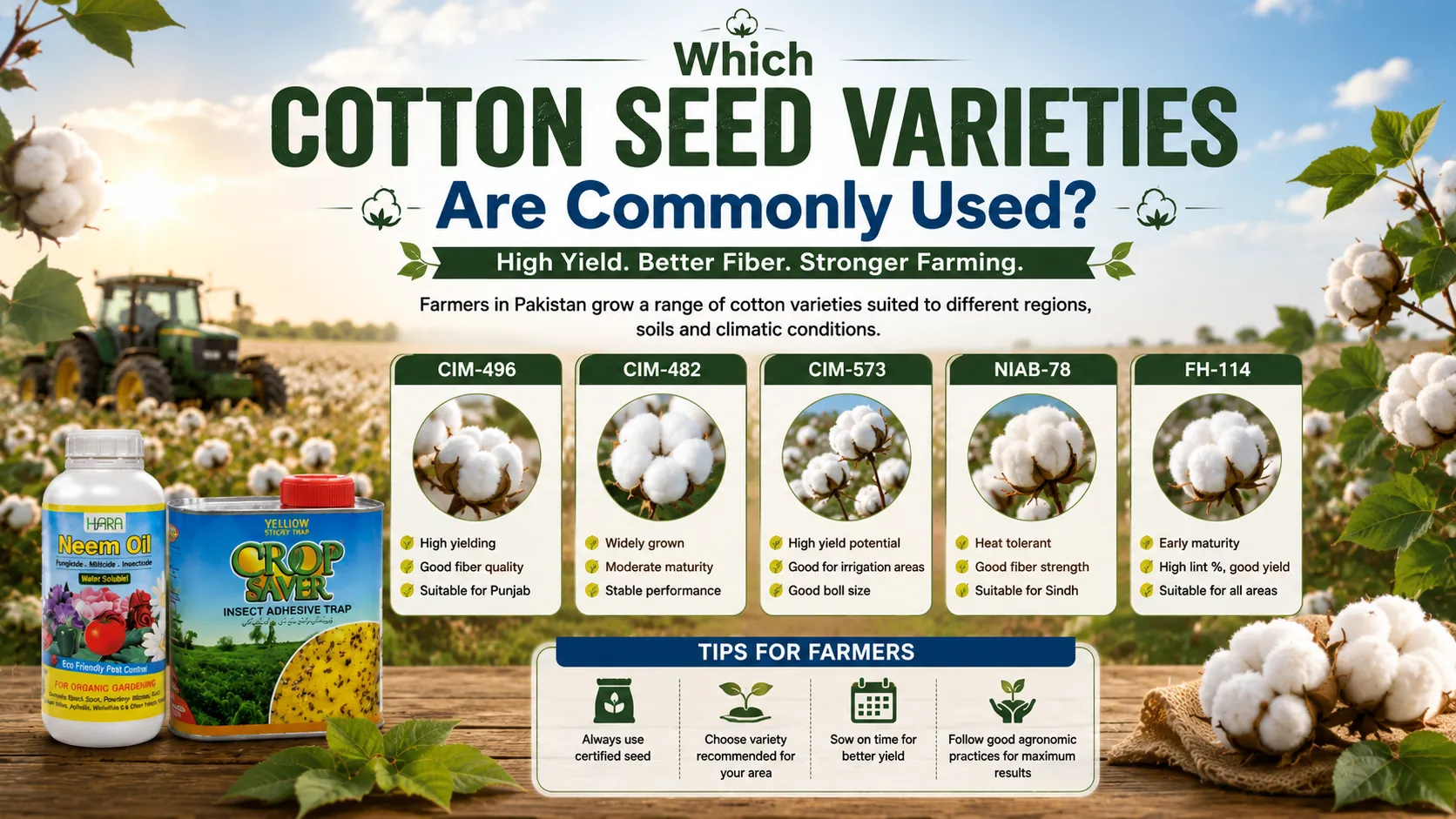
Selecting certified, disease-free seed is one of the most important decisions a farmer makes each season. Pakistan offers several approved cotton varieties that differ in maturity period, fiber quality, disease resistance, and adaptability to different regions.
Farmers should always purchase seed from reliable suppliers and select varieties recommended for their district by local agricultural authorities. Using poor-quality or uncertified seed often results in uneven germination, weaker plants, and lower production potential.
When Is the Best Time for Cotton Sowing in Pakistan?
The sowing window varies slightly between provinces depending on weather conditions and local recommendations. In many cotton-growing areas of Punjab and Sindh, sowing generally begins during spring when soil temperatures become favorable for germination.
Planting within the recommended window allows the crop to establish before peak insect pressure and helps maximize yield potential. Delaying sowing may expose the crop to increased pest attacks, irregular flowering, and unfavorable weather during boll development.
How Does Proper Fertilizer Management Improve Cotton Yield?
Balanced nutrition plays a major role in healthy cotton production. Cotton plants require nitrogen, phosphorus, potassium, sulfur, and several micronutrients throughout different growth stages.
Nitrogen encourages vegetative growth but should not be applied excessively because too much nitrogen can produce lush foliage that attracts sucking insects and delays boll maturity. Phosphorus supports early root development and flowering, while potassium improves plant strength, water regulation, boll filling, and fiber quality.
Organic inputs also contribute to healthier soils by improving nutrient availability and supporting beneficial microorganisms. Farmers are encouraged to base fertilizer programs on soil analysis whenever possible rather than applying nutrients according to guesswork.
Why Is Irrigation Management Critical in Cotton Farming?
Efficient water management has become increasingly important due to changing rainfall patterns and water availability in Pakistan. Cotton requires adequate moisture during early establishment, flowering, and boll formation. Water stress during these stages may reduce flowering, increase fruit shedding, and decrease final yield.
At the same time, excessive irrigation can create problems by reducing oxygen around roots, encouraging disease development, and wasting valuable water resources. Scheduling irrigation according to crop growth stage, soil moisture, and weather conditions allows plants to use water more efficiently while maintaining healthy growth throughout the season.
Farmers using modern irrigation techniques often achieve better water use efficiency and healthier crop development compared with irregular irrigation practices.
Why Is Early Crop Monitoring So Important?
Many production losses occur because farmers identify problems only after visible damage has become severe. Regular field scouting helps detect insect populations, nutrient deficiencies, weed growth, and irrigation issues before they significantly affect production.
Walking through different parts of the field every few days allows growers to observe changes in plant health and take timely management decisions. Early monitoring also supports integrated pest management by reducing unnecessary pesticide applications and encouraging targeted control measures when needed.
How Can Farmers Control Weeds in Cotton Fields?
Weeds compete directly with cotton plants for water, sunlight, nutrients, and growing space. During the first six to eight weeks after sowing, weed competition can significantly reduce crop growth and final yield if not managed properly.
Farmers usually combine manual weeding, mechanical cultivation, and selective herbicides depending on field conditions. Keeping the field clean during the early growth stages allows young cotton plants to establish a strong root system and grow more vigorously. Good field sanitation also improves air circulation and reduces the hiding places for insect pests.
What Are the Major Cotton Pests in Pakistan?
One of the biggest challenges in cotton farming Pakistan is controlling insect pests that damage leaves, flowers, and developing bolls. If left unmanaged, these pests can cause heavy yield losses and reduce fiber quality.
The most common pests include:
- Whitefly
- Jassid (Leafhopper)
- Thrips
- Aphids
- Pink Bollworm
- American Bollworm
- Armyworms
- Mealybugs (in some regions)
Among these, whiteflies, jassids, thrips, and aphids are sucking pests that weaken plants by feeding on sap. They also reduce photosynthesis and, in some cases, spread plant diseases. Regular crop scouting is therefore essential so that infestations can be managed before they become severe.
How Does Hara Neem Oil Help in Cotton Farming?
Hara Neem Oil is a botanical pest management product derived from neem. It is widely used as part of an Integrated Pest Management (IPM) program because it offers a more environmentally responsible approach to pest control than relying solely on conventional insecticides.
When used correctly, Hara Neem Oil can help reduce populations of common sucking insects such as whiteflies, jassids, thrips, and aphids. Instead of acting like a quick knockdown chemical, neem works by disrupting feeding, growth, and reproduction, making it more difficult for pest populations to build up over time.
For Pakistani cotton growers, Hara Neem Oil is especially valuable during the early stages of pest infestation when insect numbers are still manageable. Applying it at the first signs of pest activity can help protect young plants and reduce pressure on the crop.
Why Should Farmers Use Hara Yellow Sticky Traps?
Monitoring pests before they reach damaging levels is one of the foundations of successful IPM. Hara Yellow Sticky Traps attract flying insects such as whiteflies, aphids, leaf miners, and some other small flying pests. Once the insects land on the sticky surface, they become trapped, allowing farmers to monitor pest populations and identify infestations early.
These traps provide several advantages:
- They help detect pest activity before visible crop damage appears.
- They reduce the number of flying insects in the field.
- They support more informed spray decisions.
- They reduce unnecessary insecticide applications.
- They are suitable for both commercial farms and home gardens.
Using sticky traps together with regular field scouting gives farmers a clearer picture of pest pressure throughout the growing season.
Why Is Integrated Pest Management Better Than Repeated Chemical Sprays?
Integrated Pest Management (IPM) combines cultural practices, biological approaches, monitoring tools, and responsible pesticide use instead of depending on repeated chemical applications. For cotton growers in Pakistan, IPM may include:
- Healthy certified seed
- Timely sowing
- Balanced fertilizer application
- Regular field scouting
- Hara Yellow Sticky Traps for monitoring
- Hara Neem Oil during early pest pressure
- Selective insecticides only when economic thresholds are reached
This balanced approach helps delay pesticide resistance, protects beneficial insects, and supports more sustainable cotton production.
Can Home Gardeners Grow Cotton?
Although cotton is mainly grown commercially, home gardeners can also cultivate a few plants successfully. Cotton grows well in large containers, kitchen gardens, terrace gardens, and sunny home landscapes provided it receives sufficient sunlight and proper watering.
Home gardeners should monitor plants regularly for whiteflies and aphids because these insects often appear quickly on container-grown plants. Using Hara Yellow Sticky Traps for monitoring and Hara Neem Oil during the early stages of infestation offers a practical way to manage pests while maintaining a healthier garden environment.
Cotton Pest Management Guide
Crop Stage | Recommended Practice | Purpose | Frequency |
Early Vegetative Stage | Install Hara Yellow Sticky Traps | Monitor whiteflies and flying pests | Check weekly |
Vegetative to Flowering | Spray Hara Neem Oil according to the product label | Help manage sucking pests | Repeat as directed on the label and based on pest pressure |
Flowering & Boll Formation | Continue field scouting and IPM | Protect developing bolls | Weekly monitoring |
Note: Always follow the dosage, dilution rate, safety instructions, and label directions provided on the Hara Neem Oil and Hara Yellow Sticky products. Recommendations may vary depending on the formulation and crop conditions.
Alternative Products Available in Pakistan
Every farm faces different pest challenges, so no single product is suitable for every situation. Depending on crop conditions and pest pressure, growers may consider combining different solutions as part of an IPM strategy.
Product | Best Use | Advantages | Limitations |
Hara Neem Oil | Early sucking pest management | Botanical, supports IPM | Works best with timely application |
Hara Yellow Sticky Traps | Pest monitoring and trapping | Chemical-free monitoring | Mainly targets flying insects |
Neem-Based Botanical Sprays | Organic farming | Lower environmental impact | Slower action than many synthetic insecticides |
Selective Registered Insecticides | Severe infestations | Fast control when justified | Should be used responsibly to reduce resistance |
Common Mistakes Farmers Should Avoid
Many cotton yield losses are caused by management mistakes rather than weather alone. Applying insecticides without monitoring insect populations can waste money and increase resistance.
Excessive nitrogen fertilization often produces lush growth that attracts sucking pests. Delayed sowing may expose the crop to greater pest pressure, while irregular irrigation stresses plants during critical growth stages.
Another common mistake is waiting until heavy infestations develop before taking action. Early monitoring with sticky traps, regular scouting, and timely use of suitable management practices usually provides better long-term results than emergency spraying after severe damage has already occurred.
Frequently Asked Questions
Is cotton farming profitable in Pakistan?
Yes. Cotton remains one of Pakistan’s major cash crops, but profitability depends on good crop management, market prices, weather conditions, and effective pest control.
Which province produces the most cotton?
Punjab is generally the largest cotton-producing province, followed by Sindh.
Which insects cause the greatest damage to cotton?
Whiteflies, jassids, thrips, aphids, pink bollworms, and American bollworms are among the most important cotton pests in Pakistan.
Can Hara Neem Oil replace all chemical insecticides?
Hara Neem Oil is best used as part of an Integrated Pest Management program. Severe infestations may require additional management measures based on local agricultural recommendations.
Why are yellow sticky traps useful?
They help monitor flying insect populations early and support better pest management decisions.
Can home gardeners grow cotton?
Yes. Cotton can be grown successfully in sunny home gardens and large containers with proper care.
How often should cotton fields be monitored?
Fields should ideally be inspected at least once every week, and more frequently during periods of high pest activity.
Does balanced fertilizer reduce pest problems?
Balanced nutrition supports healthier plants and helps avoid excessive vegetative growth that can attract sucking insects.
Why is early pest detection important?
Early detection allows timely action before pests reach damaging levels, reducing yield losses and unnecessary pesticide use.
Can neem-based products be used in organic farming?
Many neem-based products are commonly used in organic production systems, but growers should always check the product label and any applicable certification requirements.
Conclusion
Successful cotton farming Pakistan requires much more than selecting a good seed variety. High yields depend on proper land preparation, balanced nutrition, efficient irrigation, timely weed control, and continuous pest monitoring throughout the season.
Farmers who regularly inspect their fields and follow Integrated Pest Management practices are better positioned to protect both crop health and profitability.
Products like Hara Neem Oil and Hara Yellow Sticky Traps can support effective cotton pest management when used as part of good farming practices. To protect your crop and manage common sucking pests, book your order from Hara Organic Pakistan and choose the right solution for your farming needs.
Chemical Free Farming Pakistan: A Practical Guide for Healthier Crops and Sustainable Agriculture
Jump To Chemical Free Farming Pakistan: A Practical Guide for
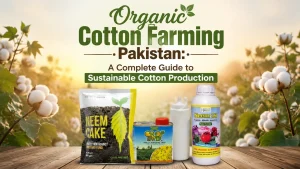
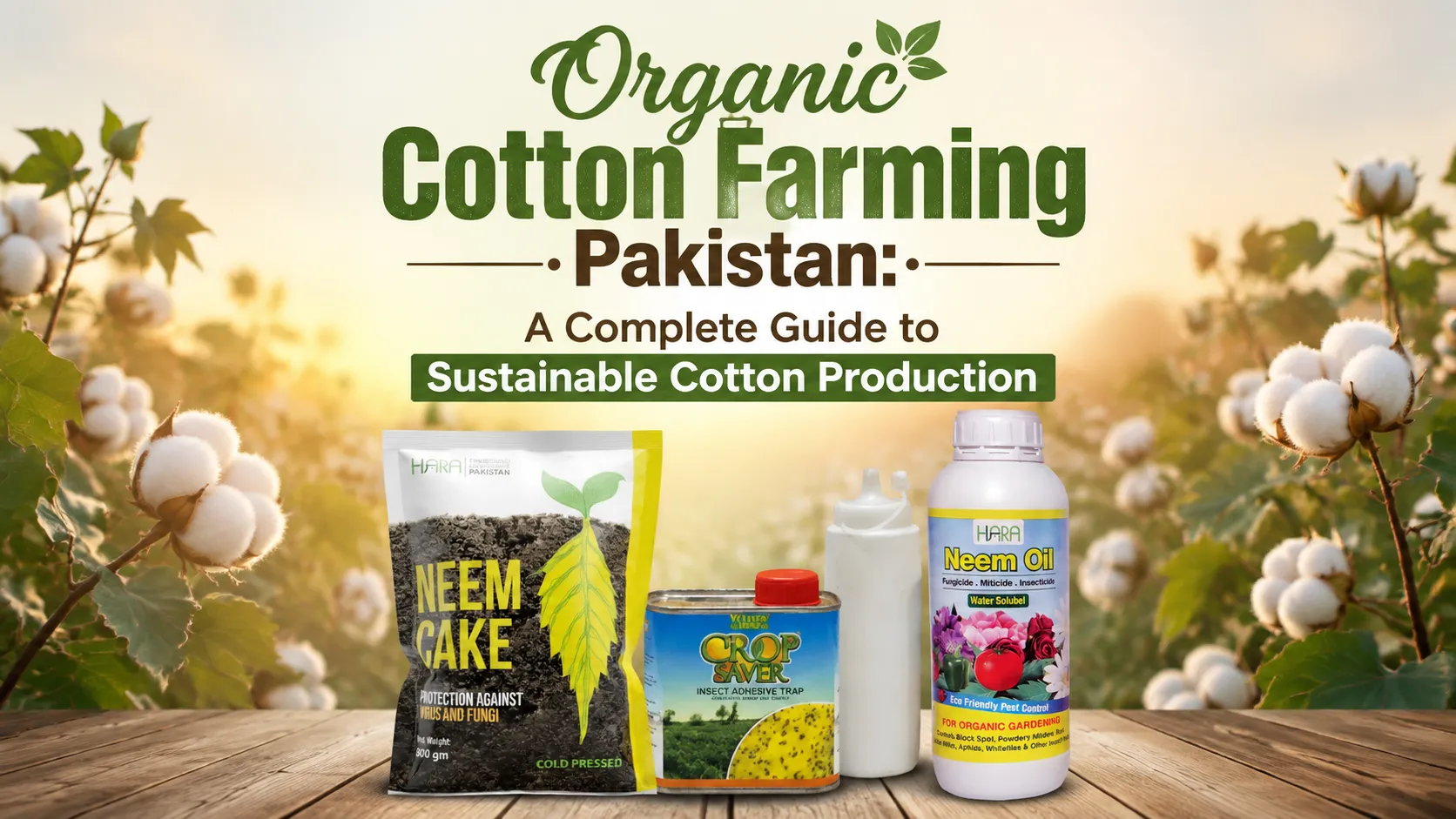
Organic Cotton Farming Pakistan: A Complete Guide to Sustainable Cotton Production
Jump To Organic Cotton Farming Pakistan: A Complete Guide to

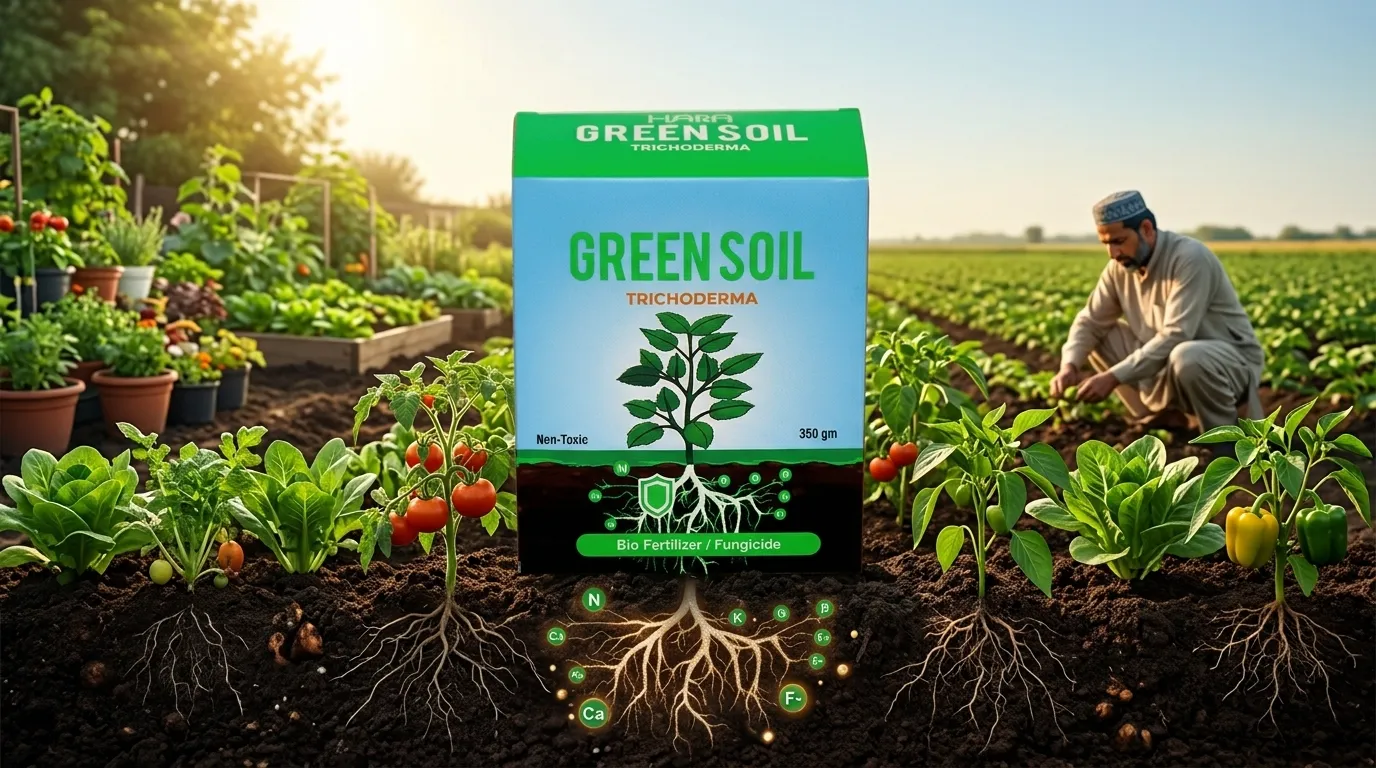
Green Soil Plant Growth: A Complete Guide to Better Soil Health and Stronger Plant Growth
Jump To Green Soil Plant Growth: A Complete Guide to
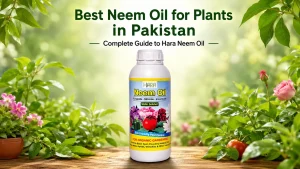
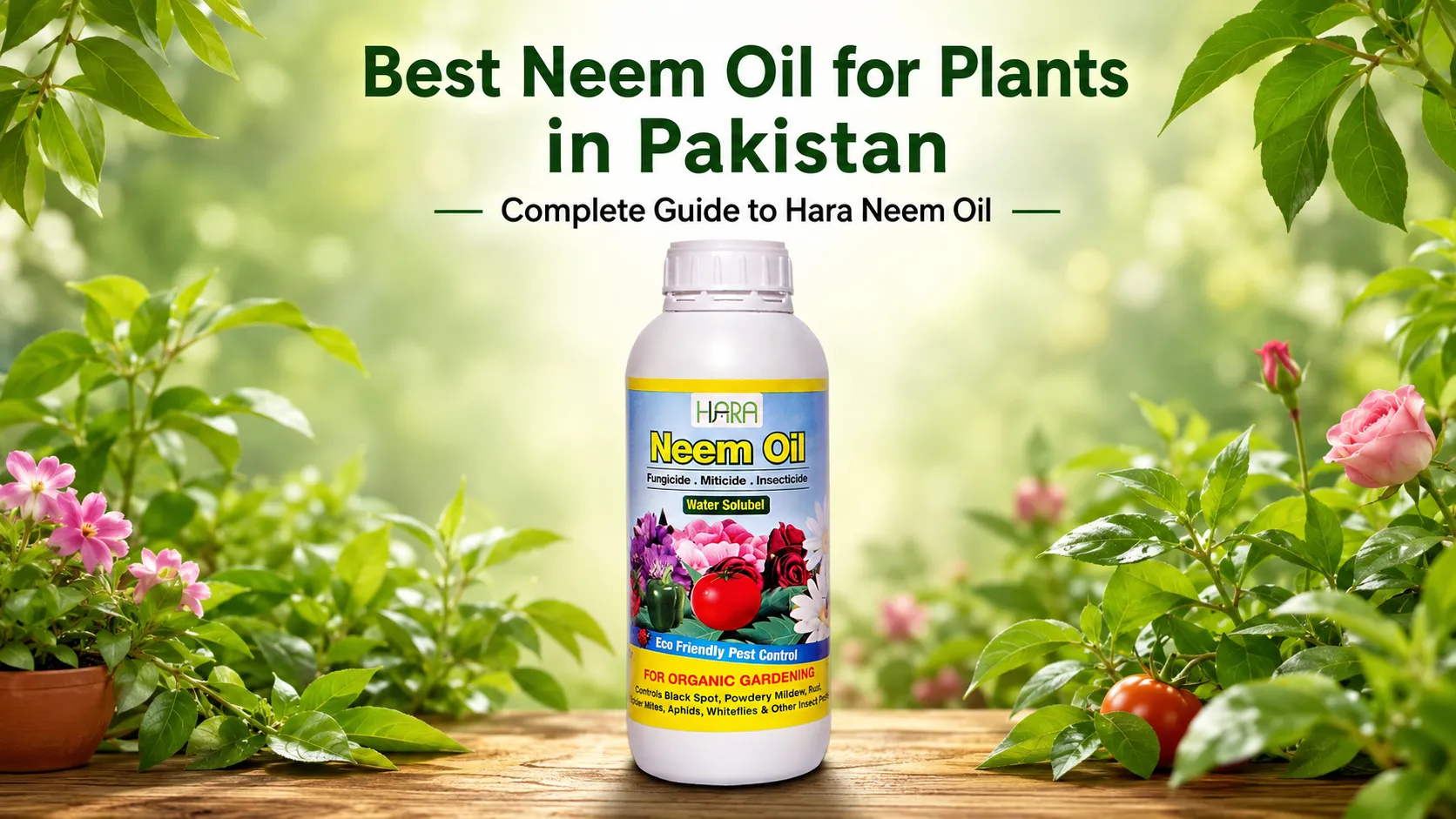
Best Neem Oil for Plants in Pakistan – Complete Guide to Hara Neem Oil
Jump To Best Neem Oil for Plants in Pakistan –

Comments (1)
Comments are closed.
[…] As global demand for sustainably produced textiles continues to grow, many farmers are exploring organic cotton farming in Pakistan as a practical way to improve soil health, reduce dependence on synthetic chemicals, and produce […]