


Organic farming is becoming increasingly popular in Pakistan as farmers and gardeners seek safer, eco-friendly ways to protect crops and improve plant health. Organic Neem Oil, extracted from the seeds of the neem tree (Azadirachta indica), is one of the most trusted natural pest control solutions.
It helps manage a wide range of insect pests by disrupting their feeding, growth, and reproduction, making it an effective choice for Integrated Pest Management (IPM).
Widely used on field crops, vegetables, fruit orchards, ornamental plants, nurseries, lawns, and home gardens, Organic Neem Oil helps reduce dependence on synthetic pesticides while supporting healthier and more sustainable farming practices.
Whether you are growing crops on a commercial farm or maintaining a kitchen garden, this guide covers everything you need to know about Organic Neem Oil, including its benefits, crop uses, application methods, dosage, and best practices for successful results.
What Is Organic Neem Oil?
Organic Neem Oil is a natural botanical oil extracted from the seeds of the neem tree (Azadirachta indica). Its key active compound, azadirachtin, helps control many common insect pests by disrupting their feeding, growth, and reproduction rather than killing them instantly.
Widely used in organic farming and home gardening, Organic Neem Oil is suitable for vegetables, fruit trees, field crops, flowers, ornamental plants, and indoor plants. It provides an eco-friendly alternative to many synthetic pesticides while supporting sustainable crop protection.
Organic Neem Oil is a plant-based pest control solution made from neem seeds. It naturally helps manage insect pests and is widely used in Pakistan for sustainable farming and gardening.
Why Is Organic Neem Oil Becoming Popular in Pakistan?
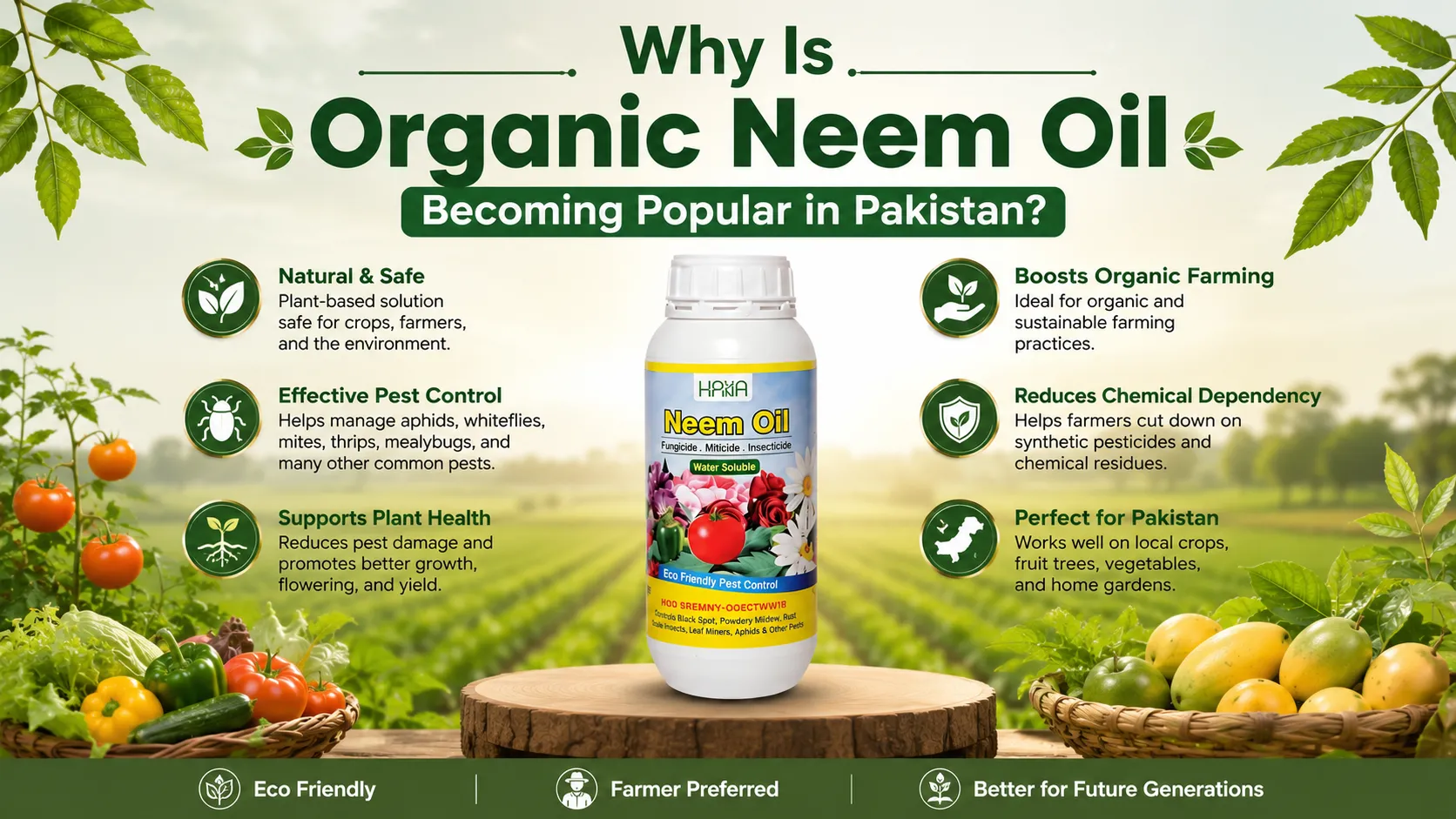
Pakistan’s agriculture sector faces several challenges, including increasing insect resistance to conventional pesticides, changing climatic conditions, rising production costs, and growing consumer demand for safer food. Farmers are therefore exploring organic and integrated farming solutions that protect crops while maintaining soil and environmental health.
Organic Neem Oil fits these changing agricultural needs because it can be used across many farming systems. Commercial growers appreciate its role in reducing pest populations during vulnerable crop stages, while home gardeners prefer it because it offers a natural alternative for protecting vegetables, flowers, and ornamental plants.
The increasing popularity of organic farming, kitchen gardening, and residue-free crop production has further strengthened the demand for neem-based agricultural products throughout Pakistan.
How Is Organic Neem Oil Produced?
The effectiveness of Organic Neem Oil depends greatly on the quality of its production. High-quality neem oil begins with carefully selected mature neem seeds collected from healthy trees. These seeds are cleaned to remove impurities before undergoing controlled drying to preserve their natural active compounds.
Most premium products are manufactured using cold-press extraction techniques. This method minimizes heat exposure and helps retain valuable natural compounds that contribute to the product’s effectiveness. After extraction, the oil is filtered to remove unwanted particles before quality testing and packaging.
Reliable manufacturers also follow strict quality control procedures to ensure consistency in purity, concentration, and overall product performance. Proper storage after production helps maintain the oil’s stability and effectiveness until it reaches farmers and gardeners.
How Does Organic Neem Oil Work?
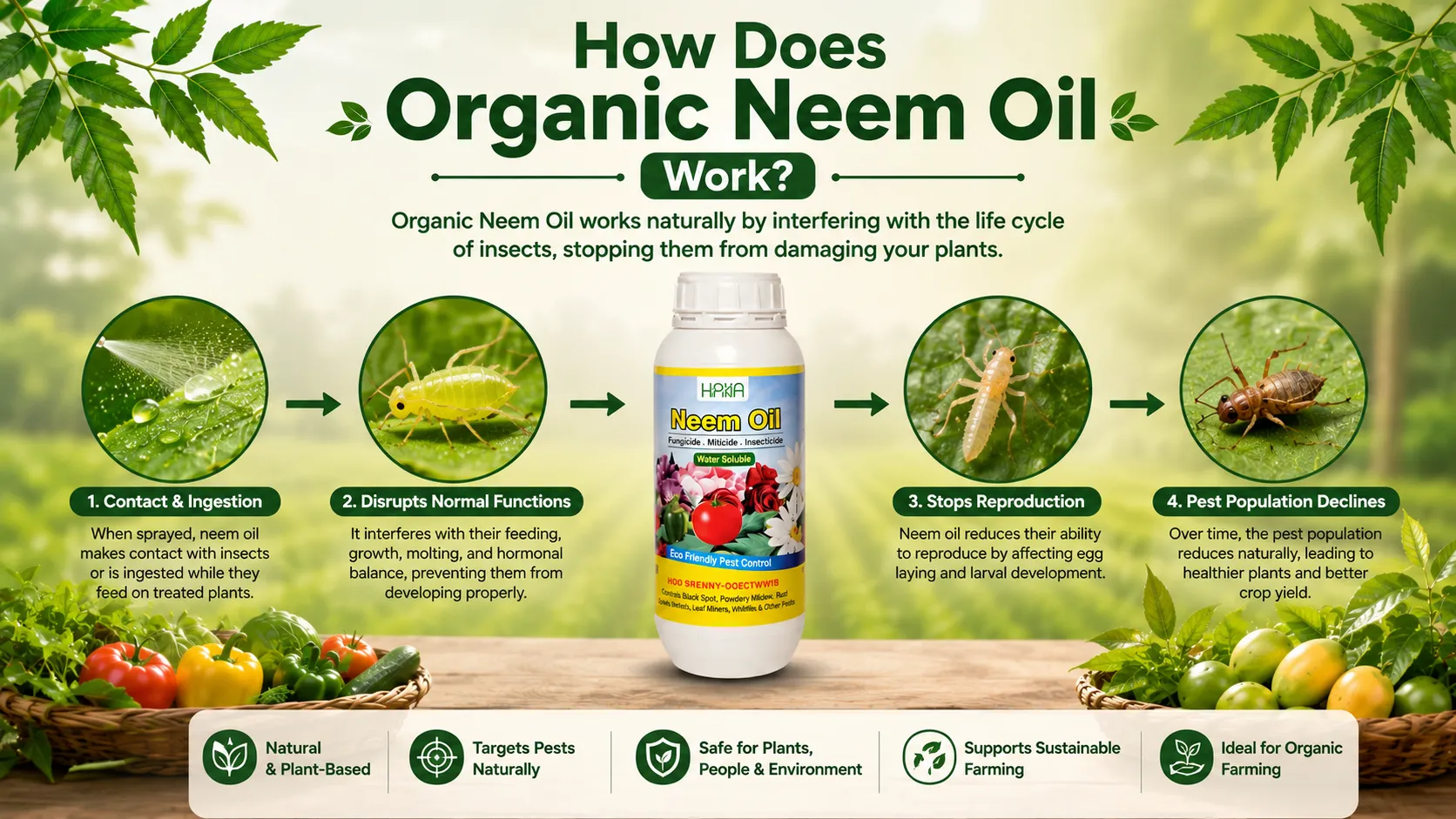
Organic Neem Oil works differently from conventional chemical pesticides. Instead of immediately killing insects on contact, it affects several biological processes that insects need for survival.
When insects feed on treated leaves, stems, or other plant parts, the natural compounds in neem interfere with hormone regulation inside the insect’s body. As a result, immature insects struggle to develop into adults, adult insects lay fewer eggs, and feeding activity gradually decreases. Over time, pest populations become smaller and easier to manage.
The oil also forms a light protective coating on plant surfaces, making plants less attractive to many insect pests. Since neem works through multiple biological mechanisms, it is less likely to contribute to rapid pesticide resistance when incorporated into a balanced crop management program.
Organic Neem Oil manages insect pests by disrupting feeding, growth, and reproduction. Instead of acting as an instant poison, it gradually reduces pest populations through natural biological processes.
Why Do Farmers Choose Organic Neem Oil?
Farmers across Pakistan increasingly include Organic Neem Oil in their crop management programs because of its versatility and long-term sustainability. It can be applied to vegetables, fruits, cereals, oilseed crops, flowers, ornamental plants, and nursery seedlings, making it a practical solution for diversified farming systems.
Another important reason is its compatibility with Integrated Pest Management (IPM). Rather than depending entirely on repeated chemical pesticide applications, farmers can combine Organic Neem Oil with good field sanitation, crop rotation, biological control, balanced fertilization, and regular crop monitoring to achieve healthier crops.
For growers targeting premium-quality produce or following organic farming practices, neem oil provides an additional advantage by supporting environmentally responsible agriculture.
What Are the Key Benefits of Organic Neem Oil?
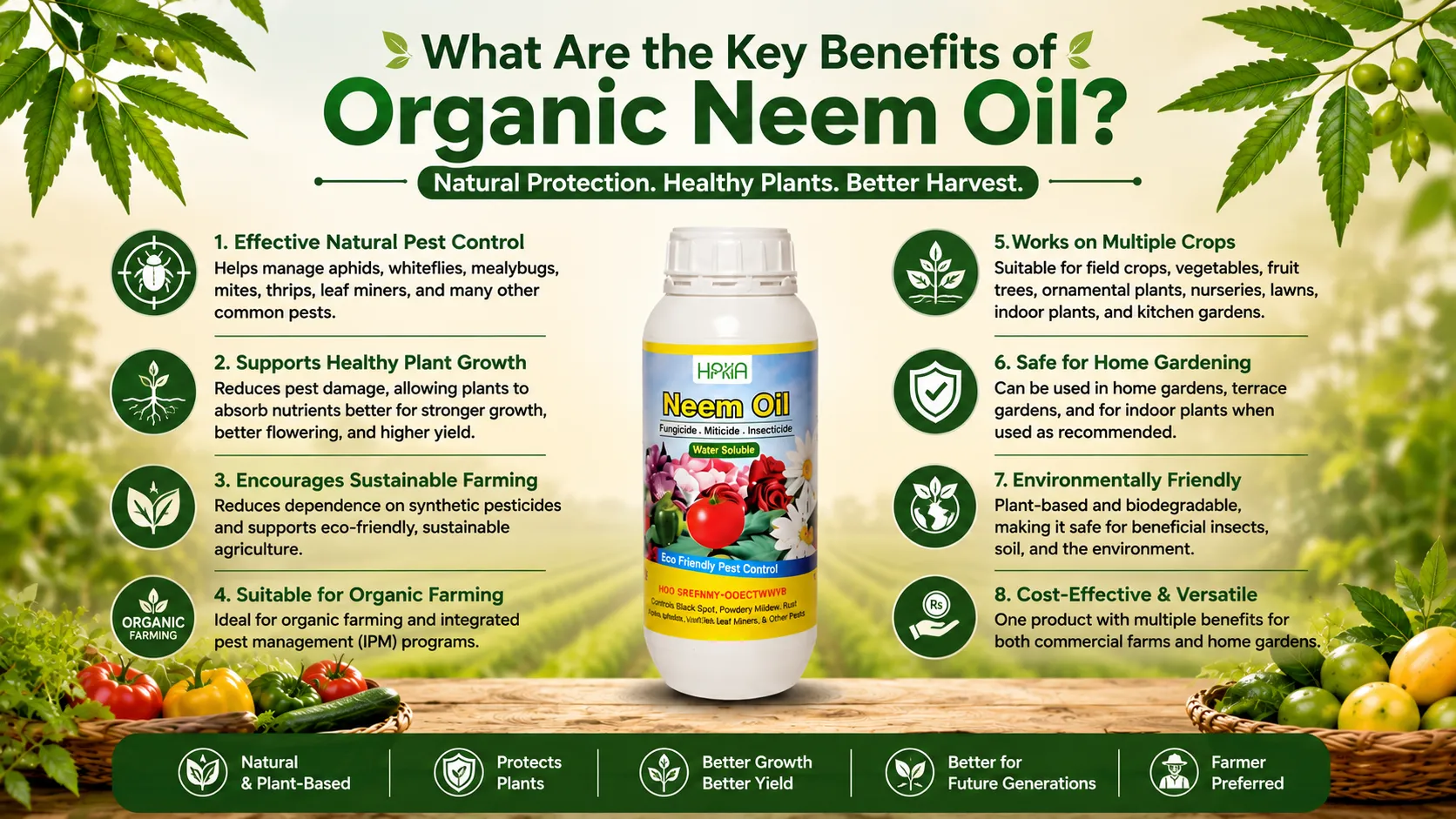
Organic Neem Oil offers more than just natural pest control. It supports healthier plant growth, reduces insect damage, and helps farmers and gardeners adopt more sustainable farming practices. Its versatility makes it suitable for a wide range of crops, fruit trees, vegetables, and home gardens across Pakistan.
Effective Natural Pest Control
Controls aphids, whiteflies, mealybugs, mites, scales, thrips, leaf miners, and many other common crop pests.
Supports Healthy Plant Growth
Reduces pest damage, allowing plants to absorb nutrients more efficiently and produce stronger roots, healthier foliage, better flowering, and improved fruit development.
Encourages Sustainable Farming
Helps reduce dependence on synthetic pesticides and supports environmentally responsible crop protection practices.
Suitable for Organic Farming
Fits well into organic farming systems and Integrated Pest Management (IPM) programs.
Works on Multiple Crops
Can be used on field crops, vegetables, fruit trees, ornamental plants, nursery seedlings, lawns, indoor plants, and kitchen gardens.
Safe for Home Gardening
An ideal solution for balcony gardens, terrace gardens, kitchen gardens, and ornamental plants when used according to recommended guidelines.
Versatile and Cost-Effective
A single product can be used across different crops and gardening applications, making it a practical choice for both commercial farmers and home gardeners.
How Is Organic Neem Oil Used on Pakistan’s Major Crops?
Pakistan’s diverse climate allows farmers to grow a wide range of field crops, vegetables, fruits, and ornamental plants. Organic Neem Oil can be incorporated into crop protection programs across many of these farming systems when used according to recommended practices.
Wheat
Wheat is Pakistan’s staple food crop, and protecting healthy foliage during vegetative growth is essential for achieving good yields. Aphids occasionally become problematic during cooler months, reducing plant vigor by feeding on sap.
Applying Organic Neem Oil at the first sign of infestation helps suppress pest activity before populations increase significantly. Regular field monitoring during tillering and stem elongation allows timely intervention and better crop protection.
Rice
Rice fields may experience infestations of plant hoppers, leaf-feeding insects, and other sucking pests depending on regional conditions. Organic Neem Oil can support integrated pest management by helping reduce early pest activity while minimizing unnecessary chemical applications.
Farmers should monitor fields carefully throughout the growing season and begin treatment before insect populations become severe.
Cotton
Cotton contributes significantly to Pakistan’s economy and is frequently affected by whiteflies, jassids, aphids, and thrips. Early-season Organic Neem Oil applications help reduce pest pressure during important growth stages, supporting healthier plant development.
When combined with regular scouting and balanced nutrient management, neem oil becomes an effective component of sustainable cotton production.
Sugarcane
Sugarcane growers often encounter sucking insects that weaken crop growth over time. Organic Neem Oil can be introduced into routine crop management to help suppress these pests while supporting healthier foliage. Proper irrigation, field sanitation, and timely applications further improve crop performance.
Maize
Maize plants are vulnerable to aphids, leaf-feeding insects, and certain caterpillars during early development. Applying Organic Neem Oil when pest populations first appear helps protect young plants and supports vigorous vegetative growth.
Preventive applications combined with regular field inspection usually provide better long-term results than waiting for severe infestations.
How Can Organic Neem Oil Protect Vegetable Crops?
Vegetables are among the most valuable crops grown in Pakistan, but they are also highly vulnerable to insect attacks throughout the growing season. Because vegetables are harvested frequently, many growers prefer natural crop protection products that fit well into sustainable farming practices.
Organic Neem Oil is widely used as part of an Integrated Pest Management (IPM) program because it helps reduce pest populations while supporting healthy plant growth.
Tomato
Tomato plants are commonly attacked by aphids, whiteflies, thrips, leaf miners, and mites. These pests weaken the plant by feeding on leaves and tender shoots, resulting in reduced flowering and poor fruit development.
Organic Neem Oil is most effective when applied at the first sign of infestation or as a preventive spray during active plant growth. Regular monitoring and timely application help maintain healthier foliage and improve overall crop performance.
Onion and Garlic
Onion and garlic crops often experience problems from thrips and other sucking insects, particularly during warm and dry weather. These pests damage leaves, reducing photosynthesis and affecting bulb size. Organic Neem Oil can be incorporated into the crop protection schedule to suppress early pest activity and maintain healthy plant growth throughout the season.
Potato
Potato crops may be affected by aphids and leaf-feeding insects that reduce foliage health and weaken plant development. Applying Organic Neem Oil during the early vegetative stage helps minimize pest pressure and supports stronger crop growth. Healthy foliage contributes to better tuber development and improved yield potential.
Okra
Okra is highly attractive to aphids, jassids, whiteflies, and mites. Since the crop produces fruit continuously, regular crop inspection is essential. Organic Neem Oil helps reduce pest populations when applied before infestations become severe, allowing plants to continue producing healthy pods.
Chili
Chili growers frequently face problems with thrips, mites, aphids, and whiteflies. These insects damage leaves, flowers, and young fruits, affecting crop quality. Timely neem oil applications during vegetative growth and flowering help reduce pest pressure while supporting healthier plants.
Brinjal
Brinjal plants remain in the field for a relatively long period, making them vulnerable to repeated pest attacks. Organic Neem Oil helps suppress sucking insects during different growth stages and works best when included as part of a regular pest management program.
Cucumber
Cucumber vines are often attacked by aphids, whiteflies, and mites, especially during hot weather. Neem oil applications protect healthy foliage, allowing the plant to continue producing flowers and fruits throughout the harvesting period.
Spinach, Cabbage, and Cauliflower
Leafy vegetables require healthy foliage to produce high-quality harvests. Aphids and caterpillars can significantly reduce crop quality if left unmanaged. Organic Neem Oil provides a natural option for reducing pest activity while supporting sustainable vegetable production.
How Does Organic Neem Oil Benefit Fruit Orchards?
Fruit trees require long-term care, making preventive pest management essential for maintaining productivity year after year. Organic Neem Oil is widely used in orchards because it supports healthier plant growth while helping reduce insect pressure.
Mango
Mango orchards across Sindh and Punjab commonly experience hopper attacks, mealybugs, and scale insects. Early neem oil applications before flowering and during active pest periods help reduce infestations and support healthier fruit production.
Citrus
Pakistan is one of the world’s leading citrus-producing countries, with orchards concentrated in Punjab. Aphids, citrus leaf miners, scales, and whiteflies frequently attack citrus trees. Organic Neem Oil helps reduce pest activity and supports healthier foliage, which is essential for quality fruit production.
Guava
Guava trees benefit from regular pest monitoring throughout the year. Neem oil can be used to manage aphids, scales, and other sucking insects before they become widespread.
Banana
Banana plantations require healthy leaves for efficient photosynthesis and fruit development. Organic Neem Oil helps reduce insect pressure while supporting vigorous plant growth throughout the growing season.
Pomegranate, Grapes, Dates, Apple, and Peach
These fruit crops also benefit from routine Organic Neem Oil applications whenever early pest activity is observed. Preventive management helps maintain healthy leaves, improves flowering, and supports better fruit quality over time.
Can Organic Neem Oil Be Used on Oilseed and Fodder Crops?
Oilseed crops such as mustard, sunflower, and canola may experience infestations of aphids and other sap-sucking insects during critical growth stages. Organic Neem Oil supports integrated pest management by helping reduce these pest populations before they spread across the field.
Fodder crops including berseem and alfalfa also benefit from timely neem oil applications when insect activity begins. Healthy fodder crops contribute to better livestock nutrition and improved farm productivity.
Is Organic Neem Oil Suitable for Nurseries, Flowers, and Lawns?
Nursery owners often use Organic Neem Oil to protect young seedlings because they are more susceptible to insect damage than mature plants. Healthy seedlings establish more successfully after transplanting, making early pest management an important part of nursery production.
Flowering plants such as roses, jasmine, marigolds, hibiscus, chrysanthemums, and bougainvillea also benefit from neem oil applications during periods of active pest pressure. Healthy foliage supports stronger flowering and improves the overall appearance of ornamental landscapes.
Organic Neem Oil can also be used on lawn grass where sucking insects or mites begin affecting turf quality. Maintaining a healthy lawn through balanced nutrition, irrigation, and timely pest management results in stronger, greener grass.
How Can Home Gardeners Use Organic Neem Oil?
Organic Neem Oil is equally useful for kitchen gardeners, balcony gardeners, terrace gardeners, and indoor plant enthusiasts. Home-grown vegetables such as tomatoes, chilies, cucumbers, spinach, coriander, mint, and okra often attract aphids, whiteflies, and mites. Regular preventive applications help maintain healthier plants and improve vegetable production throughout the season.
Indoor ornamental plants including money plants, snake plants, rubber plants, pothos, peace lilies, and decorative foliage plants may also suffer from mealybugs or scale insects. Carefully spraying affected leaves and stems helps control these pests while keeping indoor plants healthy.
Home fruit trees such as lemon, guava, mango, and pomegranate also benefit from seasonal neem oil applications as part of regular garden maintenance.
What Are the Best Application Methods for Organic Neem Oil?
Organic Neem Oil performs best when applied uniformly so that leaves, stems, and affected plant parts receive proper coverage. The application method depends on the crop, pest pressure, and stage of plant growth.
Crop Type | Recommended Method | Frequency |
Vegetables | Foliar Spray | Every 7–14 days during pest activity |
Fruit Trees | Foliar Spray | As required after crop monitoring |
Field Crops | Foliar Spray | During early pest infestation |
Nursery Plants | Foliar Spray | Preventively or when pests appear |
Home Gardens | Foliar Spray | Every 10–14 days if needed |
Spraying during the early morning or late afternoon is generally recommended because cooler temperatures improve spray coverage and reduce evaporation. Avoid spraying immediately before rainfall or during strong winds, as this may reduce effectiveness.
Which Products Can Be Used Alongside Organic Neem Oil?
Organic Neem Oil works best as part of a balanced crop management program that includes proper nutrition, irrigation, soil care, and regular pest monitoring.
It can be used alongside many organic plant nutrition products and biological inputs, but always perform a compatibility test before mixing with other fertilizers or pesticides and follow the manufacturer’s recommendations.
Avoid mixing it with highly alkaline products or applying it immediately after sulfur-based sprays. For the best long-term results, rotate Organic Neem Oil with other approved organic crop protection products as part of an Integrated Pest Management (IPM) program.
What Are the Best Alternative Products from Hara Organic Pakistan?
Depending on your crop’s specific needs, these organic products can complement or serve as alternatives to Organic Neem Oil as part of a complete crop management program:
- Cold Pressed Neem Oil: A premium-quality neem oil with higher retention of natural active compounds for effective organic pest management.
- Neem Cake: Improves soil fertility, enriches organic matter, and helps suppress certain soil-borne pests and nematodes.
- Seaweed Extract: Promotes root development, enhances flowering and fruiting, and helps plants recover from environmental stress.
- Humic Acid: Improves soil structure, increases nutrient availability, and encourages stronger root growth.
- Fulvic Acid: Enhances nutrient absorption, boosts plant metabolism, and improves overall crop vigor.
- Fish Amino Acid: Provides readily available organic nutrients that support vigorous vegetative growth and stress recovery.
- Amino Acid: Helps crops withstand environmental stress while promoting healthy growth, flowering, and yield.
- Organic Bio Fertilizers: Introduce beneficial microorganisms that improve soil fertility, nutrient cycling, and root health.
- Organic Plant Growth Promoters: Stimulate healthy plant development, improve flowering, and increase crop productivity.
- Organic Potassium Soap: A natural contact solution for managing aphids, whiteflies, mealybugs, and other soft-bodied insects.
- Insecticidal Soap: Helps control soft-bodied insect pests while supporting environmentally responsible pest management.
- Sticky Traps: A chemical-free monitoring and trapping solution for whiteflies, aphids, leaf miners, and other flying insects.
- Beneficial Microbial Solutions: Improve soil biology, support root development, and enhance natural plant resilience.
- Organic Fungicides: Help protect crops from common fungal diseases as part of an integrated organic crop protection program.
Which Organic Product Is Best for Different Farming Needs?
Feature | Organic Neem Oil | Neem Cake | Seaweed Extract |
Primary Purpose | Natural pest management | Soil improvement and pest suppression | Plant growth promotion |
Natural & Organic | Yes | Yes | Yes |
Insect Management | Excellent | Moderate | Not intended for pest control |
Soil Health Improvement | Moderate | Excellent | Good |
Root Development | Moderate | Good | Excellent |
Flowering & Fruiting Support | Moderate | Moderate | Excellent |
Nutrient Availability | Low | Good | Excellent |
Suitable for Vegetables | Suitable | Suitable | Suitable |
Suitable for Fruit Trees | Suitable | Suitable | Suitable |
Suitable for Home Gardens | Highly Suitable | Suitable | Highly Suitable |
Suitable for Organic Farming | Fully Suitable | Fully Suitable | Fully Suitable |
Best Time to Use | During pest infestations or preventive spraying | Before planting or during soil preparation | During vegetative growth, flowering, and fruit development |
Each product serves a different purpose in sustainable crop management. Organic Neem Oil is primarily used to control insect pests naturally, Neem Cake improves soil fertility while helping suppress certain soil-borne pests, and Seaweed Extract supports healthy root development, flowering, fruiting, and stress recovery.
Selecting the right product based on your crop’s needs and growth stage provides better long-term results than depending on a single solution.
Which Common Plant Problems Can Organic Neem Oil Help Address?
Many crop problems begin with insect infestations that weaken plants over time. Aphids, whiteflies, thrips, mites, and mealybugs feed on plant sap, reducing vigor and making crops more vulnerable to additional stress. By lowering pest pressure, Organic Neem Oil helps plants maintain healthier leaves, stronger shoots, and improved flowering.
Growers often notice better crop performance after controlling early insect populations because healthy leaves can produce more energy through photosynthesis. This contributes to stronger root systems, improved flowering, and better fruit development.
However, it is important to remember that Organic Neem Oil is not a fertilizer. If yellow leaves or poor growth result from nutrient deficiencies, irrigation problems, or soil conditions rather than insects, these underlying issues should also be corrected.
What Are the Best Practices for Using Organic Neem Oil?
To achieve consistent results, growers should follow a few important practices:
- Monitor crops regularly, spray during the early morning or late afternoon, apply Organic Neem Oil at the first sign of pest activity, ensure complete coverage of leaves (including the undersides), and store the product in a cool, dry place away from direct sunlight.
Following these simple practices helps improve spray performance while reducing unnecessary product use.
What Common Mistakes Should Be Avoided?
One of the most common mistakes is waiting until pest populations become extremely high before beginning treatment. Organic Neem Oil works best as an early intervention or preventive solution rather than an emergency rescue spray. Delayed applications often reduce overall effectiveness because established infestations are more difficult to manage.
Another frequent mistake is spraying during the hottest part of the day. High temperatures increase evaporation and may place unnecessary stress on plants. Applying the product before expected rainfall can also reduce performance because the spray may be washed away before it has time to work.
Some growers apply excessive concentrations, believing that stronger mixtures will provide better control. Overuse does not improve results and may increase the likelihood of leaf damage on sensitive plants. Always follow the recommended dilution and application schedule provided on the product label.
Frequently Asked Questions
What is Organic Neem Oil?
Organic Neem Oil is a natural botanical oil extracted from neem seeds that helps manage many common insect pests by disrupting their feeding, growth, and reproduction.
Is Organic Neem Oil safe for vegetable crops?
Yes. When used according to label recommendations, Organic Neem Oil is suitable for vegetables and is widely used in organic farming and kitchen gardening.
Can it be used on fruit trees?
Yes. It can be applied to mango, citrus, guava, banana, grapes, pomegranate, dates, apple, peach, and many other fruit trees during periods of pest activity.
How often should Organic Neem Oil be sprayed?
Most crops benefit from applications every 7 to 14 days during active pest pressure, depending on crop type, weather conditions, and infestation level.
Does Organic Neem Oil kill insects immediately?
No. It works gradually by interfering with insect development, feeding, and reproduction rather than acting as a fast-acting chemical poison.
Can it be used in home gardens?
Yes. It is suitable for kitchen gardens, balcony gardens, terrace gardens, ornamental plants, indoor plants, and home fruit trees.
Is Organic Neem Oil suitable for organic farming?
Yes. Organic Neem Oil is widely used as part of sustainable and organic farming systems around the world.
Can Organic Neem Oil be mixed with fertilizers?
Compatibility depends on the product being used. Always perform a small compatibility test and follow the manufacturer’s recommendations before mixing.
When is the best time to spray?
Early morning or late afternoon provides the best conditions because temperatures are lower and spray coverage is generally more effective.
Where can farmers buy Organic Neem Oil in Pakistan?
Farmers and gardeners can purchase high-quality Organic Neem Oil and other organic farming solutions from Hara Organic Pakistan through its official sales channels and authorized distributors.
Conclusion
Organic Neem Oil has become one of the most reliable natural crop protection products for Pakistani farmers, home gardeners, nursery owners, and commercial growers who want to manage insect pests responsibly. Its plant-based origin, broad crop compatibility, and role in Integrated Pest Management make it an excellent choice for sustainable agriculture.
Whether you grow field crops, vegetables, fruit orchards, flowering plants, or maintain a small kitchen garden, timely application of Organic Neem Oil can help reduce pest pressure and support healthier plant growth. For even better results, combine it with balanced nutrition, proper irrigation, regular crop monitoring, and high-quality organic farming inputs.
If you are looking for dependable organic farming solutions, Hara Organic Pakistan offers a complete range of products designed to improve crop protection, soil health, and plant nutrition. Choosing the right product and using it correctly will help you build a healthier farm, produce better-quality crops, and contribute to a more sustainable future for agriculture in Pakistan.
Organic Neem Oil in Pakistan: A Complete Guide for Natural Crop Protection and Healthy Plant Growth
Jump To Organic Neem Oil in Pakistan: A Complete Guide
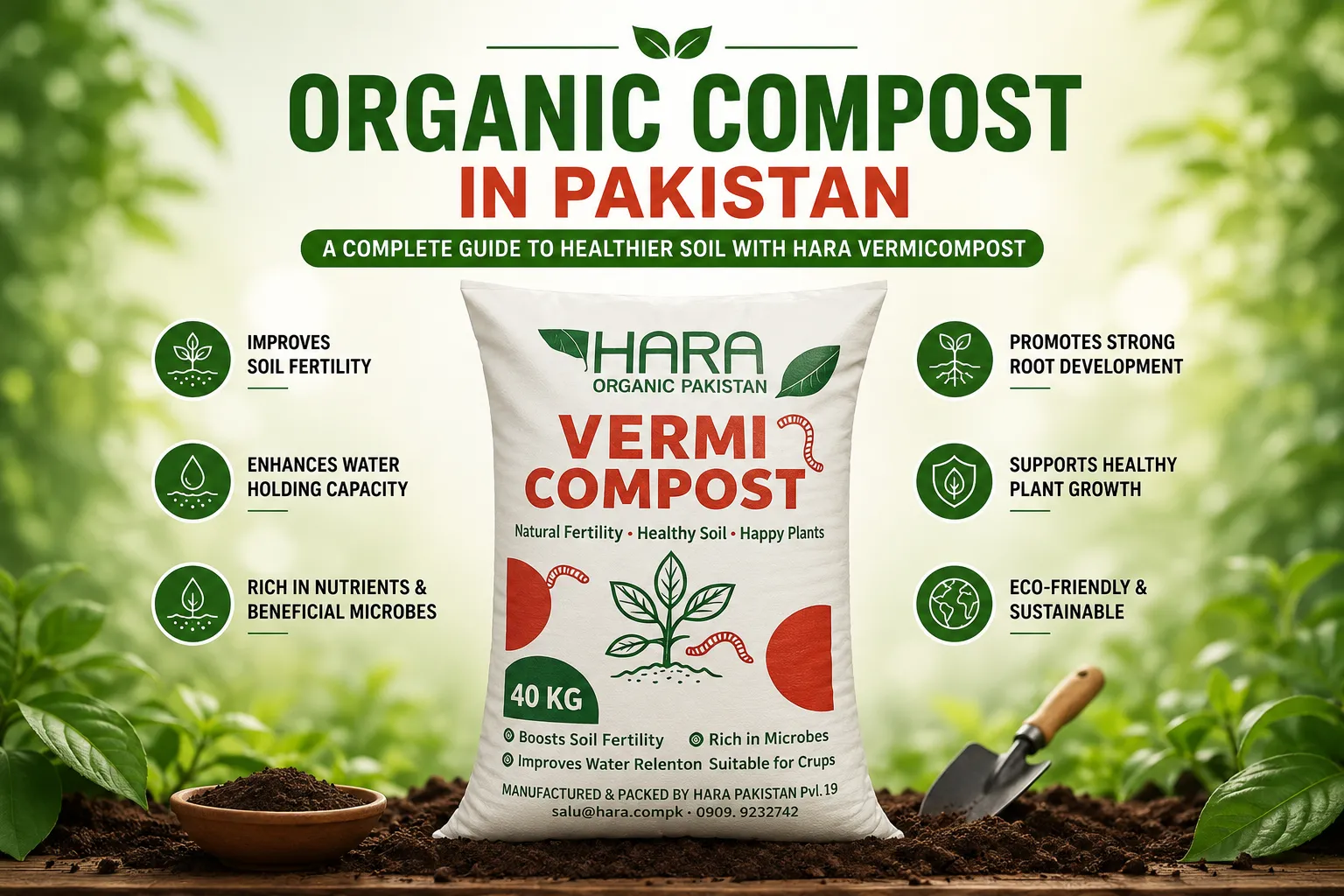
Organic Compost in Pakistan: A Complete Guide to Healthier Soil with Hara Vermicompost
Jump To Organic Compost in Pakistan: A Complete Guide to

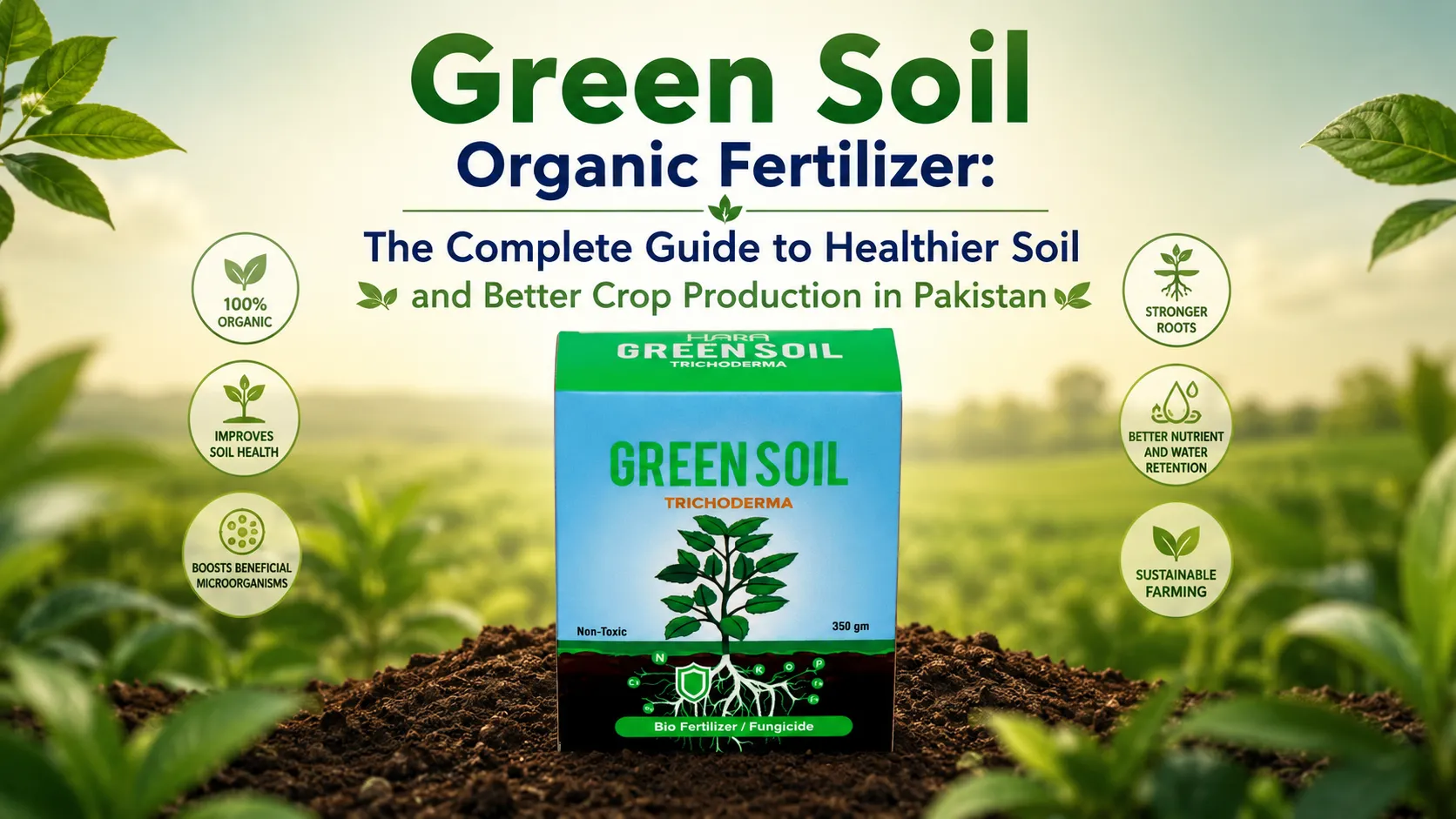
Green Soil Organic Fertilizer: The Complete Guide to Healthier Soil and Better Crop Production in Pakistan
Jump To Green Soil Organic Fertilizer The Complete Guide to
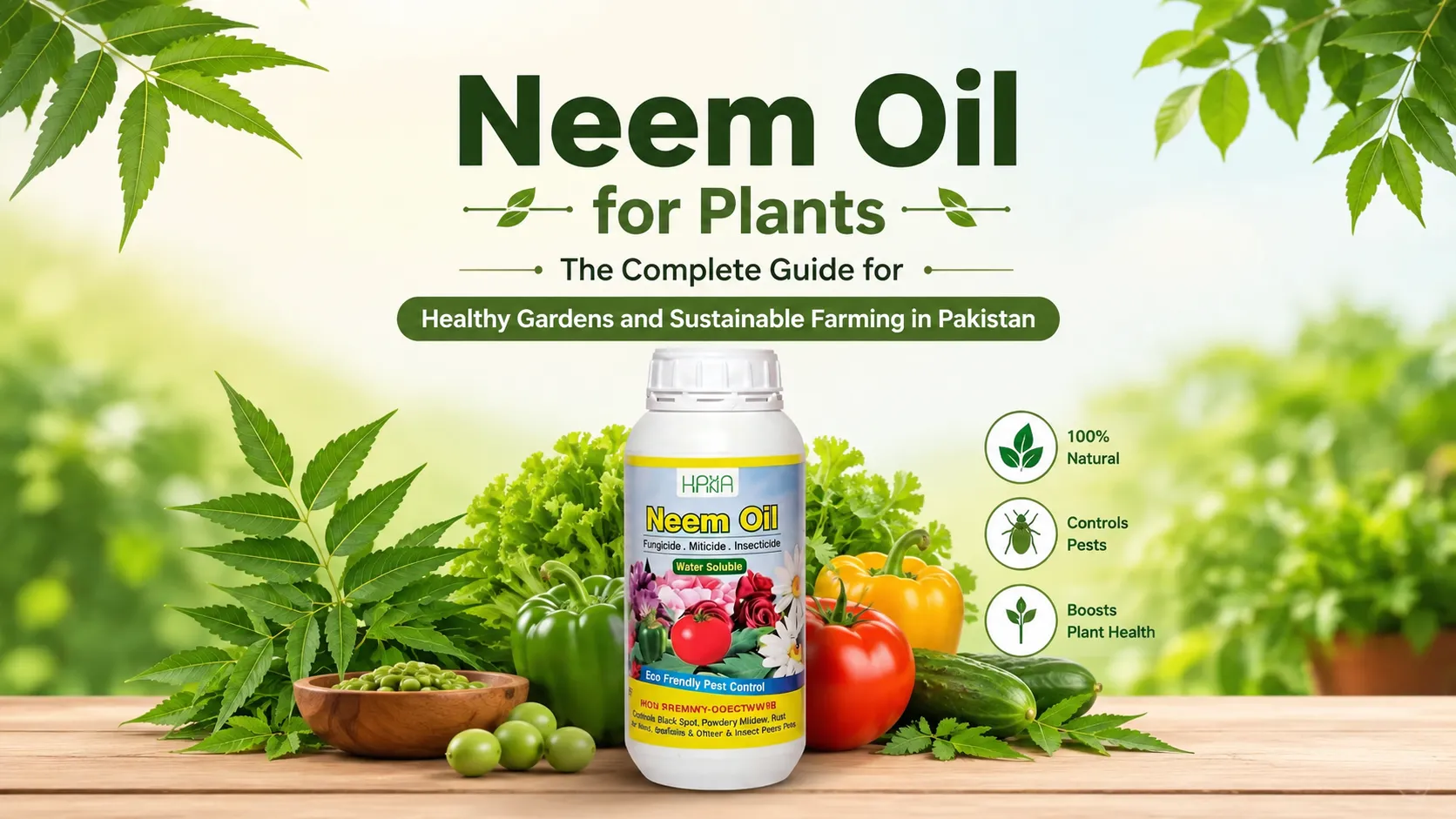
Neem Oil for Plants: The Complete Guide for Healthy Gardens and Sustainable Farming in Pakistan
Jump To Neem Oil for Plants: The Complete Guide for

Root rot is one of the most destructive plant diseases in agriculture. It damages plant roots, weakens nutrient uptake, reduces plant immunity, and can eventually kill the entire crop if not managed properly.
In conventional farming, root rot is often treated with heavy chemical fungicides. However, organic farming focuses on prevention, soil biology improvement, and strengthening the plant’s natural defense system.
What is Root Rot?
Root rot is a fungal or microbial disease that attacks plant roots under unfavorable soil conditions.
It commonly develops in:
- Waterlogged soils
- Poor drainage conditions
- Weak soils with low microbial activity
- Excess chemical fertilizer usage
- Over-irrigation
- Compacted soils
The disease damages roots and prevents proper water and nutrient absorption.
Common Root Rot Diseases
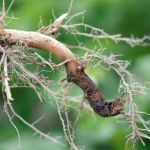
Major root rot diseases include:
- Fusarium root rot
- Pythium root rot
- Rhizoctonia root rot
- Phytophthora root rot
- Damping-off disease
These pathogens survive in unhealthy soil and attack weak plants.
Symptoms of Root Rot
Common symptoms include:
- Yellowing leaves
- Wilting plants
- Slow growth
- Sudden plant collapse
- Black or brown roots
- Soft rotten roots
- Poor nutrient uptake
- Weak root development
In severe cases, entire plants may die.
Main Causes of Root Rot
1. Excess Water
Overwatering creates anaerobic soil conditions in which harmful fungi can grow rapidly.
2. Poor Soil Biology
Dead soils lacking beneficial microorganisms become highly vulnerable to pathogens.
3. Excess Chemical Fertilizers
Heavy use of chemical fertilizers weakens roots and disrupts the soil microbial balance.
4. Poor Drainage
Standing water increases fungal growth around roots.
5. Weak Plant Immunity
Stressed and nutrient-deficient plants become easy targets for fungal diseases.
How Organic Farming Controls Root Rot Naturally
Organic farming focuses on:
- Prevention
- Healthy soil biology
- Beneficial microorganisms
- Strong root systems
- Balanced nutrition
- Improved drainage
Instead of killing everything with chemicals, organic farming restores the natural soil ecosystem.
Importance of Soil Biology in Root Rot Control
Healthy soil contains beneficial microbes that naturally suppress harmful fungi.
Beneficial microorganisms:
- Compete with pathogens
- Protect root zones
- Improve nutrient uptake
- Increase root strength
- Enhance plant immunity
Healthy living soil naturally reduces root diseases.
Organic Root Rot Treatment Program
Step 1: Improve Drainage
Good drainage is the first step in root rot management.
Recommended practices:
- Avoid waterlogging
- Use raised beds if necessary
- Improve soil structure
- Reduce over-irrigation
Proper oxygen availability around roots is essential.
Step 2: Apply Trichoderma (Green Soil)
Green Soil (Trichoderma-Based)
Trichoderma is one of the most effective bio-fungicides in organic farming.
It works by:
- Attacking harmful fungi
- Competing for space and nutrients
- Protecting root surfaces
- Improving root growth
Benefits include:
- Fusarium suppression
- Pythium suppression
- Rhizoctonia control
- Root protection
- Improved soil microbial balance
Preventive use gives the best results.
Step 3: Use Beneficial Bacteria Culture
Beneficial bacteria cultures help restore healthy microbial populations in soil.
These bacteria:
- Suppress pathogens
- Improve root activity
- Enhance nutrient uptake
- Improve soil fertility
Application through irrigation water provides continuous root-zone protection.
Step 4: Neem Cake Application
Neem cake is highly beneficial for root-zone health.
Benefits include:
- Suppression of soil-borne pathogens
- Reduction of nematodes
- Improved microbial activity
- Organic nutrient supply
- Better root development
Neem cake also improves long-term soil fertility.
Step 5: Balanced Organic Nutrition
Healthy plants naturally resist diseases better.
Organic nutrition helps by:
- Strengthening root tissues
- Improving microbial activity
- Enhancing plant immunity
- Reducing plant stress
Excess chemical nitrogen should be avoided because it creates weak and disease-prone root systems.
Chemical Fungicides vs Organic Root Disease Management
|
Organic Root Disease Management |
Chemical Fungicides |
|
Improves soil biology |
Damages soil microbes |
|
Long-term disease suppression |
Temporary suppression |
|
Builds plant immunity |
Creates dependency |
|
Environmentally safe |
Toxic residues |
|
Sustainable approach |
Resistance development |
|
Improves soil fertility |
Soil degradation |
Hara Organic Pakistan Root Rot Prevention Strategy
Preventive Organic Root Disease Program
Before Disease Appears
- Improve soil drainage
- Apply organic matter
- Use neem cake
- Install healthy irrigation management
Preventive Soil Protection
- Apply Green Soil (Trichoderma) regularly
- Use beneficial bacteria cultures through irrigation water
- Maintain balanced organic nutrition
Stress Reduction
Healthy stress-free plants are naturally more resistant to fungal diseases.
Best Prevention Methods for Root Rot
Important Preventive Practices
- Avoid overwatering
- Maintain proper drainage
- Improve soil aeration
- Use compost and organic matter
- Apply Trichoderma preventively
- Use neem cake regularly
- Avoid excessive chemical fertilizers
- Maintain healthy soil biology
Conclusion
Root rot is not simply a fungal attack; it is often a sign of unhealthy soil and poor ecological balance. Organic farming controls root rot by improving soil life, strengthening roots, and restoring natural microbial balance. “Healthy Soil Creates Healthy Roots”
Strong roots produce healthy plants, and healthy plants naturally resist diseases more effectively. Organic root disease management is not only safer for crops and soil, but also supports long-term sustainable agriculture and environmental protection.
Organic Neem Oil in Pakistan: A Complete Guide for Natural Crop Protection and Healthy Plant Growth
Jump To Organic Neem Oil in Pakistan: A Complete Guide
Organic Compost in Pakistan: A Complete Guide to Healthier Soil with Hara Vermicompost
Jump To Organic Compost in Pakistan: A Complete Guide to
Green Soil Organic Fertilizer: The Complete Guide to Healthier Soil and Better Crop Production in Pakistan
Jump To Green Soil Organic Fertilizer The Complete Guide to
Neem Oil for Plants: The Complete Guide for Healthy Gardens and Sustainable Farming in Pakistan
Jump To Neem Oil for Plants: The Complete Guide for
