


Across Pakistan, a growing number of farmers and agricultural professionals are facing a frustrating reality: crop yields are no longer increasing, even with higher fertilizer input. This is a clear indicator of declining soil fertility in Pakistan.
Here’s where most farmers get it wrong: increasing fertilizer doesn’t fix the problem if the soil itself is unbalanced.
From field experience in Punjab and Sindh, the issue is rarely “lack of input”; it’s usually poor nutrient balance, low organic matter, and unmanaged soil conditions.
This guide explains practical, research-backed strategies to restore soil health and improve long-term productivity.
Soil Fertility Pakistan: Current Challenges and Ground Reality
Soil fertility in Pakistan refers to the soil’s ability to supply essential nutrients in the right balance. Unfortunately, current soil conditions across the country are significantly degraded.
According to the Soil Fertility Research Institute (SFRI) and global assessments by the FAO, more than 60% of soils are deficient in nitrogen, while phosphorus and micronutrient shortages are also widespread.
For deeper reference, FAO soil health insights can be explored here: In real field conditions, one recurring issue stands out: farmers often increase urea application, expecting better yields. But without soil testing, this usually creates an imbalance rather than improvement.
Role of the Soil Fertility Research Institute in Pakistan
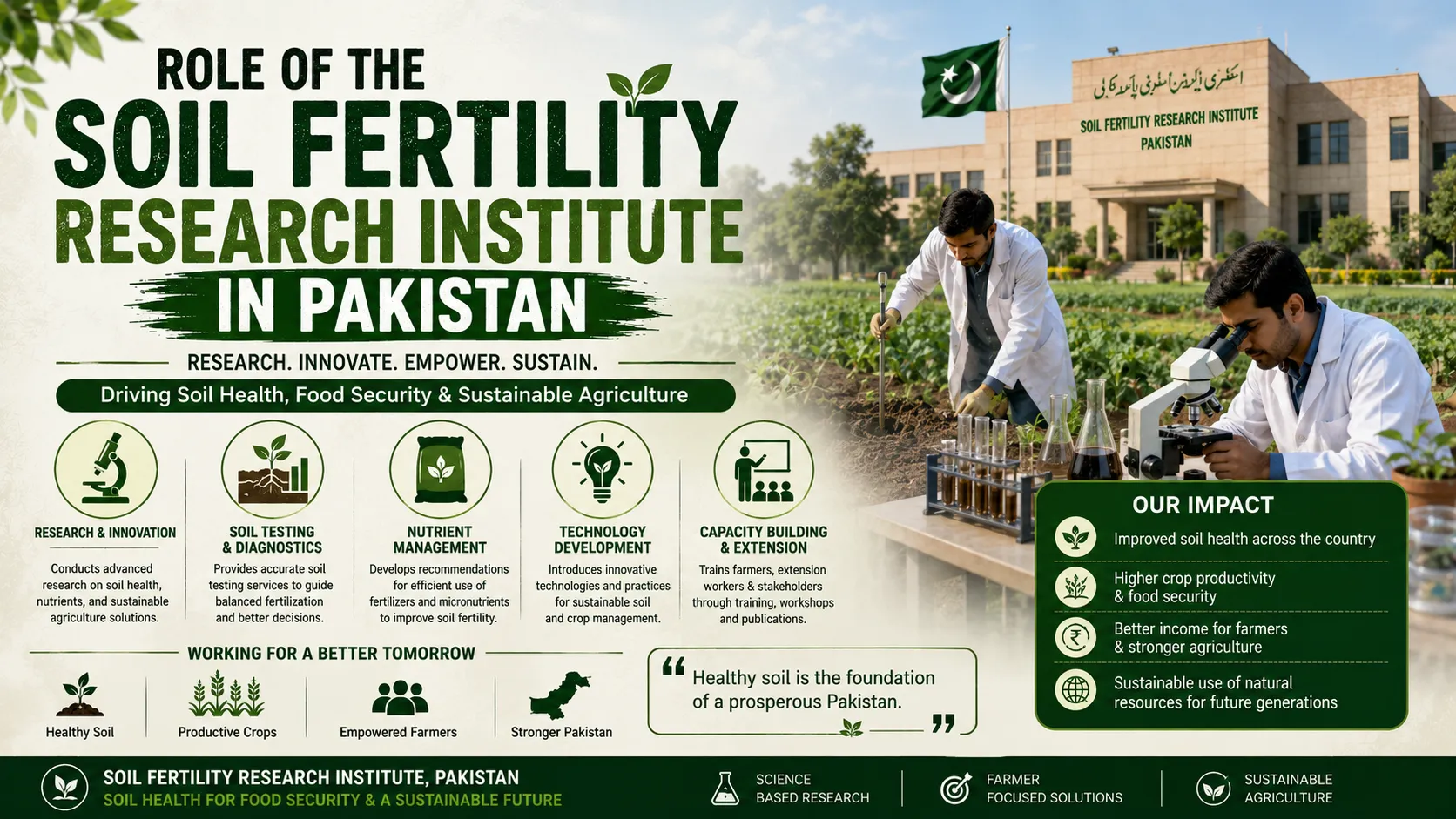
The Soil Fertility Research Institute (SFRI) plays a central role in improving soil health across Pakistan.
It provides soil testing, nutrient analysis, and region-specific fertilizer recommendations. This helps professionals move away from guess-based decisions toward data-driven farming.
You can explore regional soil programs and resources through Pakistan’s agriculture departments here: For professionals, integrating SFRI testing into routine advisory work is one of the fastest ways to improve outcomes.
Practical Strategies to Improve Soil Fertility in Pakistan
Balanced Fertilization: The Foundation of Soil Health
In many areas, fertilizer use is heavily focused on nitrogen. However, improving soil fertility Pakistan requires balanced nutrient management.
A proper nutrient balance supports:
- Healthy plant growth
- Strong root systems
- Better stress resistance
Field data shows that balanced fertilization can improve yields by 20–30% within two seasons, especially when guided by soil testing.
Organic Matter: The Missing Link in Pakistani Soils
If there’s one factor most consistently ignored, it’s organic matter. In central Punjab, farms that incorporated crop residues and farmyard manure (FYM) showed clear improvements within two cropping cycles.
Soil became more workable, retained water better, and produced more stable yields. Organic matter is not a quick fix, but it’s one of the most reliable long-term solutions.
Crop Rotation: Restoring Natural Soil Balance
Continuous wheat-rice cycles put constant pressure on soil nutrients. Introducing legumes helps restore nitrogen naturally. Farmers in South Punjab who adopted crop rotation have reduced their dependence on fertilizer while maintaining productivity.
Managing Salinity: A Critical Issue in Pakistan
Salinity remains a serious challenge, particularly in Sindh and southern Punjab. Poor irrigation practices often accelerate the problem. Effective management requires drainage, gypsum application, and controlled irrigation. When applied together, these can significantly restore soil productivity.
Real Case Study: Wheat Farm Improvement in Multan
A commercial wheat farm in Multan faced declining yields despite increasing fertilizer use. After soil testing and proper intervention:
- Balanced fertilization replaced nitrogen-heavy input
- Organic matter (FYM) was introduced
- Zinc deficiency was corrected
Within two seasons, wheat yield improved from approximately 2.4 tons/acre to 3.1 tons/acre, an increase of nearly 29%, while fertilizer costs became more efficient. This is a practical example of how improving soil fertility Pakistan directly impacts profitability.
Soil Fertility Management Table (Quick Overview)
Soil Problem | Recommended Solution | Expected Result |
Nitrogen deficiency | Balanced fertilization | Improved plant growth |
Low organic matter | Compost / FYM | Better soil structure |
Salinity | Gypsum + drainage | Reduced salt stress |
Micronutrient issues | Zinc/boron application | Enhanced crop quality |
Key Strategy for Agricultural Professionals
For professionals, success in soil fertility management depends on consistent execution, not just knowledge. The most effective approach is simple but powerful: make soil testing routine, educate farmers about long-term soil health, and monitor results every season. This shift from reactive to scientific farming is what separates average outcomes from high productivity systems.
Common Mistakes That Damage Soil Fertility
Some of the most damaging mistakes still seen across farms include:
- Applying fertilizers without soil testing
- Over-reliance on chemical fertilizers
- Ignoring micronutrients
- Excessive irrigation causes nutrient loss
These mistakes often go unnoticed until yields begin to decline.
Future of Soil Fertility in Pakistan
Agriculture in Pakistan is gradually moving toward more sustainable and technology-driven practices. Precision farming, soil data analytics, and biofertilizers are becoming more relevant. Professionals who adapt early will not only improve yields but also reduce long-term input costs.
FAQs
What is the biggest issue affecting soil fertility in Pakistan?
Nutrient imbalance and low organic matter are the most significant problems.
How quickly can soil fertility be improved?
With proper management, improvements can be seen within 1–2 cropping seasons.
Why is soil testing important?
It identifies exact nutrient deficiencies, allowing accurate and cost-effective fertilizer use.
Which organization provides soil testing in Pakistan?
The Soil Fertility Research Institute (SFRI) offers soil testing and expert recommendations.
Conclusion
Improving soil fertility in Pakistan is not about using more inputs; it’s about using the right approach. By combining research-based insights, real field experience, and sustainable practices, soil productivity can be restored effectively. In simple terms: understand your soil, manage it scientifically, and stay consistent.



Chemical Free Farming Pakistan: A Practical Guide for Healthier Crops and Sustainable Agriculture
Jump To Chemical Free Farming Pakistan: A Practical Guide for

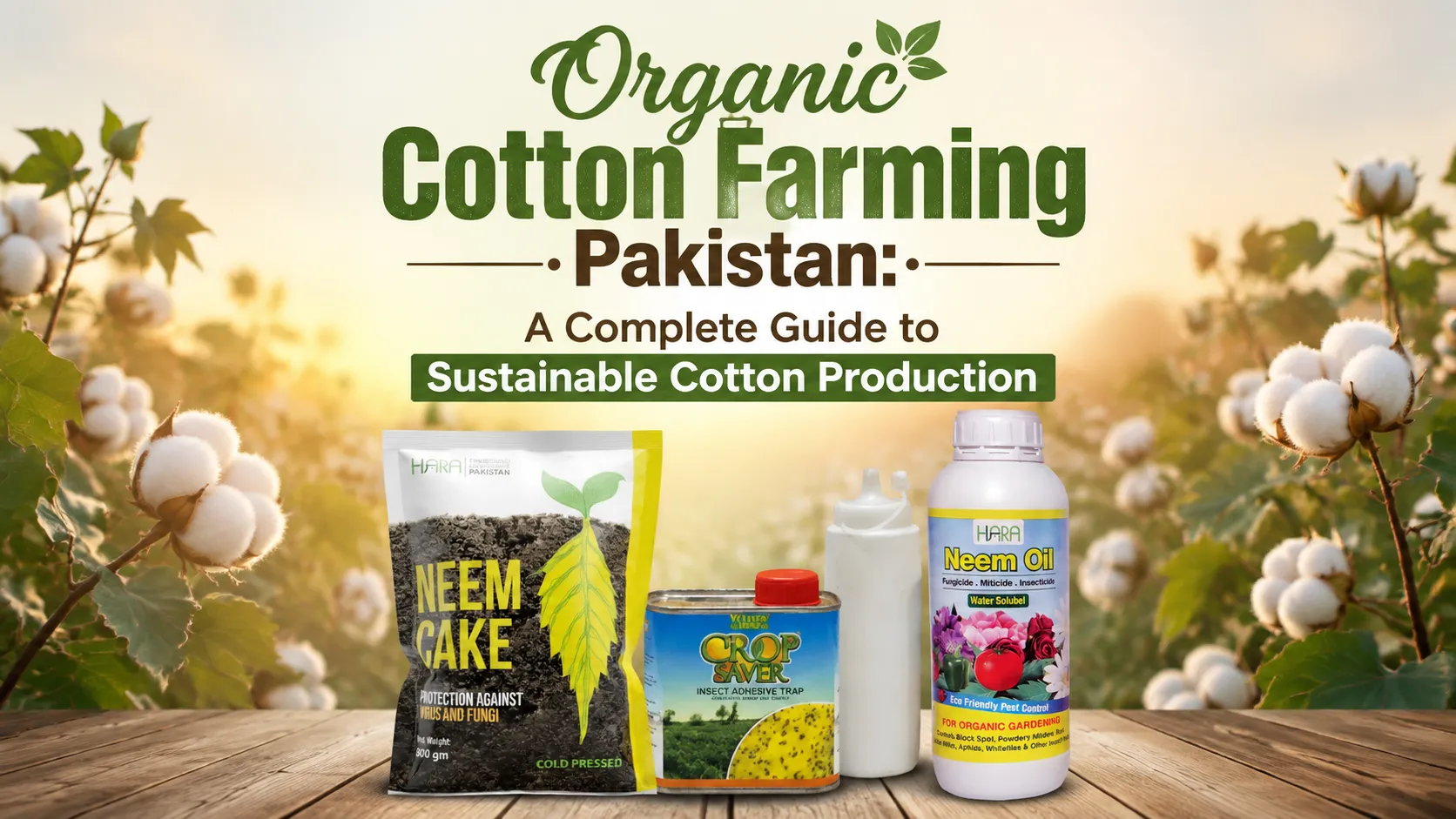
Organic Cotton Farming Pakistan: A Complete Guide to Sustainable Cotton Production
Jump To Organic Cotton Farming Pakistan: A Complete Guide to

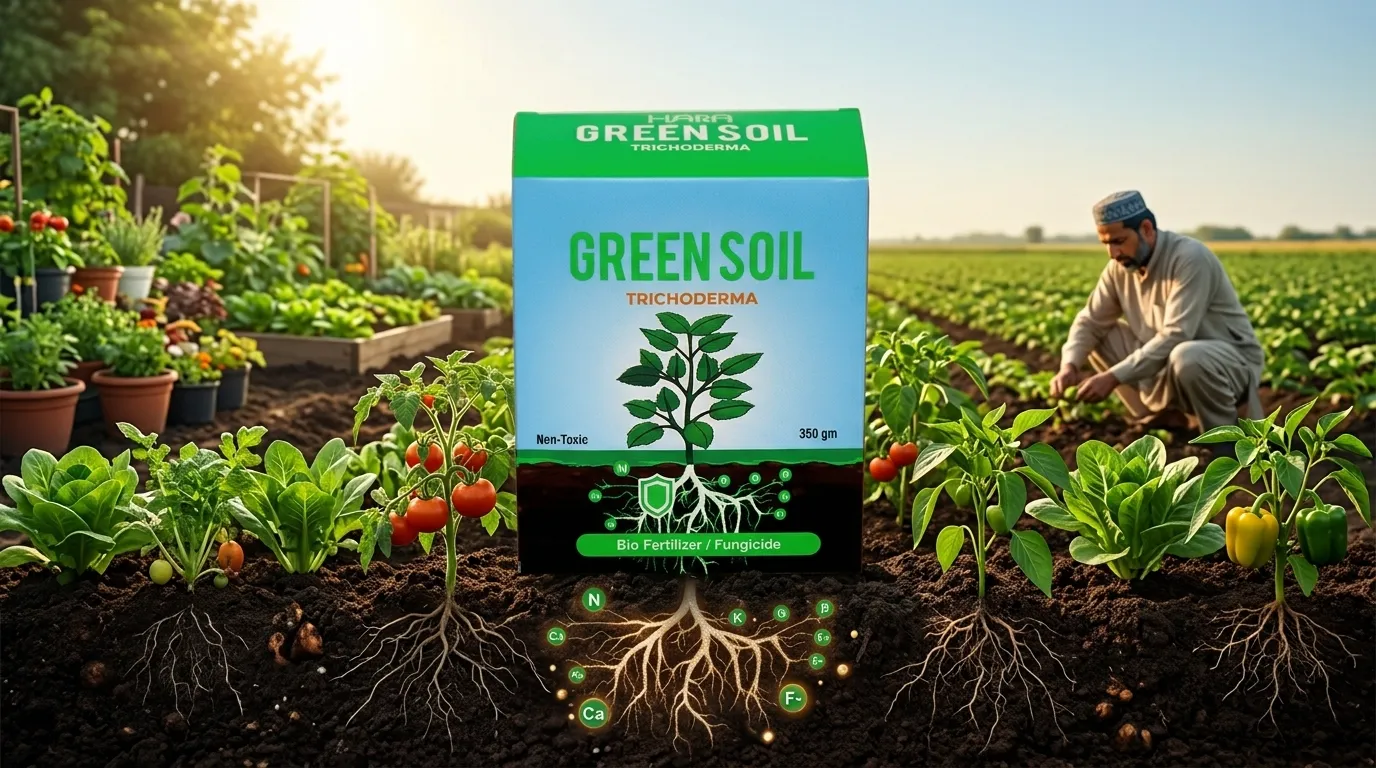
Green Soil Plant Growth: A Complete Guide to Better Soil Health and Stronger Plant Growth
Jump To Green Soil Plant Growth: A Complete Guide to

Best Neem Oil for Plants in Pakistan – Complete Guide to Hara Neem Oil
Jump To Best Neem Oil for Plants in Pakistan –

Comments (1)
Comments are closed.
[…] crops such as wheat, rice, maize, cotton, and sugarcane require fertile soils capable of supplying nutrients throughout the growing season. Incorporating vermicompost during […]