


Healthy crops and gardens depend on effective pest management. While chemical pesticides can provide quick results, many farmers and home gardeners in Pakistan are choosing Natural Pesticide for Plants as a safer and more sustainable alternative. Organic Pest Control methods help manage common insects while supporting healthier crops and soil.
One of the most trusted solutions is Neem Oil for Plants, known for its natural insect-management properties. Products like Hara Neem Oil, Hara Yellow Sticky, and Hara Neem Cake Organic Fertilizer can be used together as part of an integrated pest management approach for both commercial farms and home gardens.
Quick Answer: What Is a Natural Pesticide for Plants?
A Natural Pesticide for Plants is a pest control product made from naturally occurring ingredients such as plant extracts, beneficial microorganisms, or minerals.
It helps reduce harmful insects while being suitable for integrated farming systems and home gardens. Common examples include neem oil, bio pesticides, sticky traps, and biological pest control products.
What Is a Natural Pesticide for Plants?
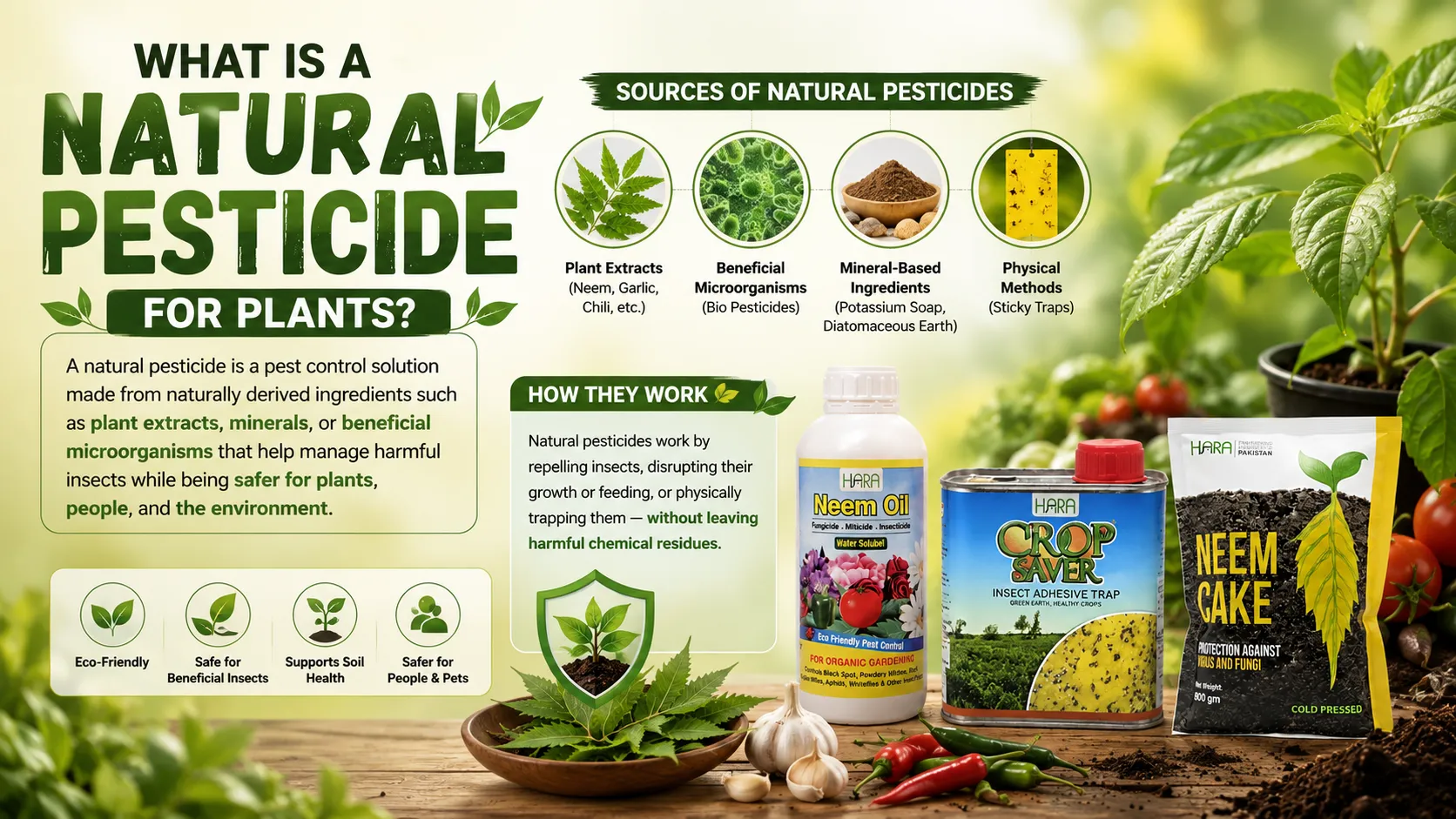
A natural pesticide is designed to discourage, repel, or control insects using ingredients derived from nature rather than relying solely on synthetic chemicals. Unlike many conventional pesticides that kill insects immediately, natural solutions often interrupt insect feeding, breeding, or growth cycles.
This approach supports healthier crop management while reducing unnecessary chemical exposure. Farmers across Pakistan are increasingly combining natural products with good agricultural practices to protect both crop productivity and soil quality.
Natural pesticides are commonly available as:
- Neem-based products
- Bio pesticides made from beneficial microorganisms
- Sticky insect traps
- Botanical plant extracts
- Biological pest control solutions
Each product has a different role, and selecting the right one depends on the crop, pest, and stage of infestation.
Why More Pakistani Farmers Are Choosing Organic Pest Control?
Agriculture in Pakistan faces continuous challenges from whiteflies, aphids, jassids, thrips, mealybugs, fruit flies, and caterpillars. Climate change, warmer temperatures, and repeated pesticide use have also contributed to pesticide resistance in many insect populations.
As a result, many growers are now shifting toward Organic Pest Control practices that focus on prevention rather than repeated chemical spraying. Natural pest management offers several practical advantages:
- It can be incorporated into Integrated Pest Management (IPM) programs.
- Beneficial insects such as ladybirds and pollinators are generally better protected when products are used correctly.
- Repeated dependence on a single chemical pesticide can be reduced.
- Soil biology remains healthier over time.
- It supports more sustainable farming and gardening practices.
For home gardeners, natural pest control is also appealing because vegetables, herbs, and fruit plants are often grown close to living areas where careful product selection matters.
How Does a Natural Insecticide for Plants Work?
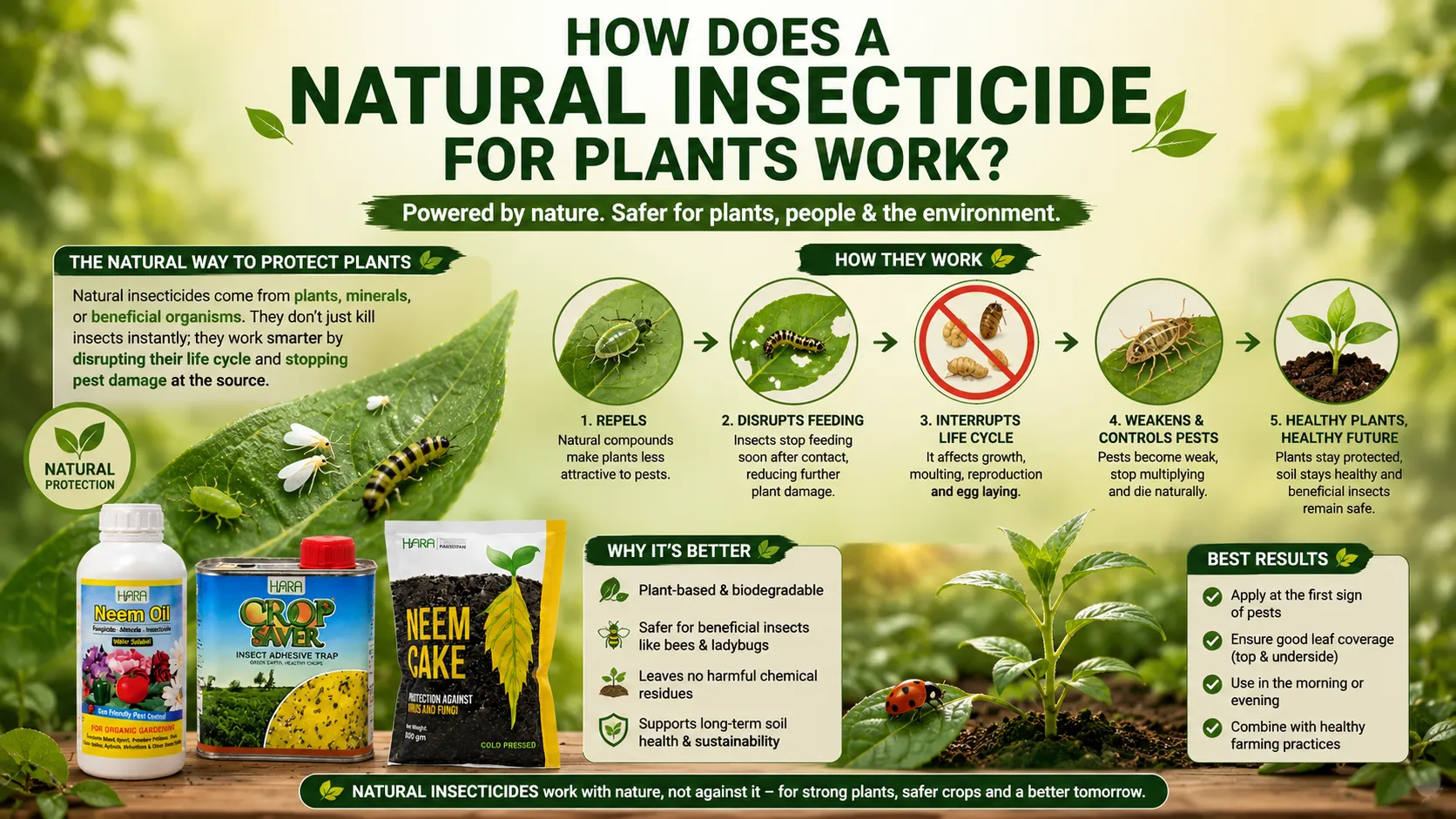
A Natural Insecticide for Plants does not always kill insects instantly. Instead, different products work in different ways depending on their active ingredients.
Neem-based products, for example, interfere with insect feeding and development. Sticky traps physically capture flying insects before they multiply. Biopesticides use naturally occurring organisms to suppress specific pests without harming crops when used according to recommendations.
Rather than depending on one product alone, experienced growers often combine monitoring, crop hygiene, biological methods, and natural pesticides for better long-term results.
Neem Oil for Plants: Why It Remains One of the Most Trusted Options
Among botanical pest control products, Neem Oil for Plants remains one of the most widely used choices for both commercial farms and home gardens.
Extracted from neem seeds, neem oil contains naturally occurring compounds that help interrupt the life cycle of many soft-bodied insects. Instead of acting as a harsh poison, it mainly reduces feeding, egg laying, and normal insect development.
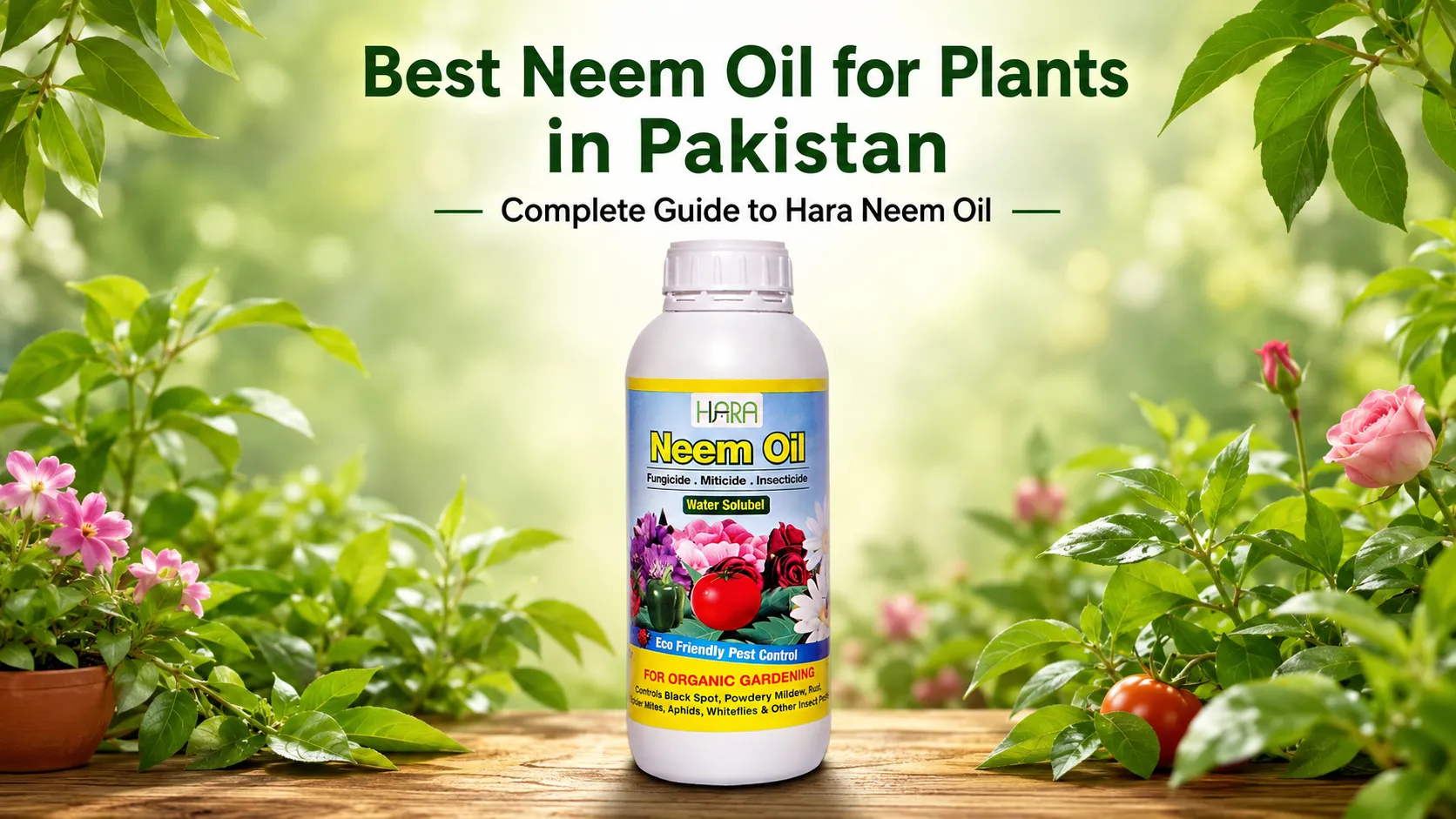
In Pakistan, Hara Neem Oil is commonly used on vegetables, fruit orchards, ornamental plants, kitchen gardens, and field crops as part of a broader pest management strategy. It is particularly useful when growers begin treatment early, before pest populations become severe.
Common Pests That Natural Pesticides Can Help Manage
Different natural products target different insect groups. Choosing the correct solution begins with identifying the pest affecting the crop.
Pest | Suitable Natural Control Option | Common Crops |
Whiteflies | Neem Oil, Yellow Sticky Traps | Cotton, Tomato, Chili |
Aphids | Neem Oil, Bio Pesticide | Vegetables, Roses |
Thrips | Neem Oil, Sticky Traps | Onion, Flowers, Chili |
Jassids | Neem Oil | Cotton, Okra |
Fruit Flies | Sticky Traps | Mango, Guava, Citrus |
Mealybugs | Neem Oil | Citrus, Ornamentals |
Using monitoring tools such as Hara Yellow Sticky allows growers to detect pest activity early and respond before infestations become widespread.
Benefits for Commercial Farmers

For commercial farming, pest control is not simply about eliminating insects it is about protecting yield, maintaining crop quality, and managing production costs.
Natural pest management supports this goal by fitting into integrated crop protection programs. Farmers growing cotton, rice, wheat, maize, sugarcane, vegetables, and fruit orchards can use natural products alongside regular field scouting to make pest management more sustainable.
Natural solutions may also reduce repeated dependence on a single class of chemical pesticides, helping address issues related to insect resistance over time. This balanced approach is increasingly recommended in modern agriculture because it combines prevention, monitoring, and targeted intervention instead of relying solely on routine chemical spraying.
Benefits for Home Gardeners
Natural pest control is equally valuable for people growing plants at home. Kitchen gardens, terrace gardens, balcony pots, lawns, and ornamental plants often face problems from aphids, whiteflies, spider mites, and other small insects.
Using natural products allows gardeners to protect vegetables, herbs, flowering plants, and fruit trees while following good gardening practices. Products such as Hara Neem Oil can be incorporated into regular plant care, while Hara Yellow Sticky helps monitor flying insects without spraying every time an insect appears.
Healthy watering practices, proper sunlight, and regular inspection remain just as important as the choice of pest control product.
Crops in Pakistan That Commonly Benefit from Natural Pest Control
Natural pest management can be useful across a wide range of crops grown in Pakistan. Cotton growers often use neem-based products and sticky traps to help manage whiteflies and jassids. Vegetable farmers growing tomato, chili, okra, brinjal, cucumber, and leafy vegetables may also include natural pest control as part of their crop protection program.
Fruit growers cultivating mango, citrus, guava, pomegranate, and grapes frequently use monitoring methods to detect insect activity before populations increase significantly. Likewise, nursery owners and ornamental plant growers benefit from regular monitoring combined with neem-based sprays where appropriate.
Home gardeners growing mint, coriander, spinach, basil, lemons, roses, jasmine, and decorative plants can also adopt natural pest management to maintain healthier plants throughout the growing season.
How to Use a Natural Pesticide for Plants Effectively
Even the best Natural Pesticide for Plants delivers the best results only when it is used correctly. Timing, proper application, and regular crop monitoring are just as important as choosing the right product. Waiting until pests have heavily damaged a crop often makes control more difficult, regardless of whether the product is natural or synthetic.
Before every application, inspect both the upper and lower surfaces of leaves because many insects, including aphids, whiteflies, and mealybugs, hide underneath the foliage. Early detection allows farmers and gardeners to control pests before populations spread rapidly.
For neem-based products, spraying during the cooler hours of the morning or late afternoon is generally preferred because strong midday sunlight may reduce effectiveness and increase evaporation. Rainy or windy conditions should also be avoided since they can wash away or disperse the spray before it reaches the target pests.
Monitoring tools such as Hara Yellow Sticky can be installed throughout the field or garden to detect flying insects early. Instead of waiting for visible crop damage, growers can observe trap activity and decide whether further action is necessary.
Healthy crop management should always combine proper irrigation, balanced nutrition, field sanitation, and pest monitoring rather than depending on a single pest control product.
Dosage Guide
The exact dosage may vary depending on the crop, pest pressure, and product formulation. Always read and follow the instructions provided on the product label.
Product | General Application | Method | When to Use |
Hara Neem Oil | Follow the label instructions | Foliar Spray | At the first sign of pest activity |
Hara Yellow Sticky | Install multiple traps according to field size | Pest Monitoring & Trapping | Throughout the growing season |
Hara Neem Cake Organic Fertilizer | Apply as recommended on the label | Soil Application | Before planting or during crop growth |
For commercial farms, application frequency depends on pest pressure, weather conditions, and crop stage. Home gardeners should inspect plants regularly and repeat applications only when necessary rather than spraying on a fixed schedule.
Best Time to Apply Natural Pest Control Products
Natural pest management is most successful when products are applied before pest populations become severe. Waiting until insects have caused significant crop damage usually requires more intensive management.
For field crops such as cotton, vegetables, and pulses, regular scouting should begin soon after crop establishment. Fruit orchards should be inspected throughout flowering and fruit development, while kitchen gardens benefit from weekly plant inspections.
Neem-based sprays generally perform better when insects are young and actively feeding. Sticky traps should be installed before pest populations peak so they can serve as an early warning system rather than only capturing insects after heavy infestations have already developed.
Choosing the Right Natural Pest Control Solution
Different products solve different problems. Some control insects directly, while others improve soil health or help monitor pest activity. Using the right product for the right purpose is more effective than relying on one solution for every situation.
Product | Best For | Advantages | Limitations |
Hara Neem Oil | Soft-bodied insects such as aphids, whiteflies, jassids and thrips | Botanical, suitable for IPM programs, widely used in farms and home gardens | Works best with early application and good coverage |
Hara Yellow Sticky | Flying insects including whiteflies, leaf miners and aphids | Chemical-free monitoring, easy to install, supports early detection | Does not control insects hiding inside leaves or soil |
Hara Neem Cake Organic Fertilizer | Soil improvement and healthier root zones | Improves soil organic matter and supports plant growth while contributing to integrated pest management | Not a direct insecticide for existing infestations |
BT (Bacillus thuringiensis) | Caterpillars and leaf-eating larvae | Selective biological control with minimal impact on beneficial insects | Effective only against specific caterpillar species |
Potassium Soap (Insecticidal Soap) | Aphids, mealybugs and mites | Suitable for many home gardens and ornamental plants | Requires direct contact with insects and repeated applications |
Garlic & Chili Extract Sprays | Mild pest pressure in home gardens | Easy to prepare and inexpensive | Short residual effect and limited performance during heavy infestations |
This comparison shows that no single product is suitable for every pest. Combining monitoring, botanical products, biological solutions, and healthy crop management usually provides the most sustainable results.
Common Problems That Natural Pest Control Helps Address
Many growers assume natural products are useful only after pests become visible. In reality, they are most effective when included as part of a preventive crop management plan.
Natural pest management can help reduce problems such as frequent whitefly outbreaks in cotton, aphid infestations in vegetables, thrips damage in onion and chili crops, mealybugs on fruit trees, and flying insect populations in nurseries.
It also supports healthier growing conditions by encouraging growers to monitor crops regularly rather than spraying pesticides unnecessarily. When combined with crop rotation, proper sanitation, balanced fertilization, and irrigation management, natural pest control becomes an important component of sustainable agriculture.
Best Practices for Better Results
To achieve consistent results, keep these practical recommendations in mind:
- Inspect crops regularly and begin treatment at the earliest signs of pest activity instead of waiting for severe infestations.
- Store products in their original containers in a cool, dry place away from direct sunlight, food items, and the reach of children and animals.
Common Mistakes to Avoid
One of the biggest mistakes growers make is assuming that natural products act immediately like many synthetic pesticides. Botanical and biological products often require proper timing and repeated monitoring to deliver the best results.
Another common mistake is spraying without correctly identifying the pest. Different insects respond to different control methods, so proper identification is essential before choosing a product.
Overapplication is another issue. Applying more than the recommended amount does not necessarily improve results and may waste product. Similarly, poor spray coverage, especially on the underside of leaves where many insects hide, can reduce effectiveness.
Finally, relying on a single product season after season is rarely the best approach. Integrated Pest Management (IPM), which combines monitoring, cultural practices, and appropriate pest control products, remains one of the most effective long-term strategies for Pakistani farmers and home gardeners.
Related Hara Organic Products You May Also Consider
Depending on your crop and pest management needs, these Hara Organic Pakistan products can be used as part of a complete plant health program:
- Hara Neem Oil: A botanical solution for managing common sucking and chewing insects on field crops, vegetables, fruit trees, and home gardens.
- Hara Yellow Sticky: Designed to monitor and trap flying pests such as whiteflies, aphids, leaf miners, and fungus gnats before populations increase.
- Hara Neem Cake Organic Fertilizer: An organic soil amendment that improves soil fertility, supports root development, and complements integrated crop management practices.
Together, these products provide a more balanced approach to crop protection by combining pest monitoring, natural insect management, and improved soil health.
Pakistani Market Alternatives
If you’re comparing products before making a decision, several natural pest control options are available in Pakistan. Each has a different role depending on the crop, pest, and farming system.
- Neem-Based Bio Pesticides: Suitable for managing soft-bodied insects such as aphids, whiteflies, jassids, and thrips.
- Bacillus thuringiensis (BT): Best suited for caterpillars and leaf-eating larvae on vegetables and fruit crops.
- Potassium Soap (Insecticidal Soap): Often used in home gardens for aphids, mites, and mealybugs through direct contact.
- Sticky Traps (Yellow or Blue): Useful for monitoring and reducing populations of flying insects in nurseries, greenhouses, and open fields.
- Garlic and Chili Botanical Sprays: Commonly used by home gardeners for light pest pressure, though they generally require more frequent applications.
- Beneficial Insects: Ladybirds, lacewings, and parasitic wasps naturally help reduce aphids, whiteflies, and other harmful insects in balanced ecosystems.
Rather than choosing a single solution, many experienced Pakistani farmers combine these methods with proper field hygiene, crop rotation, and regular monitoring to achieve better long-term pest management.
Frequently Asked Questions
Is a Natural Pesticide for Plants effective against all pests?
No. A Natural Pesticide for Plants is effective against certain insects depending on the product and active ingredients. Neem oil, sticky traps, and bio pesticides each target different pests, so identifying the pest before treatment is important.
Is Neem Oil for Plants safe for home gardens?
Yes, when used according to the product label. Neem Oil for Plants is widely used in kitchen gardens, terrace gardens, balconies, ornamental plants, and fruit trees as part of an integrated pest management program.
What is the difference between a Bio Pesticide and a chemical pesticide?
A Bio Pesticide is made from naturally occurring organisms or plant-based ingredients, while chemical pesticides are synthetic formulations. Bio pesticides are commonly used in sustainable farming and Integrated Pest Management (IPM) programs.
Which crops in Pakistan benefit most from natural pest control?
Natural pest control can be used on many crops, including cotton, tomato, chili, okra, cucumber, brinjal, onion, citrus, mango, guava, grapes, and ornamental plants. Home gardeners also use these products for herbs, flowers, and indoor plants.
Can I use Hara Neem Oil with Hara Yellow Sticky?
Yes. These products serve different purposes and can complement each other. Hara Yellow Sticky helps monitor and trap flying insects, while Hara Neem Oil is used to manage insect populations on plants. Always follow the label instructions before use.
Does Hara Neem Cake Organic Fertilizer control insects?
Its primary purpose is to improve soil health and support plant growth. While neem cake may contribute to an integrated pest management program, it should not be considered a direct replacement for products specifically designed to manage active insect infestations.
When should I apply a Natural Insecticide for Plants?
The best time is when pests first appear or when monitoring indicates increasing insect activity. Early application usually provides better results than waiting until the infestation becomes severe.
Can natural pesticides replace chemical pesticides completely?
Not always. For severe infestations, growers may still need additional pest management strategies. Many Pakistani farmers successfully combine natural products with other recommended agricultural practices as part of an Integrated Pest Management (IPM) program.
Are natural pesticides suitable for organic farming?
Many natural pest control products are commonly used in organic and sustainable farming systems. However, growers should always check whether a specific product meets the certification requirements of their organic production program.
How can I reduce pest problems naturally?
Regular crop inspection, healthy soil management, crop rotation, field sanitation, proper irrigation, sticky traps, biological control, and neem-based products all help reduce pest pressure naturally without relying solely on chemical pesticides.
Conclusion
Choosing the right Natural Pesticide for Plants helps protect crops while supporting healthier and more sustainable farming. Solutions such as Neem Oil for Plants, Bio Pesticides, sticky traps, and organic soil amendments each have a role in effective pest management.
Products like Hara Neem Oil, Hara Yellow Sticky, and Hara Neem Cake Organic Fertilizer can be used as part of an integrated crop protection strategy alongside regular monitoring and good farming practices.
For the best results, identify pests early, choose the right solution for your crop, and follow the recommended application guidelines. If you need expert advice on selecting the most suitable Hara Organic products for your farming or gardening needs, book an appointment for consultation with our team.
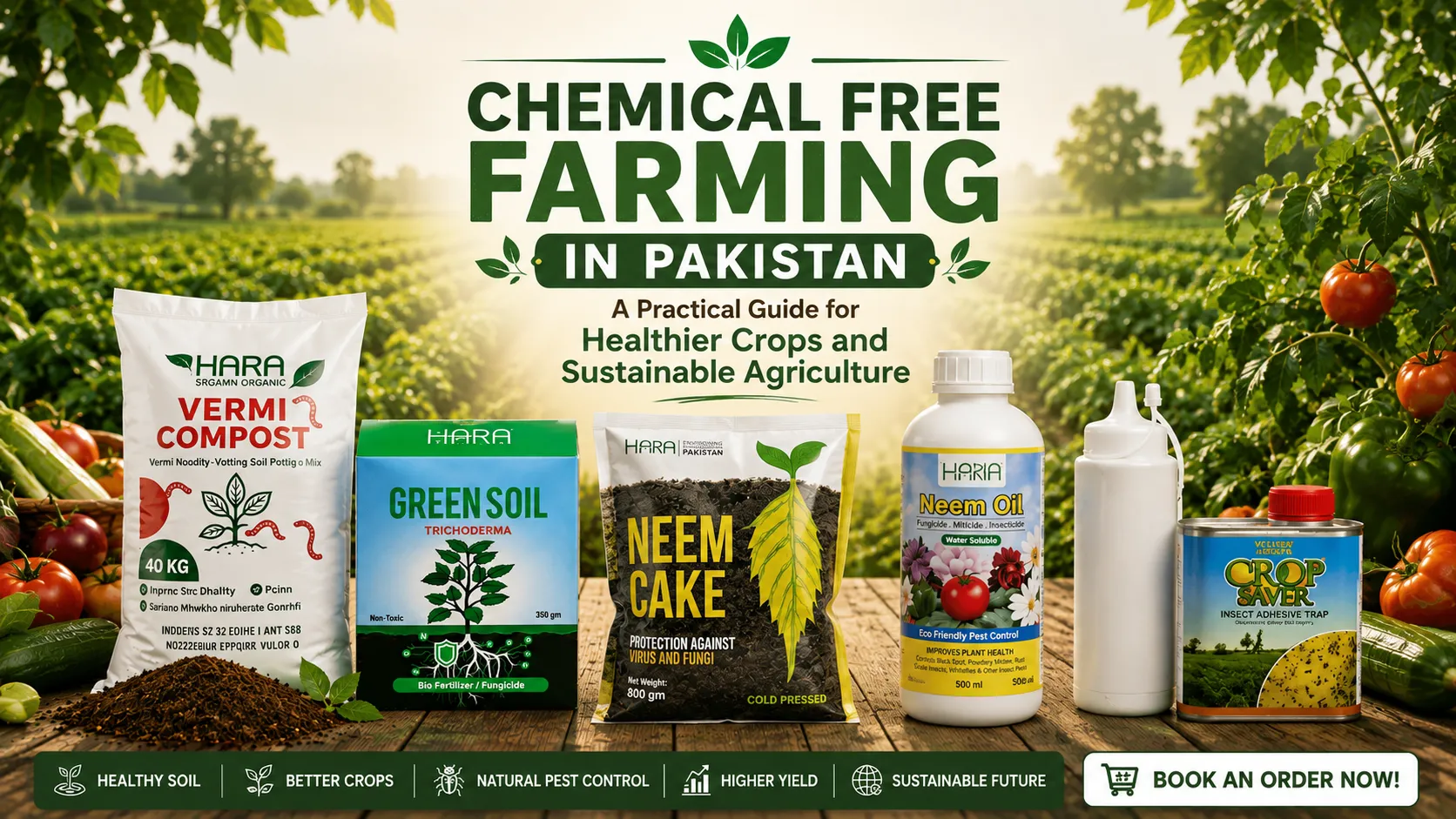

Chemical Free Farming Pakistan: A Practical Guide for Healthier Crops and Sustainable Agriculture
Jump To Chemical Free Farming Pakistan: A Practical Guide for
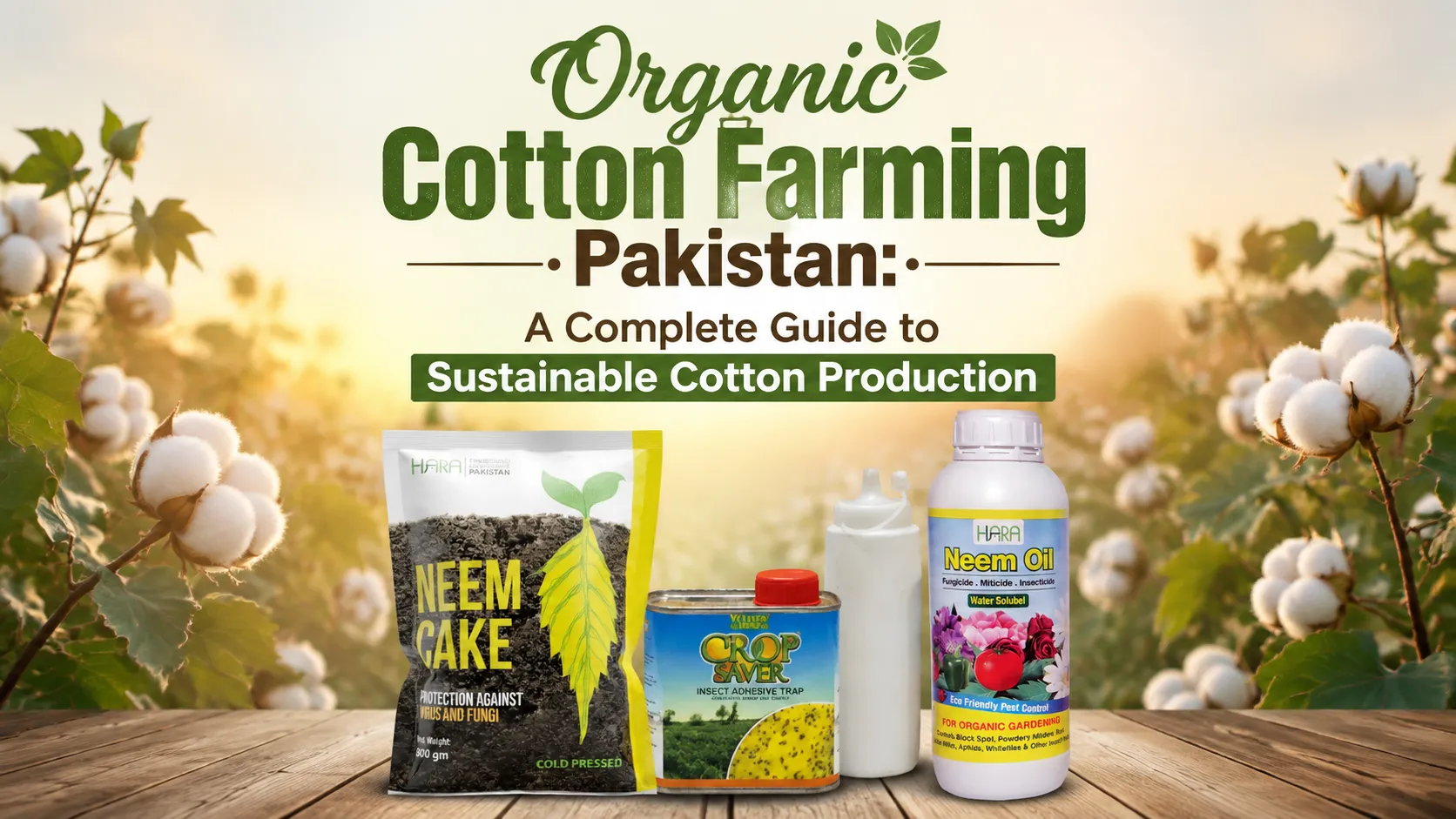
Organic Cotton Farming Pakistan: A Complete Guide to Sustainable Cotton Production
Jump To Organic Cotton Farming Pakistan: A Complete Guide to

Green Soil Plant Growth: A Complete Guide to Better Soil Health and Stronger Plant Growth
Jump To Green Soil Plant Growth: A Complete Guide to
Best Neem Oil for Plants in Pakistan – Complete Guide to Hara Neem Oil
Jump To Best Neem Oil for Plants in Pakistan –
