


Soil health is the backbone of sustainable agriculture, nutritious food production, and environmental balance. Soil is far more than simple dirt; it is a complex living ecosystem filled with microorganisms, fungi, insects, earthworms, and organic matter that continuously interact with one another. This interconnected biological system is known as the Soil Food Web.
A healthy soil ecosystem supports plant growth naturally, improves fertility, and helps farms remain productive for future generations.
What is the Soil Food Web?
The Soil Food Web refers to the natural relationship between plants, bacteria, fungi, protozoa, nematodes, insects, earthworms, and organic matter living within the soil. Each organism performs a specific role in decomposing organic material, recycling nutrients, improving soil structure, and maintaining overall soil fertility.
When the soil food web remains balanced and active:
- Plants grow stronger and healthier
- Disease resistance improves naturally
- Water retention increases
- Nutrient availability becomes more efficient
- Soil structure becomes loose and fertile
- Dependence on chemical fertilizers decreases
Healthy biological activity creates a self-sustaining soil environment that supports long-term agricultural productivity.
Ideal Structure of Healthy Soil
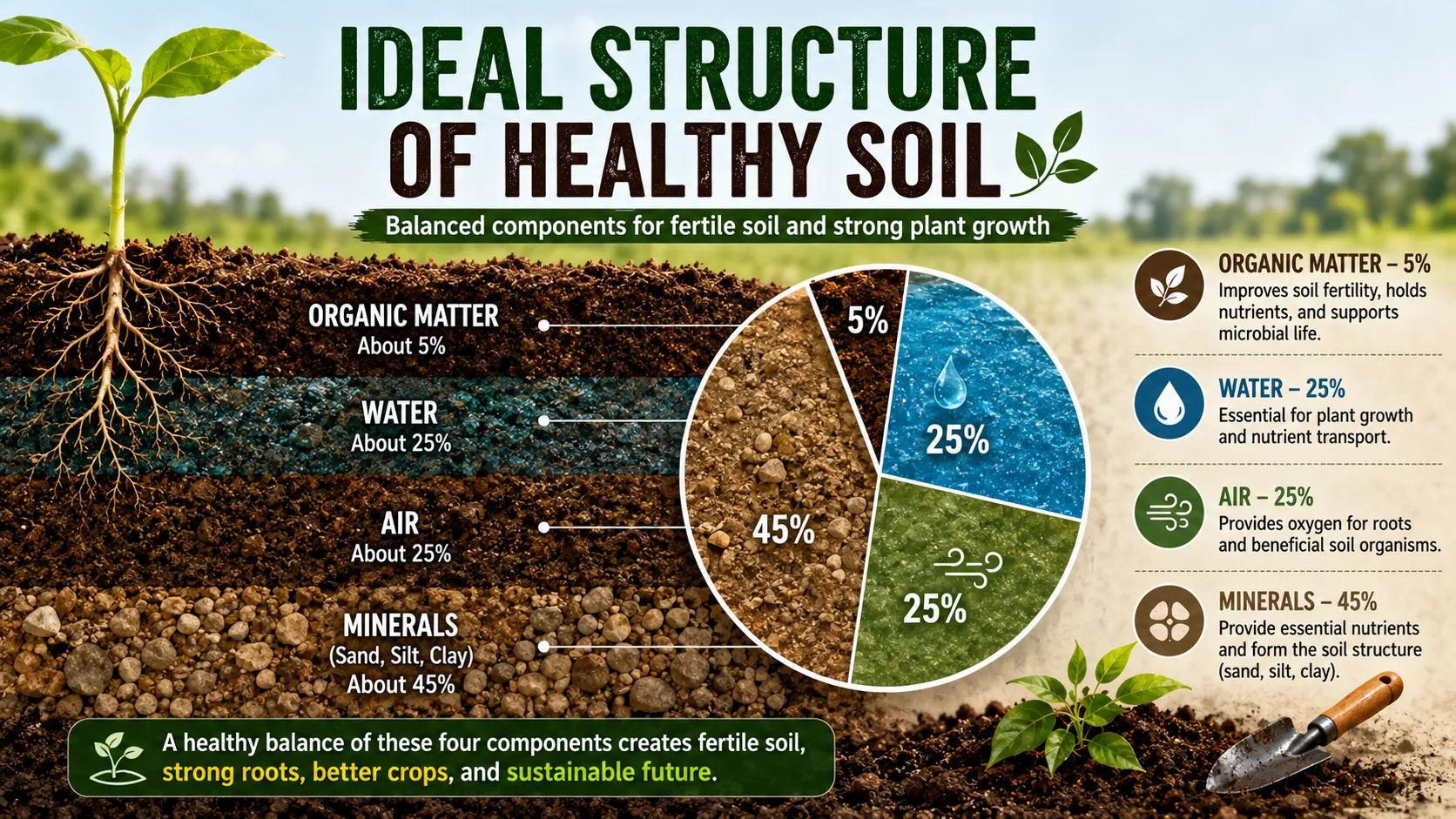
Productive agricultural soil usually contains four major components:
- Minerals (sand, silt, and clay): approximately 45%
- Water: approximately 25%
- Air: approximately 25%
- Organic Matter: approximately 5%
Although organic matter forms only a small percentage of soil composition, it plays a major role in controlling soil fertility, microbial life, and nutrient cycling.
Why Organic Matter is Important
Organic matter is one of the key indicators of soil health. It acts like a natural sponge that stores moisture and nutrients while supporting beneficial microbial activity.
Benefits of High Organic Matter
- Improved moisture retention
- Better soil aeration
- Increased microbial populations
- Reduced soil erosion
- Slow and steady nutrient release
- Stronger root development
Soils with low organic matter often become compacted, less fertile, and biologically weak, resulting in poor crop performance over time.
Role of Soil Microorganisms in Plant Growth
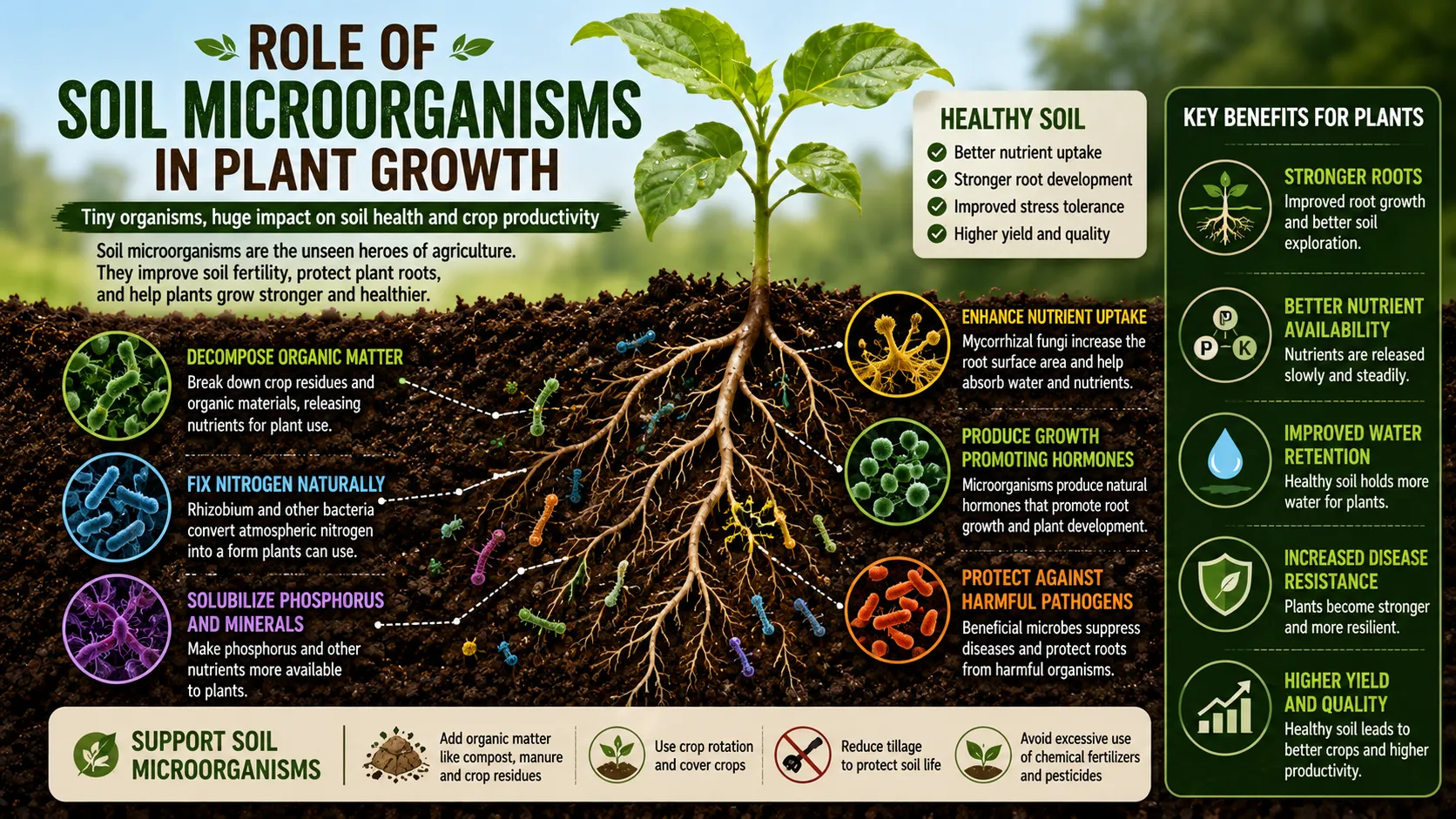
Healthy soil contains millions, sometimes billions, of beneficial microorganisms in every gram. These microscopic organisms perform essential biological functions that directly support plant health.
Important Functions of Soil Microorganisms
- Breaking down organic residues
- Fixing atmospheric nitrogen naturally
- Solubilizing phosphorus and minerals
- Producing plant growth hormones
- Protecting plant roots from harmful pathogens
Without active microbial life, soil gradually loses its natural fertility and becomes increasingly dependent on synthetic chemical inputs.
Natural Ways to Improve Organic Matter
Organic matter and soil biology can be improved through sustainable and biological farming practices.
Vermicompost
Vermicompost is produced using earthworms and organic waste materials. It is rich in beneficial microbes, enzymes, humic substances, and plant nutrients. Regular application improves soil structure, root development, and microbial diversity.
Biogas Slurry Compost
Biogas slurry compost contains partially digested organic nutrients and active microbial populations. It enhances soil fertility, improves nutrient availability, and stimulates biological activity in the soil.
Bio Khad
Bio Khad is a biological organic fertilizer prepared from natural nutrient sources and beneficial microorganisms. It supports long-term soil fertility and strengthens the soil food web naturally.
Additional Practices for Healthy Soil
Farmers can further improve soil health through practices such as:
- Crop residue incorporation
- Mulching
- Cover cropping
- Compost application
- Reduced tillage
- Agroforestry systems
- Regenerative farming methods
These practices help conserve moisture, increase biodiversity, and improve long-term soil sustainability.
Harmful Effects of Excessive Chemical Fertilizers
Continuous and excessive use of chemical fertilizers can damage soil health over time. While chemical inputs may provide rapid plant growth initially, they often weaken the biological fertility of soil in the long run.
Negative Effects Include
- Reduction of beneficial microorganisms
- Decline in organic matter content
- Soil compaction
- Increased salinity and acidity
- Reduced water-holding capacity
- Greater dependency on external inputs
Over time, soil becomes less biologically active and naturally less productive.
Soil Biology and Sustainable Agriculture
Modern sustainable farming increasingly focuses on restoring soil biology and improving organic matter levels. Healthy living soil not only supports crop production but also contributes to climate resilience, water conservation, and long-term food security.
Farmers who invest in biological soil management often experience:
- Improved crop resilience
- Better drought tolerance
- Reduced fertilizer costs
- Enhanced soil fertility
- More sustainable agricultural systems
Frequently Asked Questions (FAQs)
What is the Soil Food Web?
The Soil Food Web is the natural interaction between microorganisms, fungi, insects, earthworms, plants, and organic matter within the soil. These organisms work together to recycle nutrients, improve soil fertility, and support healthy plant growth.
Why is soil health important for agriculture?
Healthy soil improves crop productivity, water retention, nutrient availability, and disease resistance. It also reduces dependence on chemical fertilizers and supports sustainable farming systems.
How does organic matter improve soil health?
Organic matter improves moisture retention, soil aeration, microbial activity, and nutrient storage. It also helps create better soil structure and promotes stronger root development.
What are the benefits of vermicompost?
Vermicompost increases beneficial microorganisms, improves soil fertility, enhances root growth, and supplies essential nutrients naturally. It also improves soil structure and water-holding capacity.
Can chemical fertilizers damage soil?
Excessive use of chemical fertilizers can reduce beneficial microbial populations, lower organic matter levels, increase soil salinity, and weaken long-term soil fertility.
How can farmers improve soil fertility naturally?
Farmers can improve soil fertility naturally through practices such as compost application, vermicompost, mulching, crop rotation, cover cropping, reduced tillage, and biological fertilizers like Bio Khad.
What role do soil microorganisms play in plant growth?
Soil microorganisms help decompose organic matter, fix nitrogen, release nutrients, produce plant growth hormones, and protect roots from harmful pathogens.
What is the ideal composition of healthy soil?
Healthy soil generally contains about 45% minerals, 25% water, 25% air, and 5% organic matter. This balance supports proper plant growth and biological activity.
How does sustainable farming protect soil health?
Sustainable farming practices improve biodiversity, increase organic matter, conserve moisture, reduce erosion, and strengthen the natural soil ecosystem over time.
Why is the soil food web important for sustainable agriculture?
A healthy soil food web improves nutrient cycling, enhances soil fertility, supports stronger crops, and creates more resilient farming systems with lower chemical dependency.
Conclusion
The future of agriculture depends on rebuilding living soil ecosystems and protecting the soil food web. Healthy soil supports stronger crops, better nutrition, improved water management, and long-term environmental sustainability.
Natural inputs such as vermicompost, biogas slurry compost, and Bio Khad help restore soil biology, increase organic matter, and reduce dependence on harmful chemical fertilizers.
Protecting soil today means protecting food security, water resources, ecosystems, and future generations.
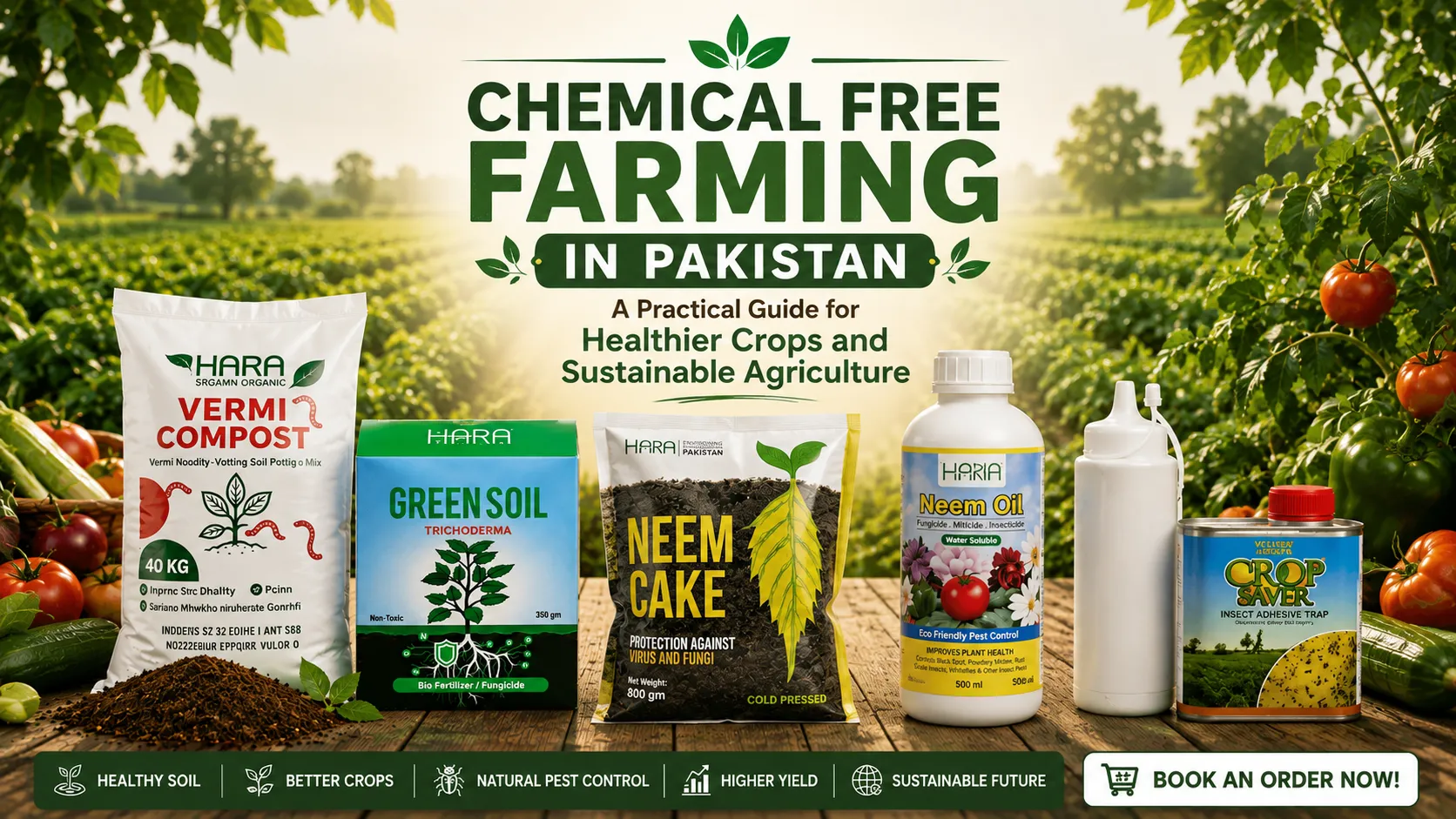
Chemical Free Farming Pakistan: A Practical Guide for Healthier Crops and Sustainable Agriculture
Jump To Chemical Free Farming Pakistan: A Practical Guide for
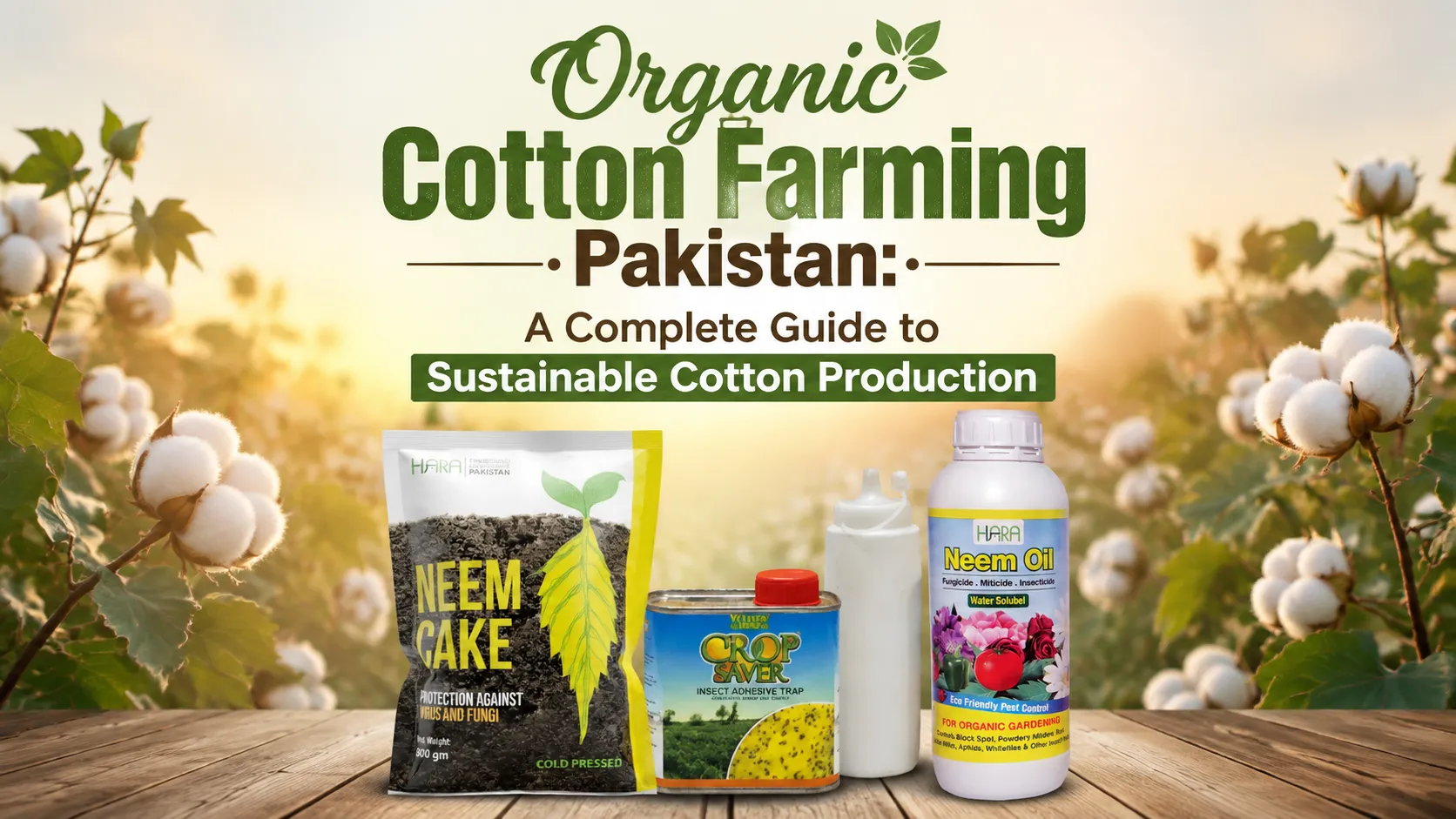
Organic Cotton Farming Pakistan: A Complete Guide to Sustainable Cotton Production
Jump To Organic Cotton Farming Pakistan: A Complete Guide to
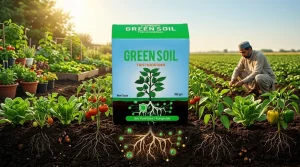
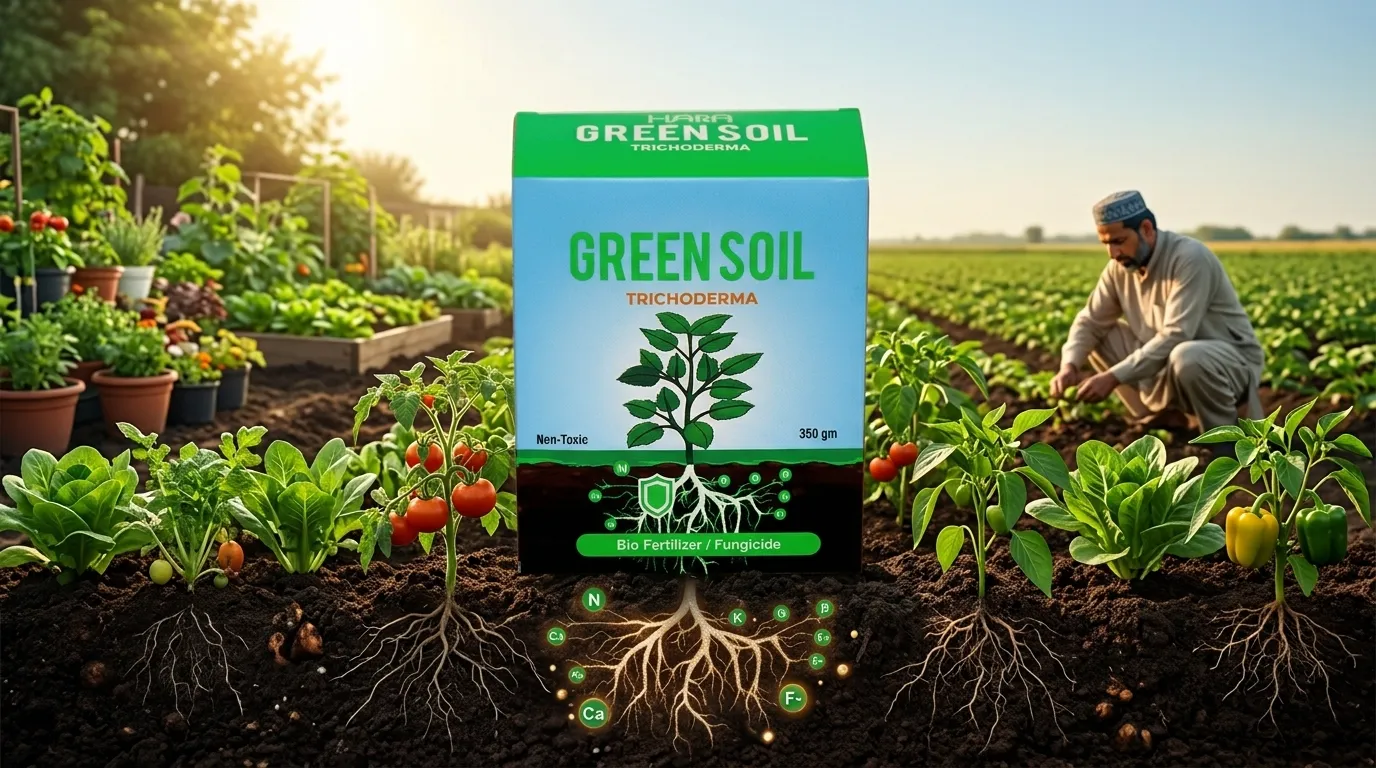
Green Soil Plant Growth: A Complete Guide to Better Soil Health and Stronger Plant Growth
Jump To Green Soil Plant Growth: A Complete Guide to
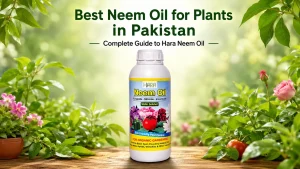
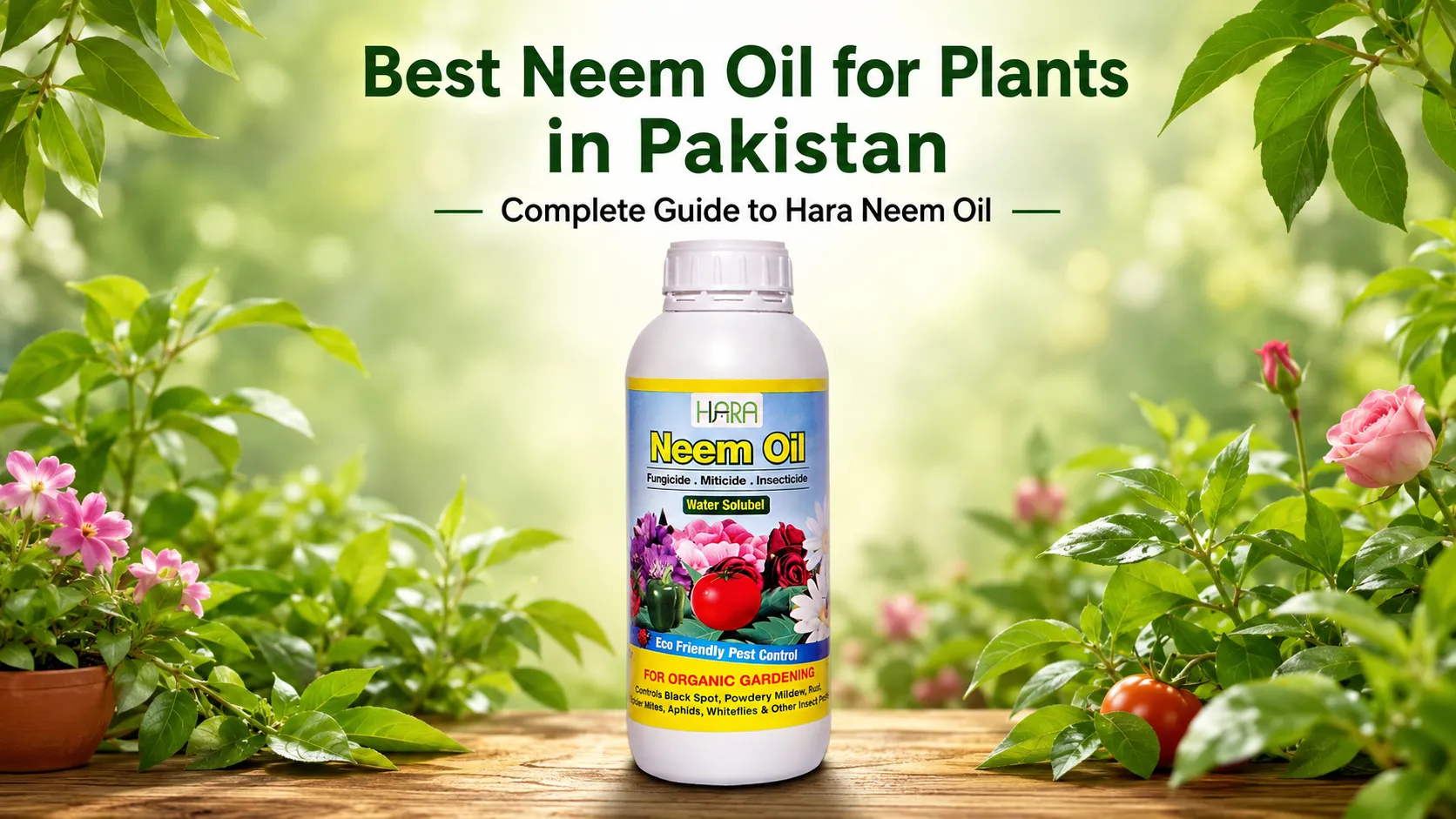
Best Neem Oil for Plants in Pakistan – Complete Guide to Hara Neem Oil
Jump To Best Neem Oil for Plants in Pakistan –

Comments (5)
Comments are closed.
[…] a soil improvement product correctly is important because soil conditions vary from farm to farm, garden to garden, and even from one pot to another. The effectiveness of […]
[…] a single method throughout the season. Successful cotton pest control usually combines monitoring, healthy soil management, preventive practices, and appropriate treatments instead of depending on one product […]
[…] successful cotton farming Pakistan. Cotton grows well in fertile, well-drained loam and clay loam soils with good organic matter. The ideal soil […]
[…] Good soil preparation is one of the most important factors for successful tree establishment. Prepare the planting soil using the following mixture: […]
[…] conventional fungicides that focus only on pathogen suppression, Green Soil provides complete Soil Health Improvement by enhancing beneficial microbial activity, improving nutrient availability, and supporting […]