


Organic crop farming in Pakistan is a natural farming system that grows crops without synthetic fertilizers, harmful pesticides, or genetically modified seeds. Instead of chemicals, farmers use compost, crop rotation, animal manure, and biological pest control to improve soil fertility and crop health.
Organic farming is becoming increasingly important in Pakistan because rising fertilizer prices, soil degradation, and health concerns are forcing farmers and consumers to look for safer and more sustainable agricultural methods.
Pakistan has strong potential for organic agriculture due to its fertile land, diverse climate, and large farming sector. According to agricultural experts and FAO-related sustainability reports, excessive chemical usage has reduced soil quality in several farming regions, especially in parts of Punjab and Sindh.
Organic farming offers a long-term solution by improving soil structure, reducing environmental damage, and producing healthier food products.
What is Organic Farming?
Organic farming is a farming method that uses natural processes and organic materials to grow crops while protecting the environment and human health. It avoids synthetic pesticides, chemical fertilizers, growth hormones, and genetically modified organisms (GMOs).
The main purpose of organic farming is to maintain soil fertility naturally and produce safe food without harmful chemical residues.
Main Features of Organic Farming
- Uses compost and natural fertilizers instead of chemicals
- Improves soil microorganisms and biodiversity
- Avoids synthetic pesticides and herbicides
- Supports sustainable agriculture and environmental protection
- Produces healthier and chemical-free food
Organic farming is widely considered one of the safest long-term agricultural systems for both farmers and consumers.
Why is Organic Farming Important in Pakistan?
Agriculture contributes significantly to Pakistan’s economy and supports millions of rural families. According to Pakistan Bureau of Statistics data, agriculture contributes around one-fifth of the national GDP and employs a large percentage of the workforce.
However, excessive chemical farming has created serious problems such as:
- Declining soil fertility
- Water pollution
- Pest resistance
- Higher farming costs
- Health concerns related to food contamination
Organic crop farming Pakistan is becoming more important because it provides a sustainable alternative to chemical-intensive farming.
Rising Fertilizer Costs Are Changing Farming Practices
In recent years, fertilizer prices in Pakistan have increased sharply. Many farmers in South Punjab and interior Sindh are now experimenting with vermicompost and organic manure because chemical inputs are reducing profit margins.
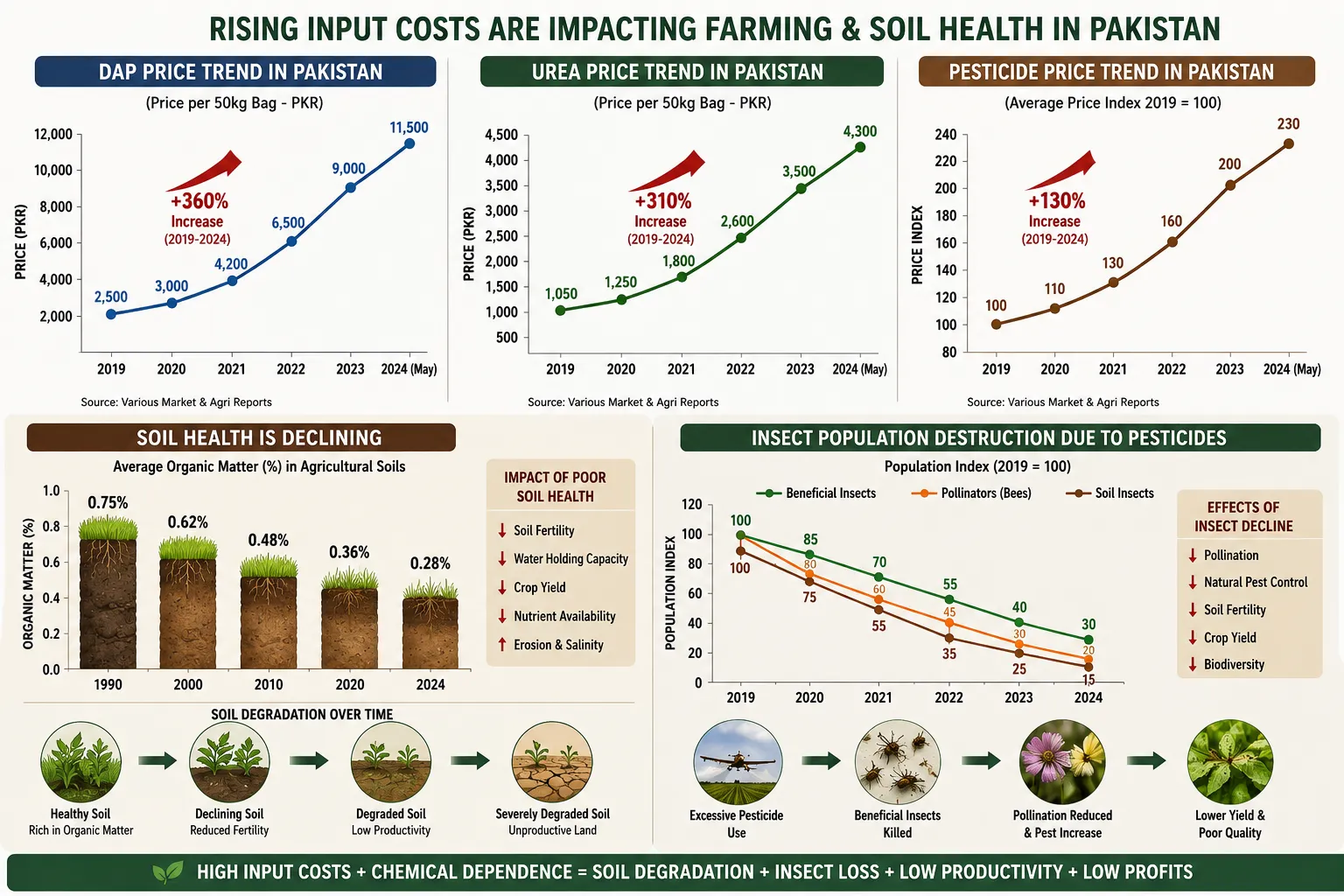
Some vegetable growers near Multan have started using farmyard manure and compost tea to reduce dependence on expensive DAP fertilizer. Farmers report that although the transition period is difficult, soil quality improves gradually over time.
Consumers Are Looking for Safer Food
Health awareness is increasing rapidly in major cities like Karachi, Lahore, and Islamabad. Families are now more concerned about pesticide residues in vegetables and fruits.
Organic food stores and online organic markets are also growing slowly in Pakistan, especially among middle-income and upper-middle-income consumers.
Which Crops Are Commonly Grown Organically in Pakistan?
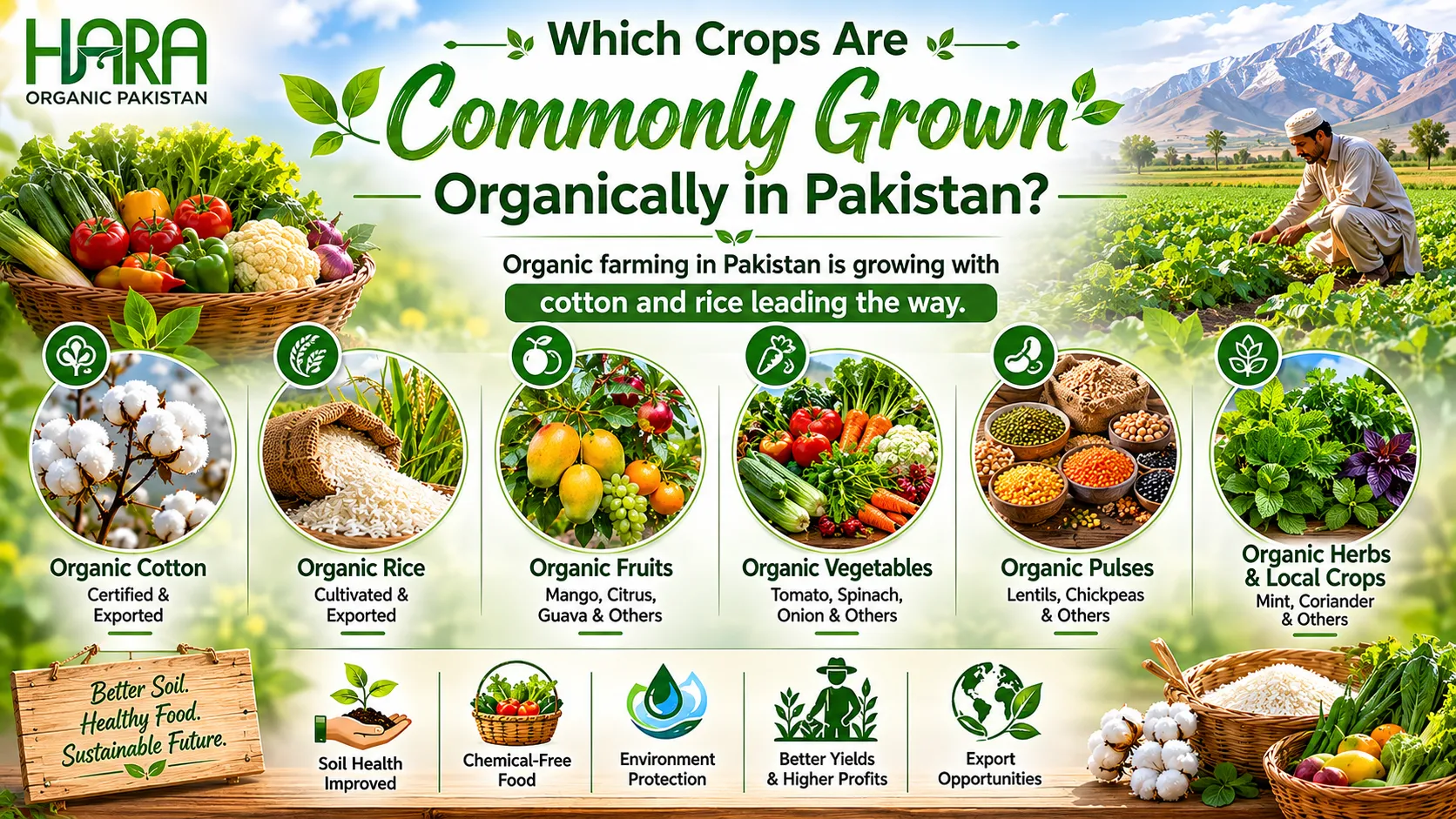
Pakistan’s climate supports a wide range of organic crops.
Common Organic Crops in Pakistan
Crop Category |
Organic Crops in Pakistan |
Cotton |
Organically certified cotton is being produced in Pakistan |
Rice |
Organic rice is being cultivated and exported internationally |
Fruits & Vegetables |
Limited organic farming initiatives |
Herbs & Local Crops |
Small-scale organic projects in selected regions |
At present, organic cotton and organic rice are the main commercially certified organic crops in Pakistan, especially for export markets. Large-scale certified organic production of other crops is still very limited in the country.
Organic Farming Potential in Pakistan
Balochistan has strong potential for organic fruit farming because many orchards use fewer chemical sprays compared to intensive farming regions.
Similarly, the northern areas of Khyber Pakhtunkhwa are suitable for organic vegetables and herbs due to cleaner water, natural farming conditions, and lower industrial pollution.
Hara Organic Pakistan Initiative
Hara Organic Pakistan is actively working to promote organic farming in Pakistan. The organization is currently developing organic farming projects in Chitral, where efforts are being made to convert local crops and fruits into organic production systems.
How Does Organic Farming Work?
Organic farming works by improving natural biological systems instead of depending heavily on synthetic chemicals.
Soil Fertility Management
Healthy soil is the foundation of successful organic farming. Farmers improve soil by using:
- Compost
- Animal manure
- Green manure
- Crop residues
- Vermicompost
These organic materials increase microbial activity and improve soil structure naturally.
According to sustainable agriculture researchers, restoring soil microorganisms is one of the most important steps in long-term agricultural productivity.
Biological Pest Control
Instead of chemical pesticides, organic farmers use natural pest management techniques such as:
-
- Beneficial insects
- Crop rotation
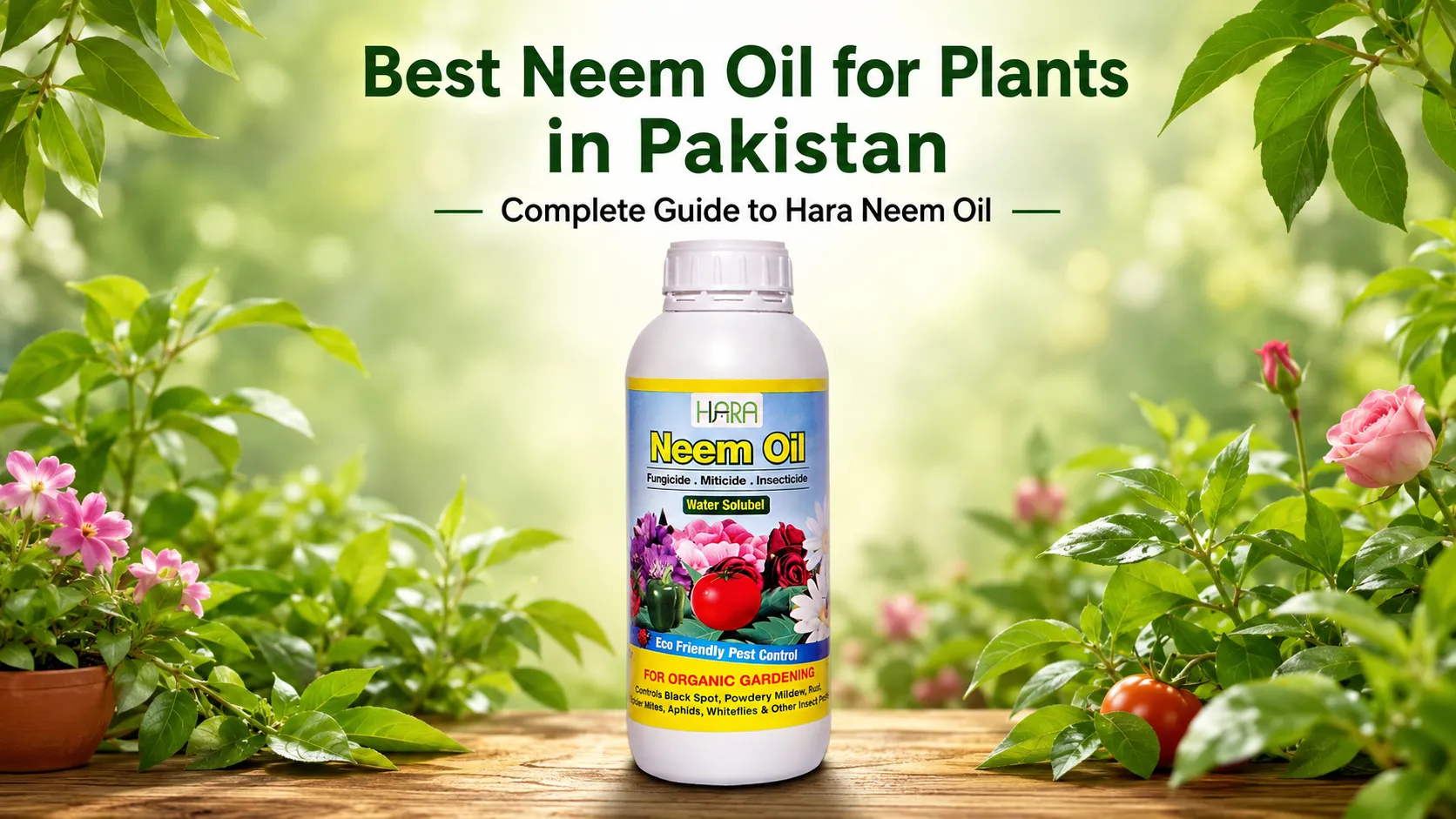
Some vegetable farmers in Sindh now use Hara neem oil sprays to control insects because repeated pesticide use has created resistance problems in conventional farming.
Crop Rotation and Biodiversity
Crop rotation helps prevent nutrient depletion and reduces pest attacks naturally. Wheat, pulses, and vegetables are commonly rotated to maintain soil balance. Diverse farming systems are usually more stable and environmentally sustainable than monocropping systems.
What is an Organic Farming Project?
An organic farming project is a planned agricultural operation that follows certified organic farming practices. These projects may focus on commercial crop production, exports, sustainable agriculture development, or local organic food supply.
Organic farming projects in Pakistan are attracting:
- Young agricultural entrepreneurs
- Sustainable farming investors
- NGOs
- Export-focused businesses
Some projects also combine organic farming with livestock management, compost production, and biofertilizer systems.
How to Start an Organic Farming Project in Pakistan
Starting an organic farming project requires proper planning, technical knowledge, and patience.
Step 1: Select Suitable Agricultural Land
The land should:
- Have fertile soil
- Be away from industrial contamination
- Have access to clean irrigation water
Step 2: Conduct Soil Testing
Soil testing helps farmers understand:
- Nutrient levels
- Soil pH
- Organic matter content
This information helps develop an effective organic farming strategy.
Step 3: Stop Chemical Usage
Organic certification standards usually require farmers to stop using synthetic fertilizers and pesticides during the conversion period.
Step 4: Improve Soil Naturally
Farmers use compost, manure, biofertilizers, and cover crops to restore soil fertility. They should also follow the Hara Organic Pakistan Crop Plan to maintain organic farming standards and improve sustainable production.
Step 5: Choose Suitable Crops
Crop selection depends on:
- Climate conditions
- Water availability
- Market demand
- Export opportunities
Step 6: Apply for Organic Certification
Certification is necessary for official organic labeling and access to export markets.
Organic Certification in Pakistan
In Pakistan, organic certification is mainly available through two systems:
- Control Union Certification
- This certification is required if you want to export organic products internationally.
- Control Union is an internationally recognized certification body operating in Pakistan.
- PGS Pakistan (Participatory Guarantee System)
- This system is suitable for local organic sales within Pakistan.
- Farmers and businesses can register through PGS Pakistan by Hara Pakistan.
Why is Organic Certification Important?
Certified organic products:
- Have better market credibility
- Access international buyers
- Meet food safety standards
- Usually receive higher prices
Without certification, products generally cannot be sold officially as organic in export markets.
Which Organizations Provide Organic Certification in Pakistan?
Several national and international organizations offer organic certification services.
Common Organic Certification Bodies
|
Organization |
Main Role |
|
PGS Pakistan |
National standards and compliance |
|
ECOCERT |
International organic certification |
|
Control Union |
Export-focused inspections |
|
SGS Pakistan |
Agricultural auditing and verification |
Many exporters also follow:
- USDA Organic Standards
- European Union Organic Standards
These certifications are important for exporting organic rice, cotton, herbs, and fruits.
How Does Organic Certification Work?
The certification process includes inspections, documentation, and annual reviews.
Organic Certification Process
Application Submission
Farmers submit farm records and production details to certification organizations.
Farm Inspection
Inspectors evaluate:
- Soil management
- Fertilizer usage
- Pest control methods
- Crop handling practices
Compliance Review
Certification experts review whether the farm meets organic standards.
Certification Approval
Approved farms receive organic certification.
Annual Renewal
Regular inspections are conducted every year to maintain certification validity.
The conversion period usually takes around 2 to 3 years before a farm becomes fully certified organic.
Real Organic Farming Challenges in Pakistan
Organic farming in Pakistan is growing, but farmers still face several practical challenges.
Water Salinity and Soil Problems
In parts of Sindh and South Punjab, water salinity affects crop productivity and soil quality. Organic methods improve soil gradually, but recovery takes time.
Fake Organic Products in Markets
One major problem is the sale of fake “organic” products without proper certification. This reduces consumer trust and creates unfair competition for genuine organic farmers.
Certification Costs
Small farmers often struggle to afford certification and inspection fees. Many farmers want to shift to organic farming but lack adequate financial support.
Limited Farmer Training
Many rural farmers still lack technical knowledge about:
- Composting
- Biofertilizers
- Biological pest control
- Organic crop management
Agricultural training programs remain limited in several regions.
Market Access Problems
Many farmers struggle to sell organic produce because local buyers often refuse to pay premium prices for certified organic products. This is one reason why some farmers return to conventional farming after the conversion period.
Organic Farming Statistics and Agricultural Trends in Pakistan
Reliable organic farming data in Pakistan is still developing, but agricultural trends show increasing interest in sustainable agriculture.
Important Agricultural Trends
- Agriculture contributes around 23% to Pakistan’s GDP
- Fertilizer prices have increased significantly in recent years
- Urban demand for organic food is rising steadily
- International demand for organic rice and cotton is increasing
According to international sustainability reports, soil degradation and excessive chemical usage remain major agricultural concerns in South Asia.
Organic Farming vs Conventional Farming
Organic farming and conventional farming differ significantly in farming practices and environmental impact.
|
Feature |
Organic Farming |
Conventional Farming |
|
Fertilizers |
Compost and natural manure |
Chemical fertilizers |
|
Pest Control |
Biological methods |
Synthetic pesticides |
|
Soil Health |
Improves gradually |
Can decline over time |
|
Environmental Impact |
Lower pollution |
Higher pollution |
|
Food Quality |
Chemical-free |
May contain residues |
Organic farming focuses more on sustainability, biodiversity, and long-term soil productivity.
Is Organic Farming Profitable in Pakistan?
Organic farming can become profitable if farmers access premium markets and maintain proper certification standards. Certified organic products often sell at higher prices than conventional crops. Farmers may also reduce long-term production costs by reducing chemical inputs.
However, profitability depends on:
- Crop selection
- Market demand
- Certification status
- Export opportunities
- Farm management quality
Some organic vegetable farms near Lahore and Islamabad are already supplying premium grocery stores and direct-consumer organic food markets.
Future of Organic Crop Farming Pakistan
The future of organic crop farming Pakistan looks promising because of rising environmental awareness and growing demand for safer food products. Agricultural experts believe Pakistan can expand its organic agriculture sector significantly if the country improves:
- Farmer education
- Organic certification systems
- Agricultural research
- Market infrastructure
- Government support policies
Export opportunities for organic rice, cotton, herbs, and fruits are also expected to increase in the coming years.
Frequently Asked Questions (FAQ)
What is organic farming?
Organic farming is a natural agricultural system that avoids synthetic chemicals and uses environmentally safe farming methods.
Is organic farming profitable in Pakistan?
Yes, organic farming can become profitable because certified organic products often sell at higher market prices.
How long does organic certification take?
Organic certification usually takes around 2 to 3 years because farms must complete a chemical-free conversion period.
Which crops are suitable for organic farming in Pakistan?
Rice, wheat, vegetables, fruits, herbs, and pulses are commonly grown organically in Pakistan.
Why is organic certification important?
Organic certification helps farmers access export markets and increases consumer trust in organic products.
Conclusion
Organic farming in Pakistan is becoming an important part of sustainable agriculture and food security. Rising fertilizer prices, declining soil fertility, and increasing health awareness are encouraging farmers and consumers to move toward safer agricultural systems.
Although challenges such as certification costs, limited training, fake organic products, and market access still exist, the future of organic crop farming Pakistan remains strong.
With better agricultural policies, improved farmer education, stronger certification systems, and investment in sustainable farming practices, organic agriculture can become a major growth sector in Pakistan’s agricultural economy.
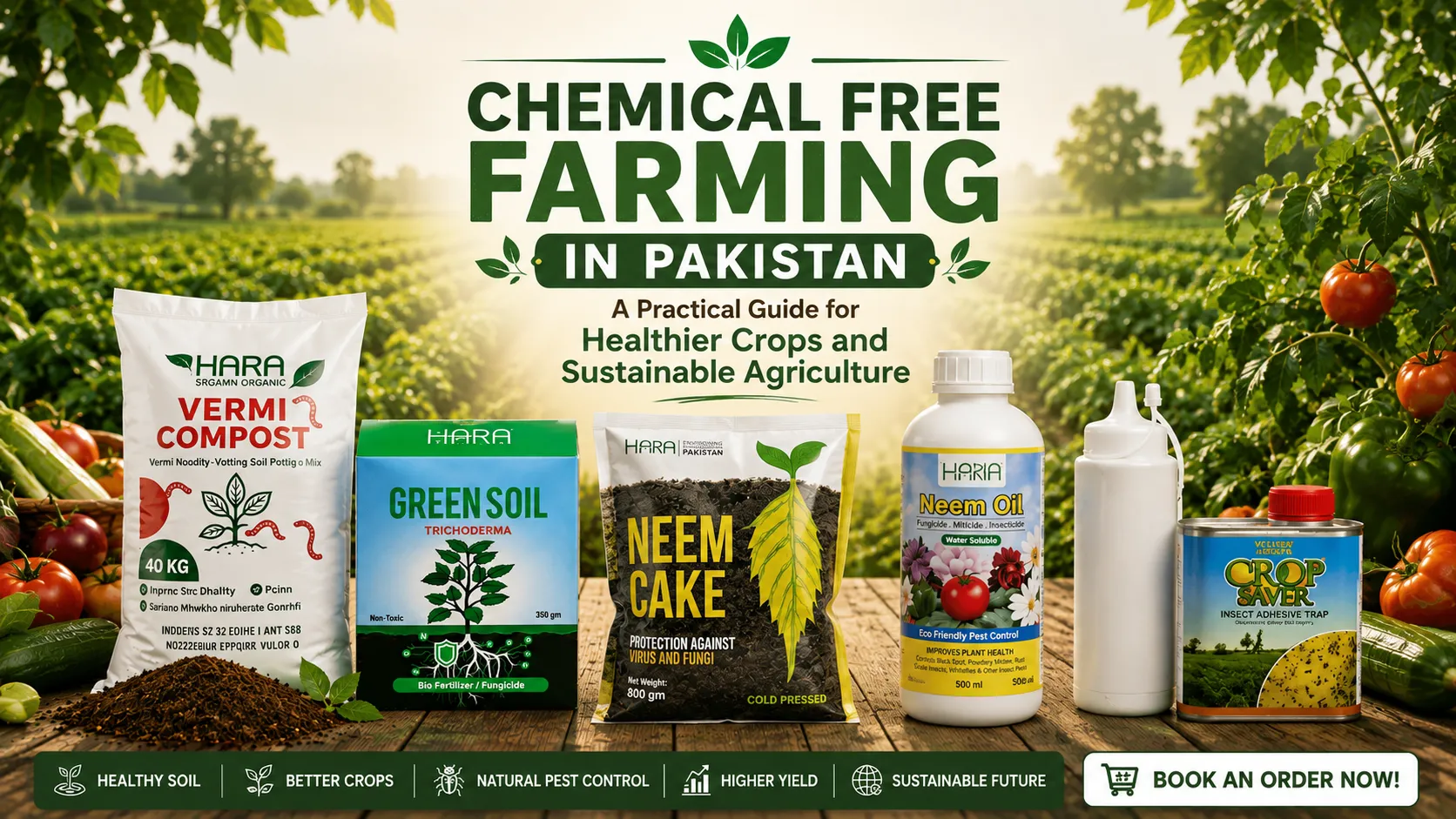
Chemical Free Farming Pakistan: A Practical Guide for Healthier Crops and Sustainable Agriculture
Jump To Chemical Free Farming Pakistan: A Practical Guide for
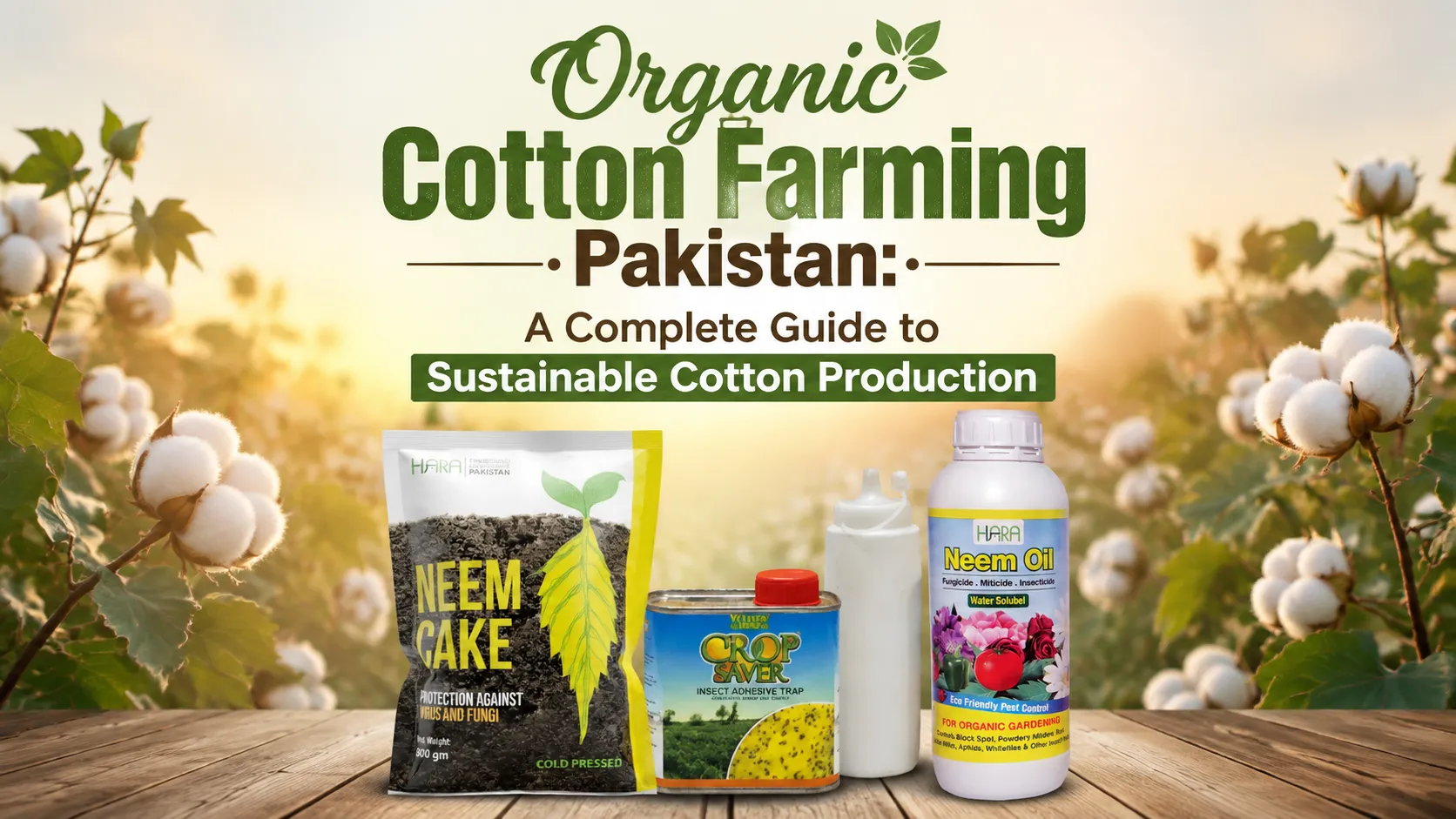
Organic Cotton Farming Pakistan: A Complete Guide to Sustainable Cotton Production
Jump To Organic Cotton Farming Pakistan: A Complete Guide to
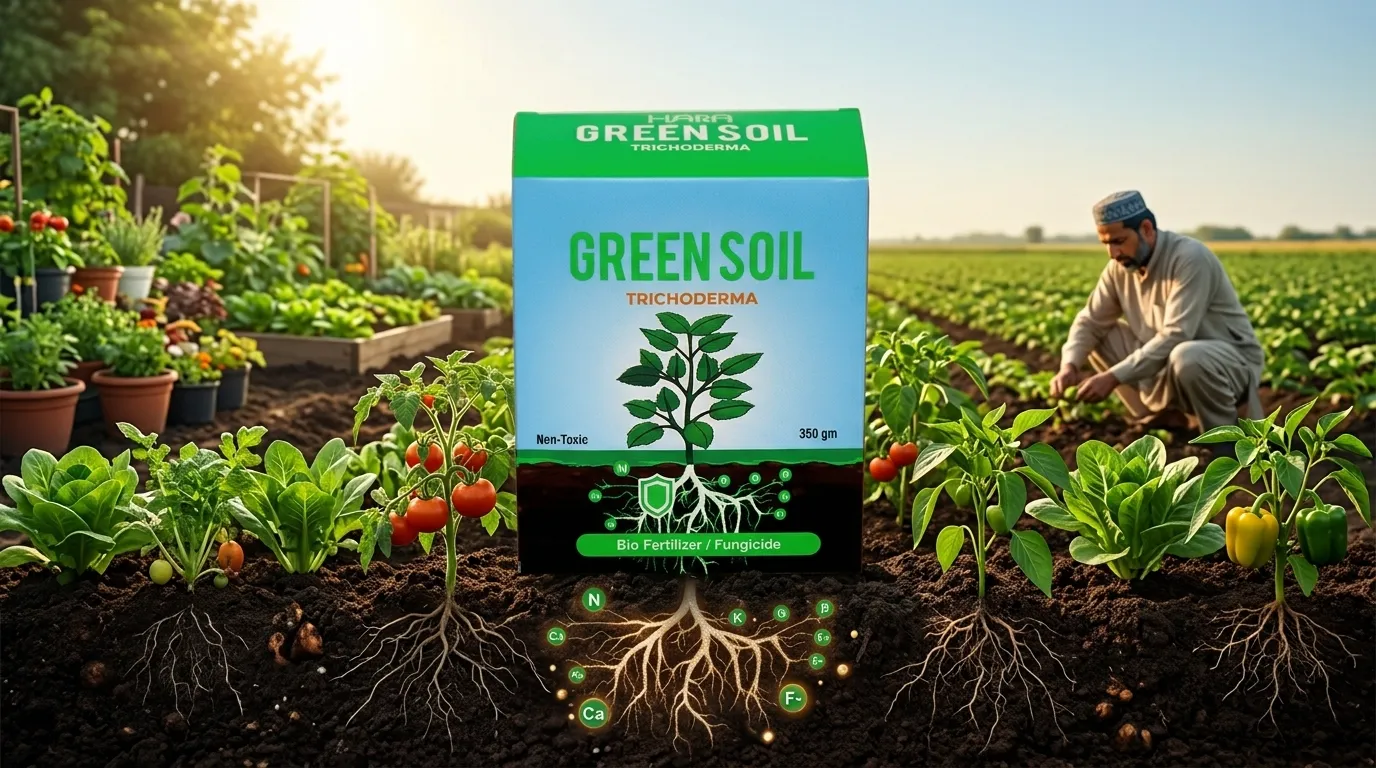
Green Soil Plant Growth: A Complete Guide to Better Soil Health and Stronger Plant Growth
Jump To Green Soil Plant Growth: A Complete Guide to
Best Neem Oil for Plants in Pakistan – Complete Guide to Hara Neem Oil
Jump To Best Neem Oil for Plants in Pakistan –
