


Rising fertilizer prices, declining soil fertility, water shortages, pesticide overuse, and chemical residue concerns are pushing many farmers toward organic farming techniques in Pakistan. Organic agriculture offers a sustainable way to improve soil health, crop quality, and long-term farm profitability without depending heavily on synthetic chemicals.
Many agricultural regions in Punjab and Sindh now face low organic matter levels, soil salinity, and reduced microbial activity because of excessive chemical fertilizer usage over the years. Organic farming techniques in Pakistan are becoming an effective solution for restoring soil fertility while producing healthier crops naturally.
At Hara Pakistan Pvt. Ltd., the organic farming project is designed around:
- Soil regeneration
- Biological nutrition
- Natural pest management
- Sustainable crop production
- Chemical-free farming systems
The core philosophy is simple:
“First make the soil alive, then the plant will take care of itself.”
Organic farming is not just about avoiding chemicals; it is about building a complete living agricultural ecosystem where soil, plants, microbes, insects, and water remain in natural balance.
1. Soil Health Management (Soil Ko Zinda Karna)
Healthy soil is the foundation of successful organic agriculture in Pakistan. Dead soil cannot produce healthy crops, no matter how much fertilizer is added.
Why Soil Health Matters
Many Pakistani farmlands suffer from:
- Low soil organic matter
- Hard soil structure
- Reduced water retention
- Weak microbial populations
- Excessive chemical dependency
Organic land management focuses on rebuilding soil biology naturally.
Key Organic Soil Practices
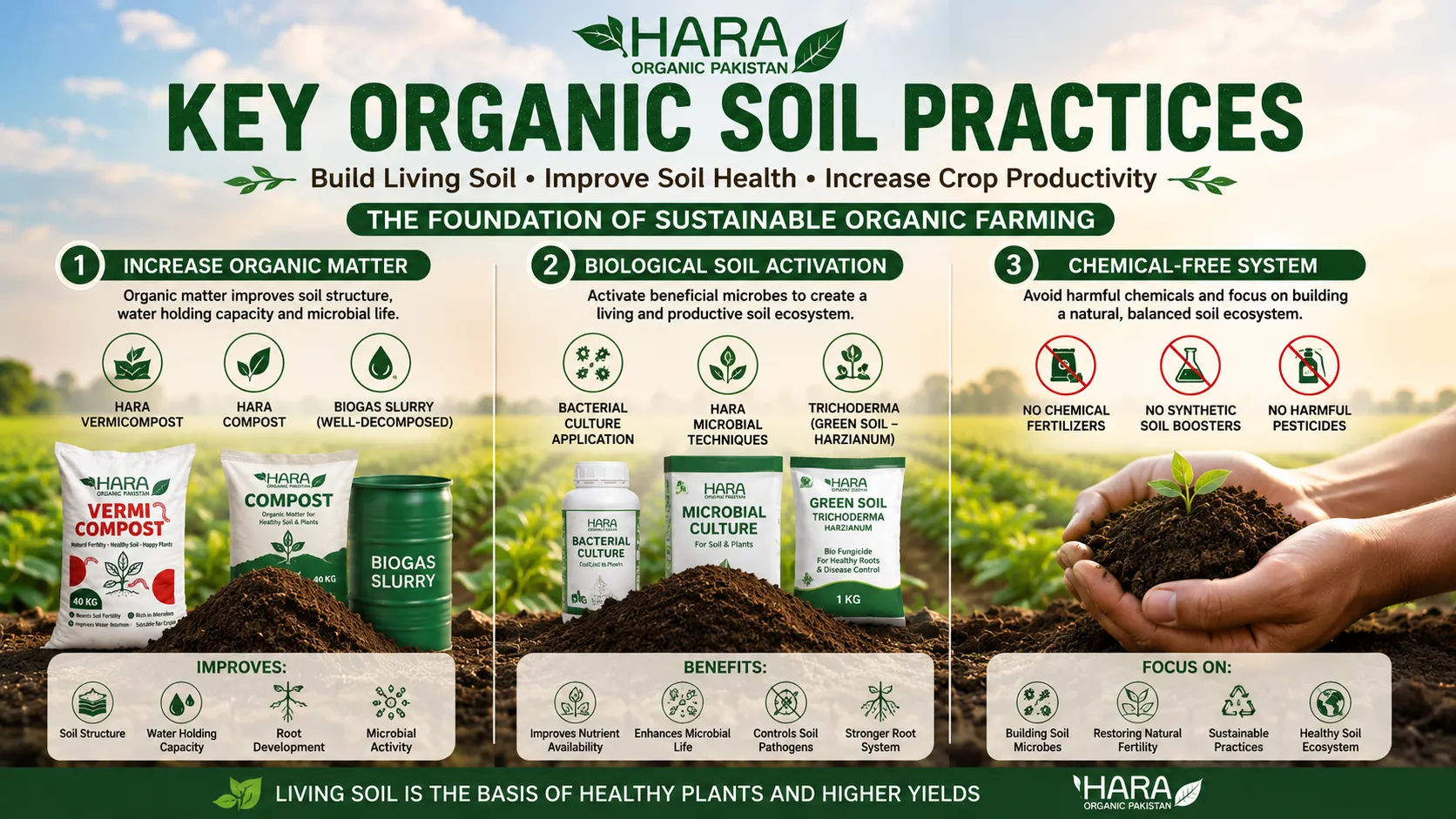
1. Increase Organic Matter
Hara Organic Pakistan recommends:
- Hara Compost
- Well-decomposed biogas slurry
These organic soil conditioners help improve:
- Soil structure
- Water holding capacity
- Root development
- Earthworm activity
- Microbial growth
Real Farming Example
In vegetable farms near Multan, vermicompost application improved soil moisture retention and reduced fertilizer dependency during high-temperature summer cultivation.
2. Biological Soil Activation
To activate living soil naturally:
- Bacterial culture application
- Hara microbial techniques
- Continuous microbial feeding through organic inputs
These biological farming techniques help convert soil into a natural nutrient-producing ecosystem.
3. Chemical-Free Agriculture System
The Hara Organic System avoids:
- Chemical fertilizers
- Synthetic soil boosters
- Harmful chemical pesticides
Instead, the focus remains on:
- Soil microbes
- Organic matter regeneration
- Long-term soil fertility
- Sustainable farming practices
Goal
Turn the soil into a living biological factory.
2. Plant Nutrition Management
In organic farming, plants are nourished through slow-release biological nutrients instead of instant chemical feeding.
This improves:
- Nutrient balance
- Soil biology
- Crop resilience
- Sustainable yield production
Hara Organic Nutrient Strategy
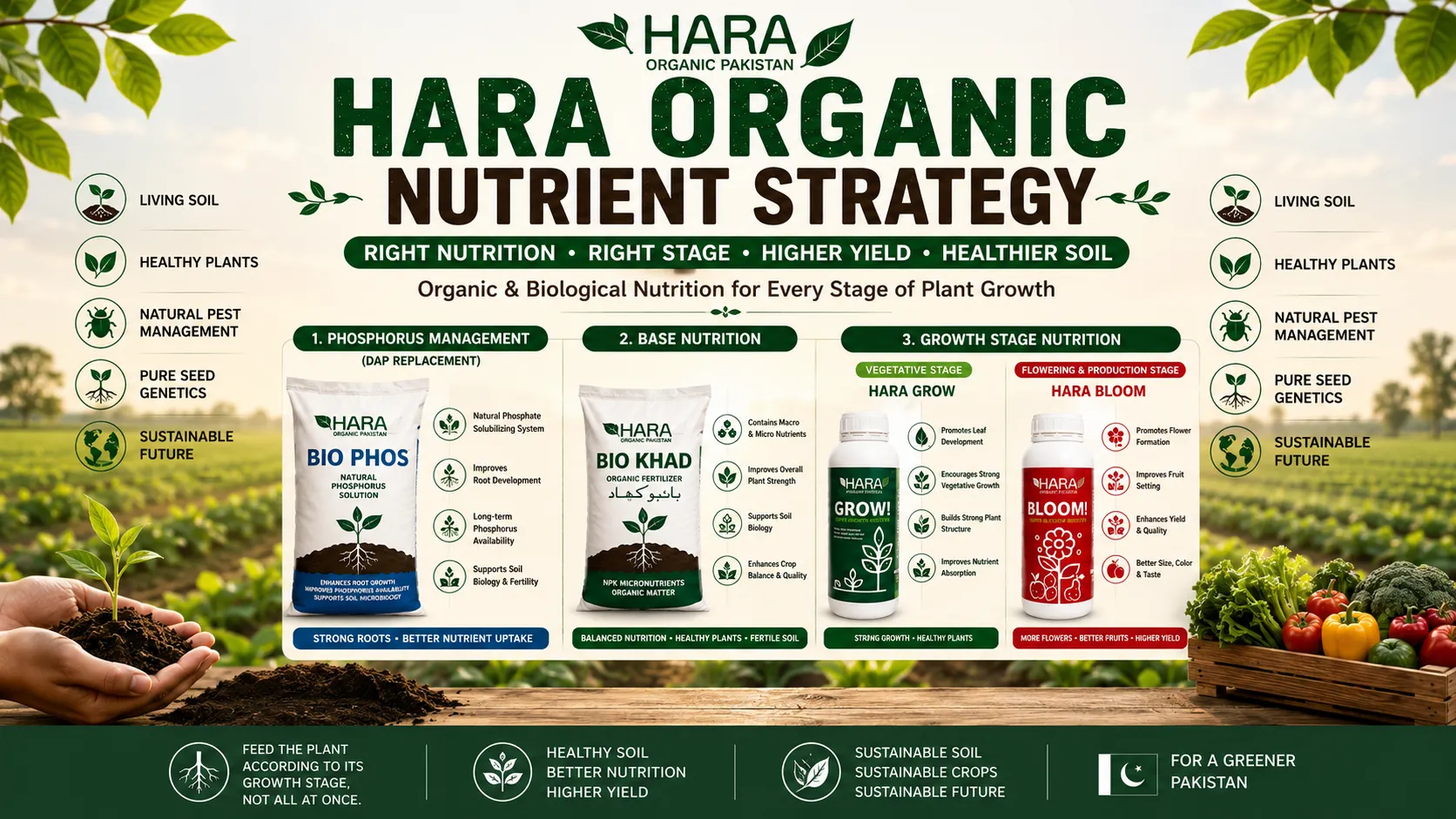
1. Phosphorus Management (DAP Replacement)
Hara Bio Phos
A natural phosphorus-solubilizing system that:
- Improves root growth
- Enhances phosphorus availability
- Supports microbial activity
- Increases long-term soil fertility
This serves as a sustainable alternative to excessive DAP usage in organic agriculture systems.
2. Base Nutrition
Hara Bio Khad
Contains macro and micro nutrients that:
- Strengthen plant growth naturally
- Improve crop balance
- Support biological soil activity
- Enhance organic land productivity
3. Growth Stage Nutrition
Hara Grow: Vegetative Stage
Supports:
- Leaf development
- Stem strength
- Plant structure
- Vegetative growth
Hara Bloom: Flowering & Production Stage
Improves:
- Flower formation
- Fruit setting
- Crop quality
- Yield production
Organic Farming Principle
“Feed the plant according to its growth stage, not all at once.”
Organic Inputs & Their Benefits
Organic Input | Main Benefit |
Vermicompost | Improves microbial activity |
Hara Bio Phos | Enhances phosphorus availability |
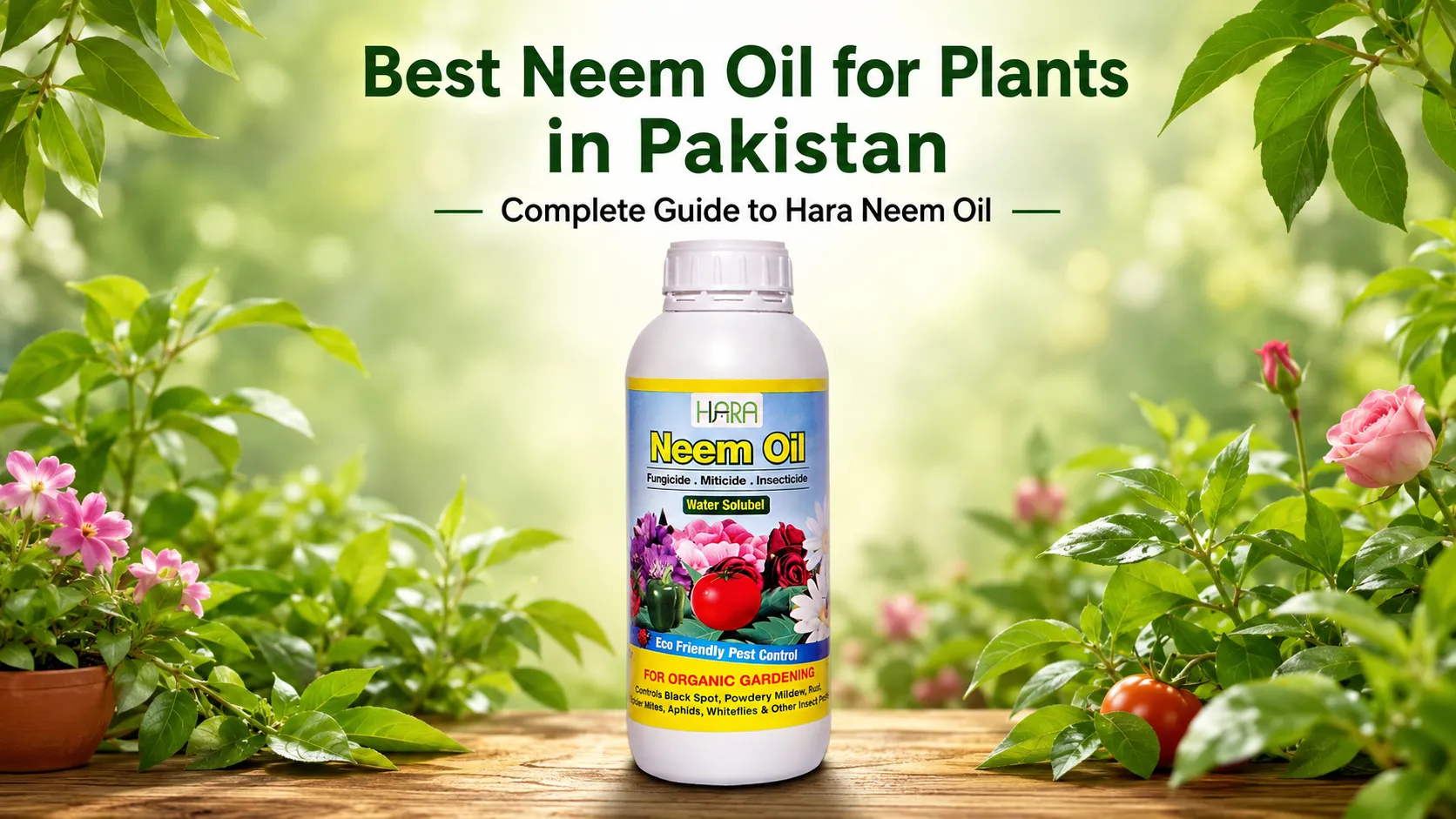
Neem Oil | Natural insect control |
Trichoderma | Controls soil fungi |
Hara Bio Khad | Balanced plant nutrition |
Compost | Improves soil fertility |
3. Non-Pesticide Pest Management
Organic pest management does not focus on instantly killing insects. Instead, it focuses on balancing the ecosystem naturally.
Preventive Organic Pest Strategy
1. Early Monitoring & Traps
- Yellow sticky traps
- Early pest detection systems
- Regular crop inspection
These techniques reduce pest outbreaks before major crop damage occurs.
2. Botanical Organic Sprays
Natural organic sprays include:
- Neem oil spray (every 10–15 days)
- Artemisia (Afsanteen) extracts
- Turmeric-based antimicrobial solutions
These support eco-friendly agriculture by reducing harmful chemical exposure.
3. Biological Fungus Control
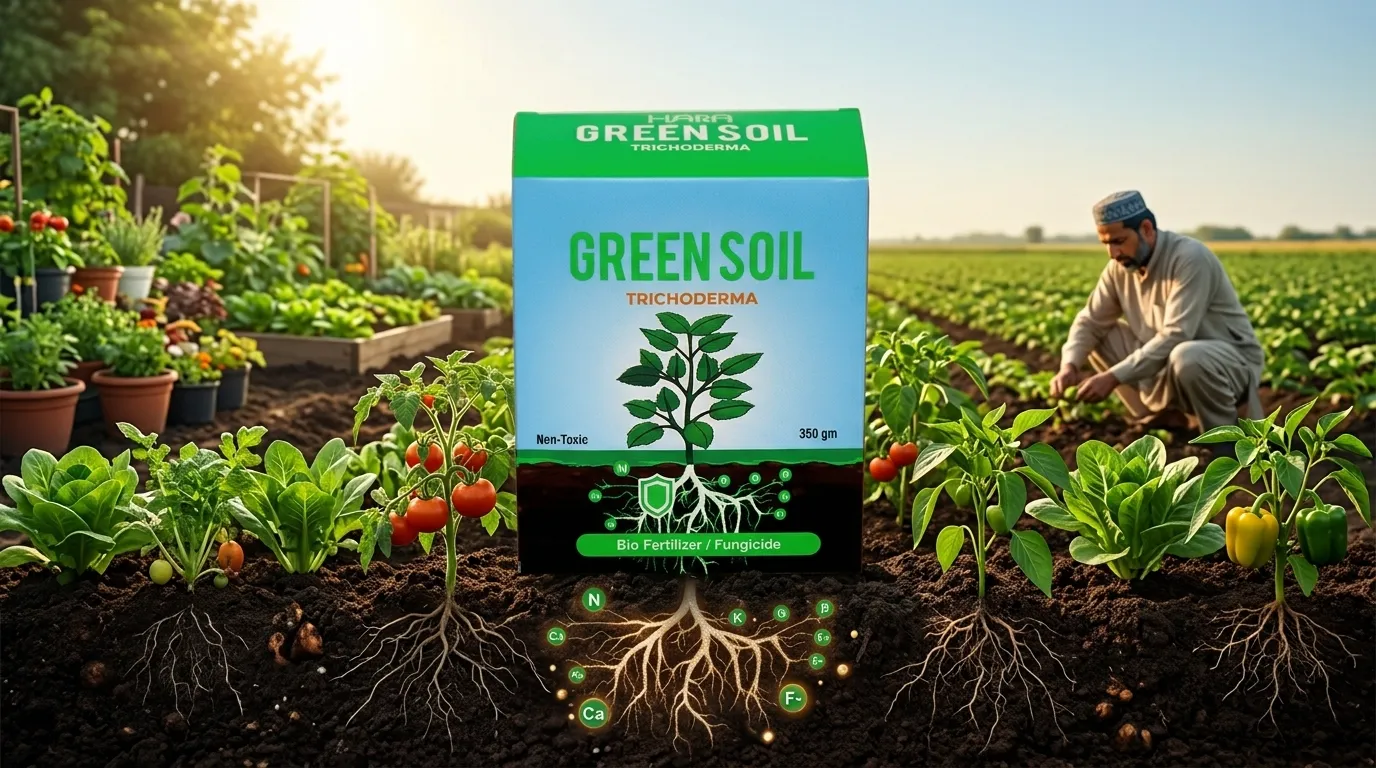
Green Soil (Trichoderma Harzianum)
Helps control:
- Root diseases
- Soil-borne fungi
- Damping-off disease
Real Farming Example
Farmers using Trichoderma-based soil treatment in chili and tomato crops reported lower root disease pressure and healthier root development.
4. Seed Bank Management
Seeds are the backbone of every successful organic farming project in Pakistan. Without healthy seeds, sustainable agriculture systems cannot perform effectively.
Organic Seed Principles
Recommended Seeds | Avoid |
|
|
Why Organic Seeds Matter
- Better adaptation to Pakistan’s climate
- Strong genetic diversity
- Improved nutrition and taste
- Better disease resistance
- Long-term food security
Important Principle
A strong seed bank = sustainable agricultural future.
Organic Farming in Pakistan – The Future of Sustainable Agriculture
Organic agriculture in Pakistan is rapidly expanding because farmers are increasingly realizing the importance of:
- Living soil
- Organic fertilizer systems
- Biological farming methods
- Regenerative agriculture
- Sustainable crop production
- Eco-friendly agriculture
According to agricultural research and soil microbiology studies, improving soil microbial activity can significantly enhance nutrient availability and long-term soil fertility.
As one of the growing agriculture companies in Pakistan, Hara Organic Pakistan is committed to helping farmers transition toward profitable and sustainable organic farming systems designed specifically for Pakistan’s agricultural conditions.
FAQ – Organic Farming in Pakistan
What are the main organic farming techniques in Pakistan?
Organic farming techniques include compost application, biological fertilizers, crop rotation, microbial soil activation, natural pest management, and organic seed preservation.
Is organic farming profitable in Pakistan?
Organic farming can become highly profitable in the long term because it improves soil fertility, reduces chemical dependency, lowers input costs, and increases demand for chemical-free produce.
Which crops are suitable for organic farming in Pakistan?
Vegetables, wheat, rice, fruits, chilies, cotton, fodder crops, and pulses can all be successfully grown using organic farming methods.
What is the biggest challenge in organic farming?
The biggest challenge is transitioning soil away from chemical dependency while maintaining crop productivity during the early conversion period.
Why is soil biology important in organic agriculture?
Healthy soil biology improves nutrient availability, water retention, root growth, and natural disease resistance, making crops stronger and more sustainable.
Conclusion
Organic farming is not just a farming technique; it is a complete living agricultural system. When soil becomes biologically active, plants receive balanced nutrition, pests are controlled naturally, and healthy seeds are preserved properly, agriculture becomes sustainable, profitable, and environmentally safe.
The Hara Organic System focuses on:
- Living soil
- Balanced plant nutrition
- Biological farming
- Natural pest management
- Pure seed genetics
- Sustainable agriculture in Pakistan
Farmers looking to transition toward sustainable organic farming techniques in Pakistan should begin by rebuilding soil biology and gradually reducing chemical dependency.
Hara Organic Pakistan provides organic inputs and biological farming solutions specifically designed for Pakistan’s agricultural conditions and organic land management needs. Contact Hara for a free consultation.
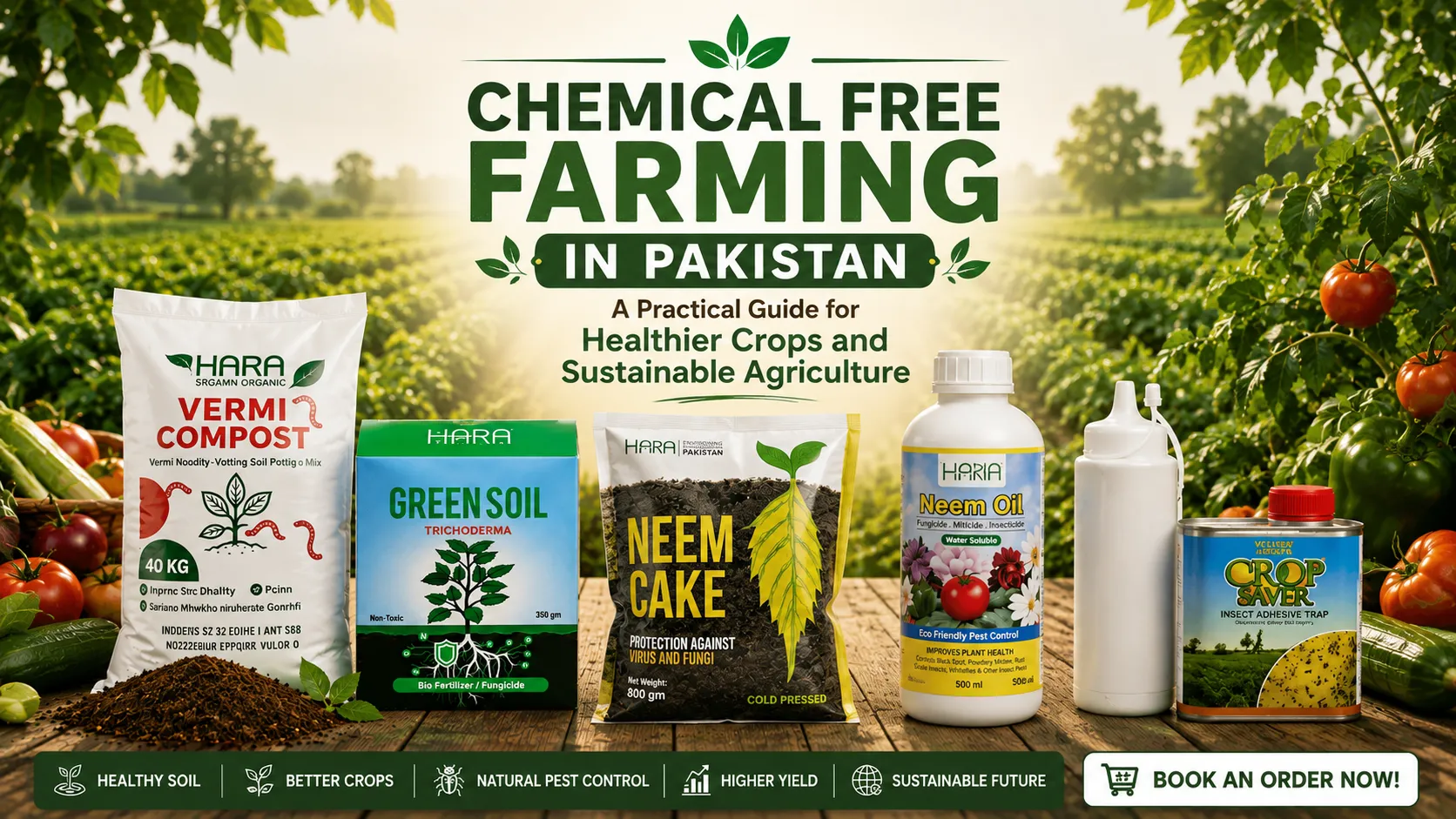
Chemical Free Farming Pakistan: A Practical Guide for Healthier Crops and Sustainable Agriculture
Jump To Chemical Free Farming Pakistan: A Practical Guide for
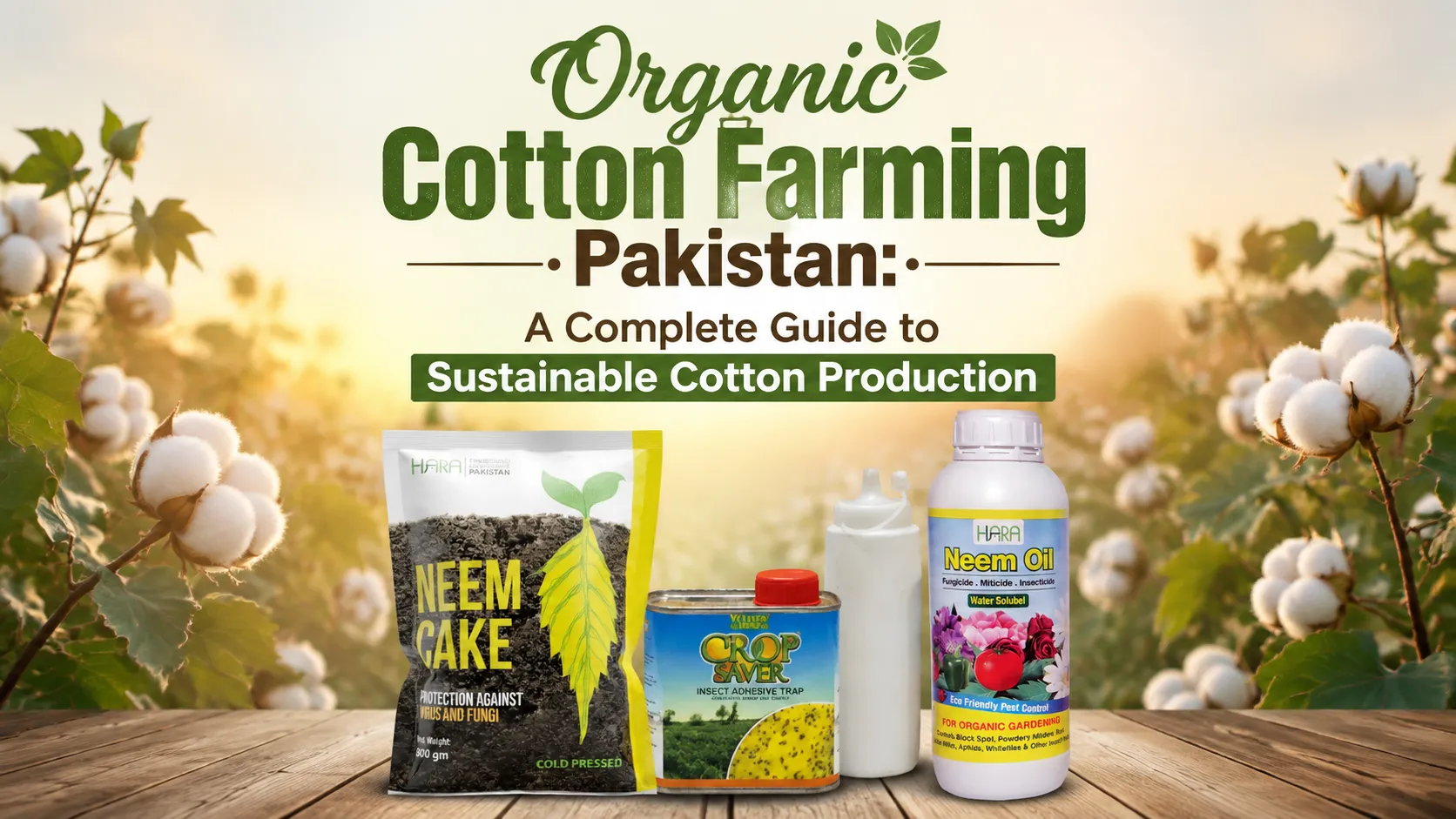
Organic Cotton Farming Pakistan: A Complete Guide to Sustainable Cotton Production
Jump To Organic Cotton Farming Pakistan: A Complete Guide to
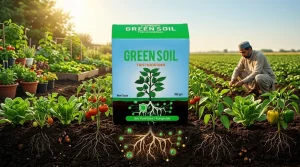
Green Soil Plant Growth: A Complete Guide to Better Soil Health and Stronger Plant Growth
Jump To Green Soil Plant Growth: A Complete Guide to
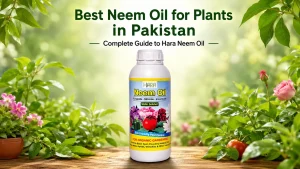
Best Neem Oil for Plants in Pakistan – Complete Guide to Hara Neem Oil
Jump To Best Neem Oil for Plants in Pakistan –
