


Root rot is one of the most destructive plant diseases in agriculture. It damages plant roots, weakens nutrient uptake, reduces plant immunity, and can eventually kill the entire crop if not managed properly.
In conventional farming, root rot is often treated with heavy chemical fungicides. However, organic farming focuses on prevention, soil biology improvement, and strengthening the plant’s natural defense system.
What is Root Rot?
Root rot is a fungal or microbial disease that attacks plant roots under unfavorable soil conditions.
It commonly develops in:
- Waterlogged soils
- Poor drainage conditions
- Weak soils with low microbial activity
- Excess chemical fertilizer usage
- Over-irrigation
- Compacted soils
The disease damages roots and prevents proper water and nutrient absorption.
Common Root Rot Diseases
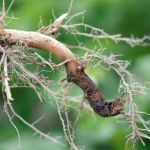
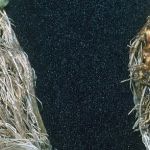
Major root rot diseases include:
- Fusarium root rot
- Pythium root rot
- Rhizoctonia root rot
- Phytophthora root rot
- Damping-off disease
These pathogens survive in unhealthy soil and attack weak plants.
Symptoms of Root Rot
Common symptoms include:
- Yellowing leaves
- Wilting plants
- Slow growth
- Sudden plant collapse
- Black or brown roots
- Soft rotten roots
- Poor nutrient uptake
- Weak root development
In severe cases, entire plants may die.
Main Causes of Root Rot
1. Excess Water
Overwatering creates anaerobic soil conditions in which harmful fungi can grow rapidly.
2. Poor Soil Biology
Dead soils lacking beneficial microorganisms become highly vulnerable to pathogens.
3. Excess Chemical Fertilizers
Heavy use of chemical fertilizers weakens roots and disrupts the soil microbial balance.
4. Poor Drainage
Standing water increases fungal growth around roots.
5. Weak Plant Immunity
Stressed and nutrient-deficient plants become easy targets for fungal diseases.
How Organic Farming Controls Root Rot Naturally
Organic farming focuses on:
- Prevention
- Healthy soil biology
- Beneficial microorganisms
- Strong root systems
- Balanced nutrition
- Improved drainage
Instead of killing everything with chemicals, organic farming restores the natural soil ecosystem.
Importance of Soil Biology in Root Rot Control
Healthy soil contains beneficial microbes that naturally suppress harmful fungi.
Beneficial microorganisms:
- Compete with pathogens
- Protect root zones
- Improve nutrient uptake
- Increase root strength
- Enhance plant immunity
Healthy living soil naturally reduces root diseases.
Organic Root Rot Treatment Program
Step 1: Improve Drainage
Good drainage is the first step in root rot management.
Recommended practices:
- Avoid waterlogging
- Use raised beds if necessary
- Improve soil structure
- Reduce over-irrigation
Proper oxygen availability around roots is essential.
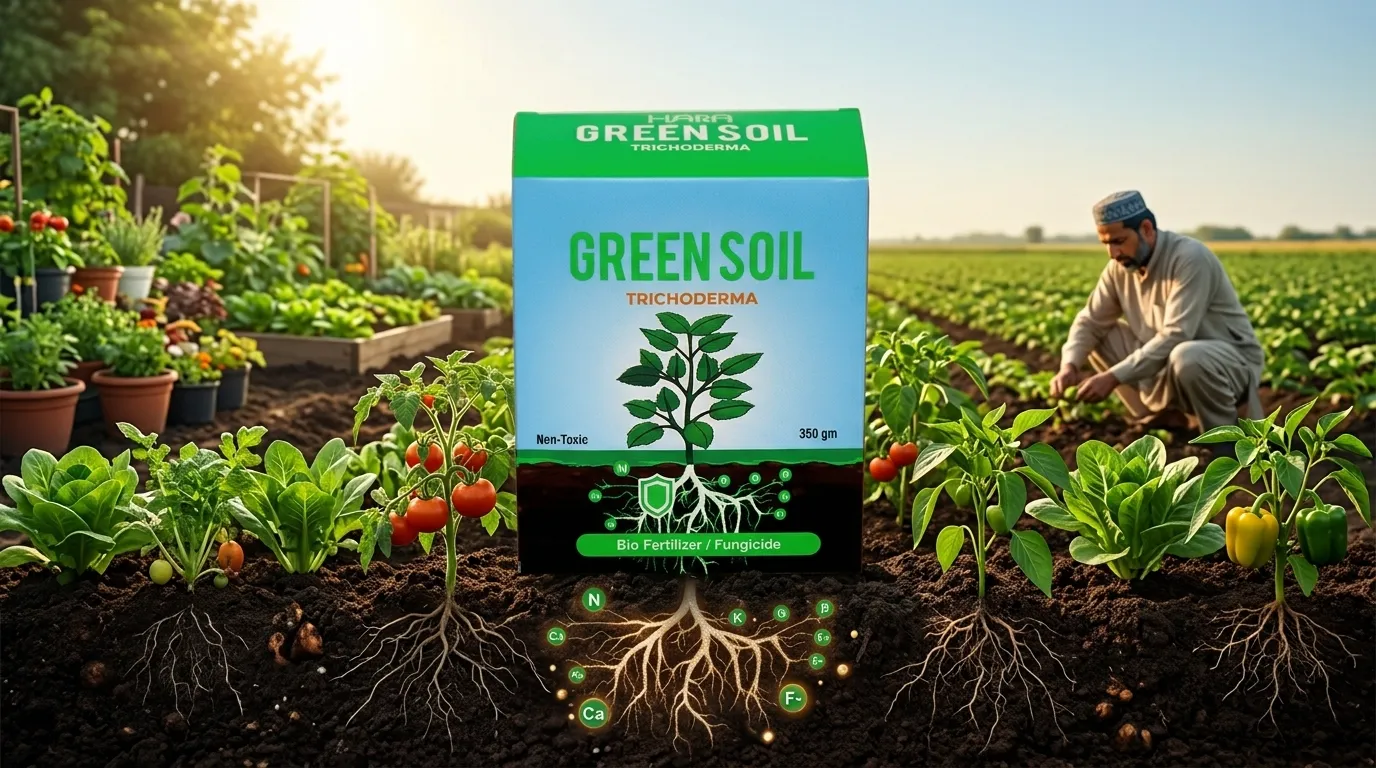
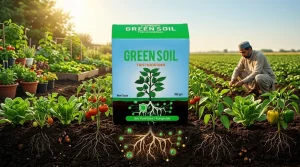
Step 2: Apply Trichoderma (Green Soil)
Green Soil (Trichoderma-Based)
Trichoderma is one of the most effective bio-fungicides in organic farming.
It works by:
- Attacking harmful fungi
- Competing for space and nutrients
- Protecting root surfaces
- Improving root growth
Benefits include:
- Fusarium suppression
- Pythium suppression
- Rhizoctonia control
- Root protection
- Improved soil microbial balance
Preventive use gives the best results.
Step 3: Use Beneficial Bacteria Culture
Beneficial bacteria cultures help restore healthy microbial populations in soil.
These bacteria:
- Suppress pathogens
- Improve root activity
- Enhance nutrient uptake
- Improve soil fertility
Application through irrigation water provides continuous root-zone protection.
Step 4: Neem Cake Application
Neem cake is highly beneficial for root-zone health.
Benefits include:
- Suppression of soil-borne pathogens
- Reduction of nematodes
- Improved microbial activity
- Organic nutrient supply
- Better root development
Neem cake also improves long-term soil fertility.
Step 5: Balanced Organic Nutrition
Healthy plants naturally resist diseases better.
Organic nutrition helps by:
- Strengthening root tissues
- Improving microbial activity
- Enhancing plant immunity
- Reducing plant stress
Excess chemical nitrogen should be avoided because it creates weak and disease-prone root systems.
Chemical Fungicides vs Organic Root Disease Management
|
Organic Root Disease Management |
Chemical Fungicides |
|
Improves soil biology |
Damages soil microbes |
|
Long-term disease suppression |
Temporary suppression |
|
Builds plant immunity |
Creates dependency |
|
Environmentally safe |
Toxic residues |
|
Sustainable approach |
Resistance development |
|
Improves soil fertility |
Soil degradation |
Hara Organic Pakistan Root Rot Prevention Strategy
Preventive Organic Root Disease Program
Before Disease Appears
- Improve soil drainage
- Apply organic matter
- Use neem cake
- Install healthy irrigation management
Preventive Soil Protection
- Apply Green Soil (Trichoderma) regularly
- Use beneficial bacteria cultures through irrigation water
- Maintain balanced organic nutrition
Stress Reduction
Healthy stress-free plants are naturally more resistant to fungal diseases.
Best Prevention Methods for Root Rot
Important Preventive Practices
- Avoid overwatering
- Maintain proper drainage
- Improve soil aeration
- Use compost and organic matter
- Apply Trichoderma preventively
- Use neem cake regularly
- Avoid excessive chemical fertilizers
- Maintain healthy soil biology
Conclusion
Root rot is not simply a fungal attack; it is often a sign of unhealthy soil and poor ecological balance. Organic farming controls root rot by improving soil life, strengthening roots, and restoring natural microbial balance. “Healthy Soil Creates Healthy Roots”
Strong roots produce healthy plants, and healthy plants naturally resist diseases more effectively. Organic root disease management is not only safer for crops and soil, but also supports long-term sustainable agriculture and environmental protection.
Chemical Free Farming Pakistan: A Practical Guide for Healthier Crops and Sustainable Agriculture
Jump To Chemical Free Farming Pakistan: A Practical Guide for
Organic Cotton Farming Pakistan: A Complete Guide to Sustainable Cotton Production
Jump To Organic Cotton Farming Pakistan: A Complete Guide to
Green Soil Plant Growth: A Complete Guide to Better Soil Health and Stronger Plant Growth
Jump To Green Soil Plant Growth: A Complete Guide to
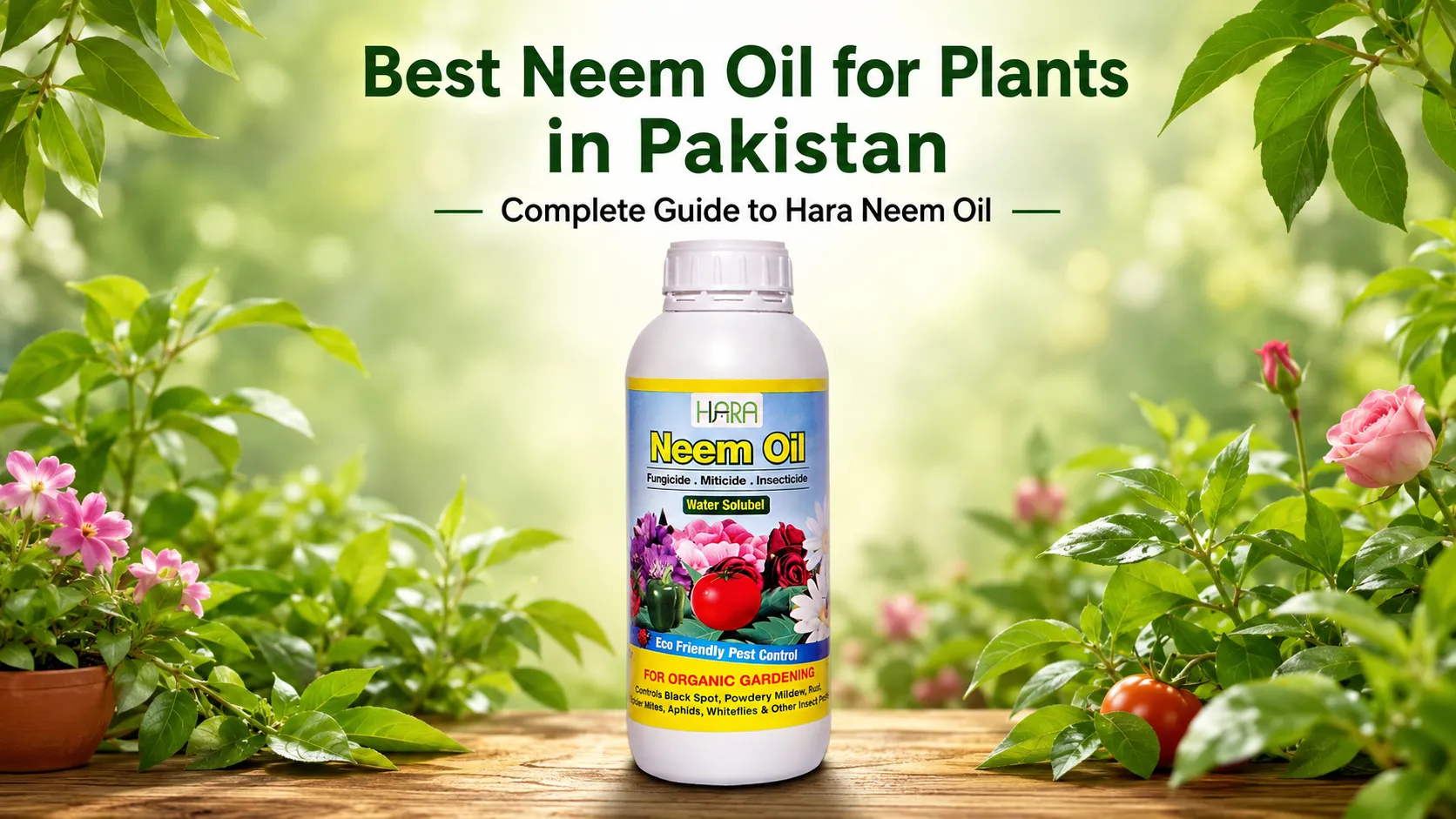
Best Neem Oil for Plants in Pakistan – Complete Guide to Hara Neem Oil
Jump To Best Neem Oil for Plants in Pakistan –
