





Skip to main content Scroll Top

Soil Water Conservation Project in Nooriabad: A Regenerative Farming Model for Water Scarce Regions of Pakistan

Jump To

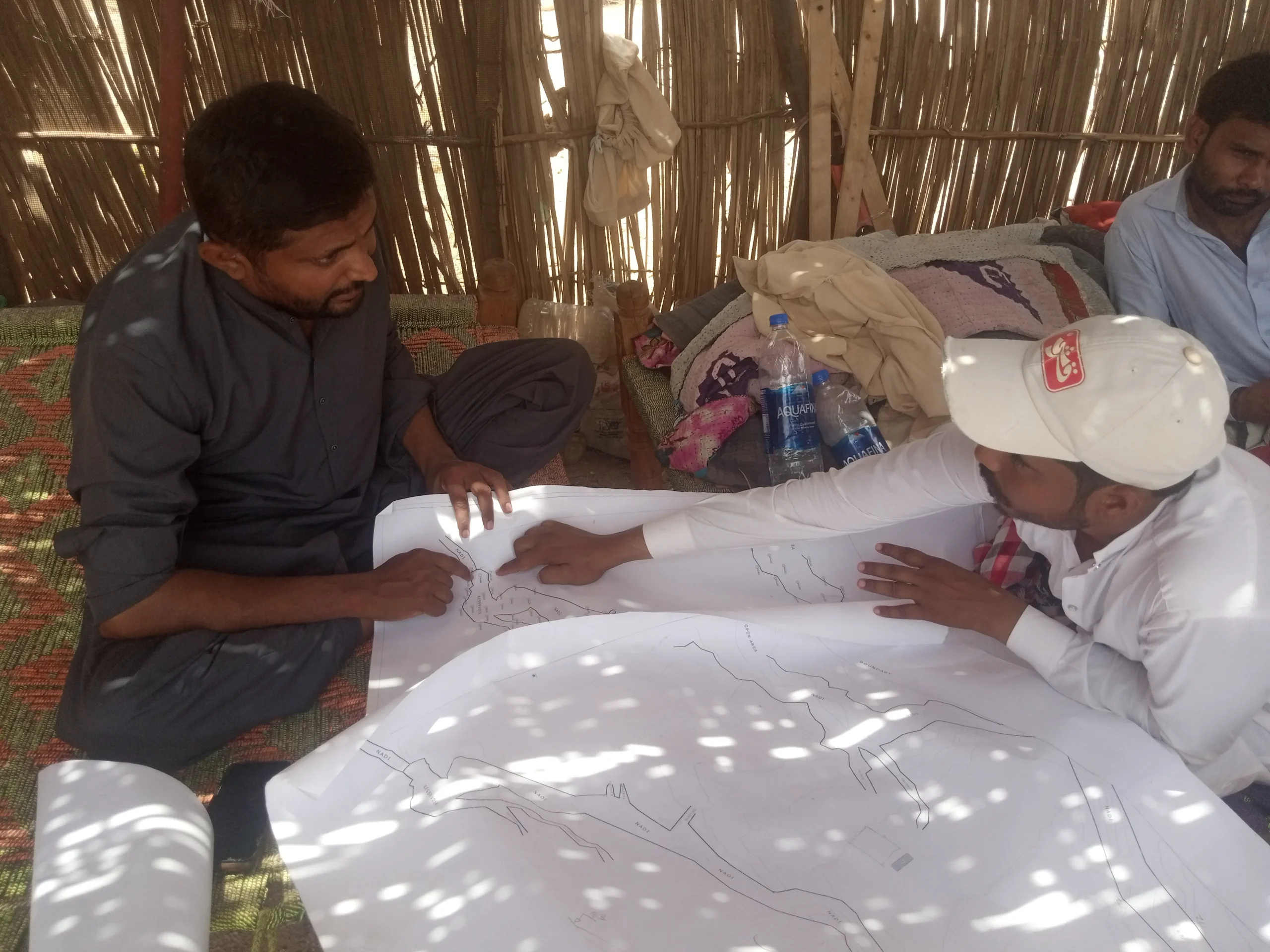
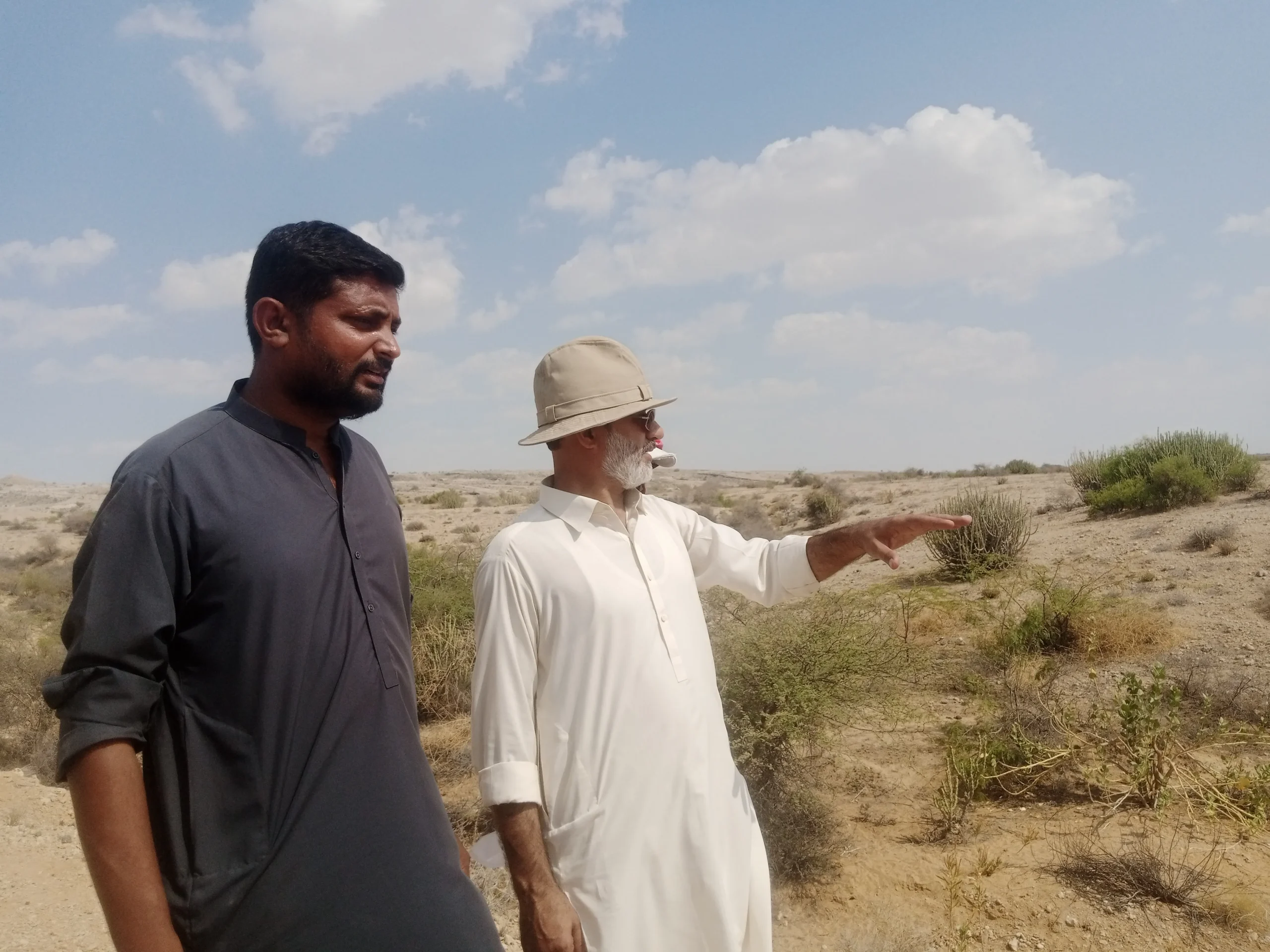
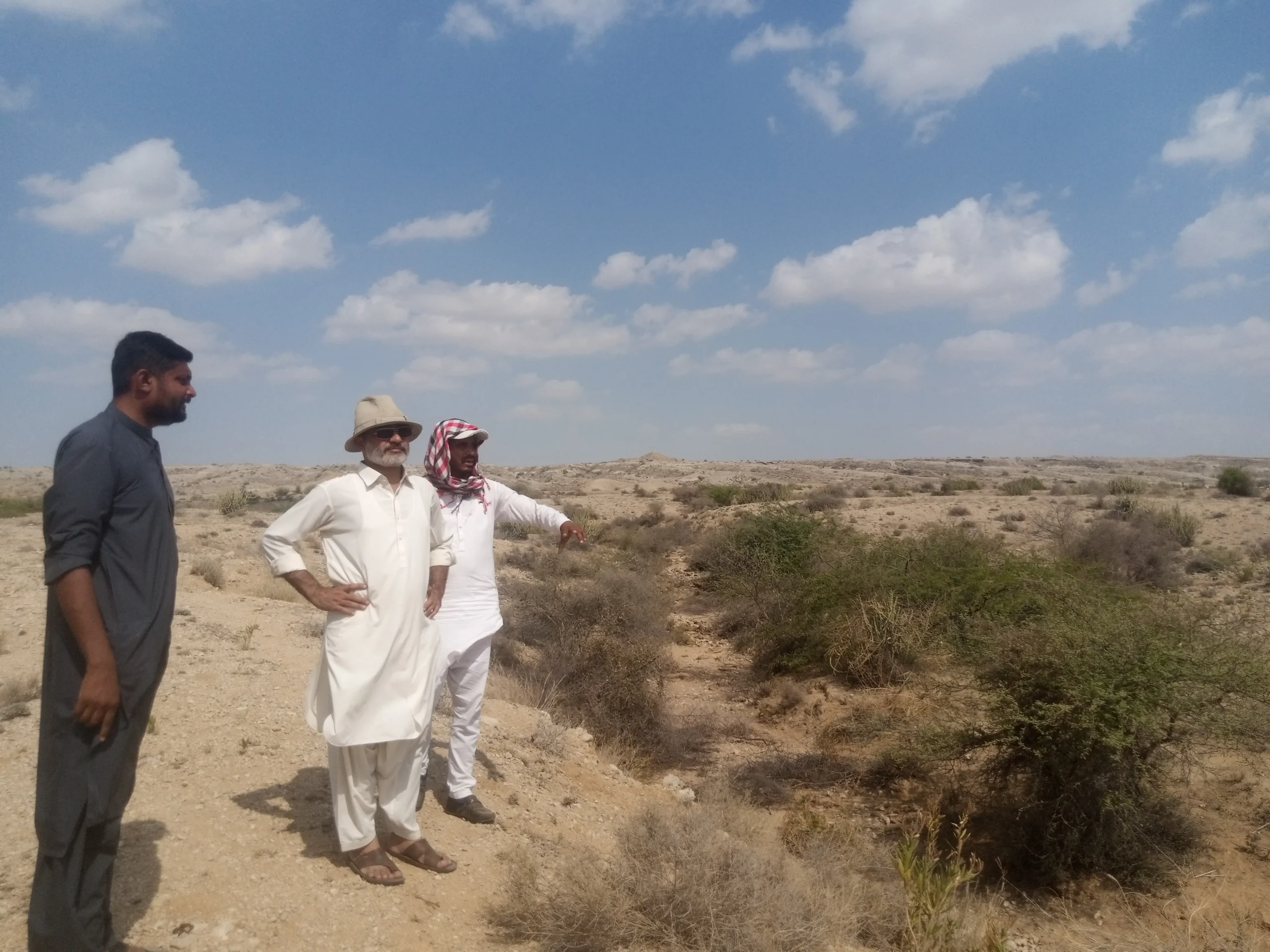
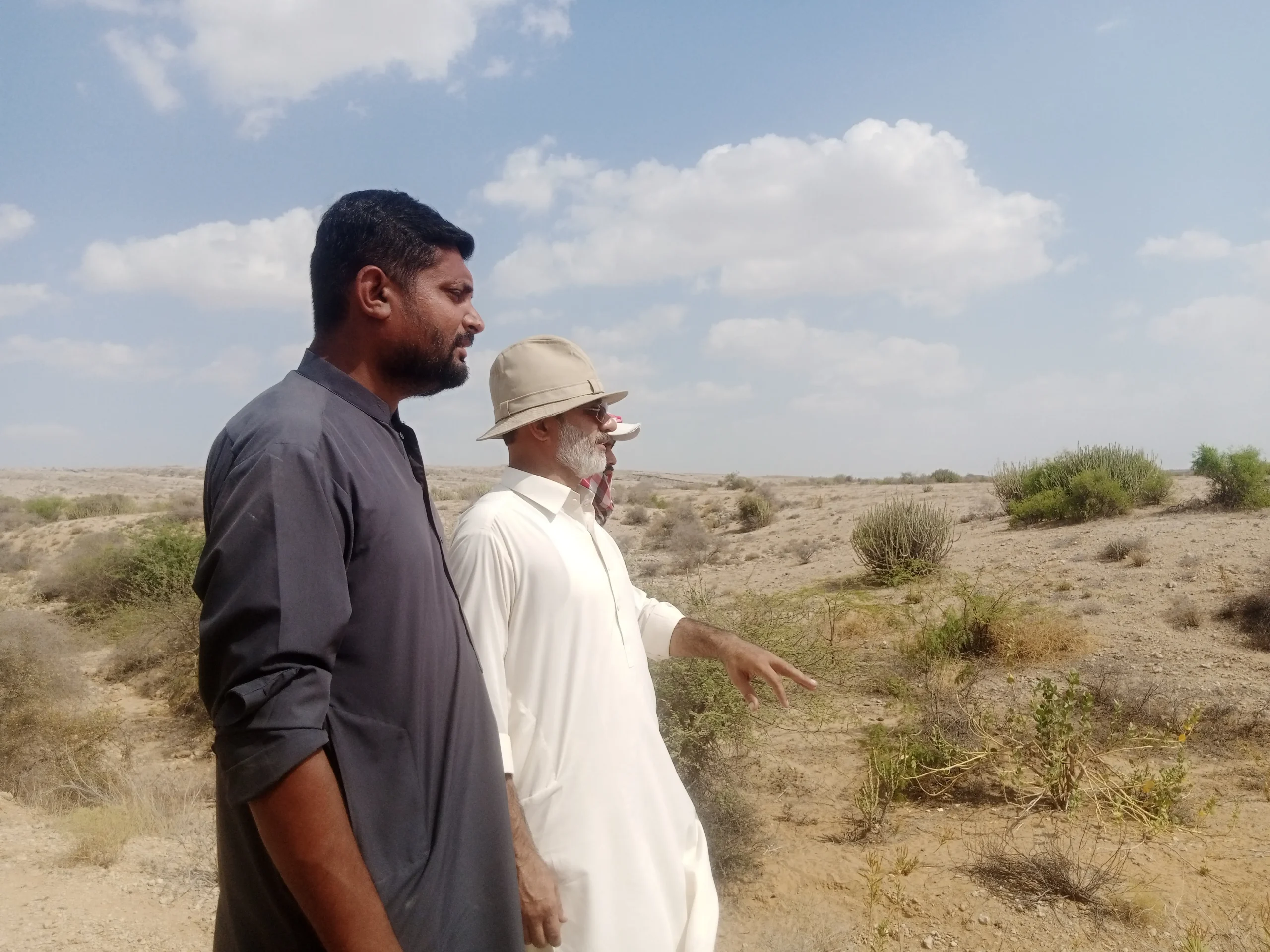
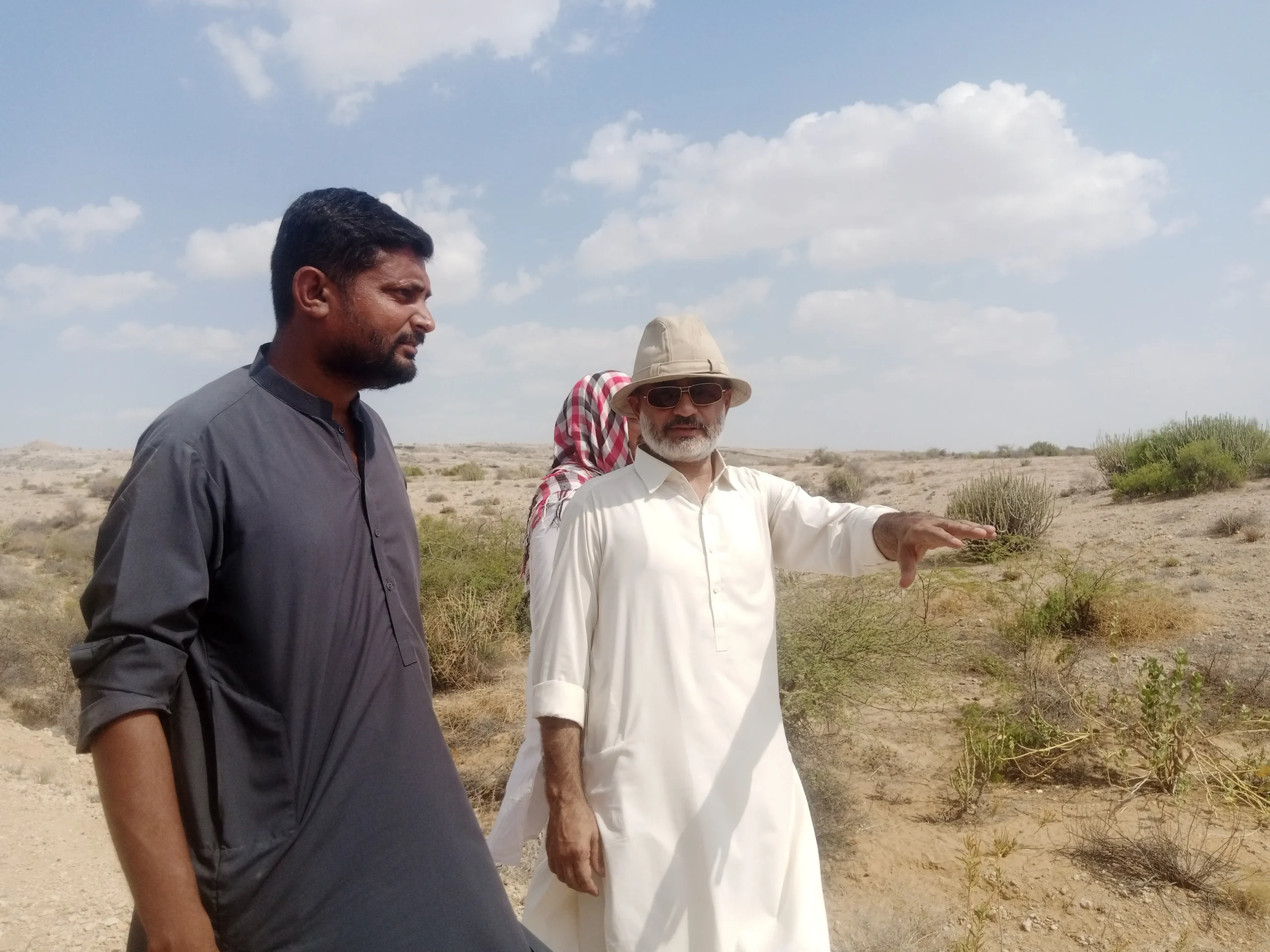
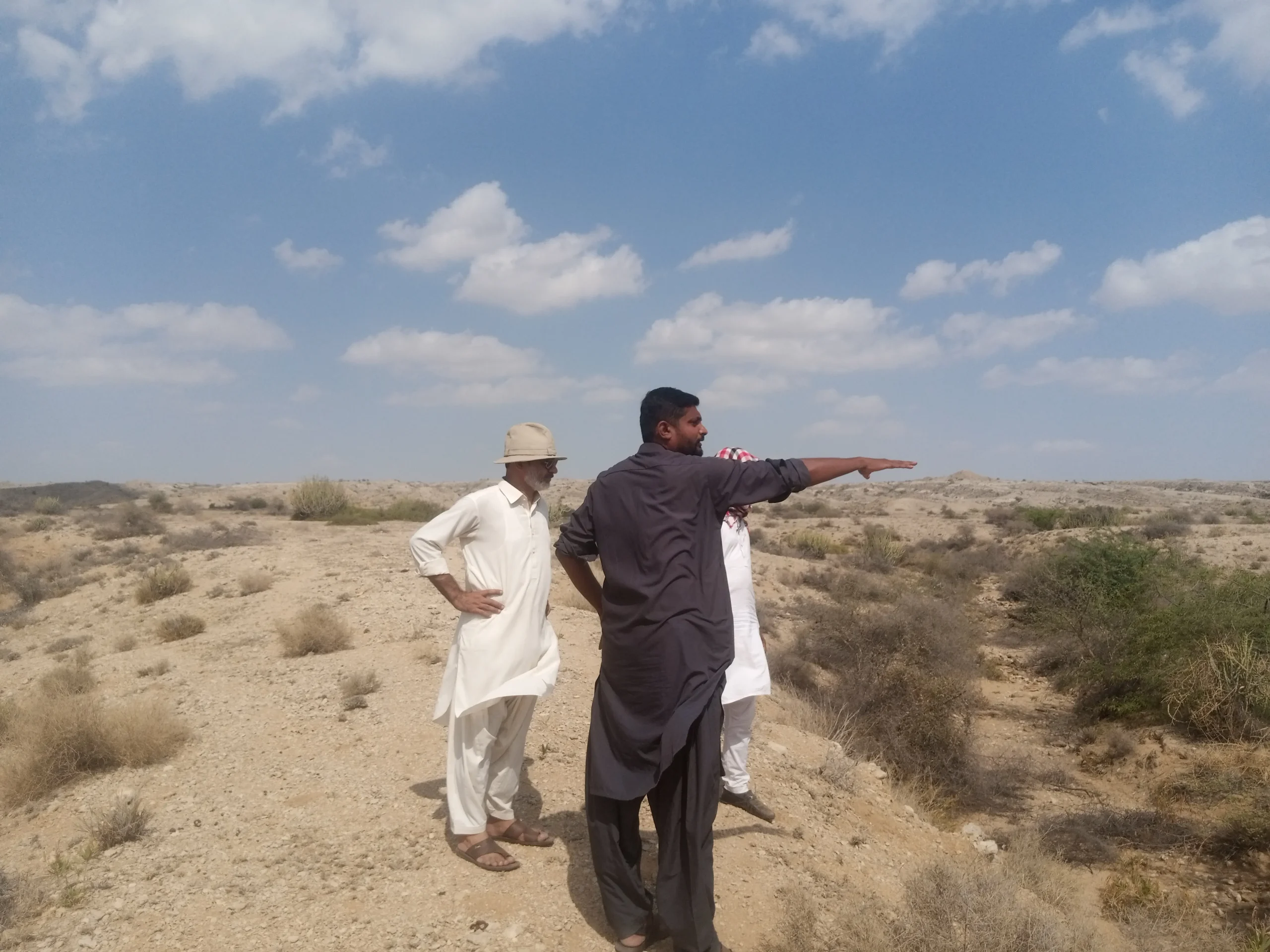
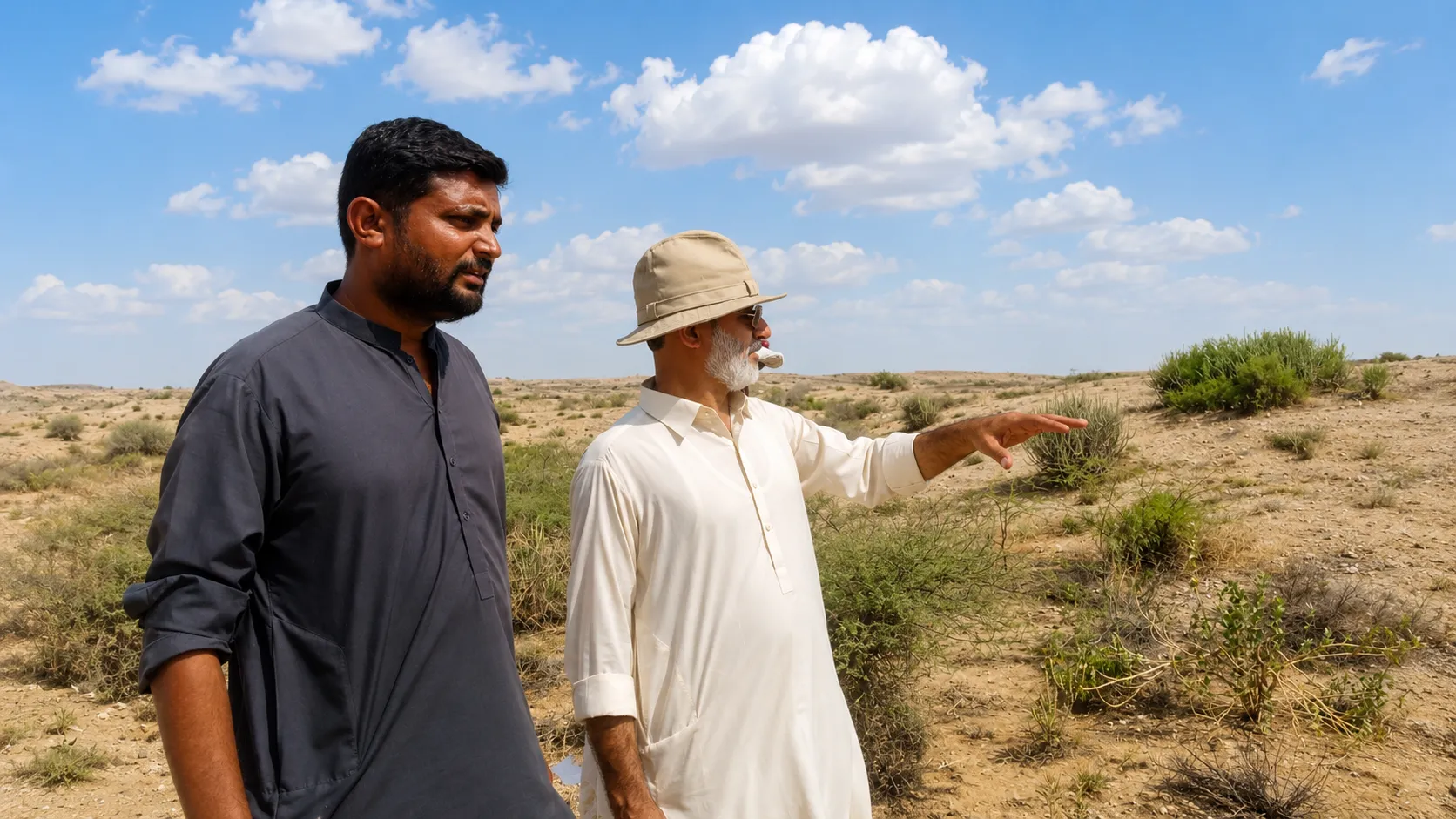
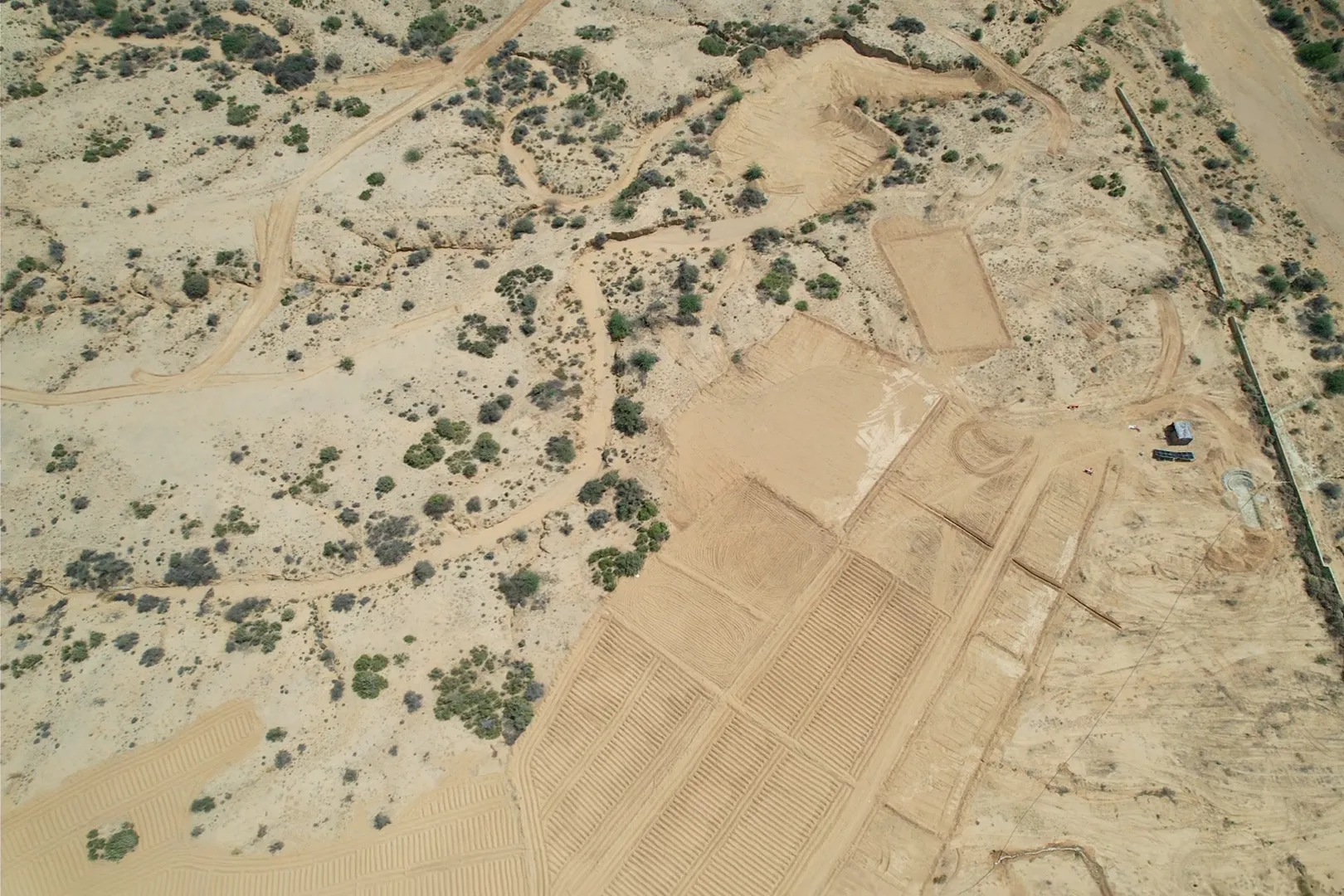
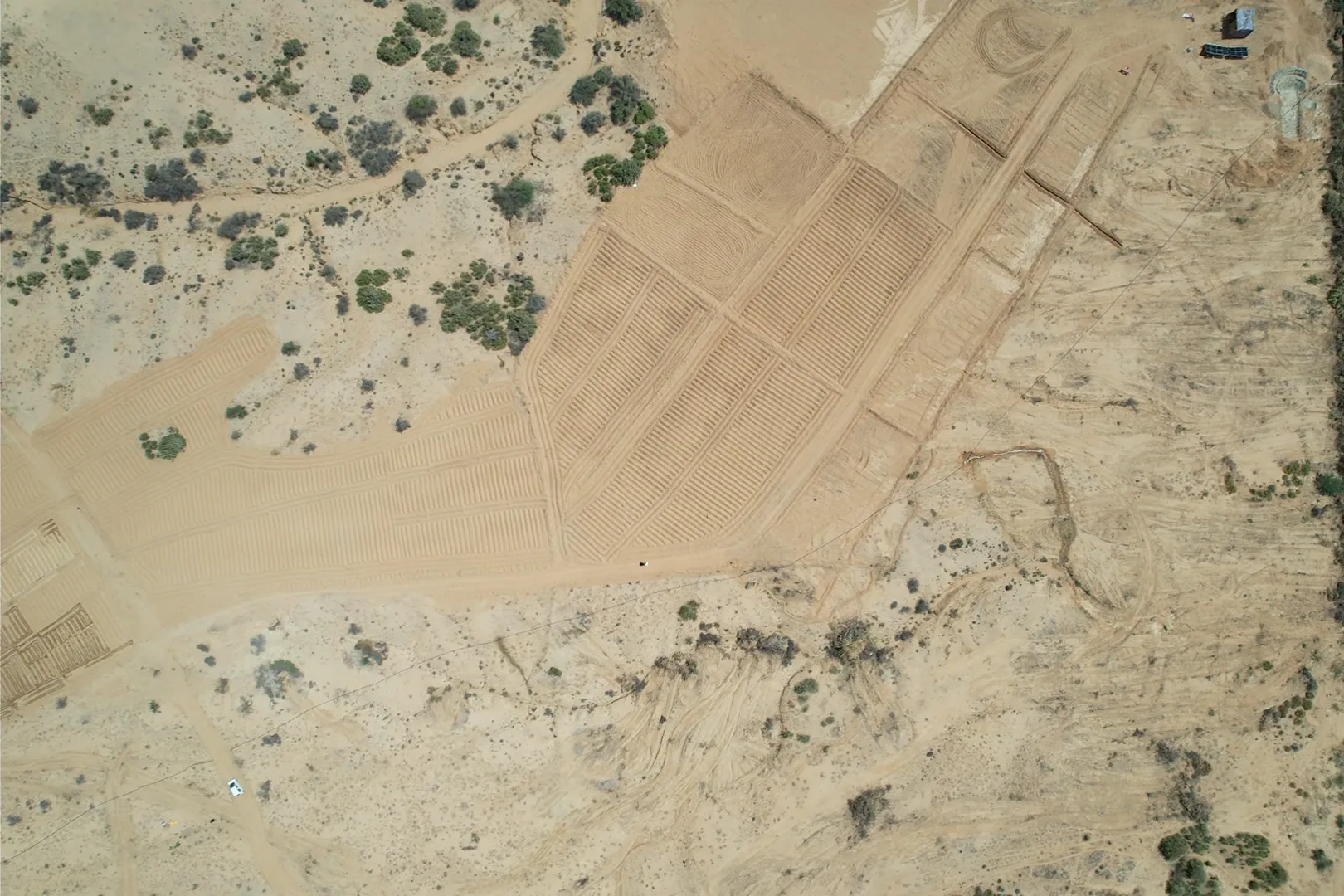
Regenerative Farming and Soil Water Conservation Project on 285 Acres in Nooriabad

Soil Water Conservation Project

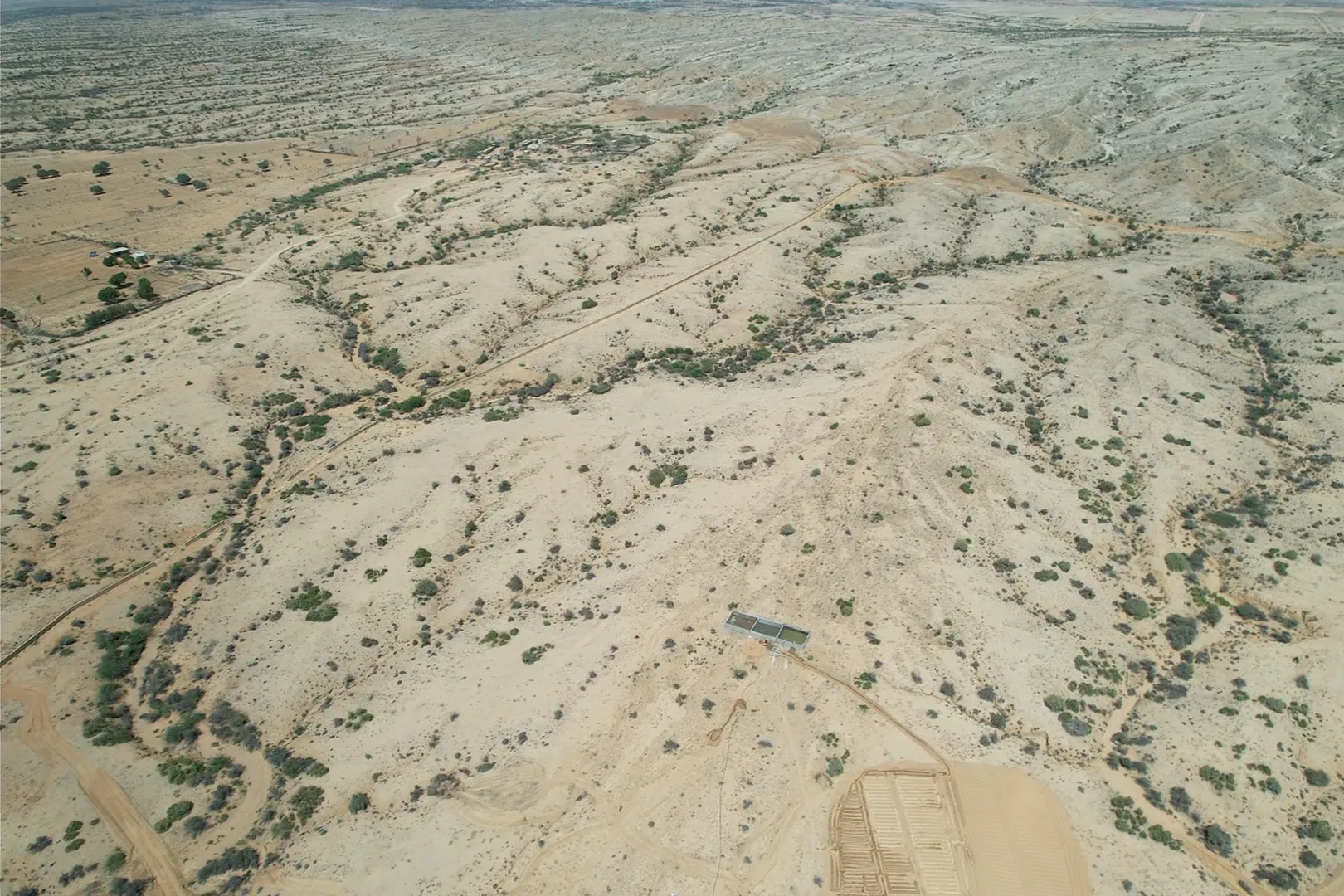
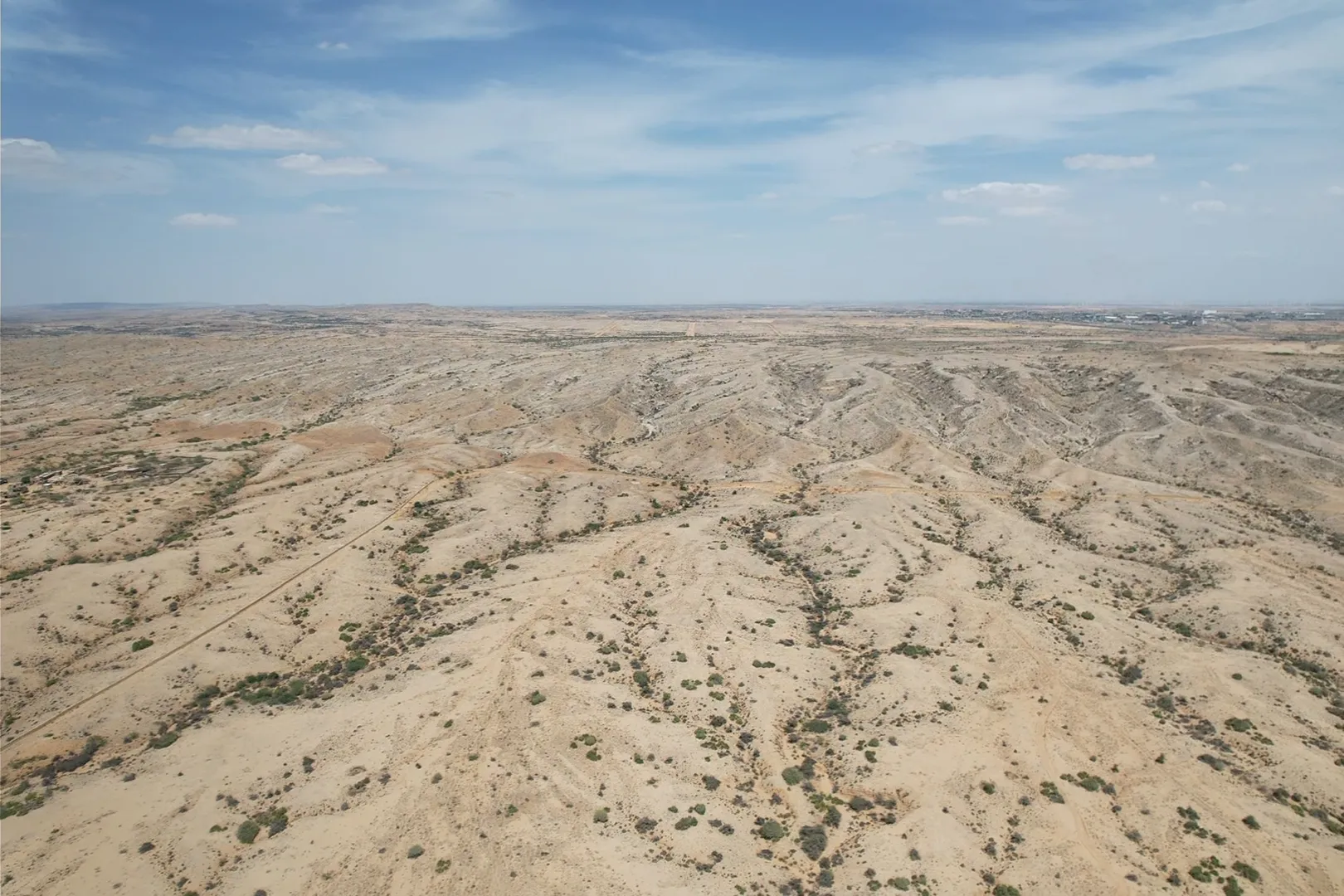
The Soil Water Conservation Project implemented by Hara Organic Pakistan (Pvt) Limited in Nooriabad, Sindh, represents one of Pakistan’s largest integrated regenerative agriculture and land restoration initiatives.

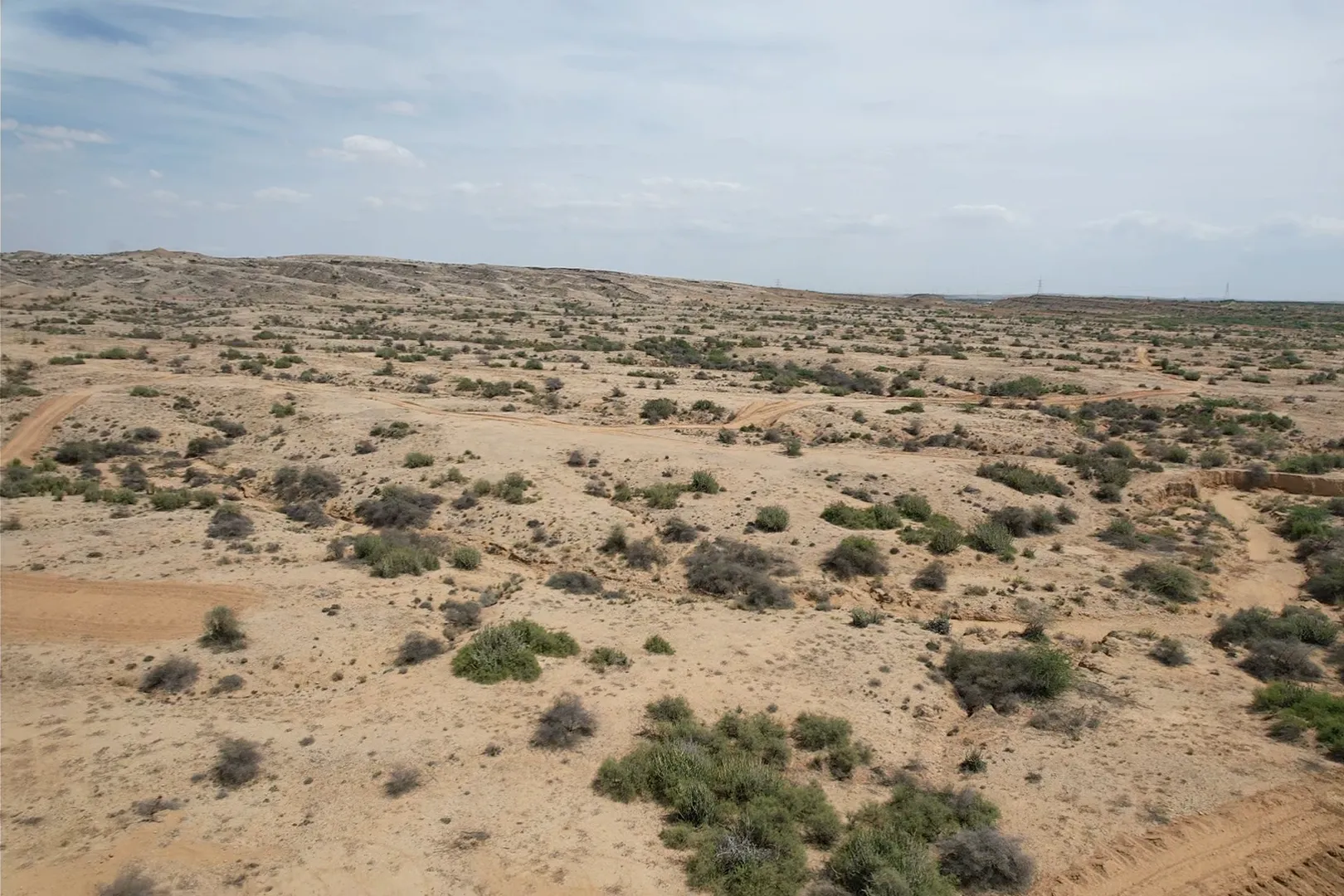
Located in a semi-arid industrial region that receives approximately 200 mm of annual rainfall, the project demonstrates how innovative landscape design, regenerative farming practices, and sustainable water management can transform degraded land into a productive and resilient ecosystem.

Developed in collaboration with a premium textile project across approximately 285 acres, the initiative focuses on water conservation, groundwater recharge, soil restoration, and climate-resilient agriculture.

Through its expertise in regenerative agriculture and environmental sustainability, Hara Organic Pakistan has helped establish a practical model for addressing water scarcity, land degradation, and ecosystem restoration challenges across Pakistan’s dry and low rainfall regions. 

Understanding the Need for a Soil Water Conservation Project

Nooriabad faces significant environmental challenges due to limited rainfall, high temperatures, and increasing pressure on groundwater resources. Traditional agriculture in such conditions often depends heavily on irrigation, leading to groundwater depletion and unsustainable farming systems.

The Soil Water Conservation Project was designed to create a sustainable agricultural landscape that captures and stores rainfall naturally while improving soil health and reducing dependence on external water sources.

Rather than focusing solely on irrigation infrastructure, the project adopted a regenerative approach that works with natural water cycles and ecosystem processes.

Project Objectives

The primary goal of the project was to restore degraded land while creating a farming system capable of functioning efficiently under low rainfall conditions. Key objectives included:

  • Improving groundwater recharge
  • Reducing surface runoff and soil erosion
  • Enhancing soil organic matter
  • Increasing water infiltration into the soil
  • Building climate-resilient agricultural systems
  • Restoring ecological balance within the landscape

These objectives were achieved through a combination of water harvesting structures, landscape engineering, and regenerative farming techniques.

Major Components of the Soil Water Conservation Project

Several integrated interventions were implemented to maximize rainwater capture and improve overall land productivity.

Construction of Check Dams

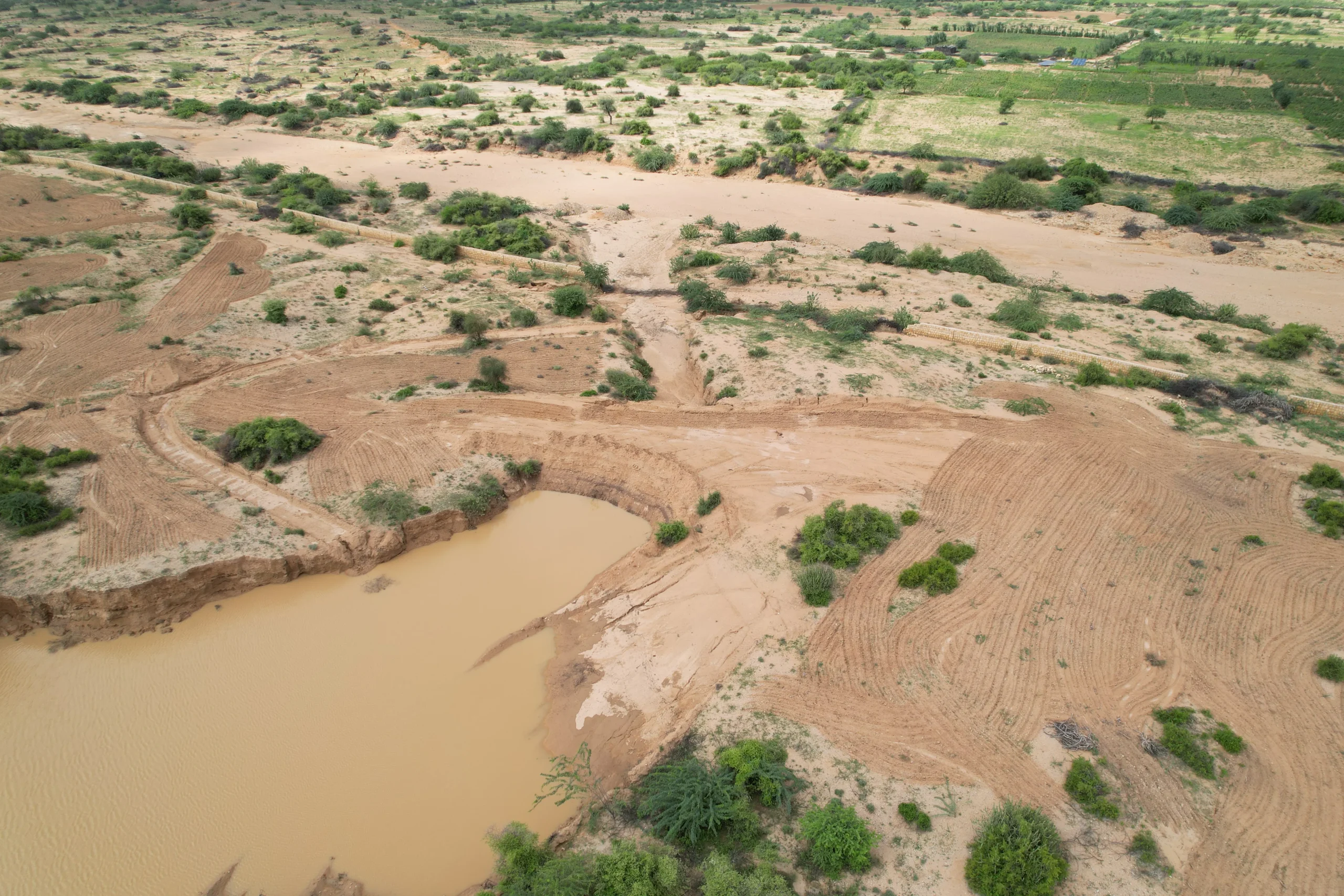
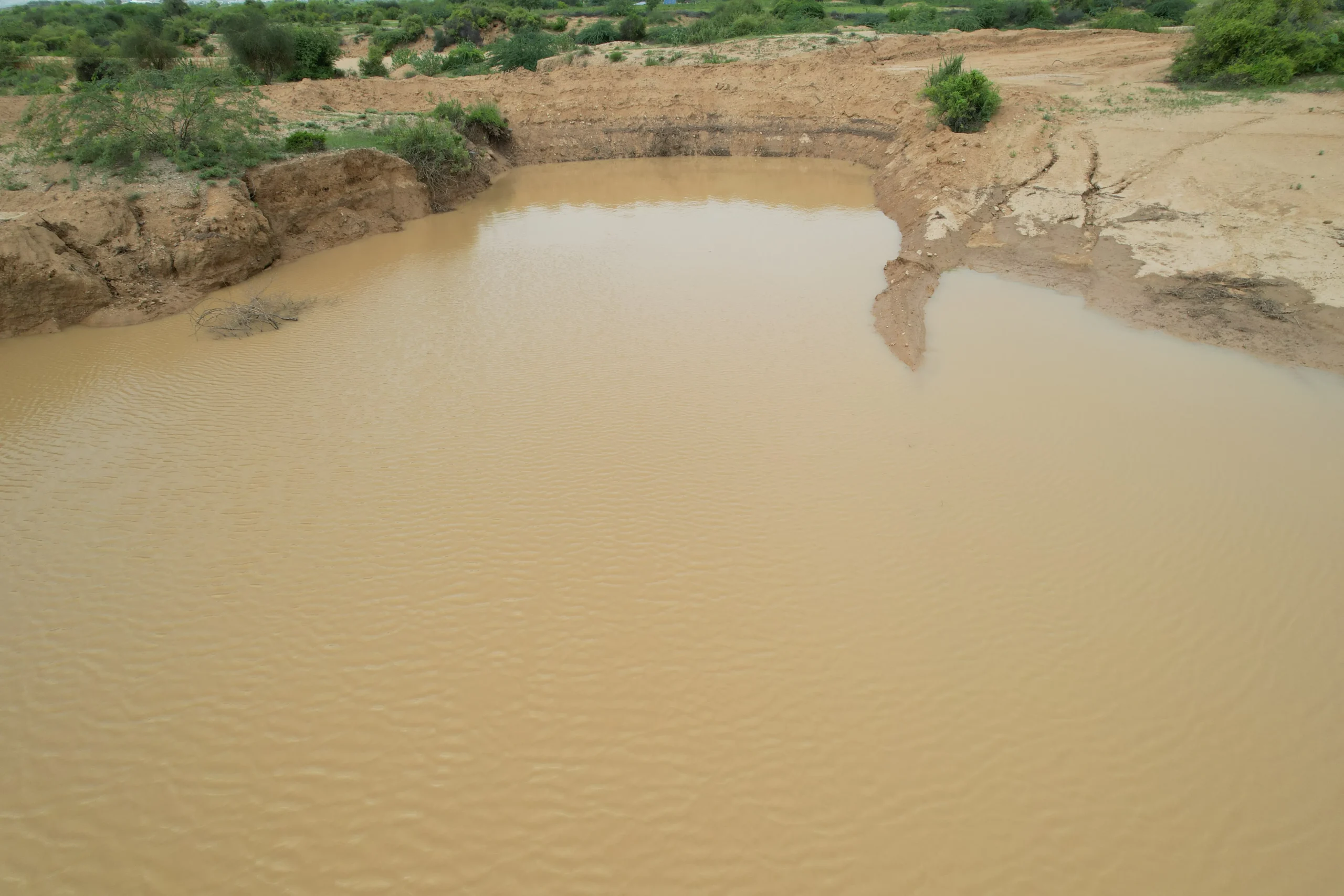
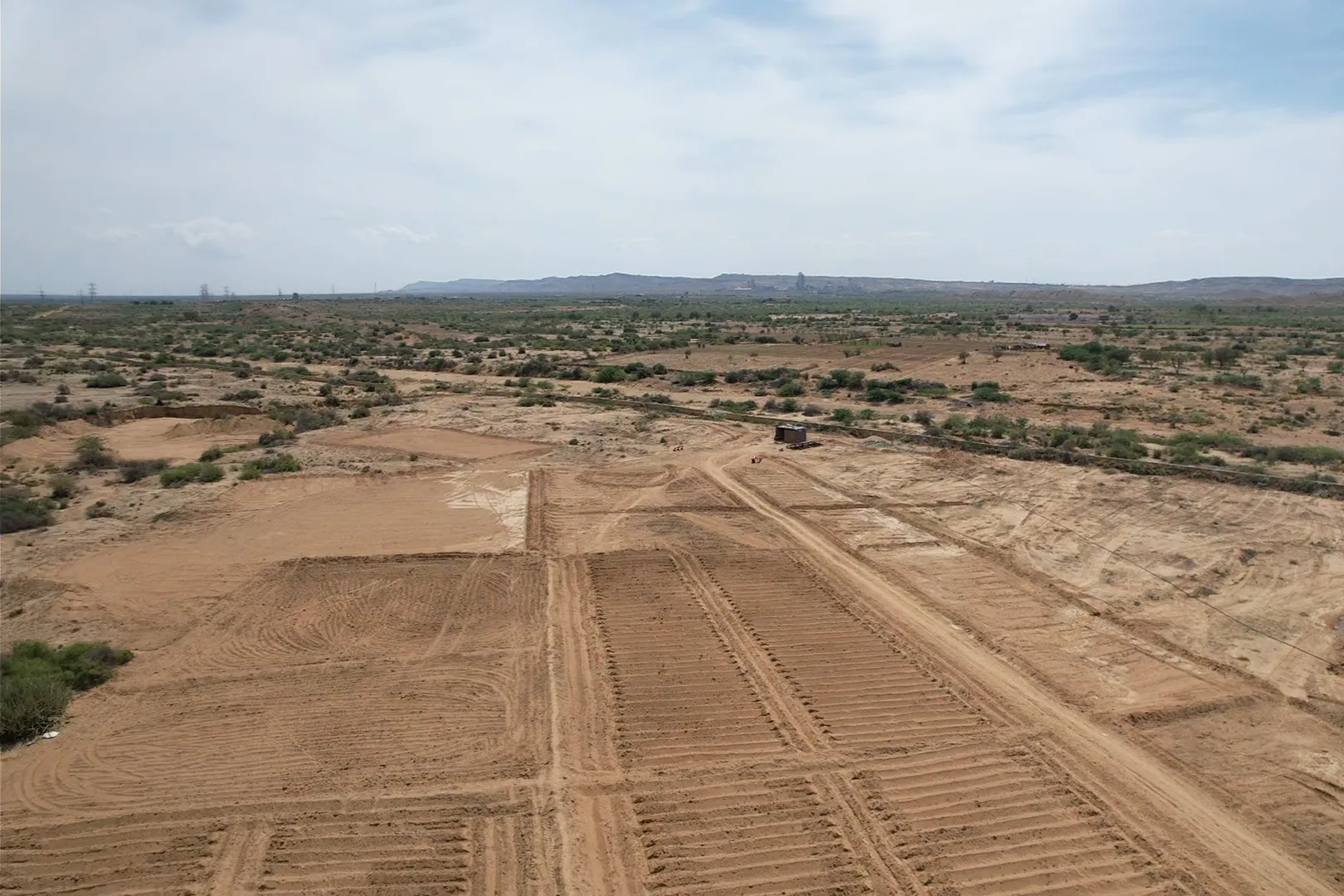
Small check dams were strategically installed to slow the movement of rainwater across the landscape. These structures help retain water for longer periods, allowing greater infiltration into the soil and reducing erosion caused by fast-flowing runoff.

Development of Earthen Dams

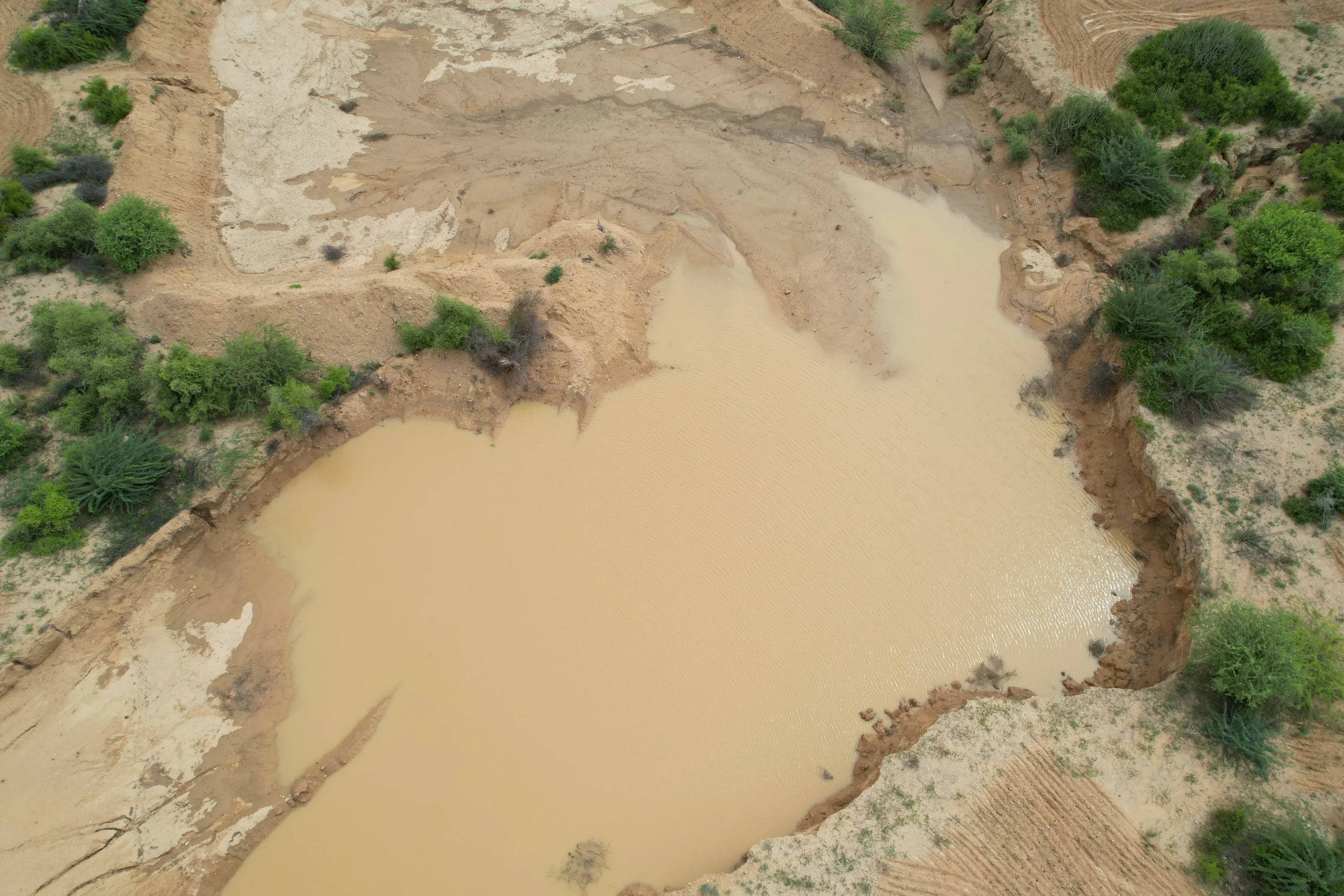
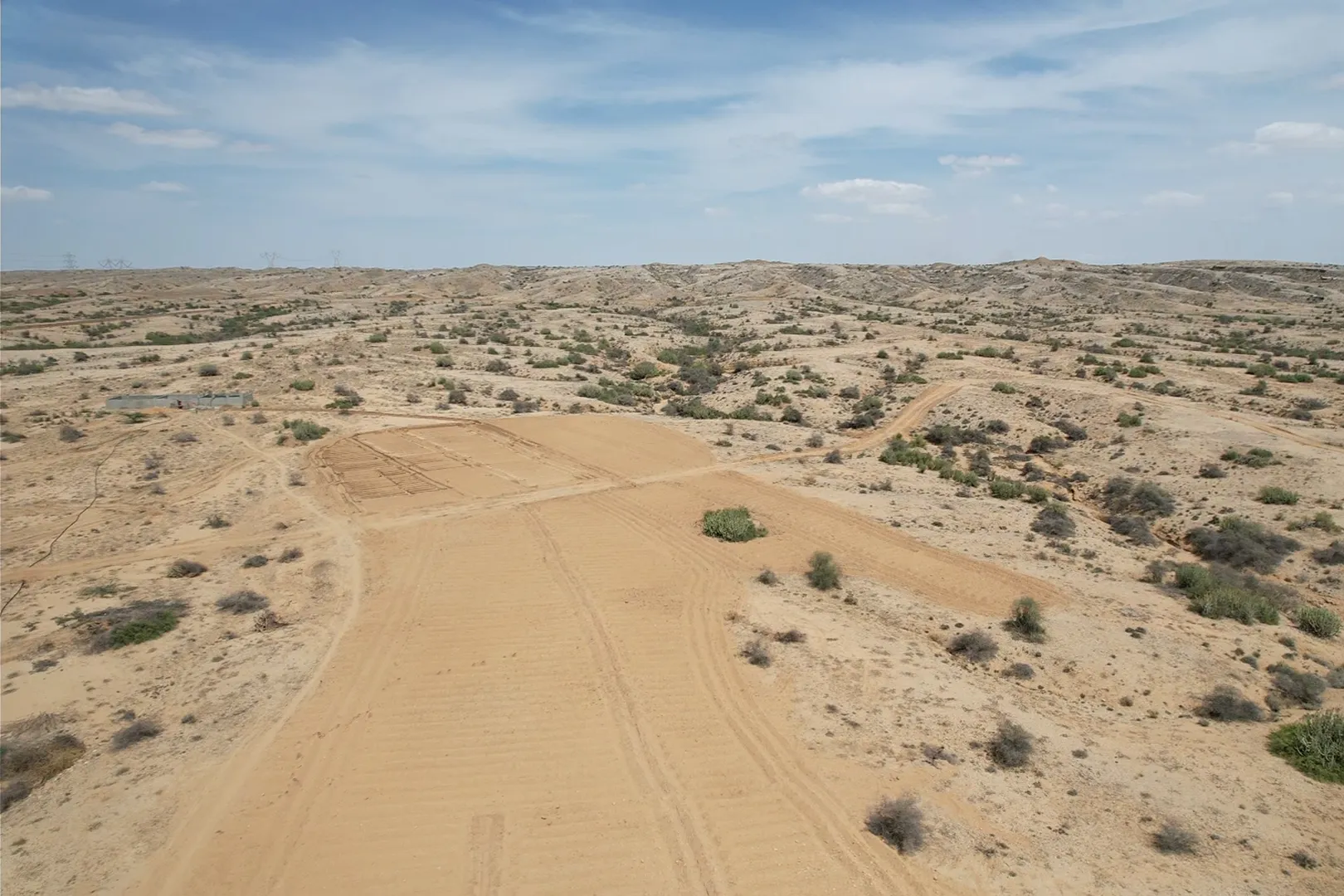
Both small and large earthen dams were constructed throughout the project area to capture seasonal rainfall. These structures act as temporary water storage systems that support groundwater recharge and improve moisture availability across the site.

Swales and Contour Bund Systems

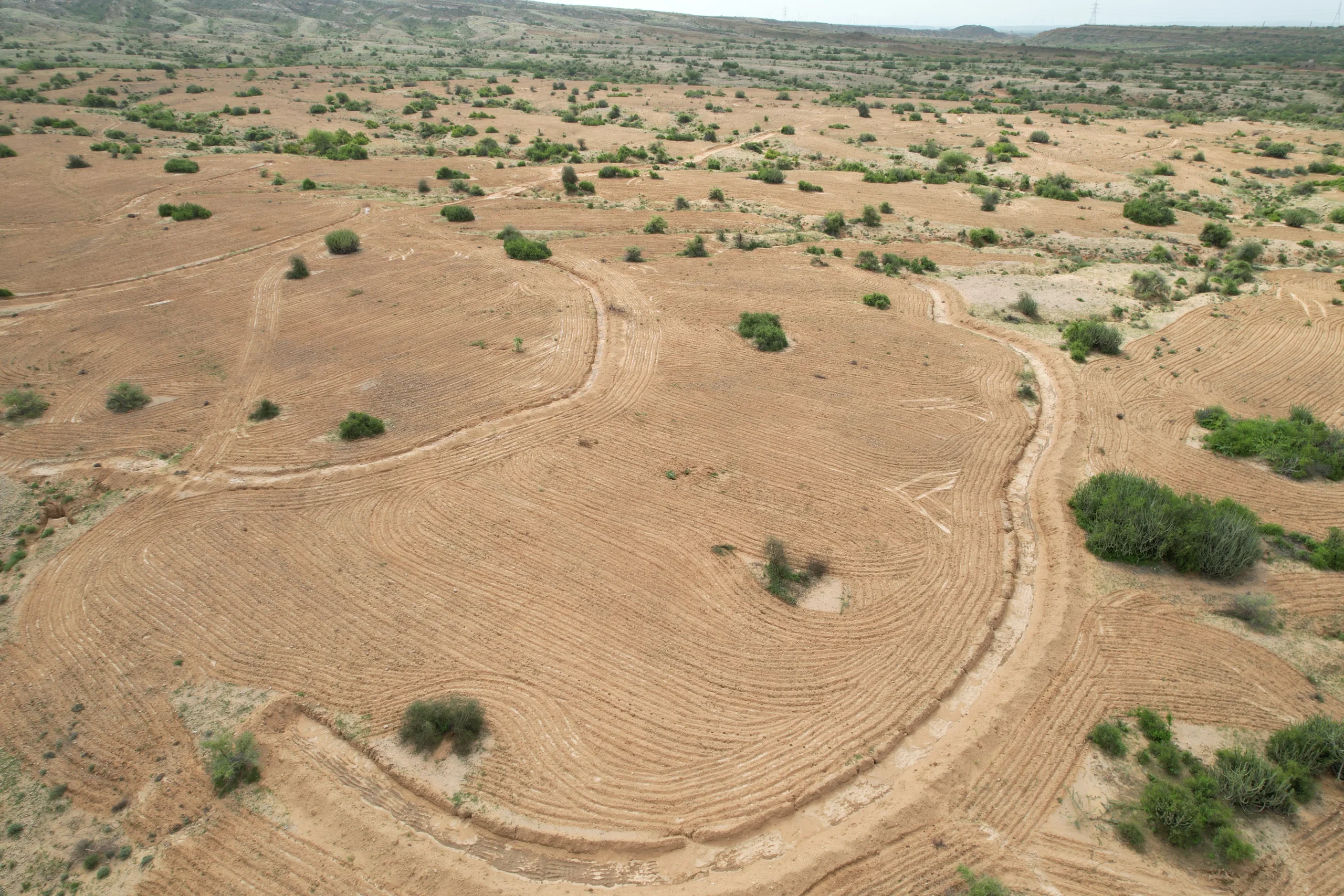
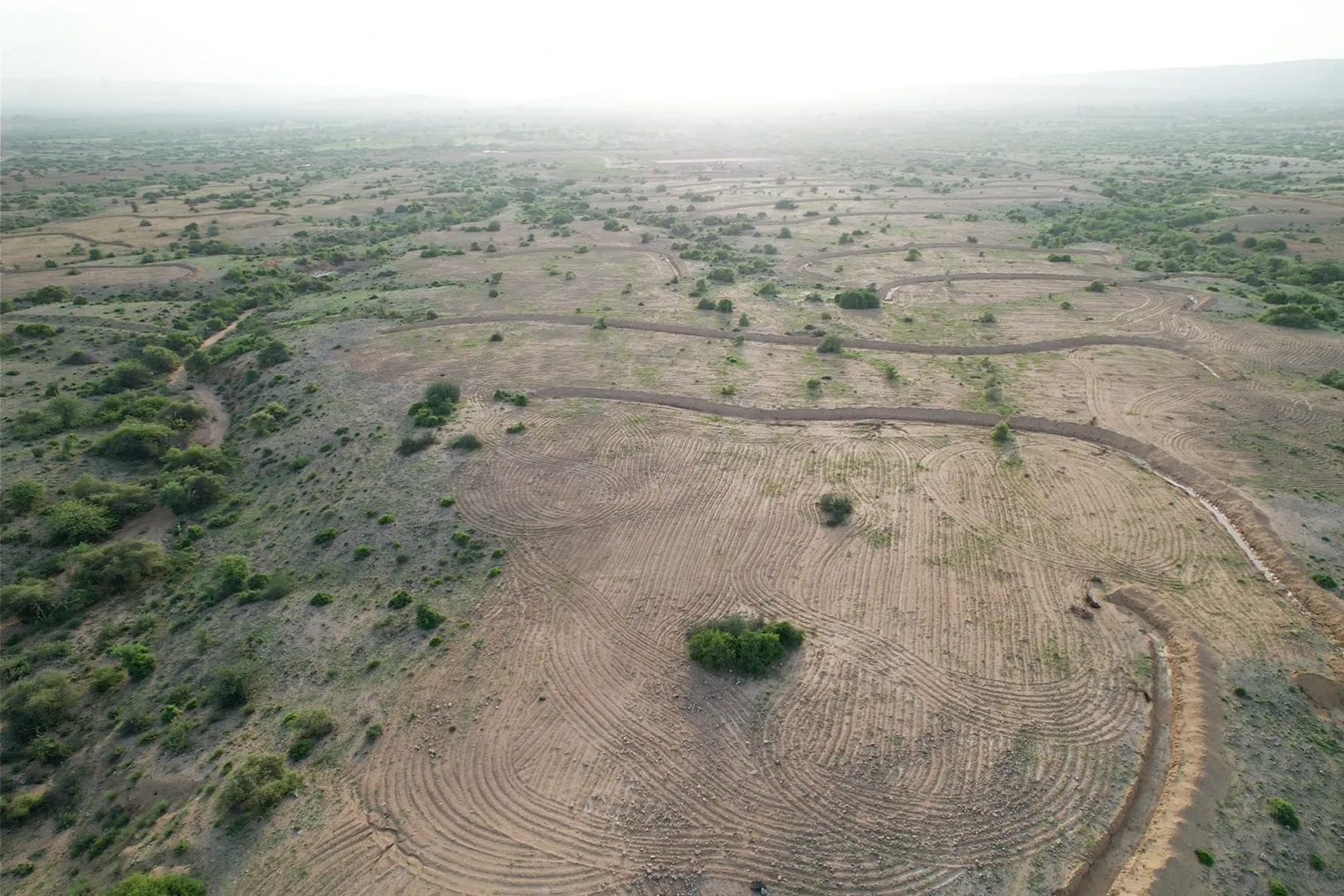
Swales and contour bunds were designed along the natural contours of the land to intercept rainwater runoff.

These systems help:

  • Slow water movement
  • Increase soil absorption
  • Reduce water loss
  • Improve moisture distribution across the landscape

The use of contour-based water management is a key element of successful regenerative agriculture in dry regions.

Rainwater Harvesting Infrastructure

Rainwater harvesting systems were incorporated to capture valuable seasonal rainfall and redirect it into the soil profile.

Instead of allowing rainwater to leave the site through surface runoff, the project focuses on retaining and utilizing every available drop of water.

Soil Regeneration Through Organic Matter Improvement

The Soil Water Conservation Project also prioritized improving soil organic matter through regenerative farming practices. Increasing soil organic content improves:

Soil Improvement Benefit

Impact

Water Holding Capacity

Stores moisture for longer periods

Soil Structure

Improves root development

Microbial Activity

Enhances nutrient cycling

Erosion Resistance

Protects topsoil

Crop Resilience

Supports healthier plant growth

Healthy soils function as natural water reservoirs, reducing dependence on artificial irrigation systems.

Groundwater Recharge and Environmental Benefits

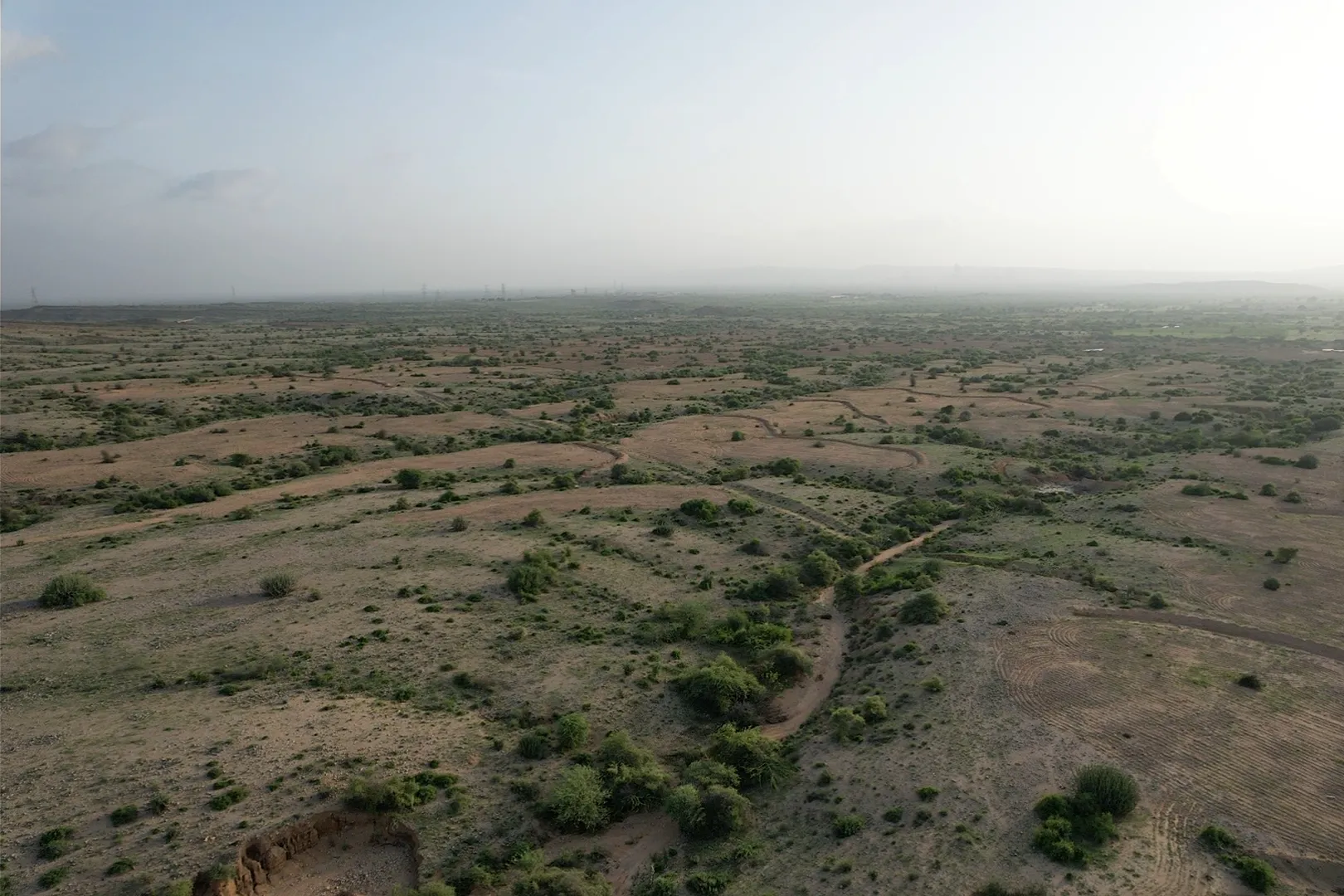
One of the most significant achievements of the Soil Water Conservation Project has been the gradual improvement in groundwater levels across the project area.

Several factors contributed to this success:

Increased Water Infiltration

Water conservation structures allow rainfall to move slowly into the soil rather than rapidly flowing away from the landscape.

Reduced Soil Erosion

By controlling runoff velocity, the project minimizes topsoil loss and preserves valuable nutrients.

Improved Soil Structure

Higher organic matter levels create better soil porosity, allowing greater water storage and root penetration.

Enhanced Vegetation Cover

Improved soil moisture has encouraged vegetation growth, further stabilizing soil and supporting ecological restoration.

Together, these improvements have created a more resilient and self-sustaining ecosystem within a challenging semi-arid environment.

Why This Soil Water Conservation Project Matters for Pakistan

Pakistan is facing increasing water stress due to population growth, climate variability, groundwater depletion, and inefficient water management practices.

Regions such as Sindh, Balochistan, and Southern Punjab are particularly vulnerable because of low rainfall and limited water resources.

This Soil Water Conservation Project demonstrates several important lessons:

Productive Ecosystems Can Thrive in Low Rainfall Areas

Even regions receiving only 200 mm of annual rainfall can support healthy agricultural and ecological systems when water is managed effectively.

Landscape Design Is as Important as Irrigation

The project shows that water conservation begins with intelligent landscape planning rather than relying solely on irrigation infrastructure.

Soil Can Function as a Natural Water Storage System

Healthy soil with high organic matter can absorb and store significant amounts of rainfall, reducing water shortages during dry periods.

Industrial Land Can Support Ecological Restoration

The success of this initiative proves that industrial and commercial landscapes can contribute positively to environmental sustainability and land restoration.

Practical Regenerative Techniques for Farmers

Farmers and landowners operating in arid and semi-arid regions can adopt similar regenerative approaches at relatively low cost.

Rainwater Harvesting Structures

Simple check dams and earthen bunds can significantly reduce runoff losses and improve water retention.

Swales on Contour Lines

Swales slow water movement and maximize infiltration, making them highly effective in sloping landscapes.

Increasing Organic Matter

The application of compost, farmyard manure, vermicompost, and crop residues helps improve soil water holding capacity and fertility.

Mulching and Ground Cover

Maintaining soil cover reduces evaporation and protects soil moisture during hot weather conditions.

Agroforestry Systems

Integrating trees with crops enhances shade, reduces wind effects, improves biodiversity, and strengthens soil stability.

Reduced Tillage Practices

Minimizing soil disturbance helps preserve soil structure, microbial activity, and long-term moisture retention.

Water Smart Farming for Low Rainfall Regions

A successful Soil Water Conservation Project does not focus on bringing additional water into a landscape. Instead, it focuses on maximizing the value of existing rainfall.

A regenerative farming system works like a natural sponge by:

  • Capturing rainfall when it occurs
  • Storing water within soil layers
  • Releasing moisture gradually to crops and vegetation
  • Reducing dependence on groundwater extraction

This approach creates a more sustainable and climate-resilient agricultural system.

Conclusion

The Soil Water Conservation Project implemented across 285 acres in Nooriabad is a powerful example of how regenerative farming and landscape engineering can transform water-scarce environments into productive and sustainable ecosystems.

Through check dams, earthen dams, swales, rainwater harvesting systems, and soil regeneration practices, the project has successfully improved groundwater recharge, enhanced soil health, and strengthened environmental resilience.

As Pakistan faces growing challenges related to water scarcity, climate change, and land degradation, this model offers a practical, scalable, and cost-effective solution that can be replicated across arid and semi-arid regions to support sustainable agriculture and long-term ecological restoration.

Hara Organic Pakistan (Pvt) Limited remains committed to promoting regenerative agriculture, soil health improvement, and sustainable farming practices across Pakistan.

Whether you are a farmer, gardener, landowner, or agricultural professional, you can contact Hara Organic Pakistan for high-quality organic products and solutions for gardening, farming, soil improvement, and sustainable crop production. Together, we can build healthier soils, conserve water resources, and create a more sustainable agricultural future for Pakistan.