


Neem Oil for Plants has become one of the most trusted natural solutions for protecting crops, vegetables, flowers, fruit trees, and ornamental plants from harmful insects and diseases.
As more gardeners and farmers in Pakistan look for environmentally friendly alternatives to synthetic pesticides, neem oil continues to gain popularity because it offers effective pest control while supporting healthier plant growth.
Extracted from the seeds of the neem tree (Azadirachta indica), neem oil contains naturally occurring compounds that interfere with the feeding, growth, and reproduction of many common garden pests. Unlike conventional pesticides that often kill insects immediately, neem oil gradually disrupts their life cycle, making it an important tool in Integrated Pest Management (IPM).
Whether you maintain a home kitchen garden, grow vegetables commercially, manage an orchard, or cultivate ornamental plants, understanding how neem oil works can help you improve plant health while reducing unnecessary chemical pesticide use.
This comprehensive guide explains everything you need to know about Neem Oil for Plants, including its benefits, uses, application methods, safety tips, and why it has become an important part of sustainable agriculture in Pakistan.
What Is Neem Oil for Plants?
Neem oil is a natural vegetable oil extracted from the seeds of the neem tree, which is widely grown across Pakistan and many other tropical regions. For centuries, neem has been valued for its agricultural and medicinal properties.
The most important active ingredient in neem oil is Azadirachtin, a naturally occurring compound that affects insects in several ways. Instead of poisoning pests instantly, it disrupts their feeding habits, growth cycle, egg production, and reproduction. This unique mode of action makes neem oil different from many chemical pesticides.
Modern cold-pressed neem oil also contains other beneficial natural compounds, including Nimbin, Salannin, and fatty acids that contribute to its insecticidal and protective properties.
Because it is plant-based, neem oil has become a preferred choice for gardeners and farmers who want an effective yet environmentally responsible approach to pest management.
Why Is Neem Oil Becoming Popular in Pakistan?
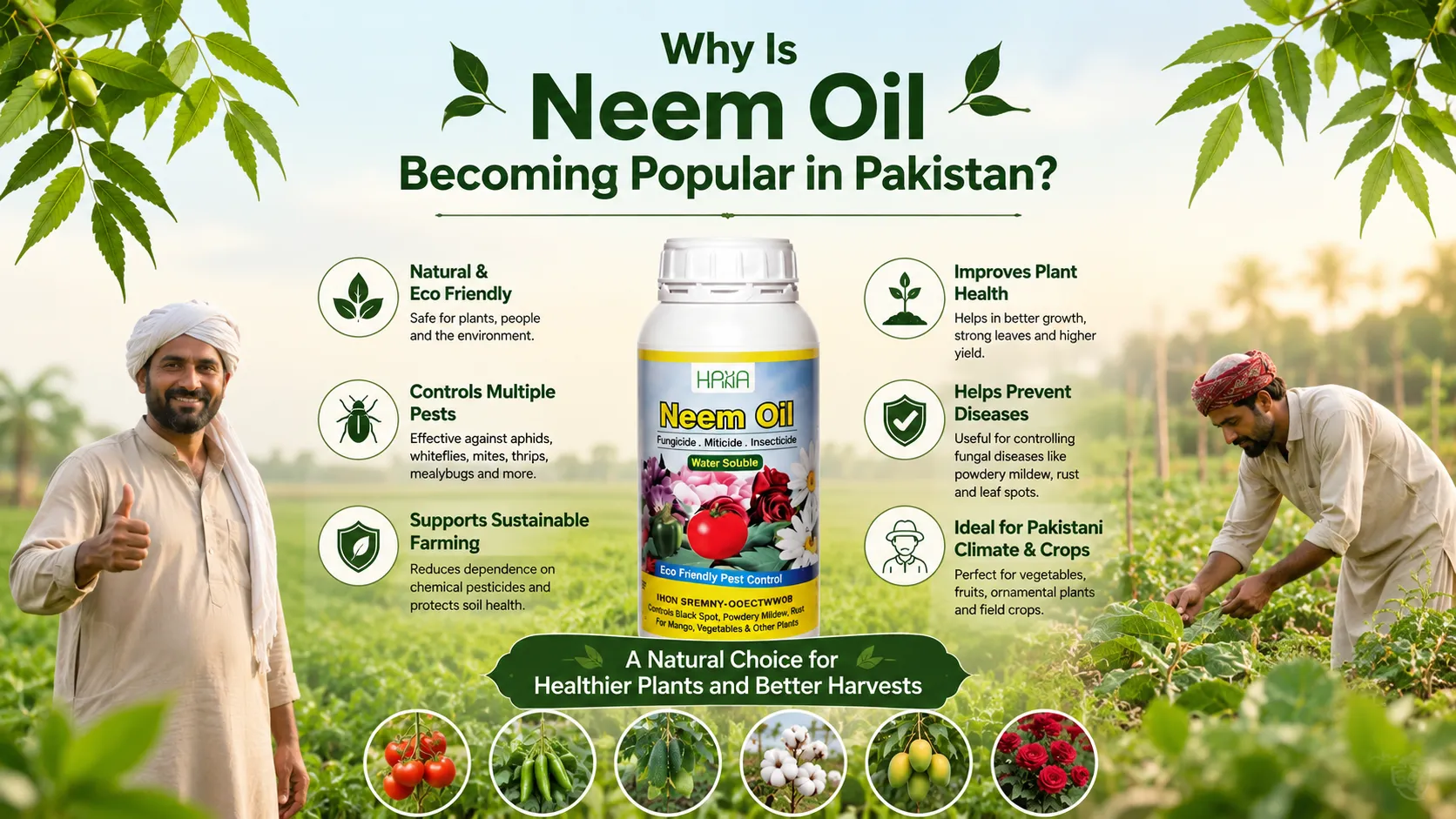
Pakistan’s diverse climate supports the cultivation of vegetables, fruits, flowers, cereals, and cash crops. However, warm temperatures and seasonal humidity also create favorable conditions for insects, mites, and fungal diseases.
Many growers are now moving toward sustainable farming practices that reduce excessive dependence on synthetic pesticides. Neem oil fits well into this approach because it provides natural pest management while helping protect beneficial soil ecosystems.
Some of the main reasons for its growing popularity include:
- It controls many common garden pests with a single product.
- It supports organic and sustainable farming practices.
- It can help reduce fungal diseases on plants.
- It leaves minimal environmental residue when used correctly.
- It is suitable for home gardens as well as commercial agriculture.
- It can be integrated with other pest management methods.
These advantages make neem oil an increasingly valuable solution for both small-scale gardeners and professional farmers across Pakistan.
How Does Neem Oil Work?
Neem oil works differently from traditional chemical insecticides. Instead of simply killing insects on contact, it interferes with several biological processes that insects need to survive.
When insects feed on leaves treated with neem oil, the active compounds disrupt their hormonal system. As a result, insects may stop feeding, fail to grow into adults, produce fewer eggs, or become unable to reproduce successfully. Over time, the pest population gradually declines.
Cold-pressed neem oil also coats soft-bodied insects such as aphids and mealybugs, helping to smother them through direct contact. At the same time, its natural antifungal properties may help suppress certain plant diseases when used as part of a preventive care program.
Because neem oil affects multiple stages of an insect’s life cycle, pests are generally less likely to develop resistance compared to many conventional pesticides.
Which Plants Can Neem Oil Be Used On?
One of the biggest advantages of neem oil is its versatility. It can be used on a wide variety of plants commonly grown in Pakistan.
Plant Type | Suitable for Neem Oil |
Vegetables | Yes |
Fruit Trees | Yes |
Flowering Plants | Yes |
Herbs | Yes |
Indoor Plants | Yes |
Ornamental Plants | Yes |
Kitchen Garden Crops | Yes |
Nursery Plants | Yes |
It is commonly applied to tomatoes, chilies, cucumbers, okra, eggplants, spinach, citrus trees, mango trees, guava, roses, hibiscus, jasmine, and many ornamental shrubs.
Although neem oil is generally safe for most plants, it is always advisable to test a small section before treating the entire plant, especially if you are working with delicate ornamental species.
Which Pests Does Neem Oil Control?
Neem oil is effective against a broad range of soft-bodied insects and other common garden pests that frequently attack crops in Pakistan.
Common Pest | How Neem Oil Helps |
Aphids | Stops feeding and reproduction |
Whiteflies | Reduces population gradually |
Mealybugs | Smothers adults and disrupts development |
Spider Mites | Helps suppress infestations |
Thrips | Discourages feeding |
Scale Insects | Controls immature stages |
Leaf Miners | Interrupts larval growth |
Fungus Gnats | Reduces larvae |
Caterpillars (early stages) | Slows feeding activity |
Because neem oil works gradually, repeated applications are often necessary for severe infestations.
Can Neem Oil Help Control Plant Diseases?
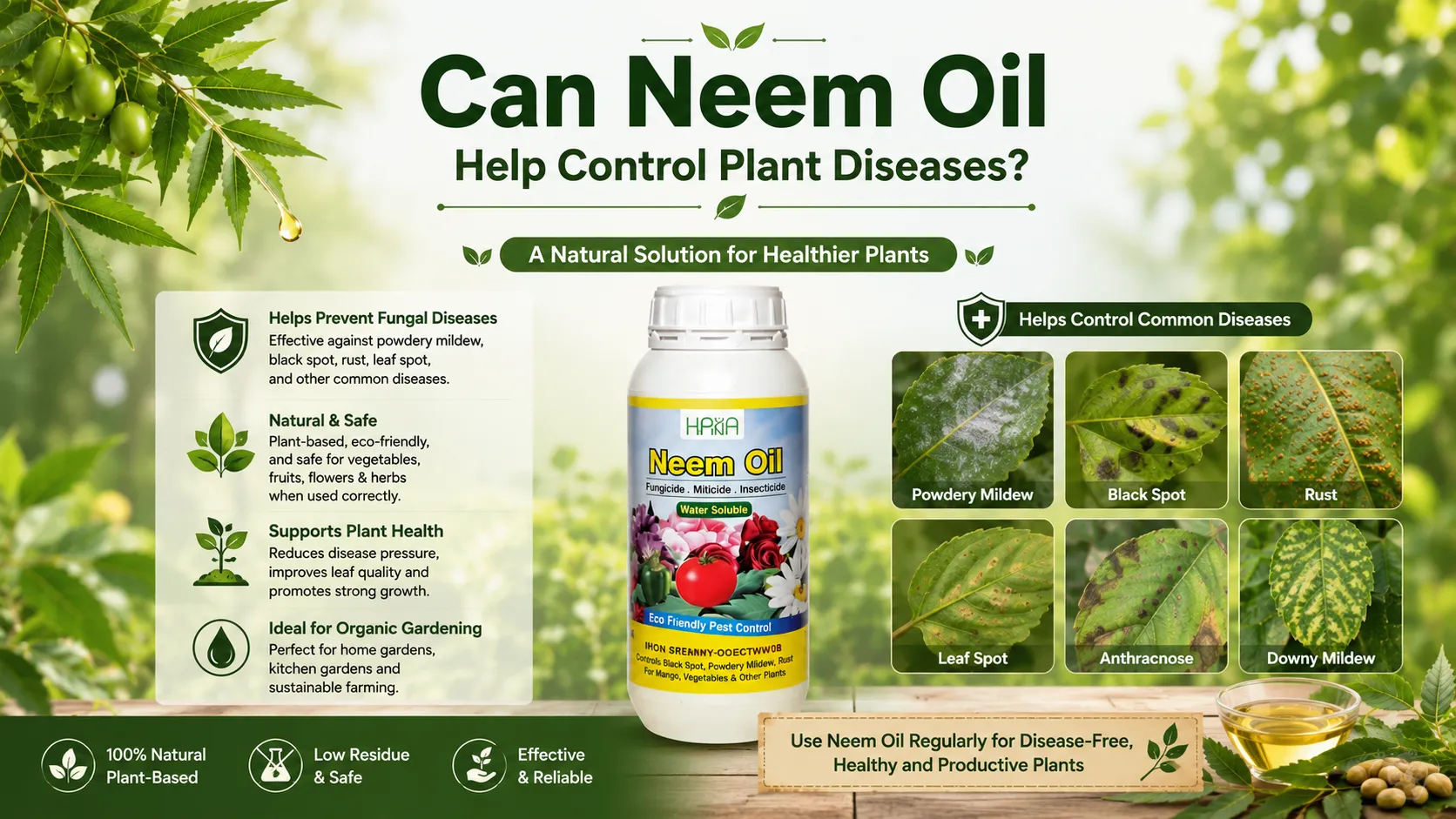
Yes. In addition to insect management, neem oil may help suppress several fungal diseases that commonly affect vegetables, fruit trees, and ornamental plants. Regular preventive applications can help reduce the spread of diseases such as powdery mildew, black spot, rust, anthracnose, and certain leaf spot diseases.
While neem oil should not be considered a complete replacement for proper disease management, it can be an effective part of an integrated plant protection strategy. Healthy gardening practices including proper watering, pruning, air circulation, and sanitation remain essential for long-term disease prevention.
What Are the Benefits of Neem Oil for Plants?
Neem oil offers several advantages that make it suitable for both home gardeners and commercial growers.
Key Benefits
- Controls multiple insect pests with a single natural product.
- Helps suppress several common fungal diseases.
- Supports Integrated Pest Management (IPM).
- Suitable for vegetables, fruits, flowers, herbs, and ornamental plants.
- Leaves minimal environmental residue when used correctly.
- Reduces dependence on repeated chemical pesticide applications.
- Supports sustainable and environmentally responsible gardening.
- Can be used in home gardens as well as commercial farms.
These benefits have made neem oil one of the most widely recommended botanical pesticides worldwide.
Is Cold-Pressed Neem Oil Better?
The quality of neem oil depends greatly on how it is produced. Cold-pressed neem oil is extracted without excessive heat, allowing it to retain more of its naturally occurring active compounds. This generally results in a higher-quality product that provides better performance compared to heavily refined oils.
When choosing neem oil, gardeners should look for products that clearly mention cold-pressed extraction, good manufacturing standards, and proper storage recommendations. Higher-quality neem oil typically offers better stability and more consistent results when used according to the label instructions.
How Should You Use Neem Oil on Plants?
Correct application plays an important role in achieving successful results. Most neem oil products are sold in concentrated form and need to be diluted with water before spraying. Some formulations also require a mild emulsifier so the oil mixes evenly with water.
Always follow the dilution instructions provided on the product label rather than estimating the quantity yourself. When spraying, cover both the upper and lower surfaces of the leaves, along with stems and areas where insects usually hide. Good coverage is essential because neem oil works mainly through contact and ingestion.
For the best results, apply neem oil during the early morning or late afternoon when temperatures are cooler. Avoid spraying during hot midday conditions, as excessive heat may increase the risk of leaf damage. Regular monitoring of your plants will help you determine whether additional applications are needed.
When Is the Best Time to Apply Neem Oil?
The timing of application has a significant impact on how well neem oil performs. Applying it at the right time allows the oil to remain on the plant longer and reduces the risk of leaf damage.
The ideal time to spray neem oil is early in the morning or late in the afternoon when temperatures are cooler and direct sunlight is less intense. During these periods, the spray dries more slowly, giving the active ingredients enough time to work effectively.
Avoid spraying during hot afternoons, especially in Pakistan’s summer months, because high temperatures combined with direct sunlight may cause leaf burn on sensitive plants. Similarly, avoid spraying before heavy rain, as rainfall can wash the product off the leaves before it has time to work.
How Often Should Neem Oil Be Applied?
The frequency of application depends on whether you are using neem oil as a preventive treatment or to control an existing pest problem.
Situation | Recommended Spray Interval |
Preventive plant care | Every 10–14 days |
Mild pest infestation | Every 7–10 days |
Moderate to heavy infestation | Every 5–7 days until controlled |
After heavy rainfall | Reapply if necessary |
Regular monitoring is essential. Inspect your plants every few days and adjust the spraying schedule based on pest activity and weather conditions. Always follow the application instructions provided on the product label.
Can Neem Oil Be Used on Vegetables and Fruit Trees?
Yes. Neem oil is widely used on vegetables, fruits, herbs, and ornamental plants because of its broad-spectrum pest management properties. It is commonly applied to tomatoes, chilies, cucumbers, okra, eggplants, spinach, cabbage, beans, citrus trees, mango trees, guava, pomegranate, grapes, and many other crops grown in Pakistan.
When treating edible plants, ensure the entire plant is covered evenly, particularly the undersides of leaves where insects often hide. Always wash fruits and vegetables thoroughly before consumption and observe the harvest interval mentioned on the product label.
Healthy crops combined with proper watering, balanced nutrition, and regular monitoring usually respond much better to neem oil treatments.
Can Neem Oil Be Used on Indoor Plants?
Indoor plants are often affected by pests such as spider mites, mealybugs, aphids, whiteflies, and fungus gnats. Because these pests can spread quickly inside homes and offices, early treatment is important.
Neem oil can be used safely on many indoor plants when applied correctly. Spray lightly and avoid soaking the foliage. Ensure good air circulation after application and avoid placing freshly sprayed plants in direct sunlight.
For delicate indoor plants, always test the spray on a few leaves first and wait 24 hours before treating the entire plant.
Is Neem Oil Suitable for Organic Farming?
Yes. Neem oil has become one of the most widely used natural pest management products in organic and sustainable agriculture. Instead of relying entirely on synthetic pesticides, many farmers include neem oil as part of an Integrated Pest Management (IPM) program.
This approach combines cultural practices, biological controls, regular crop monitoring, and responsible pesticide use to maintain healthy crops while reducing environmental impact. For farmers in Pakistan, neem oil offers a practical option for protecting vegetables, fruits, herbs, and field crops while supporting more sustainable farming practices.
Why Are More Pakistani Farmers Choosing Neem Oil?
Agriculture in Pakistan faces increasing challenges from insect resistance, changing weather patterns, and growing demand for safer food production. As a result, many farmers are exploring natural alternatives that can be integrated into modern farming systems.
Neem oil has gained popularity because it helps manage a wide range of pests without relying solely on conventional chemical pesticides. It can be used in kitchen gardens, commercial vegetable farms, orchards, nurseries, and ornamental plant production.
When combined with proper irrigation, balanced fertilization, crop rotation, and regular field scouting, neem oil contributes to healthier plants and more sustainable crop management.
Common Mistakes to Avoid When Using Neem Oil
Although neem oil is easy to use, incorrect application can reduce its effectiveness.
Avoid these common mistakes:
- Spraying during hot afternoon temperatures.
- Using a stronger concentration than recommended.
- Applying neem oil to drought-stressed or unhealthy plants.
- Spraying only the upper side of leaves.
- Expecting immediate results after a single application.
- Mixing neem oil with incompatible chemicals without guidance.
- Ignoring the product label and dilution instructions.
Following the manufacturer’s recommendations and maintaining a regular monitoring schedule will provide the best long-term results.
Does Neem Oil Harm Beneficial Insects?
One of the advantages of neem oil is that, when used responsibly, it generally has less impact on beneficial insects than many broad-spectrum chemical pesticides.
However, direct spraying can still affect pollinators and natural predators if they come into contact with fresh spray.
To help protect beneficial insects:
- Spray during early morning or evening.
- Avoid spraying open flowers when bees are actively visiting plants.
- Treat only affected plants instead of spraying the entire garden unnecessarily.
- Follow the recommended application rates.
Responsible use allows gardeners to protect crops while supporting beneficial insect populations.
How Should Neem Oil Be Stored?
Proper storage helps maintain the quality and effectiveness of neem oil. Store the product in its original container with the lid tightly closed. Keep it in a cool, dry place away from direct sunlight, excessive heat, and moisture. Avoid storing it near food, animal feed, or drinking water.
Some cold-pressed neem oils may become thicker during cold weather. This is normal and does not necessarily indicate that the product has spoiled. Allow the container to reach room temperature before use.
Why Choose a High-Quality Neem Oil?
Not all neem oil products are manufactured using the same process. Product quality can influence consistency, stability, and overall performance.
When selecting a neem oil product, look for:
- Cold-pressed extraction methods.
- Clearly labeled application instructions.
- Reliable manufacturing standards.
- Proper packaging that protects the oil from light and contamination.
- Products designed specifically for agricultural or gardening use.
Choosing a high-quality product helps ensure better results while reducing the risk of application errors.
Frequently Asked Questions
Is neem oil safe for all plants?
Most plants tolerate neem oil well when used according to label directions. However, delicate or sensitive plants should always be tested on a small area before full application.
Can neem oil kill insects immediately?
No. Neem oil works gradually by disrupting feeding, growth, and reproduction. Visible improvement usually occurs over several days with repeated applications.
Can neem oil be used during flowering?
Yes, but avoid spraying directly on open flowers when bees and other pollinators are active. Early morning or evening applications are generally preferred.
Does rain reduce the effectiveness of neem oil?
Yes. Heavy rainfall can wash the oil from plant surfaces, making another application necessary once the plants have dried.
Is neem oil suitable for kitchen gardens?
Yes. Neem oil is widely used in kitchen gardens to help manage common pests on vegetables, herbs, and fruit plants when applied correctly.
Conclusion
Neem Oil for Plants has become an essential part of modern gardening and sustainable agriculture in Pakistan. Its natural ability to manage a wide range of insect pests, suppress certain fungal diseases, and support healthier plant growth makes it suitable for home gardeners, commercial farmers, nurseries, and landscape professionals.
The best results come from using neem oil correctly. Applying it during cooler hours, following the recommended dilution rate, ensuring complete plant coverage, and monitoring crops regularly all contribute to effective pest management.
When combined with good irrigation practices, balanced plant nutrition, and proper crop care, neem oil becomes an important component of a long-term plant health strategy.
If you are looking for a high-quality cold-pressed Neem Oil in Pakistan, choosing a trusted product from Hara Organic Pakistan can help you protect vegetables, fruit trees, ornamental plants, and field crops while supporting environmentally responsible farming practices.
Using a reliable neem oil product according to its label instructions allows you to achieve better pest control and healthier plant growth throughout the growing season.
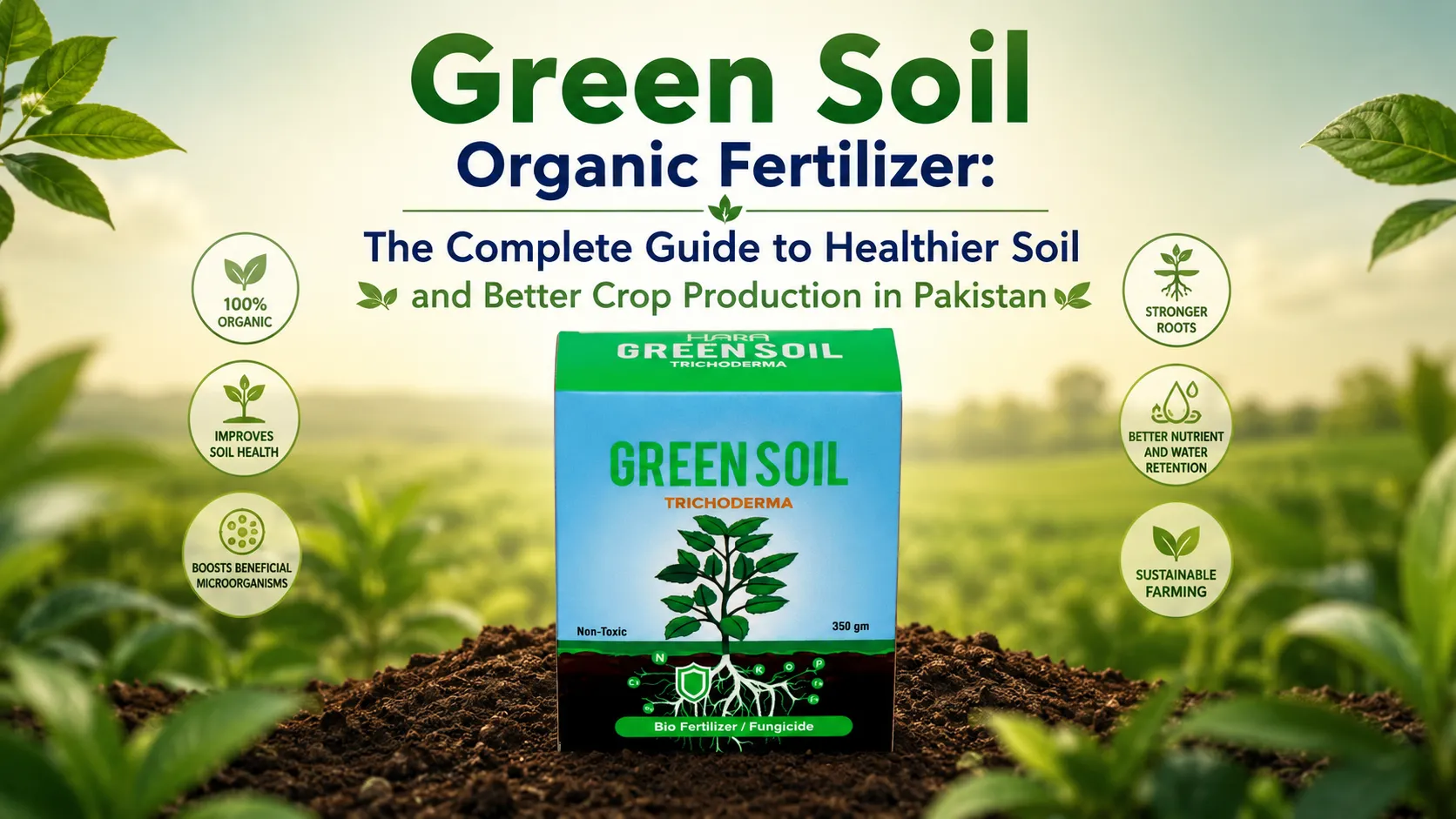

Green Soil Organic Fertilizer: The Complete Guide to Healthier Soil and Better Crop Production in Pakistan
Jump To Green Soil Organic Fertilizer The Complete Guide to
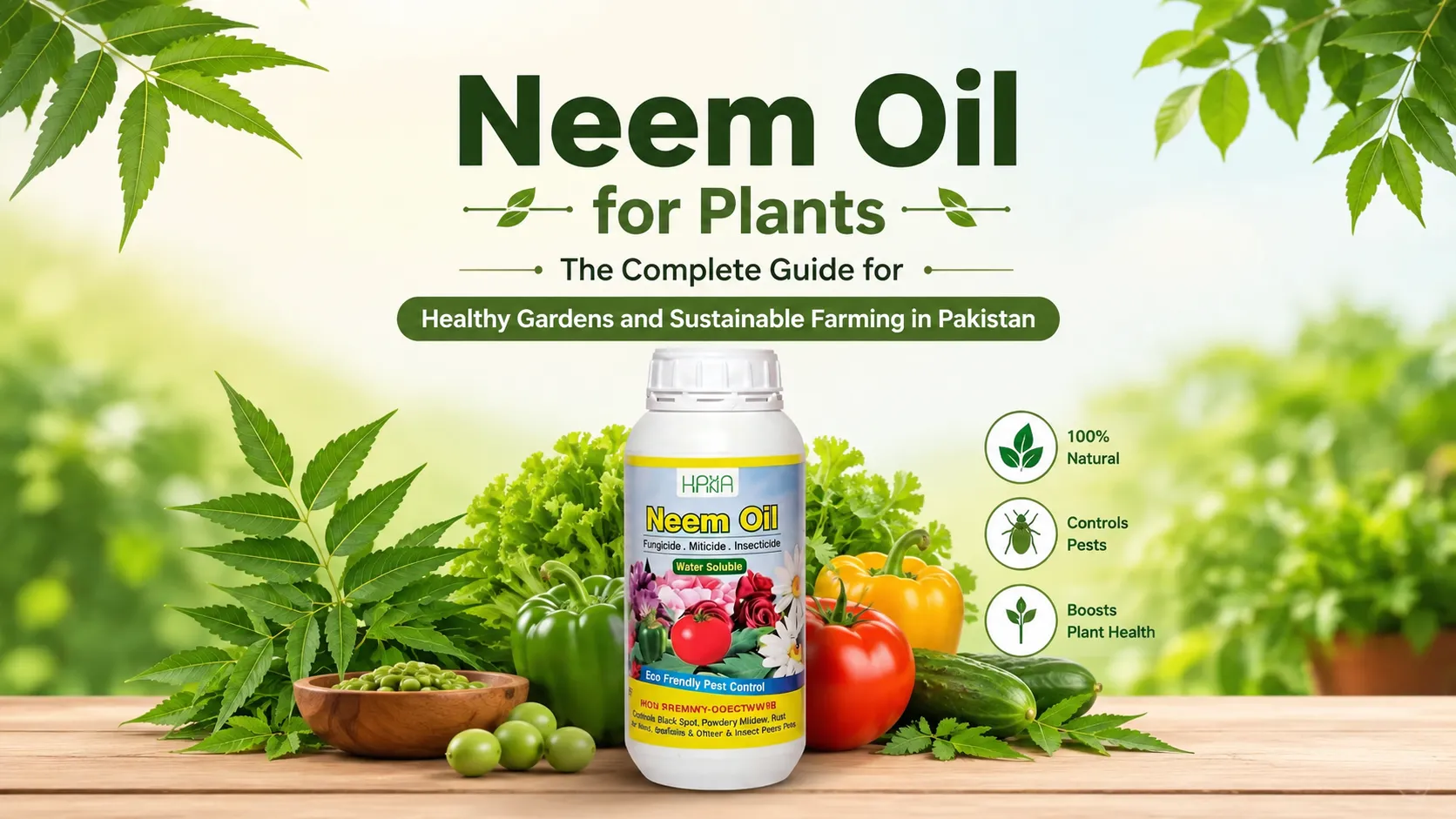
Neem Oil for Plants: The Complete Guide for Healthy Gardens and Sustainable Farming in Pakistan
Jump To Neem Oil for Plants: The Complete Guide for
Organic Vermicompost Pakistan: A Complete Guide to Healthier Soil and Sustainable Farming
Jump To Organic Vermicompost Pakistan: A Complete Guide to Healthier
Mature Trees Plantation: Complete Organic Management Guide for High Yield and Healthy Fruit Trees
Jump To Mature Trees Plantation: Complete Organic Management Guide for
