

Organic Maize Crop Plan in Pakistan | Hara Organic Farming System (PGS)

Selecting suitable maize varieties is one of the most important factors in successful organic maize production. Farmers should choose varieties that offer strong germination, good disease resistance, drought tolerance, and high yield potential. Hybrid and open-pollinated varieties can both perform well under organic farming systems when supported with proper soil fertility and crop management practices.
The ideal variety should be adapted to local climate conditions and have the ability to utilize organic nutrients efficiently throughout the growing season.
Benefits Of Choosing Suitable Varieties
• Better germination rate
• Strong root development
• Improved disease resistance
• Higher grain quality
• Better adaptability to local conditions
Soil Fertility Management
Healthy soil is the foundation of successful organic maize cultivation. Organic farming focuses on building soil fertility naturally through organic matter, beneficial microorganisms, and balanced nutrient management.
Well-decomposed compost, farmyard manure, and organic soil conditioners help improve soil structure, increase water retention, and enhance nutrient availability. Proper soil fertility management promotes vigorous plant growth and supports higher yields throughout the crop cycle.
Benefits Of Improved Soil Fertility
• Strong root establishment
• Better nutrient availability
• Improved soil structure
• Enhanced microbial activity
• Increased water holding capacity
Organic Fertilization Plan
Balanced nutrition is essential for healthy maize growth from germination to harvest. Organic fertilizers provide a slow and steady supply of nutrients while improving overall soil health.
Organic nutrient management should begin during land preparation and continue through vegetative growth, tasseling, and grain development stages. The use of compost, organic fertilizers, and bio-stimulants helps maintain consistent plant growth and productivity.
Benefits Of Organic Fertilization
• Improved plant nutrition
• Better crop vigor
• Enhanced grain formation
• Sustainable nutrient release
• Long-term soil improvement
Irrigation Management
Maize requires adequate moisture throughout its growth cycle, especially during germination, vegetative growth, tasseling, silking, and grain filling stages. Proper irrigation scheduling helps maintain healthy plant development and maximizes yield potential.
Organic farming practices such as mulching and soil organic matter improvement help conserve moisture and reduce water losses.
Benefits Of Proper Irrigation
• Better germination success
• Improved nutrient uptake
• Reduced drought stress
• Enhanced grain filling
• Higher crop productivity
Foliar Nutrition Program
Foliar nutrition provides additional support during critical growth stages when plants require increased nutrient availability. Organic foliar sprays can help improve plant vigor, strengthen resistance to environmental stress, and enhance grain development.
Regular foliar feeding contributes to balanced crop growth and supports higher quality maize production.
Benefits Of Foliar Nutrition
• Faster nutrient absorption
• Improved plant health
• Better photosynthesis activity
• Enhanced grain development
• Increased stress tolerance
Organic Pest And Disease Management
Pests and diseases can significantly reduce maize yield if not managed properly. Organic farming emphasizes prevention through healthy soil, balanced nutrition, crop rotation, and biological control methods.
Regular field monitoring allows farmers to identify problems early and take corrective measures before significant damage occurs.
Benefits Of Organic Crop Protection
• Reduced pest pressure
• Lower disease incidence
• Healthier crop growth
• Environmentally safe production
• Improved crop quality
Weed Management
Weeds compete with maize plants for nutrients, water, and sunlight. Effective weed management is particularly important during the early growth stages when maize plants are establishing their root systems.
Mechanical cultivation, mulching, and timely field operations help suppress weed growth while maintaining soil health.
Benefits Of Weed Control
• Reduced nutrient competition
• Better crop establishment
• Improved moisture conservation
• Enhanced plant growth
• Higher yield potential
Harvesting And Post-Harvest Management
Timely harvesting ensures maximum grain quality and minimizes losses. Harvesting should be carried out when grains have reached physiological maturity and moisture levels are suitable for storage.
Proper drying, cleaning, and storage practices help maintain grain quality and protect the harvest from insects, fungi, and storage losses.
Benefits Of Proper Harvest Management
• Improved grain quality
• Reduced storage losses
• Better market value
• Longer shelf life
• Increased profitability
Conclusion
The Maize Organic Growth Guide provides a practical framework for sustainable maize production using organic farming principles. By focusing on soil fertility, balanced nutrition, efficient irrigation, natural pest management, and proper harvesting techniques, farmers can improve productivity while protecting soil health and the environment. Adopting organic maize farming practices supports long-term agricultural sustainability and helps produce healthier, higher-quality grain for future generations.
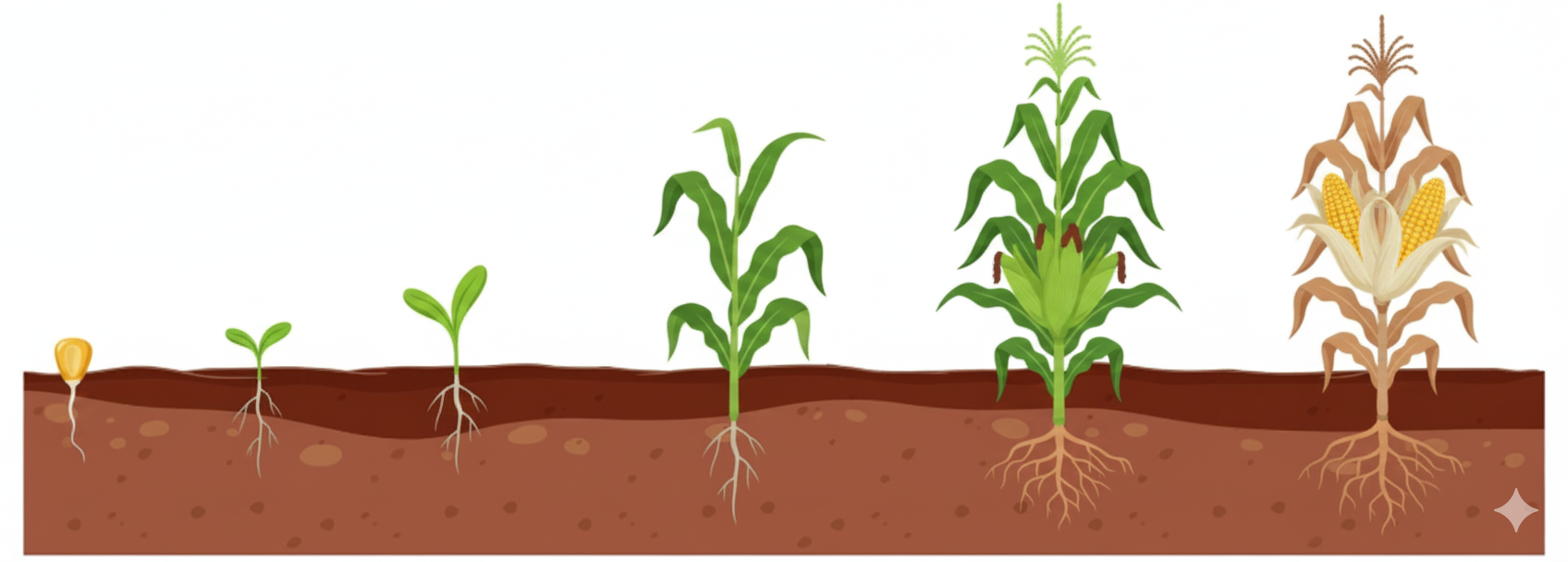
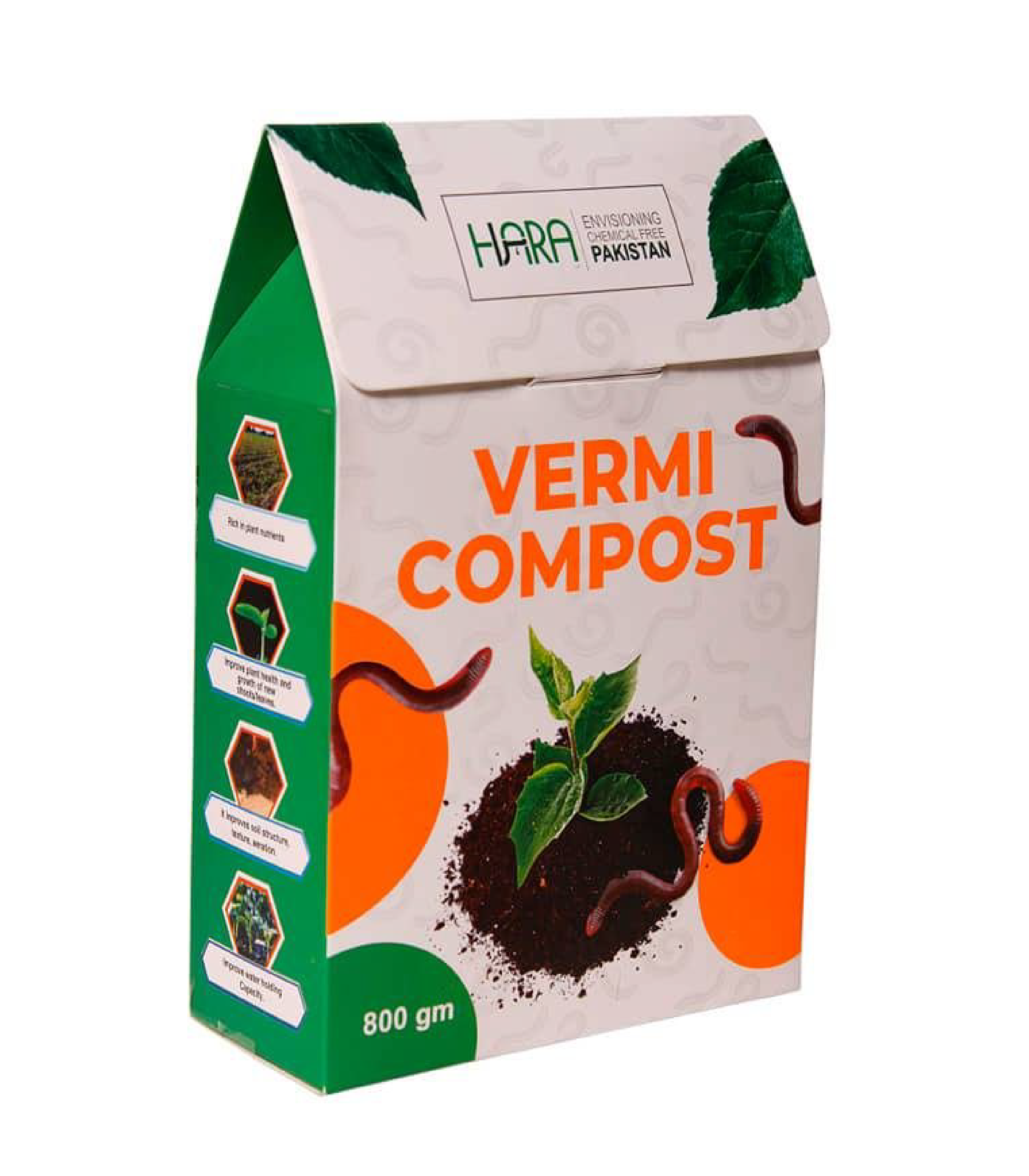
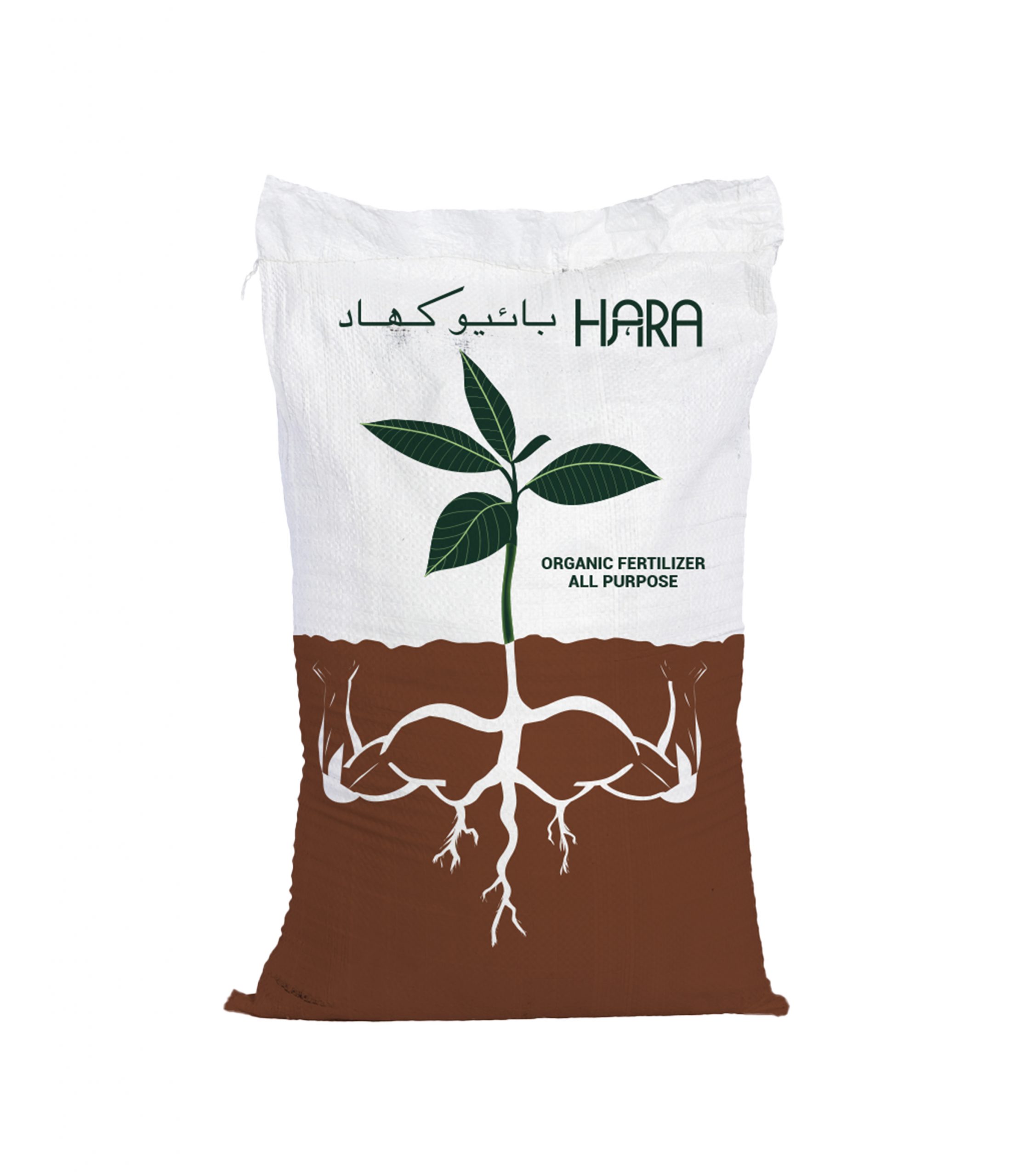
To grow maize organically, begin with certified organic maize seeds suitable for your region. Prepare the field with deep tillage and organic compost application. Sow seeds at proper spacing to allow healthy plant growth. Apply organic mulch to retain moisture and suppress weeds. Manage pests using neem-based sprays, crop rotation, and beneficial insects, and irrigate regularly without water stress. Harvest maize when cobs are fully mature for chemical-free, high-quality corn.
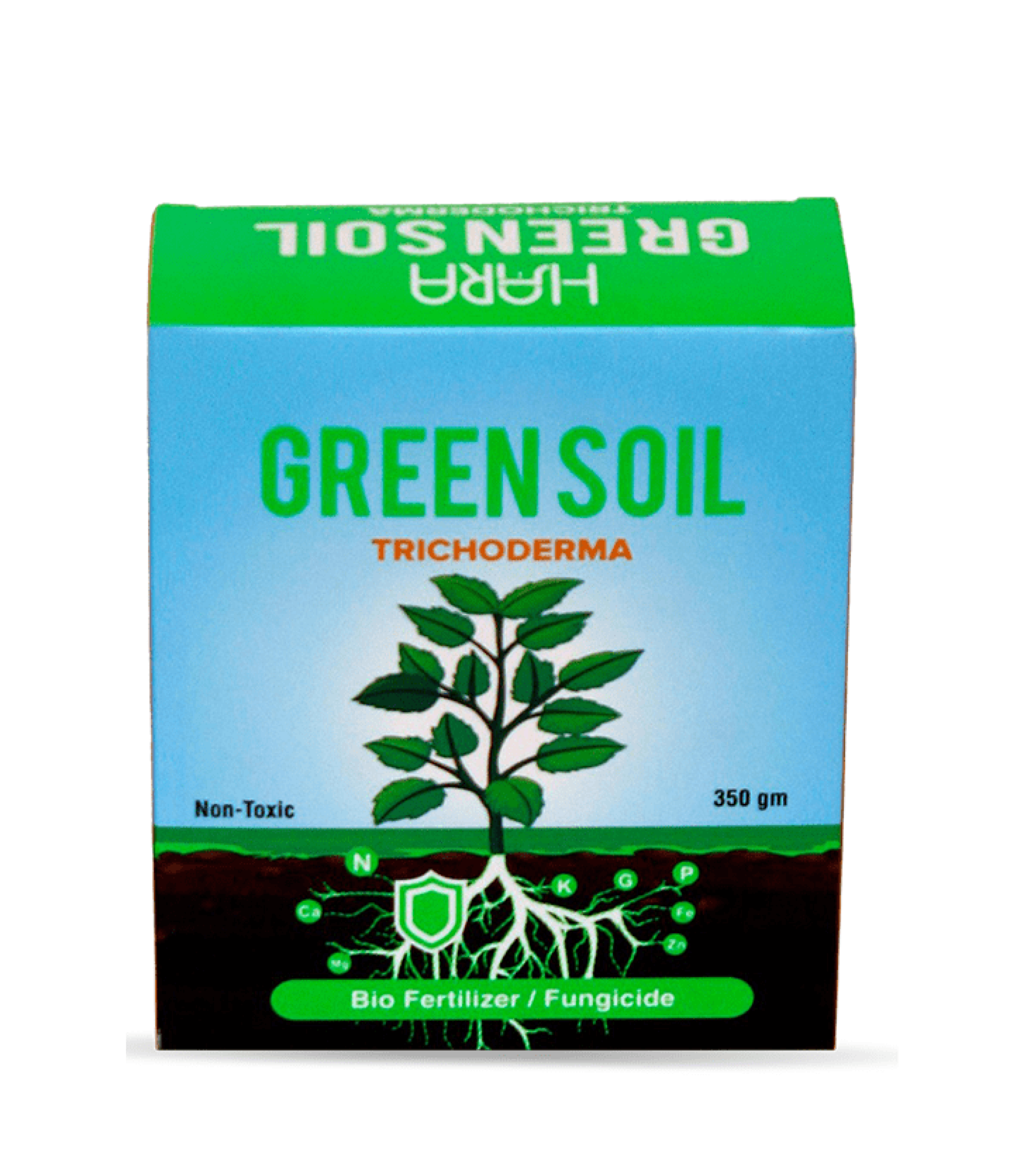
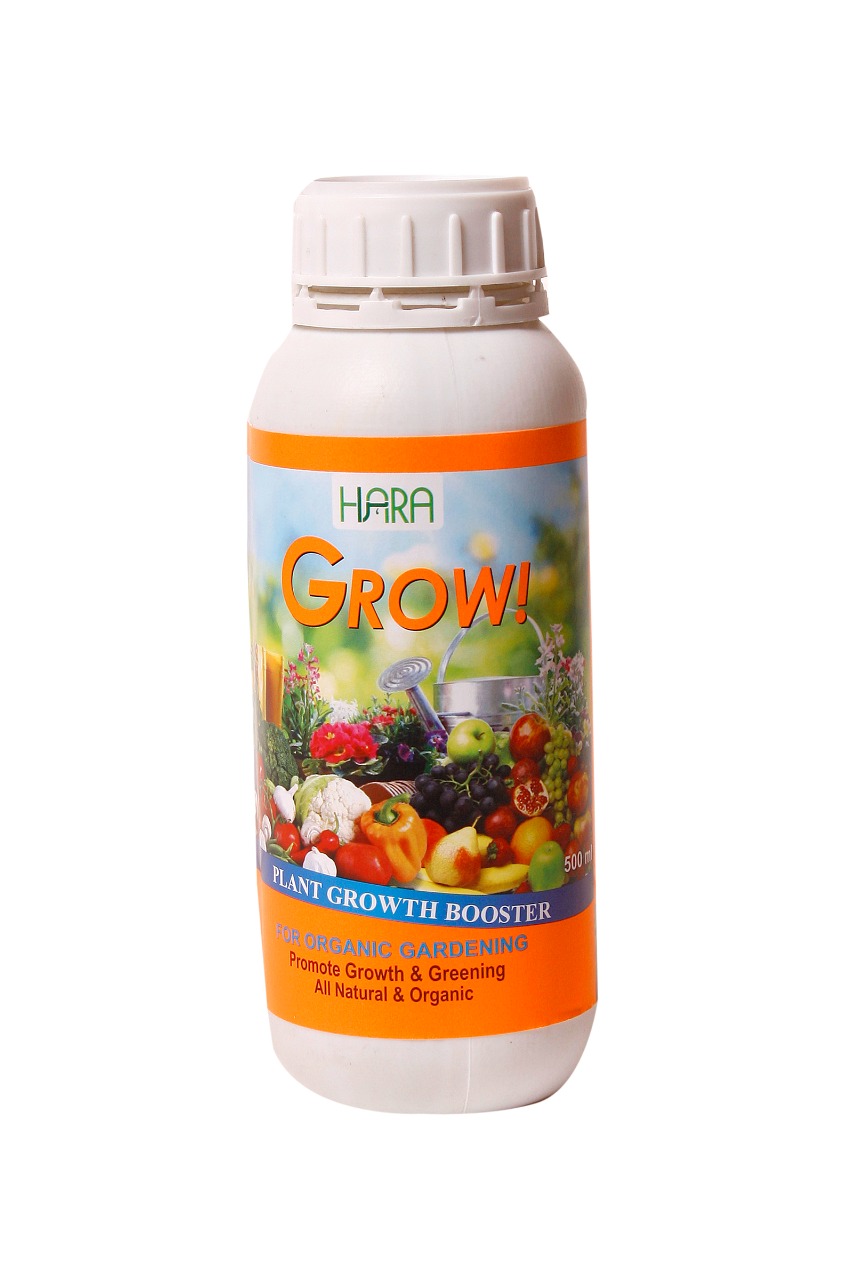
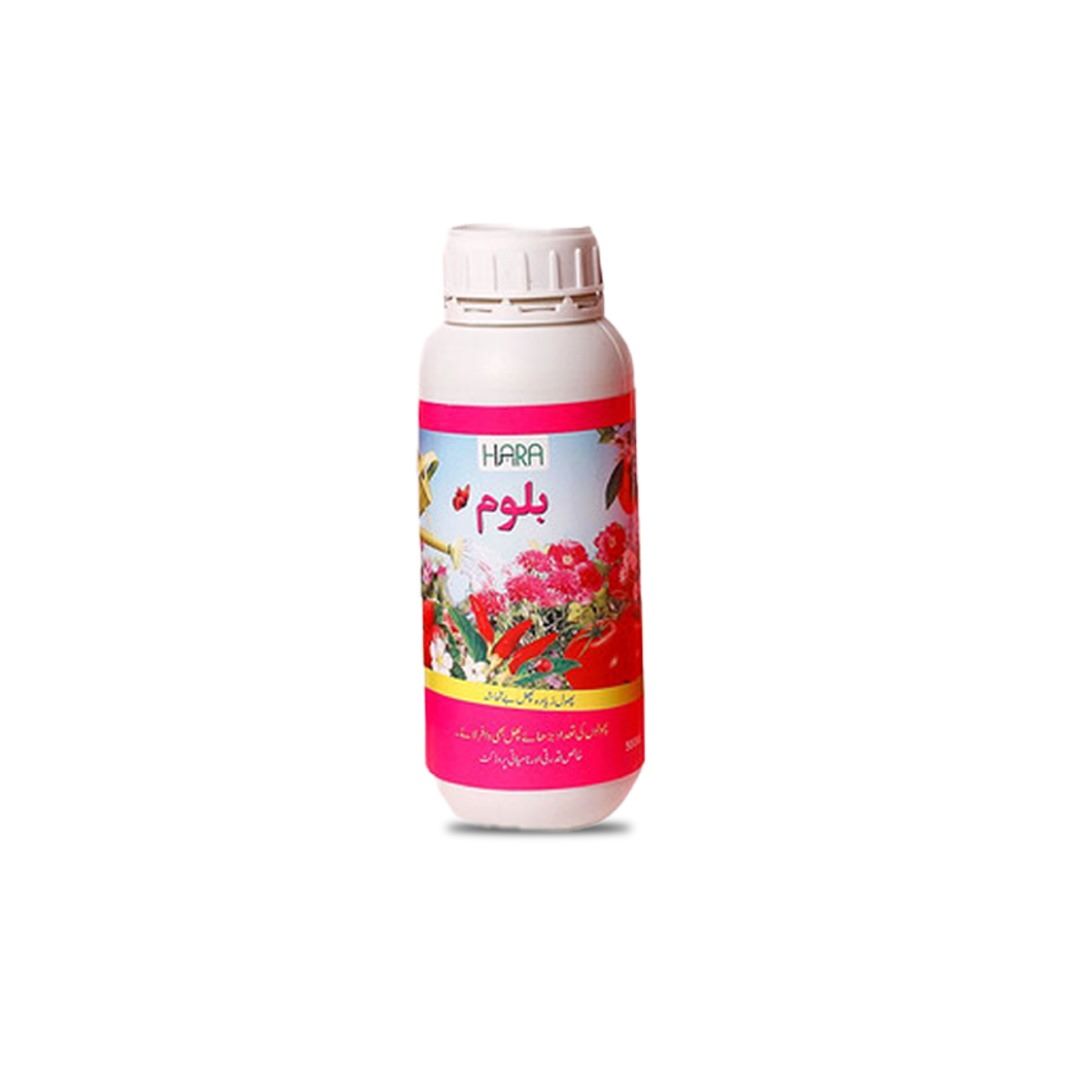
Bio Phos + Vermicompost for soil preparation, followed by Bio Khad side dressings and foliar sprays like Blue Power, GROW, Bloom, Sea Gold, Fulvic Acid, and Potash Plus.
Preventive neem oil sprays, Green Soil applications, healthy soil, and balanced nutrition keep pest and disease pressure low.
FERTILIZER & FOLIAR SPRAY SCHEDULE (PER ACRE)
A. Soil Fertilizer Schedule
| Stage | Hara Product | Application Method | Dose per Acre | Purpose |
|---|---|---|---|---|
| Soil Preparation | Bio Phos + Vermicompost | Broadcast & mix in soil | 1 bag Bio Phos + 5 bags Vermicompost | Improves soil fertility, organic matter & microbial activity |
| 20–25 Days After Sowing | Bio Khad | Side dressing | 1 bag | Promotes vegetative growth & strong root system |
| 1 Month After First Dressing | Bio Khad | Side dressing | 1 bag | Maintains nutrient supply for healthy growth |
| Preventive (Any Stage) | Green Soil (Trichoderma) | Soil drench / flood | 1 pack | Suppresses soil-borne diseases & activates soil life |
B. Foliar Spray Schedule
| Crop Stage | Hara Product | Water | Dose | Application Details |
| 20 Days After Sowing | Blue Power + GROW | 100 L | 1 L each | Spray 5 days after initial Blue Power application |
| 40 Days After Sowing | Sea Gold | 100 L | 100 g | Foliar spray 20 days after GROW application |
| Flowering Stage | Blue Power + GROW + Bloom | 100 L | 1 L each (Blue Power & GROW), 100 g Bloom | Mix in 100 L water and spray uniformly over flowers |
Plant Protection Plan (Pests & Diseases)
Common Insect Pests
Stem Borer – Neem Oil 500 ml/acre (foliar spray)
Fall Armyworm – Neem Oil + biological larvicide, evening spray, repeat after 7 days
Aphids & Jassids – Neem Oil 500 ml/acre, preventive spray every 15 days
Common Diseases
Leaf Blight – Green Soil (Trichoderma) soil drench + Blue Power foliar spray
Downy Mildew – Neem Oil + Fulvic Acid at early stage
Rust Disease – Blue Power + Neem Oil foliar spray
Seed & Root Rot – Green Soil (Trichoderma) soil application
Need Further Details? Contact Our Experts for Free Consultation!
