

The Sustainable Gardener’s Guide to Growing Organic Chilli

Chilli is one of the most important vegetable and spice crops grown in Pakistan. Due to increasing consumer awareness about food safety and the demand for chemical-free vegetables, many farmers are adopting organic production methods. The Chilli Organic Growth Guide provides a practical approach to producing healthy, high-yielding chilli crops through sustainable farming practices.
Organic chilli farming relies on biofertilizers, compost, natural pest control methods, and soil improvement techniques instead of synthetic fertilizers and harmful pesticides. This approach helps improve soil fertility, crop quality, and long-term farm productivity while meeting the growing demand for organic vegetables in local and export markets.
By following proper organic farming practices, growers can produce premium-quality chillies while maintaining environmentally responsible and regenerative agricultural systems.
Best Chilli Varieties for Organic Farming
Selecting suitable varieties is one of the most important factors in successful organic chilli cultivation. Farmers should choose healthy, vigorous, and locally adapted varieties that perform well under organic management systems.
The ideal variety should have good yield potential, strong plant vigor, and better tolerance to common environmental stresses. Healthy planting material supports stronger crop establishment and improved productivity throughout the growing season.
Benefits of Choosing Suitable Varieties
- Better crop establishment
- Improved plant health
- Higher yield potential
- Better fruit quality
- Improved adaptability to local conditions
Soil Fertility Management
Healthy soil is the foundation of successful organic chilli production. Organic farming focuses on building soil fertility naturally through biological activity and organic matter improvement.
Well-decomposed compost, farmyard manure, vermicompost, and biofertilizers help improve soil structure, nutrient availability, and microbial activity. These practices support healthy root development and improve the crop's ability to absorb nutrients efficiently.
Benefits of Improved Soil Fertility
- Strong root development
- Better nutrient availability
- Improved moisture retention
- Increased biological activity
- Long-term soil health improvement
Organic Fertilization Plan
Balanced nutrition is essential for healthy vegetative growth, flowering, and fruit production. Organic fertilization programs focus on supplying nutrients through natural and sustainable sources.
Regular applications of organic fertilizers support continuous plant growth while improving soil productivity. Organic nutrition also contributes to healthier plants that are more resilient to environmental stress.
Benefits of Organic Fertilization
- Improved plant growth
- Better flowering and fruit formation
- Enhanced nutrient efficiency
- Improved fruit quality
- Sustainable crop production
Organic Pest and Disease Management
Effective pest and disease management is critical for maintaining healthy chilli crops. Organic farming emphasizes prevention and natural crop protection methods rather than reliance on chemical pesticides.
Healthy soil, balanced nutrition, proper field sanitation, and regular crop monitoring help reduce pest pressure and disease incidence. Natural and biological management strategies support crop health while preserving environmental quality.
Benefits of Organic Crop Protection
- Reduced chemical residues
- Healthier plants
- Improved environmental safety
- Better crop quality
- Sustainable pest management
High-Yield Farming Practices
Achieving high yields in organic chilli production requires consistent crop management throughout the growing season. Proper irrigation, balanced nutrition, healthy soil, and timely crop care all contribute to improved productivity.
Regular field observation allows growers to identify challenges early and maintain optimal crop performance. Strong management practices help maximize yield potential while maintaining organic production standards.
High-Yield Management Benefits
- Increased productivity
- Better fruit quality
- Improved plant vigor
- Reduced production losses
- Enhanced profitability
Soil Improvement Through Organic Farming
One of the major advantages of organic chilli farming is its positive impact on soil health. Continuous application of organic matter improves soil structure, increases water-holding capacity, and supports beneficial microbial populations.
Healthy soils provide long-term productivity and help reduce dependence on external inputs. Soil improvement practices are an essential component of sustainable and regenerative farming systems.
Benefits of Soil Improvement
- Better soil structure
- Increased organic matter
- Improved moisture conservation
- Enhanced microbial activity
- Long-term sustainability
Sustainable and Regenerative Chilli Farming
Organic chilli cultivation supports regenerative agriculture by improving natural resources while maintaining profitable crop production. Sustainable practices help protect soil, water, and biodiversity while producing high-quality vegetables.
Farmers who adopt regenerative methods contribute to healthier ecosystems and build resilient farming systems capable of supporting future generations.
Conclusion
This Chilli Organic Growth Guide provides a practical framework for successful organic chilli cultivation in Pakistan. By selecting suitable varieties, improving soil fertility, implementing an effective organic fertilization plan, managing pests naturally, and adopting high-yield farming practices, growers can produce healthy, chemical-free chilli crops.
Organic chilli farming not only improves crop quality and profitability but also supports sustainable and regenerative agricultural development through better soil health, environmental protection, and long-term productivity.

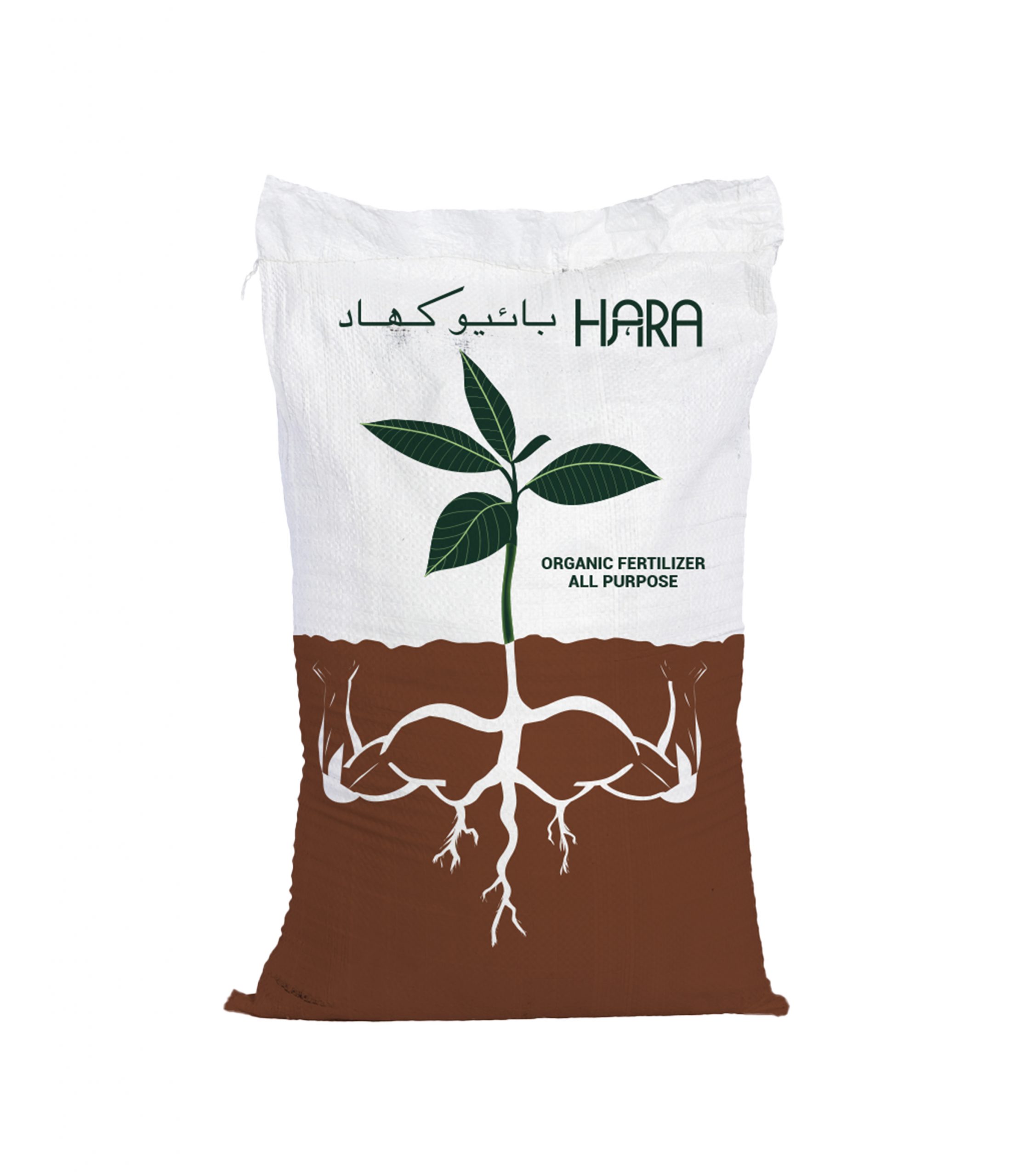
To grow chillies organically, start with certified organic chilli seeds suitable for your climate. Prepare nursery beds using compost-rich soil, then transplant healthy seedlings into the field with proper spacing. Apply organic mulch to retain moisture and control weeds. Use neem oil, garlic-chilli spray, and beneficial insects for pest management. Maintain regular irrigation and harvest chillies at the desired maturity for fresh or dried organic produce
The best organic fertilizers for chillies include vermicompost, farmyard manure (FYM), compost tea, bone meal, and seaweed extract. These inputs promote strong flowering, fruit set, and capsaicin development. Apply organic fertilizers at planting and during flowering and fruiting stages to boost organic chilli yield and improve fruit quality naturally.
Organic pest and disease control in chilli relies on preventive and biological methods. Practice crop rotation, proper spacing, and field sanitation to prevent diseases like leaf curl and anthracnose. Control pests such as thrips and aphids using neem-based sprays, sticky traps, and biological agents like Trichoderma and Beauveria bassiana. These practices ensure a healthy, chemical-free chilli crop with consistent yields 🌶️
Organic Chilli Fertilizer and Soil Nutrition Plan – Pakistan
| Crop Stage (Days) | Input (Hara Organic) | Application Method | Dose / Bag / Plant | Remarks |
|---|---|---|---|---|
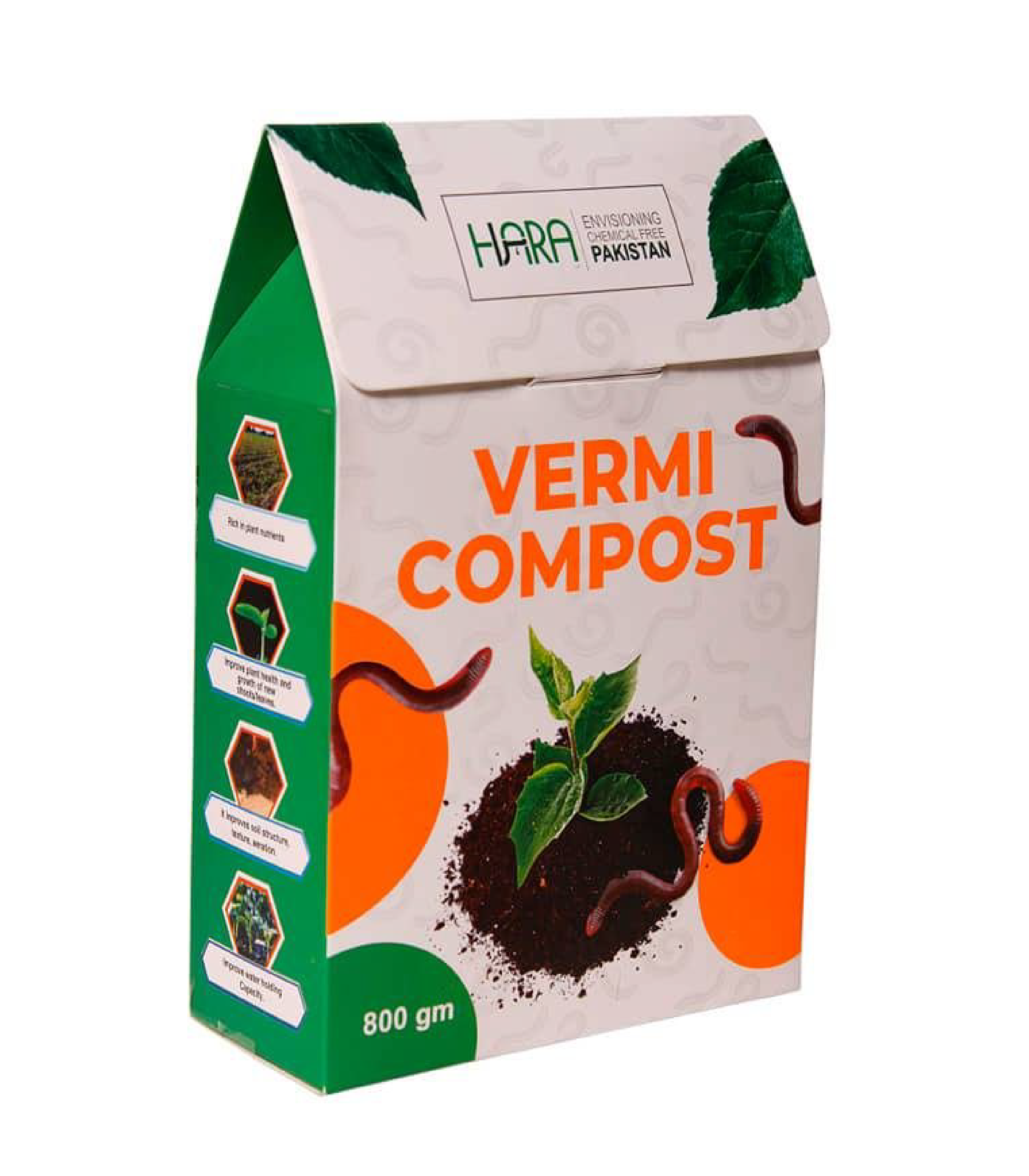
| Land Preparation (Day 0) | Bio Phos + Vermicompost | Soil incorporation | 2 bags / acre | Activates soil biology & phosphorus availability |
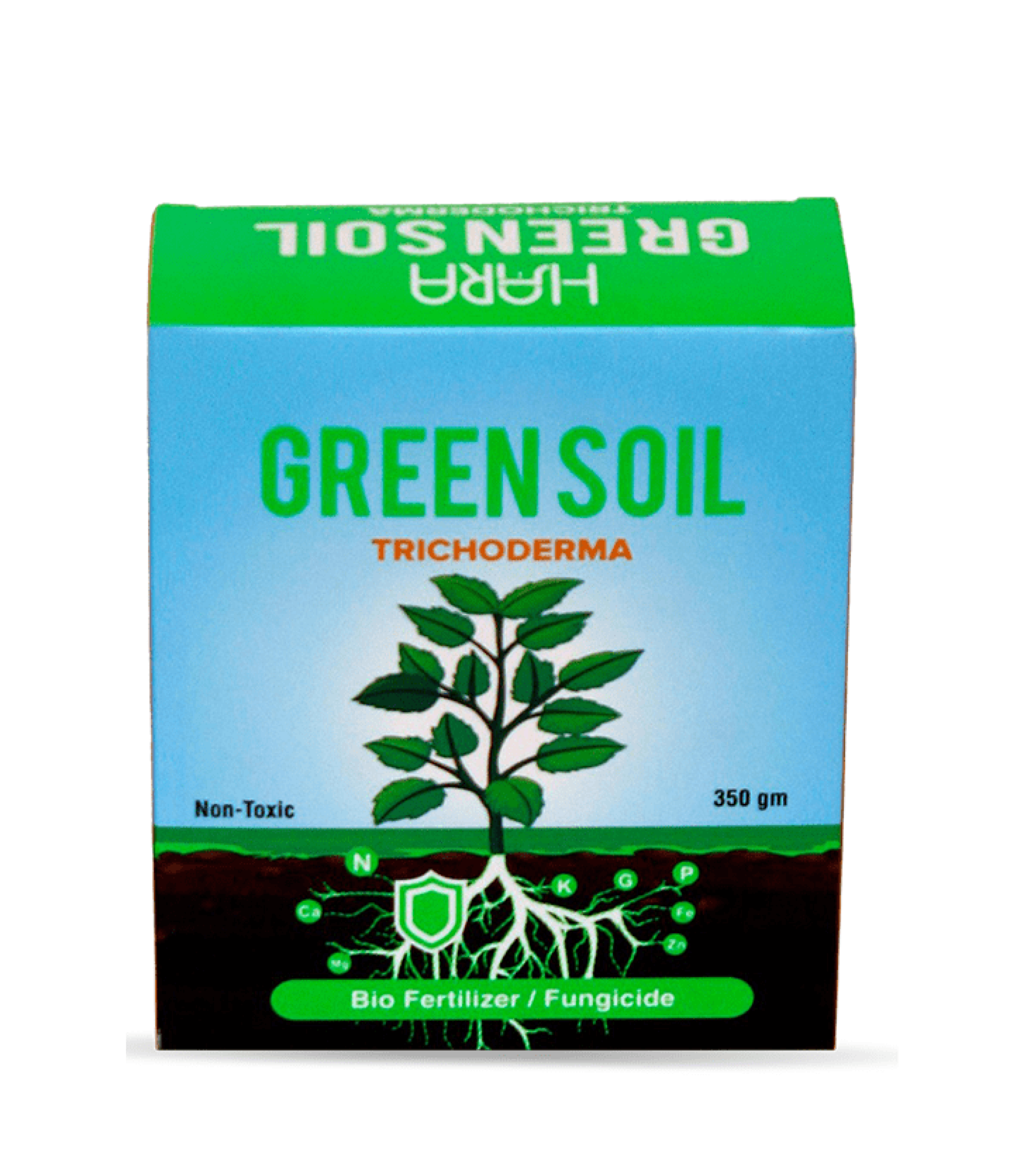
| Seed Treatment (Day 0) | Green Soil (Trichoderma) + Bio Khad + Agri Probiotics | Seed treatment + soil application | 50 g per kg seed + 1 bag/acre + 50 g probiotics | Protects roots, enhances germination & soil microbiology |
| Seedling Stage (Days 1–30) | Bio Khad + Agri Probiotics | Soil application | 1 bag / acre per month + 50 g probiotics | Strengthens soil microbes, improves nutrient availability |
| Transplanting (Day 30) | Neem Cake + Vermicompost | Soil application around plants | 500 g per plant | Improves soil fertility & pest resistance |
| Vegetative Stage (Days 31–60) | Bio Khad + Agri Probiotics | Soil application | 1 bag / acre per month + 50 g probiotics | Supports vegetative growth & soil microbiology |
| Flowering Stage (Days 61–90) | Bio Khad + Agri Probiotics | Soil application | 1 bag / acre + 50 g probiotics | Enhances flower formation & early fruit set |
Organic Chilli Foliar Spray Schedule – Pakistan
| Crop Stage (Days) | Plant Age / Condition | Spray / Treatment | Application Method | Dose / Acre | Remarks / Purpose |
|---|---|---|---|---|---|
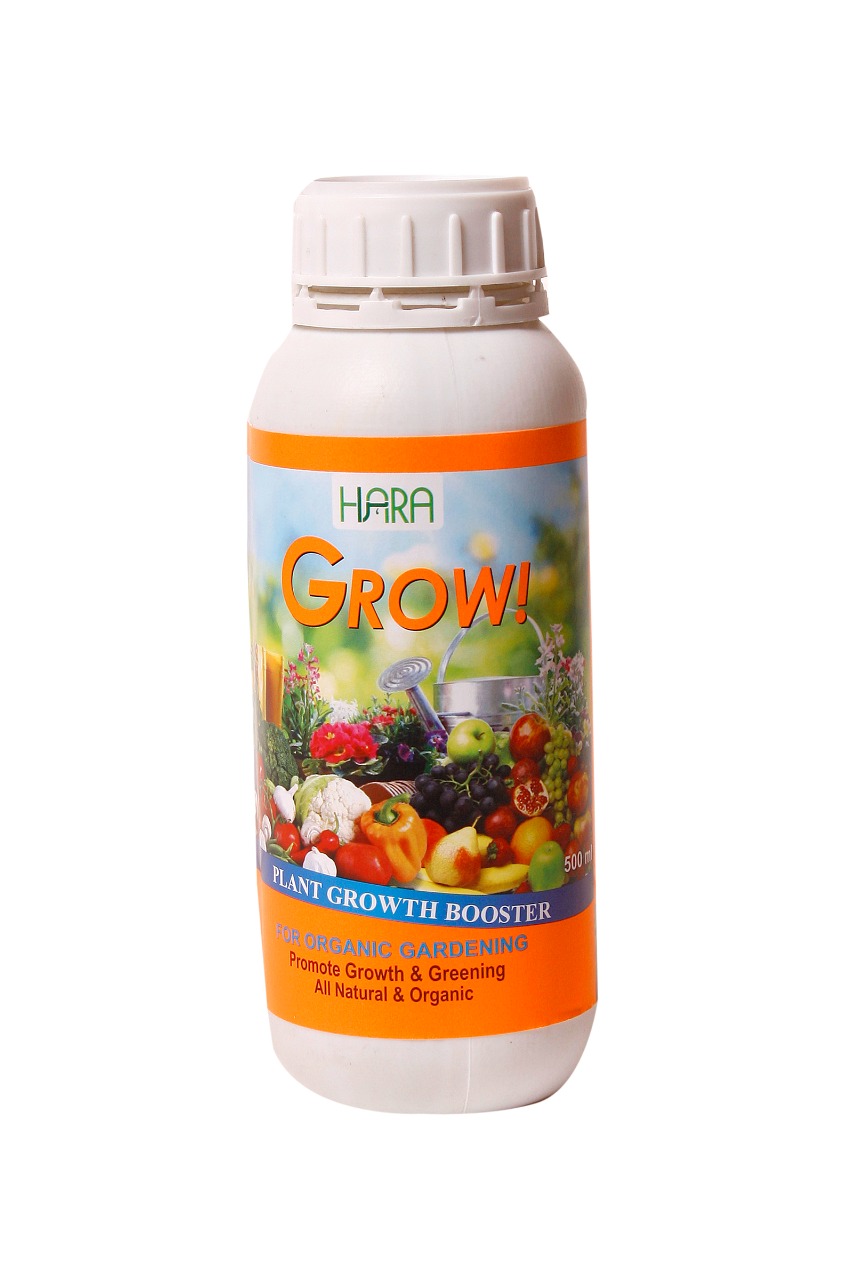
| Seedling Stage (Day 20) | 20-day-old seedlings | Hara Grow | Foliar spray (1 L in 100 L water) | 1 L per acre | Stimulates vegetative growth and strong root development |
| Transplanting (Day 30–35) | Plants established in field | Blue Power | Foliar spray (1 L in 100 L water) | 1 L per acre | Strengthens plant immunity & nutrient uptake |
| 1 week after Blue Power | Post-rooting | Hara Grow | Foliar spray (1 L in 100 L water) | 1 L per acre | Boosts vegetative growth and plant vigor |
| 20 days after previous Grow | Vegetative stage | Blue Power | Foliar spray (1 L in 100 L water) | 1 L per acre | Enhances photosynthesis, nutrient absorption & growth |
| 1 week after Blue Power | Vegetative stage | Hara Grow | Foliar spray (1 L in 100 L water) | 1 L per acre | Supports continued vegetative growth before flowering |
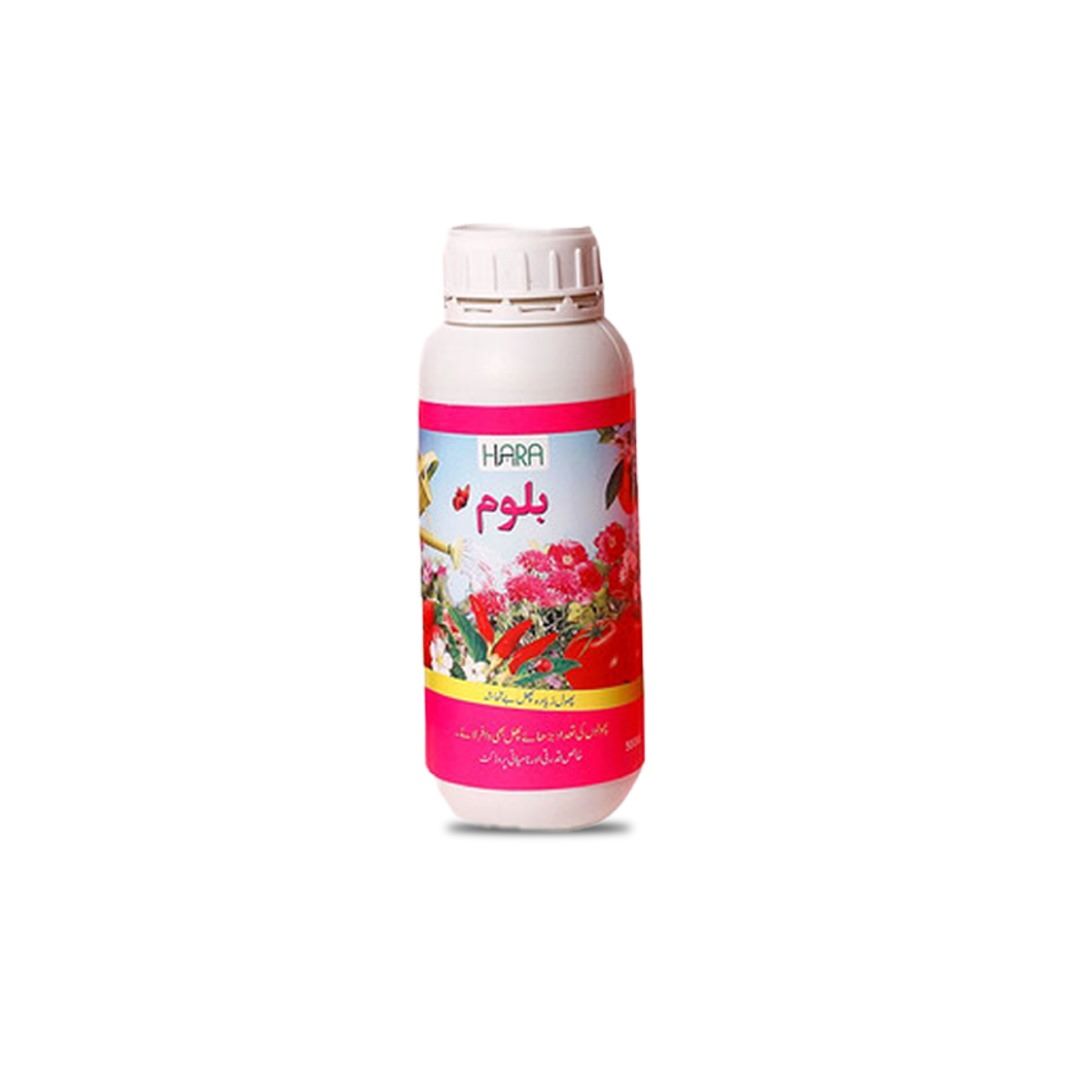
| Flowering Stage / Fruit Set (Day 60 onward) | Flowers & young fruits | Hara Bloom | Foliar spray (1 L in 100 L water) | 1 L per acre every 15–20 days | Enhances flowering, fruit set, quality, and color |
Organic Chilli Fertilizer and Soil Nutrition Plan – Pakistan
| Crop Stage (Days) | Input (Hara Organic) | Application Method | Dose / Bag / Plant | Remarks |
|---|---|---|---|---|
| Land Preparation (Day 0) | Bio Phos + Vermicompost | Soil incorporation | 2 bags / acre | Activates soil biology & phosphorus availability |
| Seed Treatment (Day 0) | Green Soil (Trichoderma) + Bio Khad + Agri Probiotics | Seed treatment + soil application | 50 g per kg seed + 1 bag/acre + 50 g probiotics | Protects roots, enhances germination & soil microbiology |
| Seedling Stage (Days 1–30) | Bio Khad + Agri Probiotics | Soil application | 1 bag / acre per month + 50 g probiotics | Strengthens soil microbes, improves nutrient availability |
| Transplanting (Day 30) | Neem Cake + Vermicompost | Soil application around plants | 500 g per plant | Improves soil fertility & pest resistance |
| Vegetative Stage (Days 31–60) | Bio Khad + Agri Probiotics | Soil application | 1 bag / acre per month + 50 g probiotics | Supports vegetative growth & soil microbiology |
| Flowering Stage (Days 61–90) | Bio Khad + Agri Probiotics | Soil application | 1 bag / acre + 50 g probiotics | Enhances flower formation & early fruit set |
Organic Chilli Foliar Spray Schedule – Pakistan
| Crop Stage (Days) | Plant Age / Condition | Spray / Treatment | Application Method | Dose / Acre | Remarks / Purpose |
|---|---|---|---|---|---|
| Seedling Stage (Day 20) | 20-day-old seedlings | Hara Grow | Foliar spray (1 L in 100 L water) | 1 L per acre | Stimulates vegetative growth and strong root development |
| Transplanting (Day 30–35) | Plants established in field | Blue Power | Foliar spray (1 L in 100 L water) | 1 L per acre | Strengthens plant immunity & nutrient uptake |
| 1 week after Blue Power | Post-rooting | Hara Grow | Foliar spray (1 L in 100 L water) | 1 L per acre | Boosts vegetative growth and plant vigor |
| 20 days after previous Grow | Vegetative stage | Blue Power | Foliar spray (1 L in 100 L water) | 1 L per acre | Enhances photosynthesis, nutrient absorption & growth |
| 1 week after Blue Power | Vegetative stage | Hara Grow | Foliar spray (1 L in 100 L water) | 1 L per acre | Supports continued vegetative growth before flowering |
| Flowering Stage / Fruit Set (Day 60 onward) | Flowers & young fruits | Hara Bloom | Foliar spray (1 L in 100 L water) | 1 L per acre every 15–20 days | Enhances flowering, fruit set, quality, and color |
Need Further Details? Contact Our Experts for Free Consultation!
