

Organic & Regenerative Cotton Farming in Pakistan


Cotton is one of Pakistan's most important cash crops and a key source of income for farmers and the textile industry. However, excessive use of chemical fertilizers and pesticides has reduced soil fertility, increased production costs, and affected long-term sustainability.
The Cotton Organic Growth Guide provides a practical approach to growing cotton through organic farming practices that focus on soil health, balanced nutrition, biological pest management, and sustainable crop production. By improving soil fertility and microbial activity, farmers can produce healthier crops, better-quality fiber, and achieve long-term productivity.
Using the Hara Organic Farming System, growers can adopt environmentally friendly methods that reduce chemical dependency while improving crop performance and farm profitability.
Benefits of Organic Cotton Farming
• Improved soil fertility and microbial activity
• Reduced chemical fertilizer dependency
• Better water retention and soil structure
• Enhanced cotton fiber quality
• Stronger resistance to environmental stress
• Sustainable crop production
• Long-term farm profitability
Best Cotton Varieties For Organic Farming
Choosing the right cotton variety is one of the most important steps in successful organic cotton production. Farmers should select varieties that are suitable for local climatic conditions and demonstrate strong germination, healthy root growth, and tolerance to common pests and diseases.
The selected variety should perform efficiently under organic nutrient management programs and possess the ability to produce quality fiber under sustainable farming conditions.
Benefits Of Choosing Suitable Cotton Varieties
• Better germination percentage
• Strong plant establishment
• Improved adaptability
• Higher yield potential
• Better fiber quality
Soil Fertility Management
Healthy soil serves as the foundation of productive organic cotton farming. Soil fertility management focuses on increasing organic matter, improving microbial activity, and enhancing nutrient availability through natural methods.
Organic farming encourages the use of compost, farmyard manure, organic soil conditioners, and beneficial microorganisms to build long-term soil productivity. Improved soil fertility supports healthy plant growth and sustainable crop performance.
Benefits Of Improved Soil Fertility
• Stronger root development
• Better nutrient availability
• Improved soil structure
• Enhanced microbial activity
• Increased water holding capacity
Land Preparation For Cotton
Proper land preparation creates favorable conditions for seed germination and crop establishment. The field should be prepared to ensure adequate aeration, moisture conservation, and uniform seed placement.
Incorporating organic matter during land preparation helps improve soil structure and provides a suitable environment for healthy root growth.
Benefits Of Proper Land Preparation
• Uniform crop establishment
• Better root penetration
• Improved moisture retention
• Reduced weed pressure
• Enhanced soil productivity
Organic Fertilization Plan
Cotton requires balanced nutrition throughout its growth cycle. Organic fertilization programs provide essential nutrients through natural sources while simultaneously improving soil health.
A well-designed nutrition plan supports vegetative growth, flowering, boll development, and fiber formation. Organic fertilizers release nutrients gradually, reducing nutrient losses and improving nutrient use efficiency.
Benefits Of Organic Fertilization
• Sustainable nutrient supply
• Improved plant vigor
• Better flowering and boll formation
• Enhanced fiber development
• Long-term soil improvement
Irrigation Management
Water management is critical for successful cotton production. Cotton requires adequate moisture during germination, flowering, and boll formation stages. Efficient irrigation scheduling ensures optimum crop growth while preventing water stress.
Organic farming systems improve soil water retention through increased organic matter, helping crops utilize moisture more effectively.
Benefits Of Proper Irrigation
• Better crop growth
• Improved nutrient uptake
• Reduced drought stress
• Enhanced boll development
• Higher yield potential
Foliar Nutrition Program
Foliar nutrition provides supplemental nutrients during critical growth stages when crop demand increases. Organic foliar applications help improve plant vigor, photosynthetic activity, and stress tolerance.
Regular foliar feeding can support better flowering, boll retention, and fiber quality.
Benefits Of Foliar Nutrition
• Fast nutrient absorption
• Improved plant health
• Enhanced flowering
• Better boll retention
• Increased stress tolerance
Organic Pest Management
Pest management is a major component of organic cotton farming. Instead of relying on chemical pesticides, organic systems focus on prevention, biological controls, and ecological balance.
Healthy soil, balanced nutrition, beneficial insects, and regular crop monitoring help reduce pest populations naturally and maintain crop health.
Benefits Of Organic Pest Management
• Reduced pest pressure
• Lower chemical dependency
• Enhanced biodiversity
• Healthier crop growth
• Environmentally safe production
Organic Disease Management
Strong and healthy plants are naturally more resistant to diseases. Organic disease management emphasizes preventive practices such as crop rotation, balanced nutrition, field sanitation, and biological disease suppression.
These methods help maintain healthy crop growth while reducing disease-related losses.
Benefits Of Disease Management
• Lower disease incidence
• Improved crop health
• Better yield stability
• Enhanced fiber quality
• Sustainable production
Weed Management
Weeds compete with cotton plants for nutrients, moisture, and sunlight. Effective weed management is particularly important during the early stages of crop growth.
Organic farming uses mechanical cultivation, mulching, cover crops, and timely field operations to minimize weed pressure while preserving soil health.
Benefits Of Weed Management
• Reduced crop competition
• Better nutrient utilization
• Improved moisture conservation
• Stronger plant growth
• Increased productivity
Flowering And Boll Development
Flowering and boll formation are among the most important stages of cotton production. Adequate nutrition, proper irrigation, and effective pest management during these stages help maximize yield potential.
Healthy plants produce more flowers, retain more bolls, and generate higher-quality cotton fiber.
Benefits Of Proper Boll Development
• Increased boll retention
• Better fiber quality
• Higher yields
• Uniform crop maturity
• Improved market value
Harvesting And Post-Harvest Management
Timely harvesting is essential for maintaining cotton quality and maximizing profitability. Harvesting should be conducted when bolls are fully mature and open.
Proper cleaning, handling, and storage practices help maintain fiber quality and reduce post-harvest losses.
Benefits Of Proper Harvest Management
• Improved fiber quality
• Reduced contamination
• Better market prices
• Lower storage losses
• Increased profitability
Conclusion
The Cotton Organic Growth Guide provides a complete framework for sustainable cotton cultivation based on soil health, balanced nutrition, efficient irrigation, biological pest management, and regenerative farming practices. By adopting organic farming methods, growers can improve soil fertility, produce healthier crops, enhance fiber quality, reduce production costs, and build a more profitable and environmentally responsible farming system for the future.

Land Preparation for Organic & Regenerative Cotton
Healthy soil is the foundation of regenerative agriculture.
Select fertile, well-drained, and level land.
Use a chisel plough to break the hard pan and improve root growth.
At watar condition, apply two cultivations with planking.
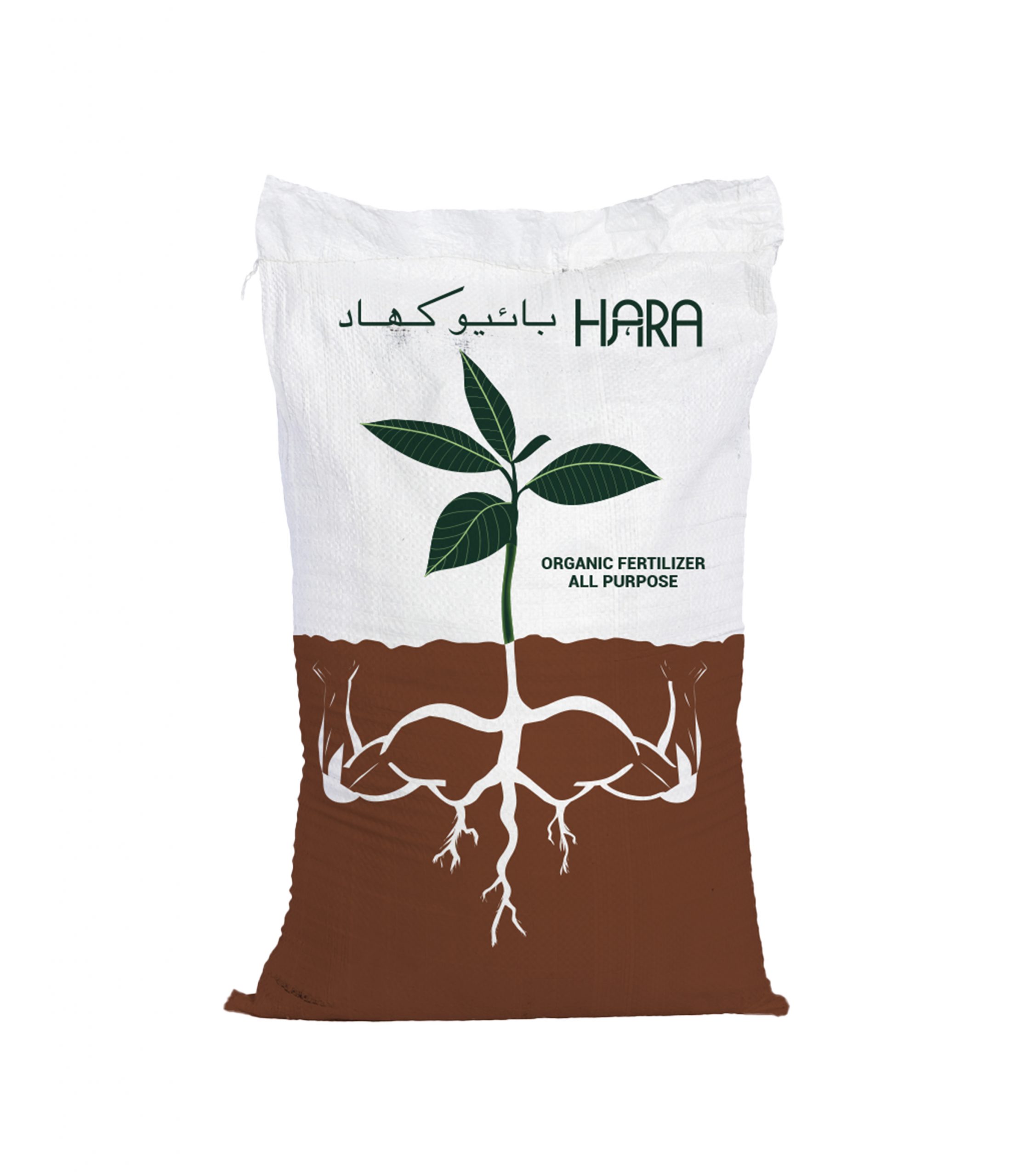
Before final ploughing, broadcast organic bio fertilizer (1 bag per acre) and mix it into the soil.
Apply laser land leveling to reduce water loss and ensure uniform irrigation.
Prepare 1-foot high ridges or raised beds for sowing cotton.
Raised beds improve soil aeration, root development, and water efficiency—key principles of regenerative farming.
Seed Selection and Organic Seed Treatment
Seed choice directly affects crop health and certification.
Use only NON-GMO, OP (Open Pollinated), or indigenous cotton varieties.
Select seeds approved by organic or PGS certification systems.
For regenerative seed treatment:
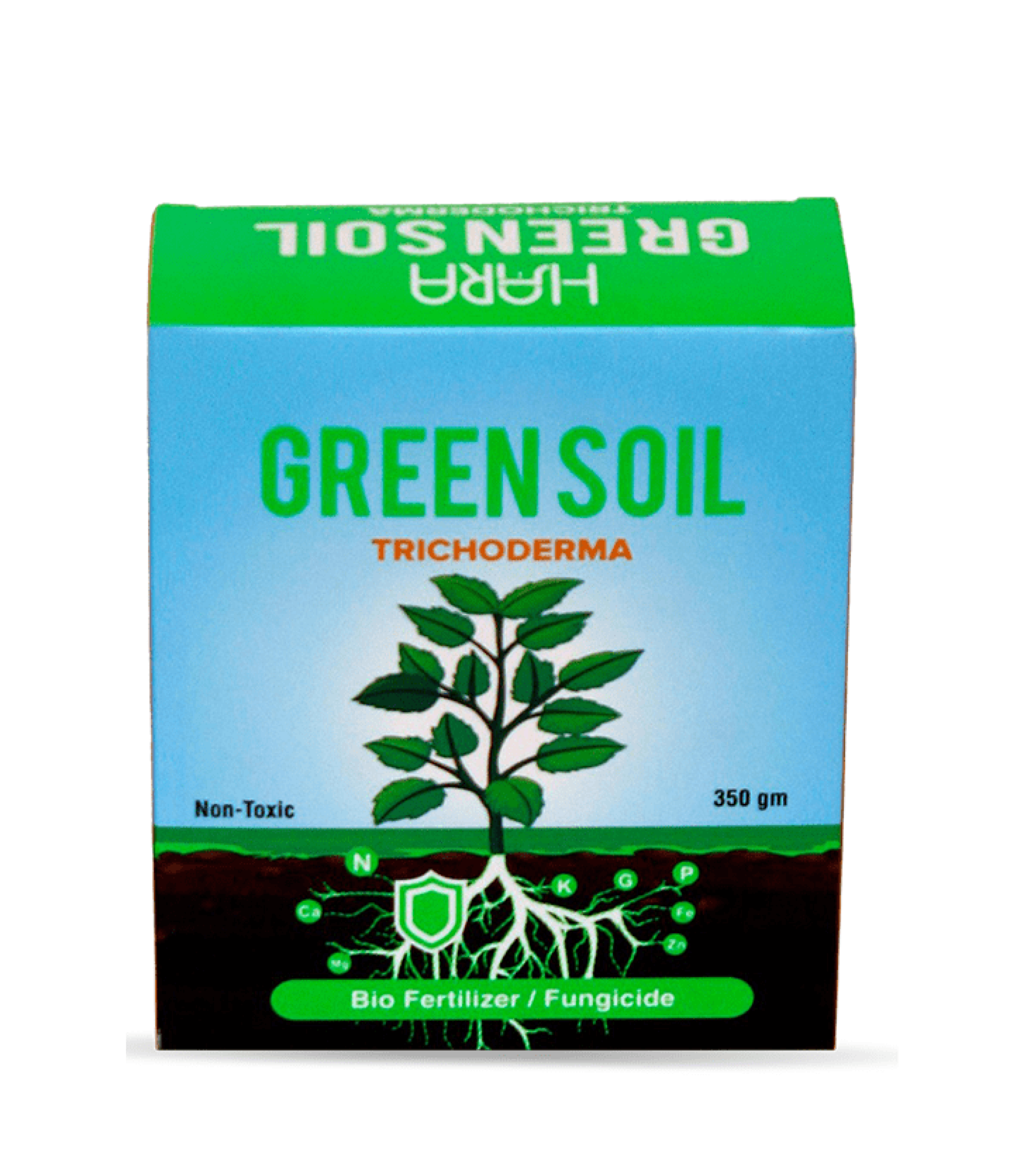
Mix Green soil Tricodarma in to 1 liter of water
Soak seeds for 30 minutes
Dry in shade before sowing
This practice enhances germination and strengthens early plant immunity.
Mulching: A Core Regenerative Practice
Mulching is one of the most important regenerative techniques.
Use crop residues, straw, dry leaves, or grasses as mulch.
Mulching feeds soil microbes and improves soil structure.
Benefits include:
Weed suppression
Moisture conservation
Cooler soil temperature in summer
Reduced fertilizer dependency
Mulching helps convert cotton fields into living soils.
trong and healthy cotton plants always start with biologically active soil. In organic and regenerative farming, the goal is not only feeding the crop but reviving soil life and improving long-term soil fertility.
The Hara Organic Farming System provides balanced organic nutrition that works according to soil condition and crop demand, ensuring sustainable and uniform growth throughout the cotton season.
To achieve the best results, farmers should strictly follow the fertilizer and spray schedule given in the chart above.
This chart is designed to:
Supply nutrients at the right growth stage
Maintain continuous soil biological activity
Prevent nutrient imbalance and crop stress
Support organic and regenerative certification requirements
When Hara organic products are applied as per the recommended chart, cotton plants develop stronger roots, healthier foliage, and improved resistance to pests and diseases.
How do you control pests and diseases in organic cotton farming?
Pests and diseases in organic cotton farming are controlled through a non-pesticide, ecological management system, not through chemical sprays. The method shared by Hara Organic Pakistan focuses on prevention, biodiversity, and natural balance.
Here’s how it works:
1. Strengthen plants through healthy soil
Healthy, biologically active soil produces strong cotton plants that can naturally resist pests and diseases. Organic nutrition, mulching, and bio-fertilizers improve plant immunity, which reduces pest pressure from the beginning.
2. Use trap crops to divert pests
Trap crops are planted to attract insects away from cotton:
Okra (bhindi) is planted after every 10 cotton rows.
Most chewing and sucking pests move to okra instead of cotton.Millet or sorghum is planted around the field borders.
These crops attract birds that feed on whitefly, thrips, and caterpillars.
3. Apply neem oil as a natural insect control
Neem oil is used as an organic solution to control pests:
Kills insect eggs and larvae
Controls sucking and leaf-eating insects
Does not harm beneficial insects
Neem oil is sprayed every 10–15 days during pest infestation.
4. Install yellow sticky traps
Yellow sticky traps are used at the early crop stage:
Capture adult whiteflies, aphids, and thrips
Prevent pest populations from building up
Reduce the need for sprays
Early installation gives the best results.
5. Use light traps during heavy infestation
When pest pressure increases:
Install one light trap per acre, placed in the center of the field near okra rows
Operate it for 3–4 hours after sunset
Light traps attract and capture flying insects naturally.
6. Protect beneficial insects and birds
Organic cotton farming avoids chemical pesticides to protect:
Beneficial insects
Soil microorganisms
Birds and pollinators
These natural predators help keep harmful pests under control.
Final takeaway
Organic cotton pest and disease control is based on prevention, soil health, trap cropping, neem oil, and physical traps, not chemicals. When these practices are followed together, pest attacks remain low and the crop stays healthy throughout the season.
Organic & Regenerative Cotton Crop Fertilizer Chart – Pakistan
A. Soil Application (Basal & Regenerative Nutrition)
| Stage | Product | Dose | Method | Purpose |
|---|---|---|---|---|
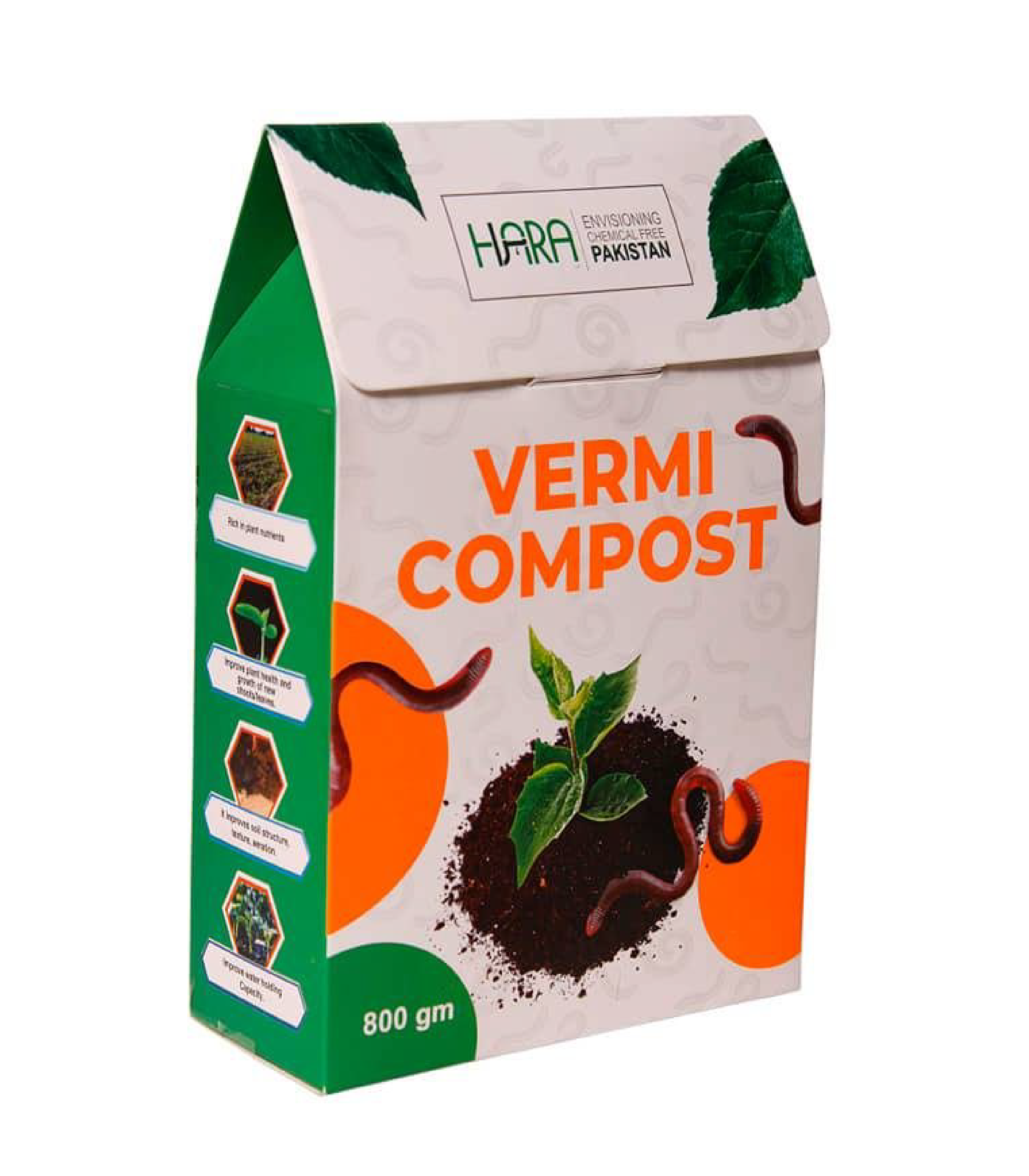
| Soil Preparation (Before Sowing) | BIO PHOS / Vermicompost | 2 bags per acre 5 bags per acre | Broadcast & mix in soil | Improves phosphorus availability, root establishment, soil biology activation |
| Early Crop Stage (First 3 Months) | BIOKHAD / | 5 bags per acre as per soil condition | Broadcast & mix in soil | Increases organic matter, natural NPK, microbial food |
| Every Irrigation | Agriculture Probiotics | 25gm into 100 liters of water | Through irrigation / fertigation | Activates beneficial microbes, improves nutrient uptake, soil regeneration |
B. Foliar Application (Plant Nutrition & Growth)
| Crop Stage | Product | Dose / Frequency | Purpose |
|---|---|---|---|
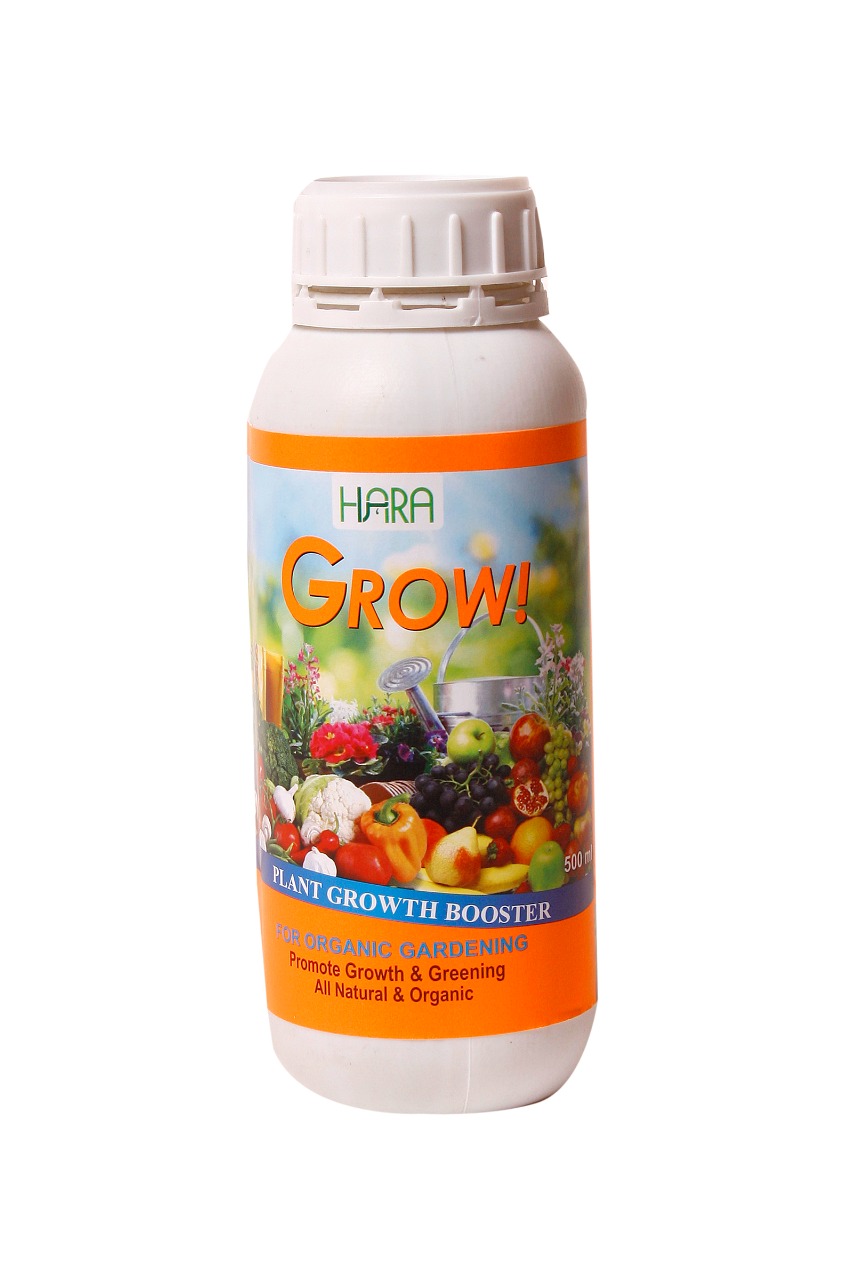
| Early Vegetative (15–30 days) | GROW (Biostimulator) | 1st foliar spray | Root development, plant vigor |
| Vegetative to Branching (35–45 days) | GROW | 2nd foliar spray | Strong vegetative growth & enzyme activation |
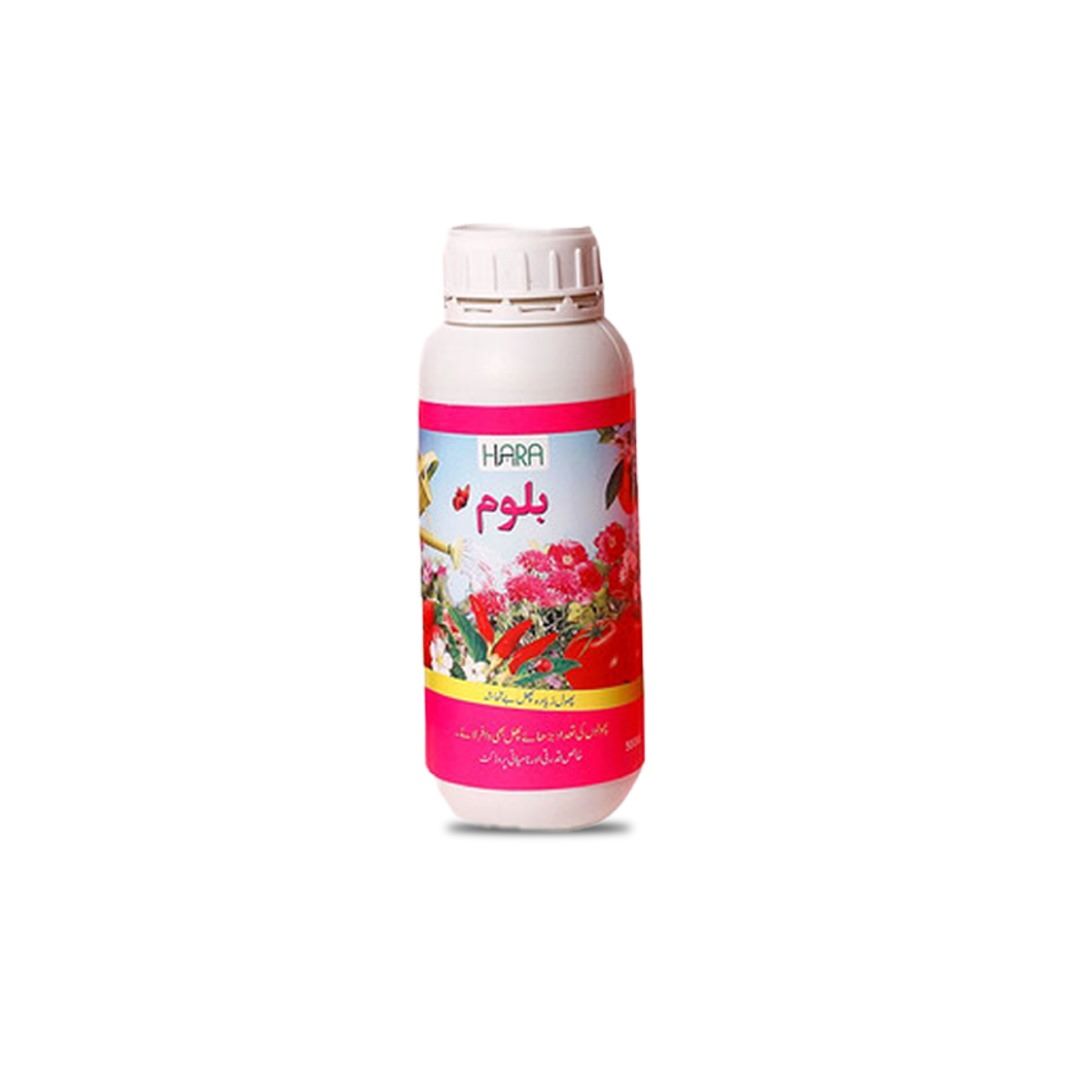
| Flower Initiation (60 days) | BLOOM (Phyto Enzymes) | 1 foliar spray | Flower retention & stress tolerance |
| Peak Flowering (80 days) | BLOOM | 2nd foliar spray | Boll setting & yield improvement |
| Boll Development (120 days) | BLOOM | 3rd foliar spray | Boll size & fiber quality |
| Whole Season | BLUE POWER | 1 foliar spray every month | Zinc & Copper nutrition, disease resistance |
ORGANIC COTTON PLANT PROTECTION – BEST PRACTICE METHOD FOR PAKISTAN
Effective organic cotton plant protection starts with prevention and early pest monitoring. Instead of waiting to spray chemicals, taking the right steps during the first 25 days of crop growth helps keep insect pressure low naturally throughout the season.
Early Pest Management (First 25 Days)
The first 25 days after planting cotton are critical. Controlling insect populations during this period reduces pest damage later.
Recommended Method:
Install Yellow Sticky Traps in the field within the first 25 days
These traps attract and catch adult flying insects
Trapping both male and female adults prevents egg laying
Result: The insect population is broken early, reducing pest pressure
Preventive Neem Oil Spray
Along with traps, applying Neem Oil as a preventive spray is essential:
Neem Oil affects insects in all stages: eggs, larvae, and adults
Early preventive sprays limit insect feeding and reproduction
Neem Oil is natural and safe for beneficial insects
👉 Combining Yellow Sticky Traps and Neem Oil creates the strongest defense system for organic cotton.
Why This Method Works
Traps catch adult insects and slow population growth
Neem Oil disrupts the insect life cycle
Protects the crop from heavy pest infestations later in the season
Eliminates the need for chemical pesticides
Keeps the crop healthy and stress-free
Long-Term Benefits
Consistently low pest pressure during the growing season
Improved plant health and uniform growth
No risk of pesticide resistance
Ideal for organic, regenerative, and Participatory Guarantee System (PGS) farming
Produces residue-free, export-quality cotton
Need Further Details? Contact Our Experts for Free Consultation!
