


Indoor plants have become an essential part of modern homes, apartments, offices, and commercial spaces. From a simple Snake Plant in a living room corner to a collection of tropical foliage plants in an office reception area, indoor greenery helps transform ordinary spaces into healthier and more inviting environments.
However, many people buy beautiful plants only to see them decline within a few months. Yellow leaves, root rot, brown leaf edges, pest infestations, and weak growth are among the most common problems faced by indoor gardeners. In most cases, these issues are not caused by poor-quality plants but by improper care and management practices.
Successful Indoor Plants Care is not complicated, but it does require understanding how light, soil, water, humidity, nutrition, and plant health work together. When the right Best Management Practices are followed, indoor plants can remain healthy, vibrant, and attractive throughout the year.
This comprehensive guide explains everything you need to know about indoor plant management while incorporating practical recommendations and organic solutions from Hara Organic Pakistan to support long-term plant health.
Indoor Plants Care at a Glance
Requirement | Recommendation |
Light | Bright indirect sunlight |
Watering | Water when top 1–2 inches of soil feels dry |
Soil | Well-drained, airy potting mix |
Humidity | Moderate indoor humidity |
Nutrition | Every 15–20 days |
Pest Management | Regular monitoring and neem oil application |
Root Health | Proper drainage and healthy soil |
Maintenance | Clean leaves and remove damaged foliage |
Why Indoor Plants Matter More Than Ever
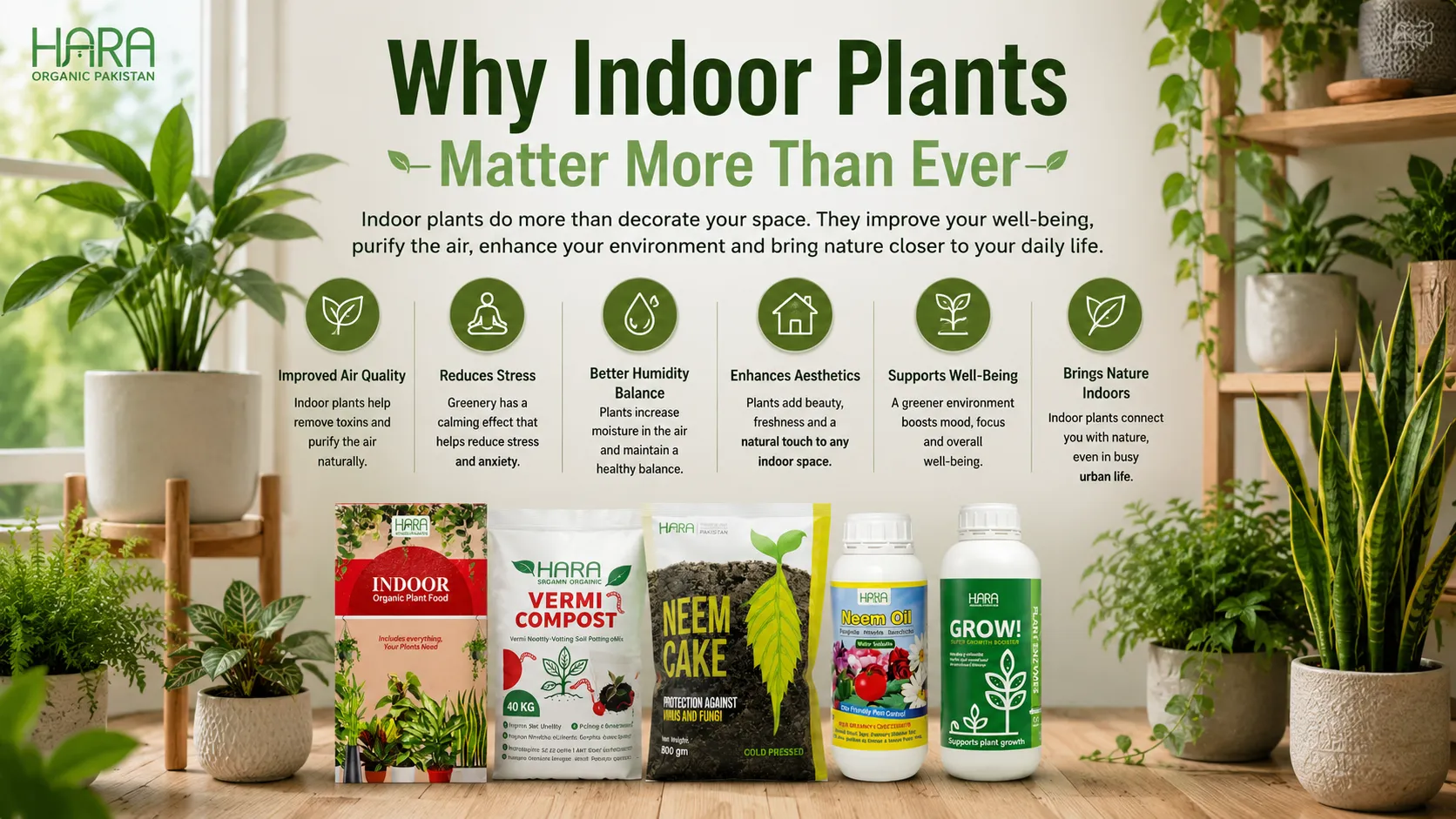
Indoor plants offer benefits that go far beyond decoration. In modern cities, where people spend most of their time indoors, houseplants help reconnect living spaces with nature. Healthy indoor plants can improve the appearance of rooms, soften hard architectural lines, and create a more comfortable environment.
One benefit often overlooked is their contribution to indoor well-being. Greenery has been associated with reduced stress levels and improved mood. Plants can also help maintain humidity balance in indoor spaces, particularly during dry weather or in air-conditioned environments.
From a gardening perspective, indoor plants provide an excellent opportunity to enjoy plant cultivation even when outdoor space is limited. Whether you live in an apartment, work in an office, or simply want to beautify your home, indoor gardening is one of the most accessible forms of gardening available.
Step 1: Select the Right Indoor Location
One of the biggest reasons indoor plants fail is poor placement. During indoor plant maintenance projects, one of the most common mistakes observed is placing plants in locations that do not match their light requirements. Many people assume that all houseplants thrive in dark corners, but most indoor species actually require some level of natural light.
Light powers photosynthesis, the natural process through which plants convert light energy into food. Without adequate light, plants cannot produce sufficient energy for healthy growth. Most indoor plants perform best in bright indirect sunlight. This means they receive plenty of light without being exposed to harsh afternoon rays that may scorch leaves.
Plants placed near east-facing or bright north-facing windows often perform exceptionally well. South-facing windows may also work, provided the light is filtered through curtains or blinds. Dark rooms with minimal natural light often result in slow growth, pale foliage, and stretched stems that lean toward available light sources.
Best Indoor Plants for Homes and Offices
Indoor Plant | Light Requirement |
Snake Plant | Low to Medium |
Money Plant (Pothos) | Medium |
ZZ Plant | Low Light |
Peace Lily | Medium |
Spider Plant | Bright Indirect |
Areca Palm | Bright Indirect |
Rubber Plant | Medium |
Philodendron | Medium |
Syngonium | Medium |
Aloe Vera | Bright Light |
Chinese Evergreen | Low to Medium |
Dracaena | Medium |
Understanding Plant-Specific Light Needs
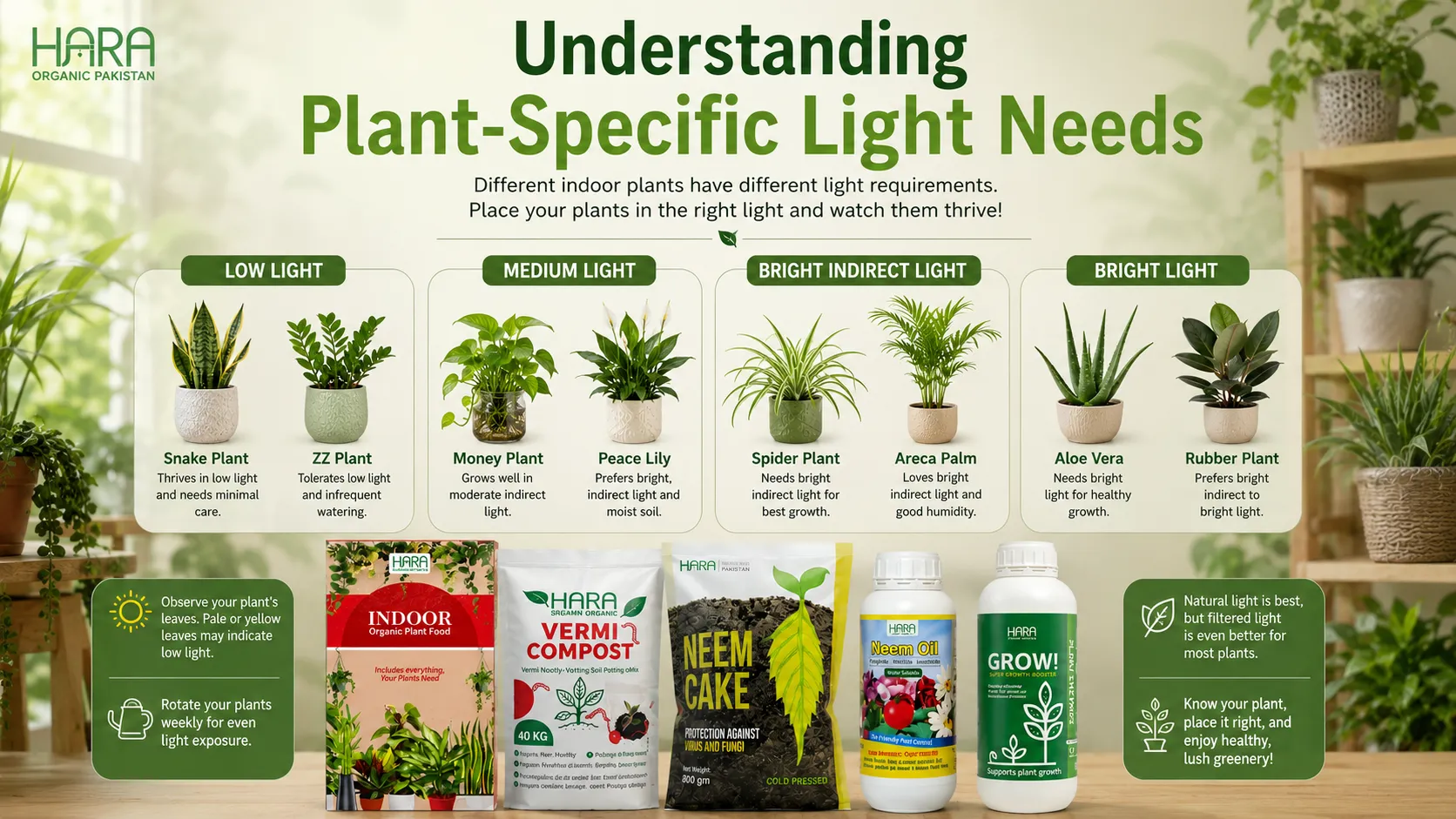
Snake Plant is one of the easiest houseplants to grow because it tolerates low light and irregular watering. It is often recommended for beginners. Money Plant, also known as Pothos, adapts well to indoor conditions and grows rapidly when provided with moderate indirect light.
Peace Lily prefers medium light and slightly moist soil. One interesting characteristic of Peace Lily is that it often droops dramatically when thirsty, making watering needs easy to identify.
Spider Plant thrives in bright indirect light and produces attractive arching foliage. It is also known for producing baby plantlets that can be propagated easily. Understanding these differences allows plant owners to place each species where it can perform best.
Step 2: Pot Selection and Drainage Management
Healthy roots are the foundation of healthy plants, and healthy roots require proper containers. One of the most common causes of indoor plant decline is poor drainage. Water that remains trapped around roots reduces oxygen availability and creates conditions favorable for root diseases.
Regardless of whether you use ceramic, terracotta, or plastic containers, drainage holes are essential.
Recommended Pot Sizes
Plant Type | Recommended Pot Size |
Small Indoor Plants | 6–8 Inches |
Medium Indoor Plants | 10–12 Inches |
Large Indoor Plant | 14–18 Inches |
Many gardeners make the mistake of moving small plants directly into very large pots. While this may seem beneficial, oversized containers often hold excess moisture for longer periods, increasing the risk of root rot.
Instead, plants should be moved gradually into slightly larger containers as they grow. Another useful practice is emptying drainage trays after watering. Standing water beneath pots can eventually create excessive moisture around roots.
Step 3: Preparing Healthy Potting Soil
Indoor plants depend entirely on the soil inside their containers. Unlike garden plants, they cannot expand their root systems to search for nutrients and water. This makes soil quality one of the most important factors in successful indoor gardening. A good indoor potting mix should provide four essential functions:
- Support root growth
- Hold adequate moisture
- Allow proper drainage
- Supply nutrients and beneficial microorganisms
A practical growing medium can be prepared using approximately 70% quality garden soil or potting soil and 30% Hara Vermicompost. Hara Vermicompost improves soil structure naturally and enhances biological activity within the root zone. The presence of beneficial microorganisms supports nutrient cycling and healthier root development.
Healthy soil also improves soil aeration, which allows roots to access oxygen more efficiently. Better aeration often results in stronger root systems and more vigorous plant growth. Many indoor gardeners focus only on watering and fertilizer while ignoring soil quality. In reality, healthy soil is often the foundation that supports every other aspect of plant care.
Step 4: Understanding Indoor Humidity and Air Circulation
Humidity is one of the most overlooked aspects of indoor plant management. Many popular houseplants originate from tropical regions where humidity levels remain relatively high throughout the year. Indoor environments, particularly those with air conditioning or heating systems, often contain much drier air. Low humidity can cause:
- Brown leaf edges, dry foliage tips, slower growth, and reduced overall plant health.
- Good air circulation is equally important. Stagnant air can encourage fungal problems and reduce plant vigor.
- Plants should not be crowded too closely together. Allowing adequate spacing improves airflow around foliage and reduces the risk of disease development.
If indoor air is extremely dry, grouping plants can help create a slightly more humid microclimate around them.
Step 5: Best Watering Practices for Indoor Plants
Watering is perhaps the most misunderstood aspect of indoor plant care. Interestingly, most indoor plants die from overwatering rather than underwatering.
During routine indoor plant maintenance, yellow leaves are often blamed on nutrient deficiencies. However, in many cases the actual cause is excessive watering combined with poor drainage. When soil remains continuously wet, roots struggle to access oxygen and may eventually begin to rot.
Instead of watering on a fixed schedule, it is better to monitor soil moisture. Most houseplants should be watered when the top 1–2 inches of soil feels dry to the touch. This simple habit helps prevent both overwatering and underwatering.
Morning is generally considered the best time for watering because plants can utilize moisture throughout the day. Water should be applied slowly and evenly until excess water drains from the bottom of the pot.
Signs of Overwatering
Symptom | Possible Cause |
Yellow leaves | Excess moisture |
Mushy stems | Root damage |
Fungus growth | Constantly wet soil |
Leaf drop | Root stress |
Bad soil odor | Root rot |
Signs of Underwatering
Symptom | Possible Cause |
Dry leaves | Lack of moisture |
Wilting | Water deficiency |
Brown leaf edges | Dry soil |
Slow growth | Inadequate hydration |
Crispy foliage | Extended drought stress |
Balanced watering remains one of the most important factors in maintaining healthy indoor greenery.
Step 6: Indoor Plant Nutrition Management
Indoor plants rely entirely on the nutrients available within their containers. Unlike outdoor plants, they cannot naturally access fresh nutrients from surrounding soil. Over time, nutrients become depleted, making regular feeding essential for sustained growth.
One of the most practical approaches is applying Hara Indoor Plant Food every 15–20 days. This helps replenish nutrients and supports healthy foliage development, stronger roots, and improved plant vigor.
Hara Indoor Plant Food Dosage
Pot Size | Recommended Dosage |
Small Pots | 1 Tablespoon |
Medium Pots | 2 Tablespoons |
Large Pots | 3–4 Tablespoons |
The product should be applied near the root zone, lightly mixed into the soil, and followed by watering. This ensures nutrients become available where roots can absorb them efficiently. Healthy nutrition management not only improves plant growth but also helps plants tolerate environmental stress more effectively.
Why Leaf Nutrition Matters
Roots absorb most nutrients, but leaves can also absorb certain nutrients directly through foliar feeding. Foliar nutrition provides a fast method of supplying nutrients during active growth periods. It is particularly useful when plants appear weak, pale, or slow-growing.
Using Hara Grow for Stronger Foliage
Hara Grow is designed to support vegetative growth and healthy leaf development. Recommended dosage:
- 5–10 ml Hara Grow per 1 liter of water.
- The solution should be sprayed evenly across the foliage during cooler parts of the day.
- Regular use helps improve:
- Greener leaves, stronger stems, better nutrient absorption, improved foliage density, and healthier overall growth.
For indoor foliage plants such as Philodendron, Syngonium, Money Plant, Rubber Plant, and Areca Palm, maintaining healthy leaf growth is often the primary objective. Hara Grow can help support this process when used as part of a balanced nutrition program.
Nutrition for Flowering Indoor Plants
Not all indoor plants are grown primarily for foliage. Some species are valued for their flowers and require additional nutritional support during blooming periods. Popular flowering indoor plants include Peace Lily, Anthurium, and certain flowering tropical ornamentals. These plants benefit from flowering nutrition during active bloom production.
Using Hara Bloom
Hara Bloom can be applied every 15–20 days during flowering stages. Recommended dosage:
- 5–10 ml Hara Bloom per liter of water.
- Consistent use helps support:
Improved flower production, better bloom quality, stronger flower stalks, enhanced appearance, and longer flowering duration. Providing flowering nutrition at the correct stage often results in noticeably healthier blooms and improved ornamental value.
Step 7: Indoor Pest Management
Even healthy indoor plants can occasionally experience pest problems. Because indoor environments are relatively stable, pest populations can sometimes multiply rapidly if not detected early. Common indoor plant pests include:
- Mealybugs, aphids, spider mites, scale insects, fungus gnats, and whiteflies.
- Many of these pests feed on plant sap, weakening growth and reducing plant health.
One useful habit is inspecting plants weekly. Checking the underside of leaves often reveals pest problems before they become severe.
Organic Pest Control with Hara Neem Oil
For environmentally friendly pest management, Hara Neem Oil can be incorporated into routine plant care. Recommended dosage:
- 5 ml Hara Neem Oil per liter of water.
The solution should be sprayed on leaves, stems, and particularly the underside of foliage where pests frequently hide. Regular preventive applications can help reduce soft-bodied insect populations while supporting organic indoor gardening practices.
Step 8: Root Zone Protection and Soil Health
Many indoor gardeners focus heavily on leaves while overlooking the root zone. However, healthy roots determine how efficiently a plant absorbs water and nutrients. A plant with weak roots will rarely achieve strong growth, regardless of how much fertilizer is applied. One useful practice is supporting root health through organic soil amendments.
Using Hara Neem Cake
Hara Neem Cake can be applied around the root zone every 20–30 days.
Recommended Dosage
Pot Size | Recommended Dosage |
Small Pots | 1 Tablespoon |
Medium Pots | 2 Tablespoons |
Large Pots | 3 Tablespoons |
Regular use helps support: Improved soil health, stronger root systems, enhanced nutrient uptake, healthier microbial activity, and reduced pressure from harmful soil pathogens. Root health is often the hidden factor behind successful indoor gardening.
Step 9: Leaf Cleaning and Routine Maintenance
Dust accumulation is inevitable in indoor environments. Over time, dust forms a layer on leaves that reduces the plant’s ability to perform photosynthesis efficiently. Cleaning leaves with a soft damp cloth helps maintain healthy foliage while improving the appearance of plants.
Removing yellow, damaged, or dead leaves also improves overall plant health by allowing the plant to focus energy on healthy growth. Rotating containers every week is another useful technique. Plants naturally grow toward available light sources. Rotation promotes more balanced growth and prevents plants from becoming uneven or lopsided.
These small maintenance practices often make a noticeable difference over time.
Common Indoor Plant Problems and Solutions
Problem | Most Likely Cause |
Yellow Leaves | Overwatering |
Brown Leaf Edges | Low Humidity |
Pale Foliage | Nutrient Deficiency |
Weak Growth | Insufficient Light |
Root Rot | Poor Drainage |
Wilting | Water Stress |
Leaf Drop | Environmental Stress |
Pest Damage | Lack of Monitoring |
Most indoor plant problems can be corrected once the underlying cause is identified and addressed promptly.
Recommended Organic Indoor Plant Care Products from Hara Organic Pakistan
Successful indoor plant management requires a combination of healthy soil, balanced nutrition, root protection, and pest management. Hara Organic Pakistan offers a complete range of products that can support every stage of indoor plant growth.
Hara Vermicompost
Improves soil fertility, enhances microbial activity, supports root development, and improves moisture retention.
Hara Indoor Plant Food
Provides balanced nutrition for healthy foliage growth and long-term plant vigor.
Hara Grow
Supports vegetative growth, greener leaves, and stronger plant development.
Hara Bloom
Promotes healthier flowering and improved bloom quality for ornamental indoor plants.
Hara Neem Oil
Provides natural support for managing common indoor plant pests.
Hara Neem Cake
Improves root-zone health, soil quality, and nutrient uptake efficiency. When used together as part of a complete indoor gardening program, these products can help create healthier and more resilient plants.
Frequently Asked Questions About Indoor Plants Care
How often should indoor plants be watered?
Most indoor plants should be watered only when the top 1–2 inches of soil feels dry. Watering frequency varies depending on plant type, temperature, humidity, and container size.
Why are indoor plant leaves turning yellow?
Yellow leaves are commonly caused by overwatering, poor drainage, insufficient light, or root stress.
Which indoor plants survive in low light?
Snake Plant, ZZ Plant, Chinese Evergreen, and Pothos are among the best low-light indoor plants.
What is the best soil for indoor plants?
A well-drained potting mix containing quality potting soil and Hara Vermicompost provides excellent support for indoor plant growth.
Why do indoor plants develop brown leaf edges?
Brown leaf edges are often caused by low humidity, inconsistent watering, or dry indoor air.
How can I increase humidity for indoor plants?
Grouping plants, using pebble trays, or maintaining moderate indoor humidity can help improve growing conditions.
Is neem oil safe for indoor plants?
Yes. When used according to recommended guidelines, neem oil is considered a safe and effective organic option for managing many common indoor plant pests.
How can I prevent root rot in potted plants?
Use containers with drainage holes, avoid excessive watering, and ensure soil remains well-drained and aerated.
Conclusion
Indoor Plants Care is not simply about watering a plant occasionally. Healthy houseplants require the right balance of light, soil quality, drainage, humidity, nutrition, root protection, and routine maintenance. Understanding how these factors work together allows indoor plants to thrive for many years.
One lesson repeatedly observed during indoor plant maintenance is that prevention is always easier than correction. Choosing the right location, using quality soil, monitoring watering practices, and inspecting plants regularly can prevent most common problems before they become serious.
For gardeners, homeowners, and office managers looking to maintain healthier indoor greenery, Hara Organic Pakistan provides practical organic solutions through Hara Vermicompost, Hara Indoor Plant Food, Hara Grow, Hara Bloom, Hara Neem Oil, and Hara Neem Cake. When incorporated into a complete plant care program, these products help support stronger roots, healthier foliage, improved flowering, and long-term plant health.
With proper care and consistent management, indoor plants can transform homes and workplaces into greener, healthier, and more enjoyable environments throughout the year.

Chemical Free Farming Pakistan: A Practical Guide for Healthier Crops and Sustainable Agriculture
Jump To Chemical Free Farming Pakistan: A Practical Guide for

Organic Cotton Farming Pakistan: A Complete Guide to Sustainable Cotton Production
Jump To Organic Cotton Farming Pakistan: A Complete Guide to
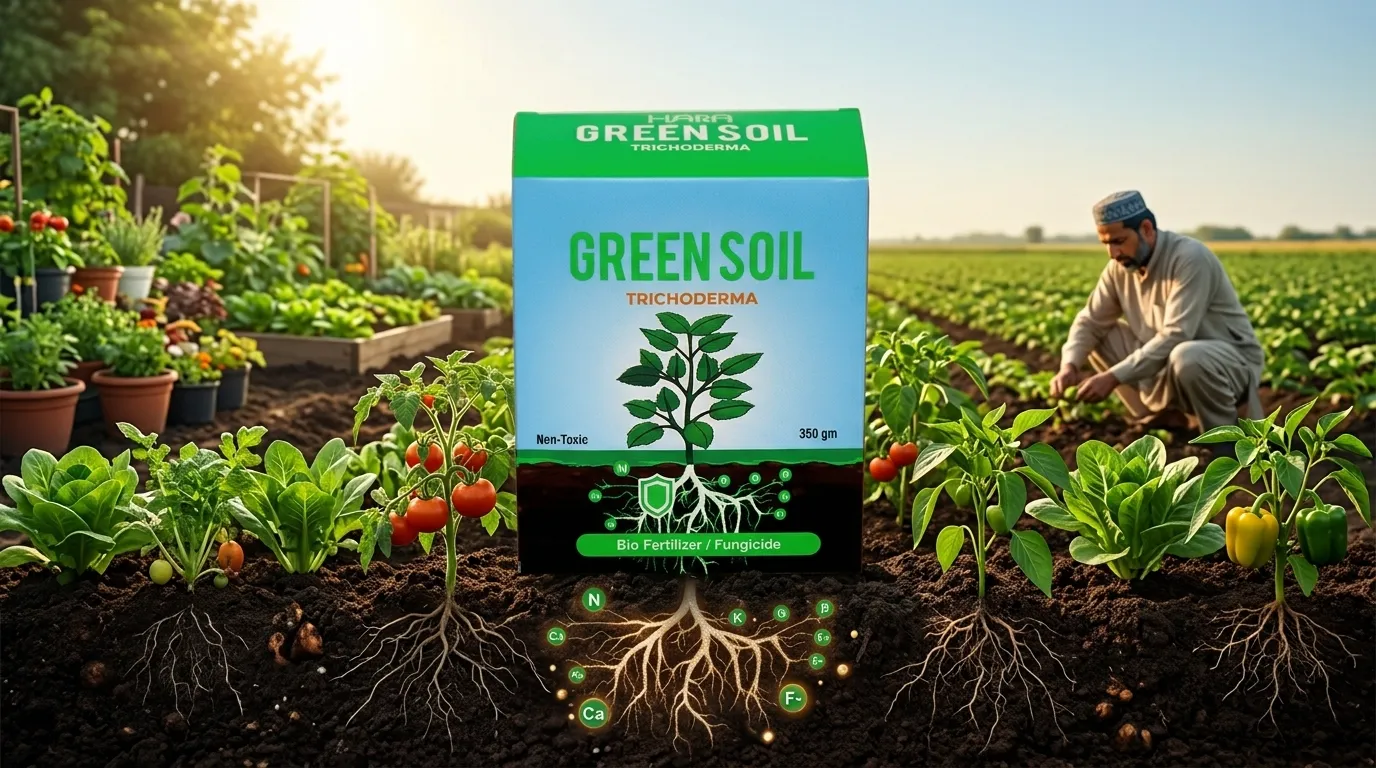
Green Soil Plant Growth: A Complete Guide to Better Soil Health and Stronger Plant Growth
Jump To Green Soil Plant Growth: A Complete Guide to
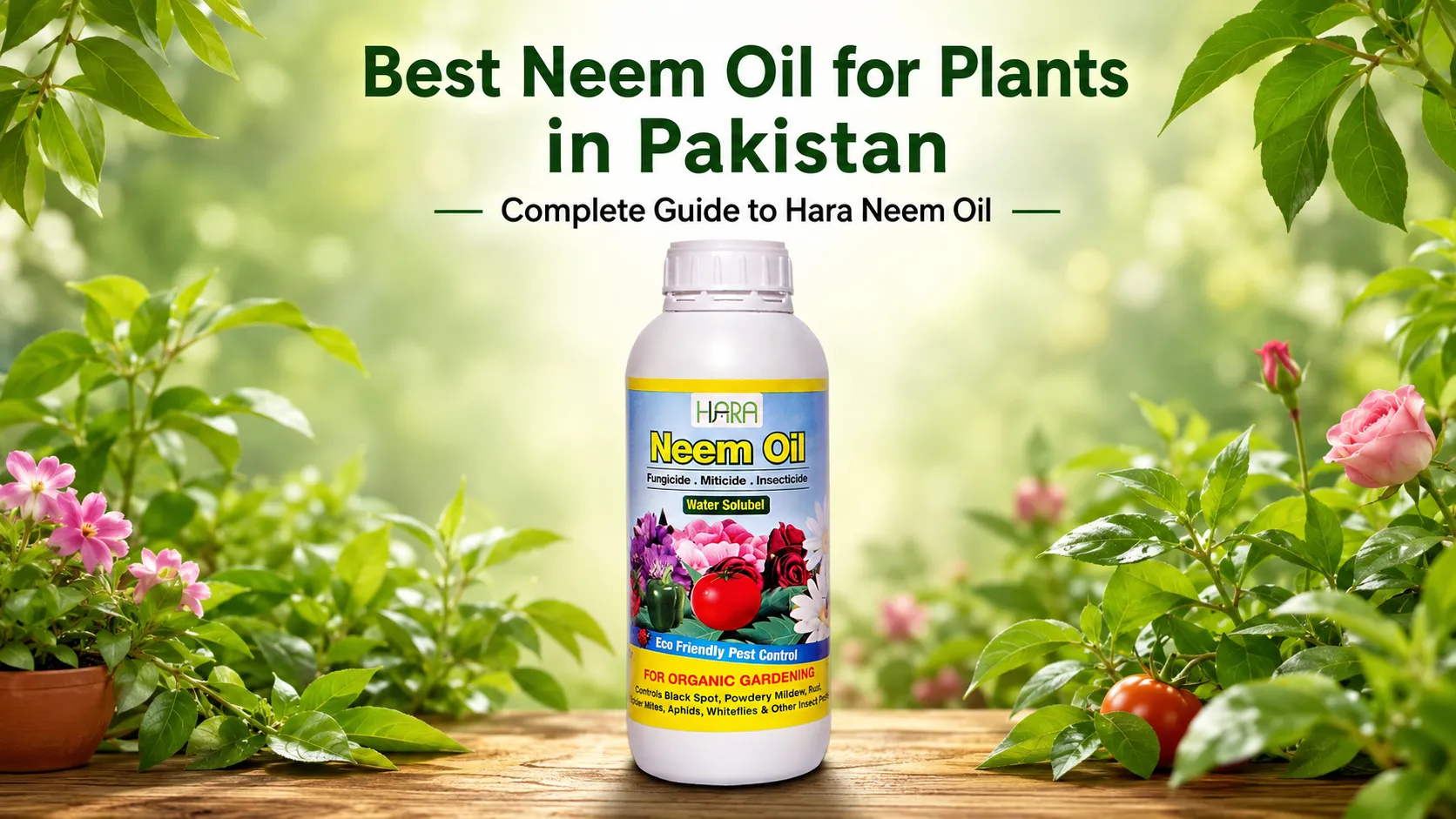
Best Neem Oil for Plants in Pakistan – Complete Guide to Hara Neem Oil
Jump To Best Neem Oil for Plants in Pakistan –
