


Flowering plants add beauty, color, and fragrance to homes, balconies, rooftops, patios, and backyard gardens. Whether you are growing roses in containers, petunias in hanging baskets, or hibiscus in garden beds, proper management is essential for achieving healthy plants and abundant flowers.
Today, growing flowering plants in pots has become increasingly popular because it allows gardeners to create attractive green spaces even in limited areas. However, successful flower gardening requires more than simply planting flowers in containers. Proper sunlight, healthy soil, balanced nutrition, irrigation management, and organic plant protection all play an important role in producing vibrant blooms.
This complete guide explains the best practices for growing flowering plants in pots, grow bags, backyard gardens, and direct soil beds while using organic solutions from Hara Organic Pakistan to achieve healthier plants and improved flowering performance.
Why Growing Flowering Plants in Pots Is a Great Choice
Container gardening offers flexibility and convenience for both beginner and experienced gardeners. Unlike traditional flower beds, pots allow better control over soil quality, drainage, and plant placement.
Some major advantages include:
- Ideal for balconies, rooftops, patios, and small gardens.
- Better control over soil fertility, watering, and plant health.
Because containers can easily be moved, gardeners can adjust plant placement according to seasonal sunlight and weather conditions, helping flowering plants perform better throughout the year.
Choosing the Right Location for Flowering Plants
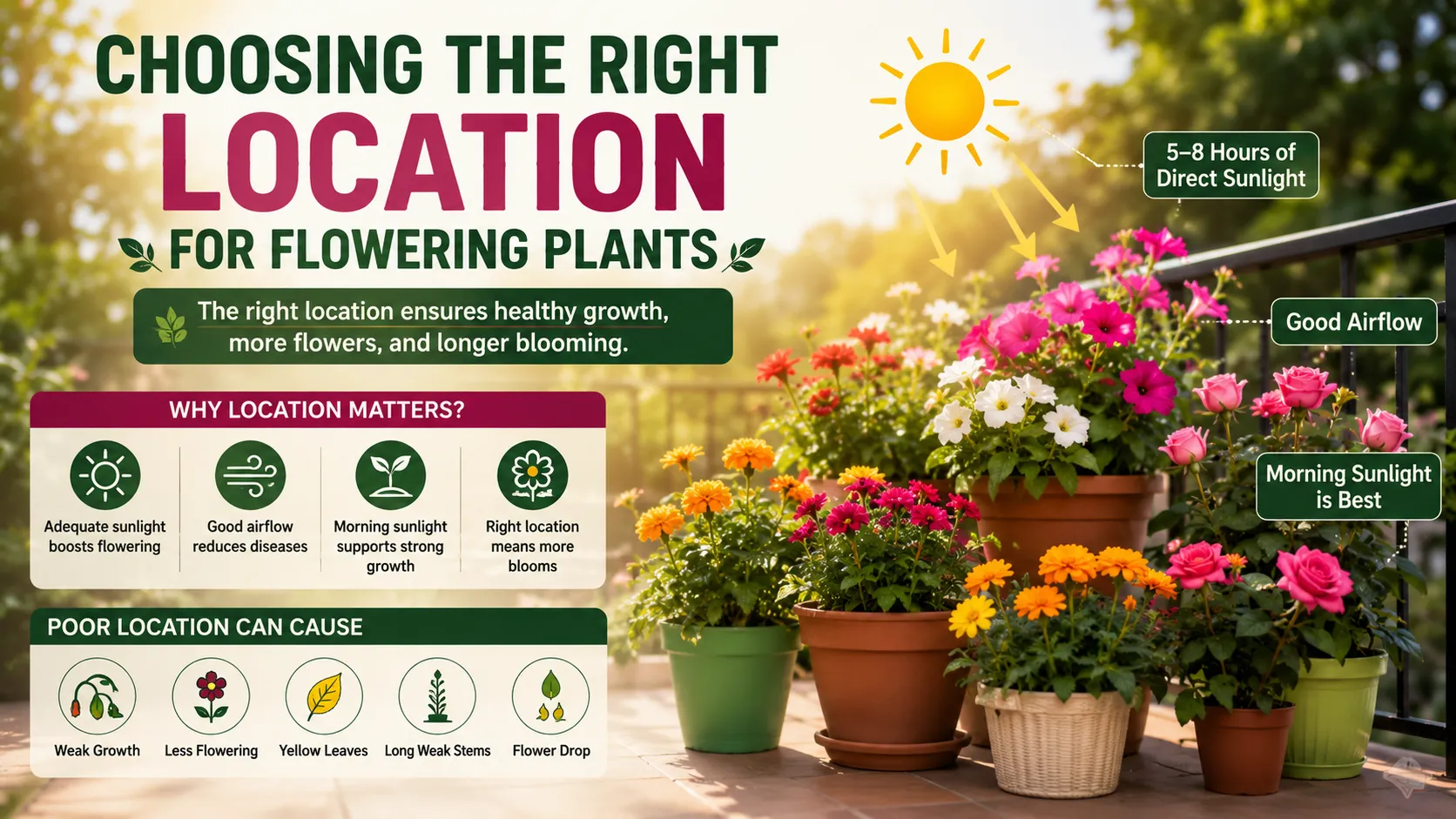
The first step in successful flower gardening is selecting the right location. Even the healthiest plants may struggle if they do not receive adequate sunlight and airflow.
Most flowering plants require between five and eight hours of direct sunlight daily. Morning sunlight is especially beneficial because it provides energy for plant growth without exposing flowers to excessive afternoon heat. Good airflow around plants helps reduce humidity levels and lowers the risk of fungal diseases.
When flowering plants receive insufficient sunlight, they often develop weak stems, yellow leaves, fewer flowers, and slow overall growth. If plants are healthy but not producing flowers, lack of sunlight is frequently one of the primary causes.
Best Flowering Plants for Home Gardens and Containers
Several flowering plants perform exceptionally well in pots, containers, and backyard gardens. These varieties are popular because they produce attractive blooms and adapt easily to different growing environments.
|
Flower Plant |
Best Growing Method |
|
Rose |
Pots & Ground |
|
Marigold |
Pots & Beds |
|
Petunia |
Pots & Hanging Baskets |
|
Zinnia |
Pots & Beds |
|
Sunflower |
Ground & Large Pots |
|
Jasmine |
Ground & Pots |
|
Bougainvillea |
Ground & Large Pots |
|
Chrysanthemum |
Pots |
|
Dianthus |
Pots & Beds |
|
Hibiscus |
Ground & Large Pots |
|
Mogra |
Pots & Ground |
|
Verbena |
Pots & Hanging Baskets |
|
Portulaca |
Pots & Beds |
These flowering plants can thrive when provided with proper care, nutrition, and growing conditions.
Selecting the Right Pot Size
One of the most important aspects of growing flowering plants in pots is choosing an appropriate container size. Flowering plants need adequate root space to absorb nutrients and water efficiently.
Containers that are too small can restrict root development, resulting in weaker growth and reduced flower production. Larger containers generally support healthier plants because they retain moisture more effectively and allow roots to expand naturally.
Recommended Pot Sizes
|
Flower Plant |
Recommended Pot Size |
|
Marigold |
10–12 Inches |
|
Petunia |
8–10 Inches |
|
Rose |
16–20 Inches |
|
Hibiscus |
18–24 Inches |
|
Jasmine |
14–18 Inches |
|
Chrysanthemum |
10–12 Inches |
|
Dianthus |
8–10 Inches |
|
Bougainvillea |
20–24 Inches |
Every container should have proper drainage holes to prevent water accumulation. Poor drainage can quickly lead to root diseases and plant decline.
Preparing Healthy Soil for Better Flower Production
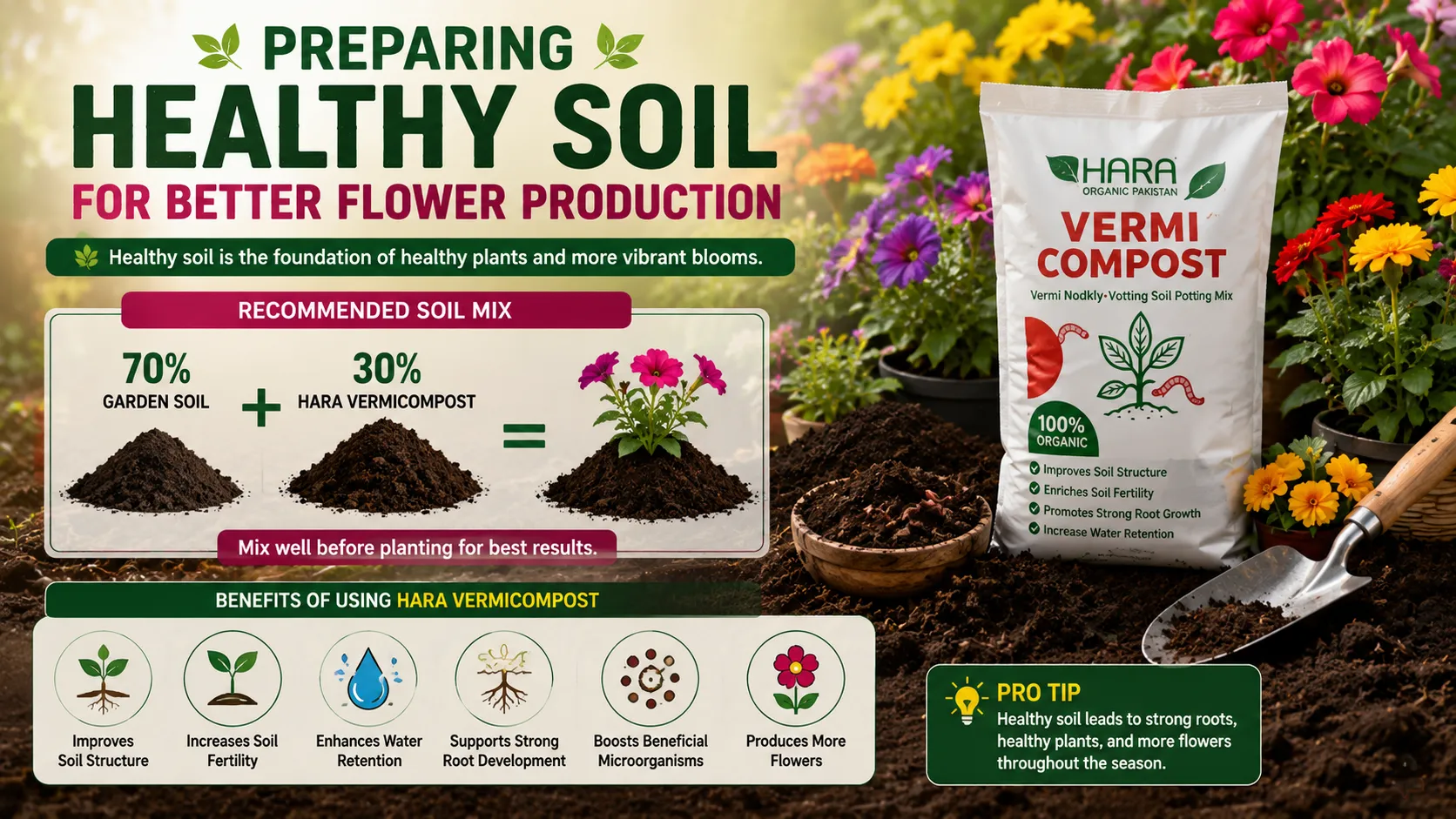
Healthy soil is the foundation of successful flower gardening. The quality of soil directly affects root development, nutrient availability, flower production, and overall plant health.
For best results, Hara Organic Pakistan recommends preparing a growing medium containing 70% garden soil and 30% Hara Vermicompost.
Why Use Hara Vermicompost?
Hara Vermicompost improves soil fertility naturally and provides beneficial microorganisms that support plant growth. It enhances soil structure, improves water retention, increases nutrient availability, and encourages stronger root development.
Plants grown in soil enriched with Hara Vermicompost often develop healthier foliage, stronger stems, and improved flowering performance compared to plants grown in ordinary garden soil alone.
Planting and Proper Spacing
Proper planting techniques and spacing significantly influence flowering performance. Crowded plants compete for sunlight, nutrients, and moisture, often leading to weaker growth and increased disease pressure.
Before planting, it is important to consider plant height, mature spread, root development, and seasonal suitability. Adequate spacing allows better air circulation and helps flowering plants receive sufficient sunlight throughout the day.
Recommended Plant Spacing
|
Flower Plant |
Plant Spacing |
|
Marigold |
1 Foot |
|
Petunia |
8–10 Inches |
|
Rose |
2–3 Feet |
|
Hibiscus |
3–5 Feet |
|
Jasmine |
3–4 Feet |
|
Chrysanthemum |
1 Foot |
|
Zinnia |
1–1.5 Feet |
|
Sunflower |
2 Feet |
Proper spacing also helps reduce fungal diseases and improves overall flower quality.
Best Watering Practices for Flowering Plants
Water management is one of the most critical aspects of flower gardening. The goal is to maintain consistent soil moisture without allowing the growing medium to become excessively wet.
Morning watering is generally considered the best practice because it allows plants to absorb moisture before temperatures rise. Deep watering is more beneficial than frequent light watering because it encourages stronger root development.
Overwatering can cause root rot, yellow leaves, fungal diseases, and flower drop. Insufficient watering may result in wilting, smaller flowers, weak growth, and bud drop. Balanced irrigation is therefore essential for continuous flowering and healthy plant growth.
Nutrition Management for Maximum Flower Production
Flowering plants require different nutrients during different stages of growth. A proper nutrition program can dramatically improve plant vigor, bloom quantity, flower size, and flowering duration.
Stage 1: Growth Stage Nutrition
The growth stage begins immediately after planting and continues until flower buds start forming. During this stage, plants focus primarily on root establishment and foliage development.
To support healthy growth, apply Hara Flower Mix around the root zone every 15 to 20 days according to plant size. After application, water the soil thoroughly.
On the same day, spray Hara Grow on plant foliage using a dosage of 10 ml per liter of water.
The combination of Hara Flower Mix and Hara Grow helps improve root development, leaf growth, nutrient uptake, and overall plant strength. Strong vegetative growth creates a solid foundation for better flowering later in the season.
Stage 2: Flowering Stage Nutrition
Once flower buds begin to appear, plants enter the flowering stage and require additional nutritional support.
Continue applying Hara Flower Mix every 15 to 20 days around the root zone. At the same time, spray Hara Bloom on plant foliage using a dosage of 10 ml per liter of water.
Benefits of Hara Bloom
- Improves flower quantity.
- Enhances flower size.
- Promotes vibrant flower colors.
- Extends blooming duration.
Regular use of Hara Bloom helps flowering plants maintain continuous flower production throughout the growing season.
Organic Pest Management for Flowering Plants
Flowering plants often attract pests such as aphids, whiteflies, and mealybugs, especially during warm weather and peak blooming periods.
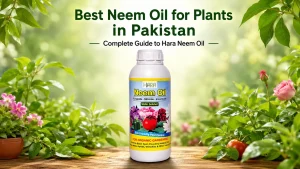
For natural and environmentally friendly pest control, Hara Organic Pakistan recommends using Hara Neem Oil.
Using Hara Neem Oil
Mix 5 ml Hara Neem Oil per liter of water and spray thoroughly on affected plants.
Regular applications help control common soft-bodied insects while reducing dependence on chemical pesticides. Consistent monitoring and early intervention can prevent major pest infestations and protect flower quality.
Root Zone Protection and Soil Health
Healthy roots are essential for producing healthy flowers. Strong root systems improve nutrient uptake, water absorption, and plant resilience.
To improve root zone health, apply Hara Neem Cake around plants every 20 to 30 days.
Benefits of Hara Neem Cake
Hara Neem Cake helps improve soil health naturally by supporting beneficial microorganisms and reducing harmful soil pathogens. It also enhances nutrient availability and promotes stronger root development.
Regular application helps flowering plants remain vigorous and productive throughout the year.
Pruning and Dead Flower Removal
Pruning is an important maintenance practice that encourages continuous blooming and improves plant appearance.
Removing dried flowers, weak branches, damaged stems, and diseased leaves allows plants to redirect their energy toward new growth and flower production. Regular pruning also improves airflow around the plant canopy and helps reduce disease pressure.
Many flowering plants respond to pruning by producing additional side branches, resulting in more flowers and a fuller plant structure.
Common Problems When Growing Flowering Plants in Pots
|
Problem |
Possible Cause |
|
Yellow Leaves |
Nutrient Deficiency |
|
No Flowering |
Low Sunlight |
|
Flower Drop |
Water or Heat Stress |
|
Weak Growth |
Poor Soil |
|
Root Rot |
Excess Water |
|
Insect Attack |
Lack of Monitoring |
Early identification of these problems allows gardeners to take corrective action before significant damage occurs.
Why Flower Gardening Matters
Flower gardening offers benefits that go far beyond visual beauty. Well-maintained flower gardens create healthier living environments while supporting local biodiversity and pollinator populations.
Some important benefits include:
- Supports bees, butterflies, and other pollinators.
- Creates a healthier and more attractive home environment.
- Reduces stress and improves mental well-being.
- Enhances biodiversity around homes and gardens.
- Increases the beauty and value of outdoor spaces.
Whether flowers are grown in containers, garden beds, or backyard landscapes, they contribute positively to both people and nature.
Conclusion
Growing flowering plants in pots is one of the most rewarding ways to create vibrant and colorful garden spaces. By selecting the right location, preparing healthy soil with Hara Vermicompost, following a proper nutrition program using Hara Flower Mix, Hara Grow, and Hara Bloom, and protecting plants with Hara Neem Oil and Hara Neem Cake, gardeners can achieve healthier plants and more abundant flowers.
With proper sunlight, balanced irrigation, regular maintenance, and organic plant care, flowering plants can thrive successfully in pots, rooftops, balconies, backyard gardens, and landscape beds. Following these best management practices will help ensure stronger roots, healthier foliage, longer blooming periods, and beautiful flowers throughout the growing season.
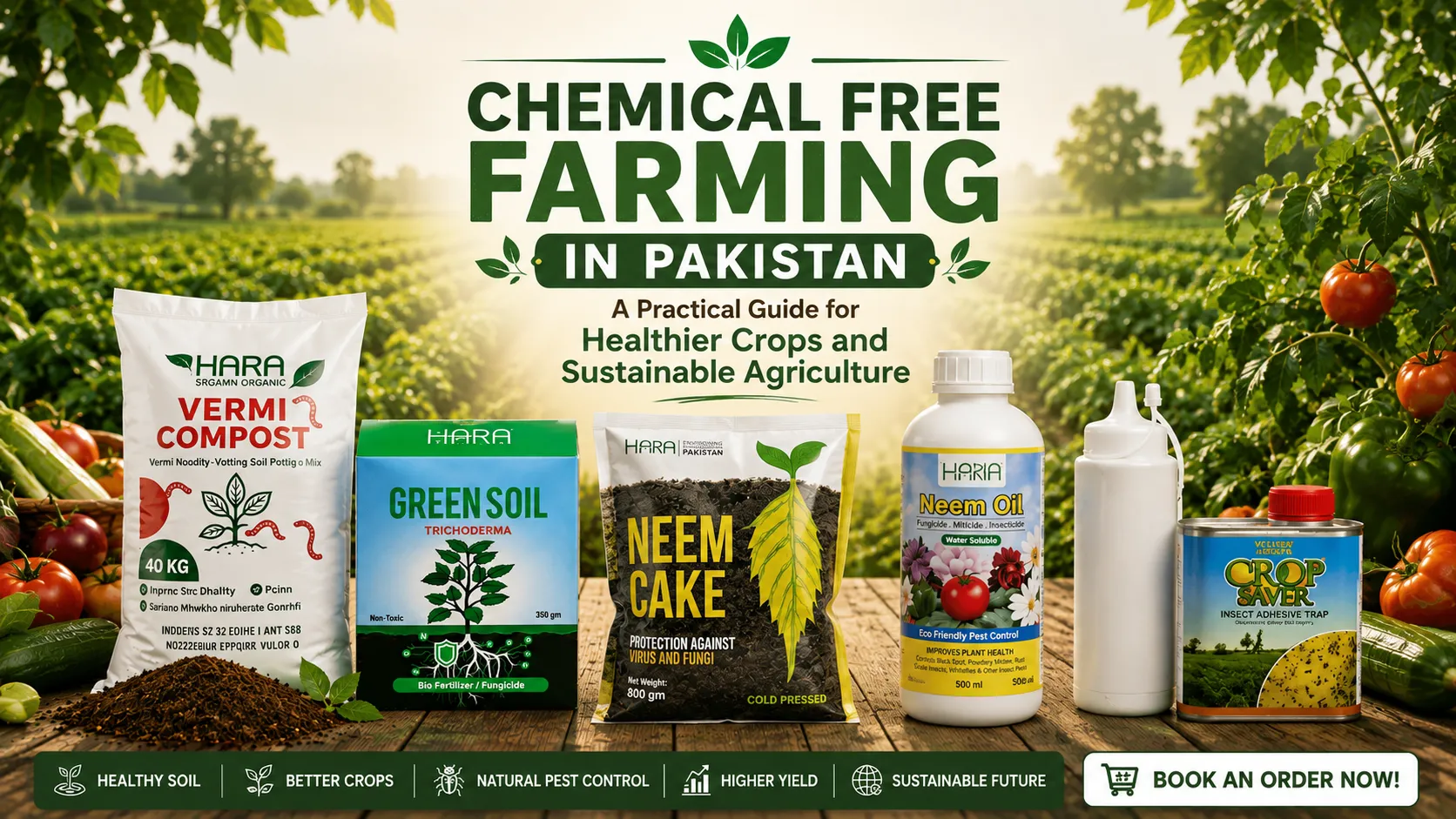
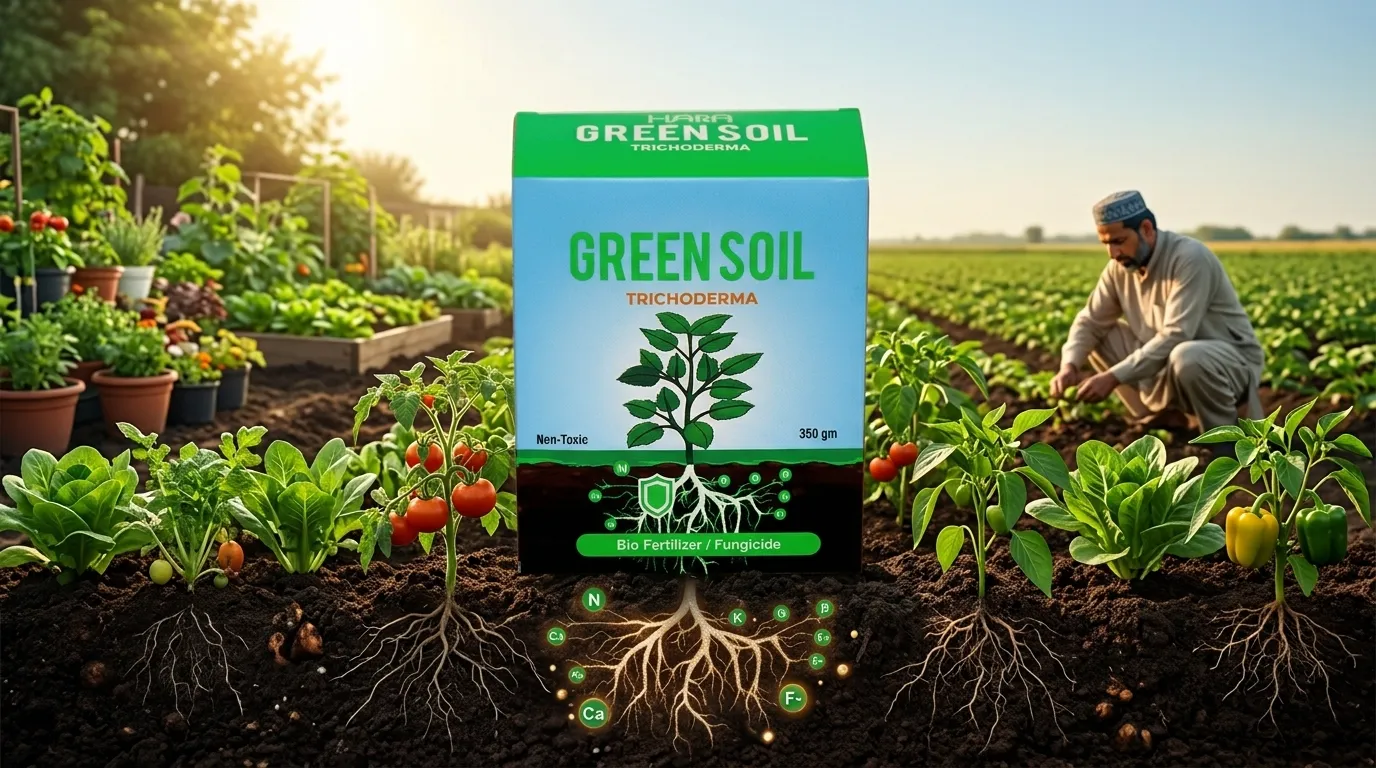

Chemical Free Farming Pakistan: A Practical Guide for Healthier Crops and Sustainable Agriculture
Jump To Chemical Free Farming Pakistan: A Practical Guide for
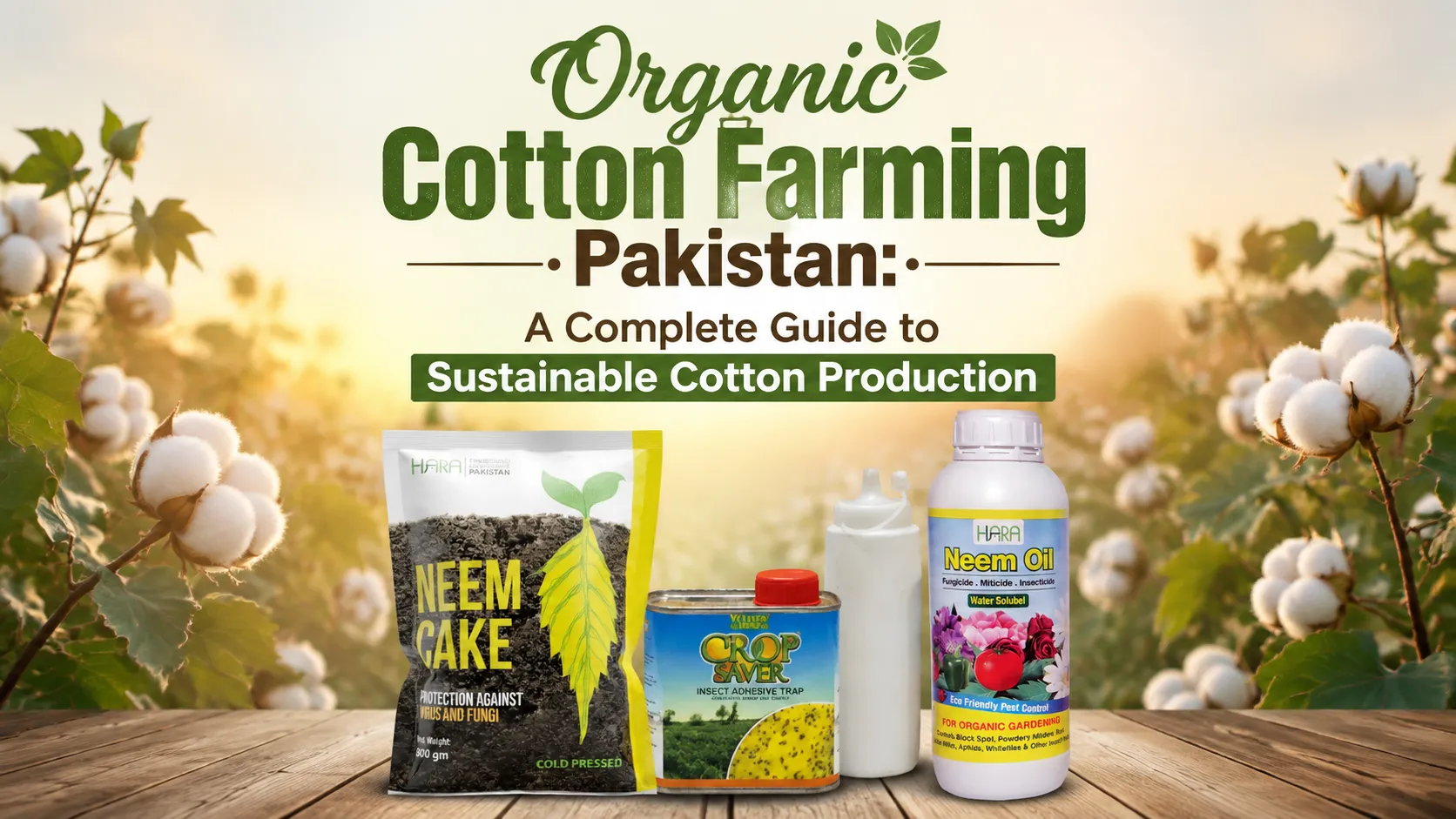
Organic Cotton Farming Pakistan: A Complete Guide to Sustainable Cotton Production
Jump To Organic Cotton Farming Pakistan: A Complete Guide to
Green Soil Plant Growth: A Complete Guide to Better Soil Health and Stronger Plant Growth
Jump To Green Soil Plant Growth: A Complete Guide to
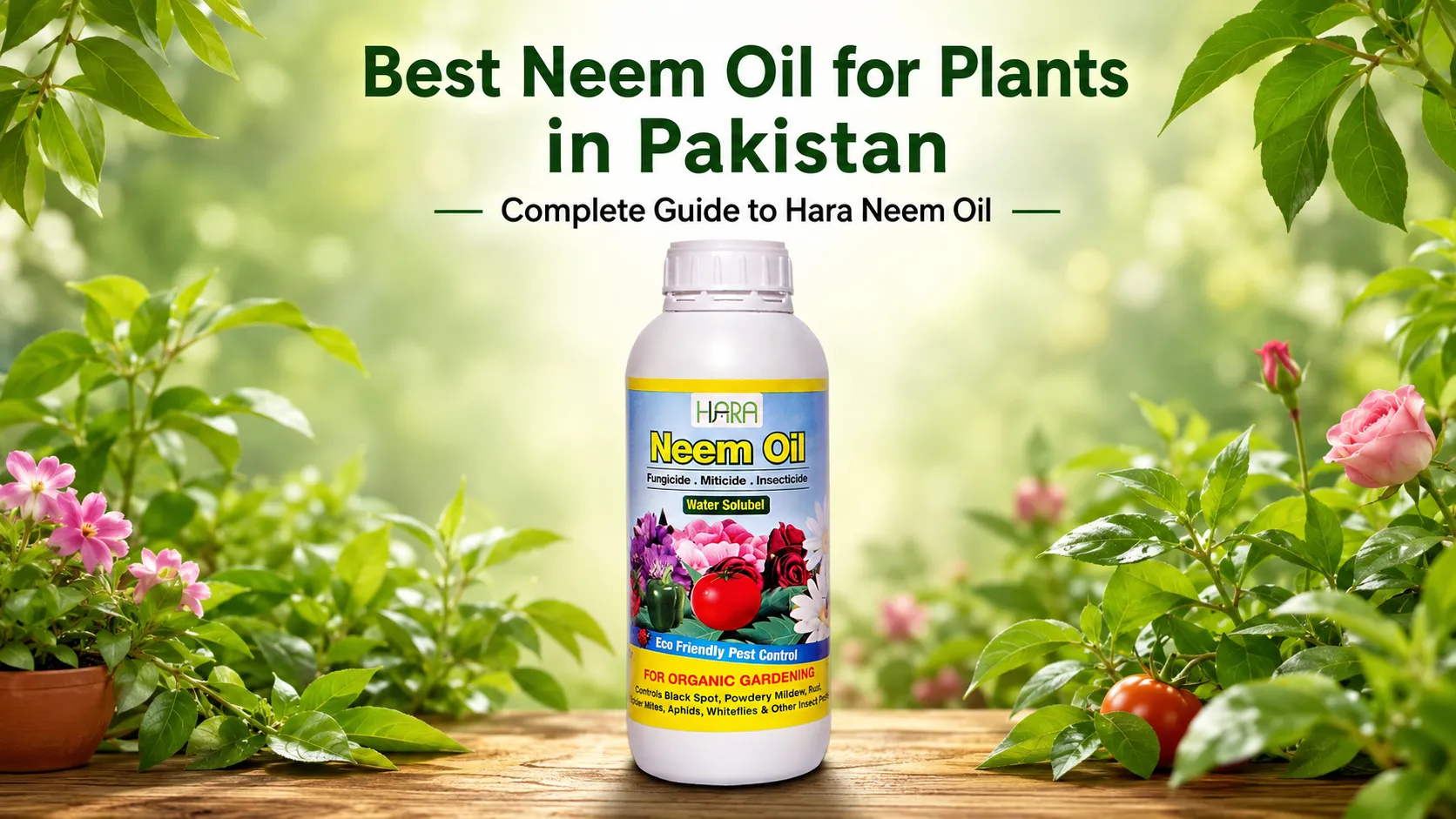
Best Neem Oil for Plants in Pakistan – Complete Guide to Hara Neem Oil
Jump To Best Neem Oil for Plants in Pakistan –
