

Organic Potato Crop Plan in Pakistan | Complete Fertilizer & Plant Protection Guide

Potato is one of Pakistan's most important vegetable crops and is widely grown for both local consumption and commercial markets. However, continuous use of chemical fertilizers and pesticides has increased production costs and affected soil health.
The Potatoes Organic Growth Guide provides a sustainable approach to potato cultivation through soil health improvement, organic nutrition, biological crop protection, and efficient water management. Organic farming helps produce healthier potatoes, improve soil fertility, and support long-term farm productivity.
Benefits of Organic Potato Farming
• Improved soil fertility and microbial activity
• Better tuber development and quality
• Reduced chemical input dependency
• Enhanced soil moisture retention
• Lower pest and disease pressure
• Safer and healthier potato production
• Sustainable long-term productivity
Best Potato Varieties For Organic Farming
Selecting suitable potato varieties is essential for successful organic production. Farmers should choose varieties that perform well under local climatic conditions, produce uniform tubers, and show tolerance against common diseases.
Suitable varieties support better germination, stronger plant growth, and improved marketable yield.
Benefits Of Choosing Suitable Varieties
• Better sprouting and emergence
• Uniform tuber formation
• Improved disease tolerance
• Higher yield potential
• Better market quality
Soil Fertility Management
Healthy soil is the foundation of successful organic potato cultivation. Potatoes require fertile, well-drained soil rich in organic matter for proper root and tuber development.
Organic amendments such as compost, farmyard manure, and beneficial microorganisms improve soil structure, nutrient availability, and biological activity.
Benefits Of Improved Soil Fertility
• Better root development
• Improved nutrient availability
• Enhanced microbial activity
• Increased water holding capacity
• Higher tuber quality
Land Preparation For Potatoes
Proper land preparation ensures good soil aeration and creates favorable conditions for tuber development. Deep cultivation and incorporation of organic matter help improve soil structure and drainage.
Well-prepared soil promotes uniform plant establishment and healthy crop growth.
Benefits Of Proper Land Preparation
• Better tuber development
• Improved soil aeration
• Uniform crop establishment
• Enhanced moisture conservation
• Stronger plant growth
Organic Fertilization Plan
Balanced nutrition is essential for healthy potato growth and tuber production. Organic fertilization programs provide nutrients gradually while improving long-term soil productivity.
A proper nutrition plan supports vegetative growth, tuber initiation, and tuber bulking stages.
Benefits Of Organic Fertilization
• Sustainable nutrient supply
• Improved plant vigor
• Better tuber formation
• Enhanced crop productivity
• Long-term soil improvement
Irrigation Management
Potatoes require consistent soil moisture throughout their growth cycle. Proper irrigation management helps prevent moisture stress and supports uniform tuber development.
Organic farming practices improve soil water retention and increase irrigation efficiency.
Benefits Of Proper Irrigation
• Better crop growth
• Improved nutrient uptake
• Uniform tuber development
• Reduced moisture stress
• Higher productivity
Foliar Nutrition Program
Foliar nutrition provides additional support during periods of rapid growth and tuber development. Organic foliar applications help improve plant health and nutrient availability.
Regular foliar feeding supports better crop performance and tuber quality.
Benefits Of Foliar Nutrition
• Faster nutrient absorption
• Improved crop vigor
• Better plant health
• Enhanced tuber growth
• Increased stress tolerance
Organic Pest Management
Organic pest management focuses on prevention through healthy soil, balanced nutrition, biological controls, and regular crop monitoring.
A healthy crop ecosystem helps reduce pest pressure while protecting beneficial insects.
Benefits Of Organic Pest Management
• Reduced pest infestations
• Lower chemical dependency
• Healthier crop growth
• Improved tuber quality
• Environmentally safe production
Organic Disease Management
Disease prevention is critical for maintaining healthy potato crops. Organic disease management relies on crop rotation, field sanitation, balanced nutrition, and biological disease suppression.
Healthy plants are naturally more resistant to disease pressure.
Benefits Of Disease Management
• Reduced disease incidence
• Improved crop health
• Better yield stability
• Enhanced tuber quality
• Sustainable production
Weed Management
Weeds compete with potato plants for nutrients, moisture, and sunlight. Effective weed management is particularly important during the early stages of crop growth.
Organic weed control includes cultivation, mulching, and proper field management practices.
Benefits Of Weed Management
• Reduced competition
• Better nutrient utilization
• Improved moisture conservation
• Stronger crop growth
• Higher yields
Tuber Development And Bulking
Proper management during tuber initiation and bulking stages directly affects final yield and quality. Adequate nutrition, irrigation, and crop protection are essential during this period.
Healthy crops produce larger, more uniform, and marketable tubers.
Benefits Of Proper Tuber Development
• Increased tuber size
• Better tuber quality
• Higher yield potential
• Uniform crop maturity
• Improved profitability
Harvesting And Post-Harvest Management
Timely harvesting helps maintain potato quality and reduce storage losses. Proper curing, grading, and storage are essential for preserving tuber quality and market value.
Good post-harvest management improves profitability and shelf life.
Benefits Of Proper Harvest Management
• Improved tuber quality
• Reduced storage losses
• Better market prices
• Longer shelf life
• Increased profitability
Conclusion
The Potatoes Organic Growth Guide provides a complete framework for sustainable potato cultivation through soil health improvement, organic nutrition, efficient irrigation, biological pest management, and responsible harvesting practices. By adopting organic farming methods, growers can improve tuber quality, maintain soil fertility, reduce production costs, and achieve long-term agricultural sustainability.

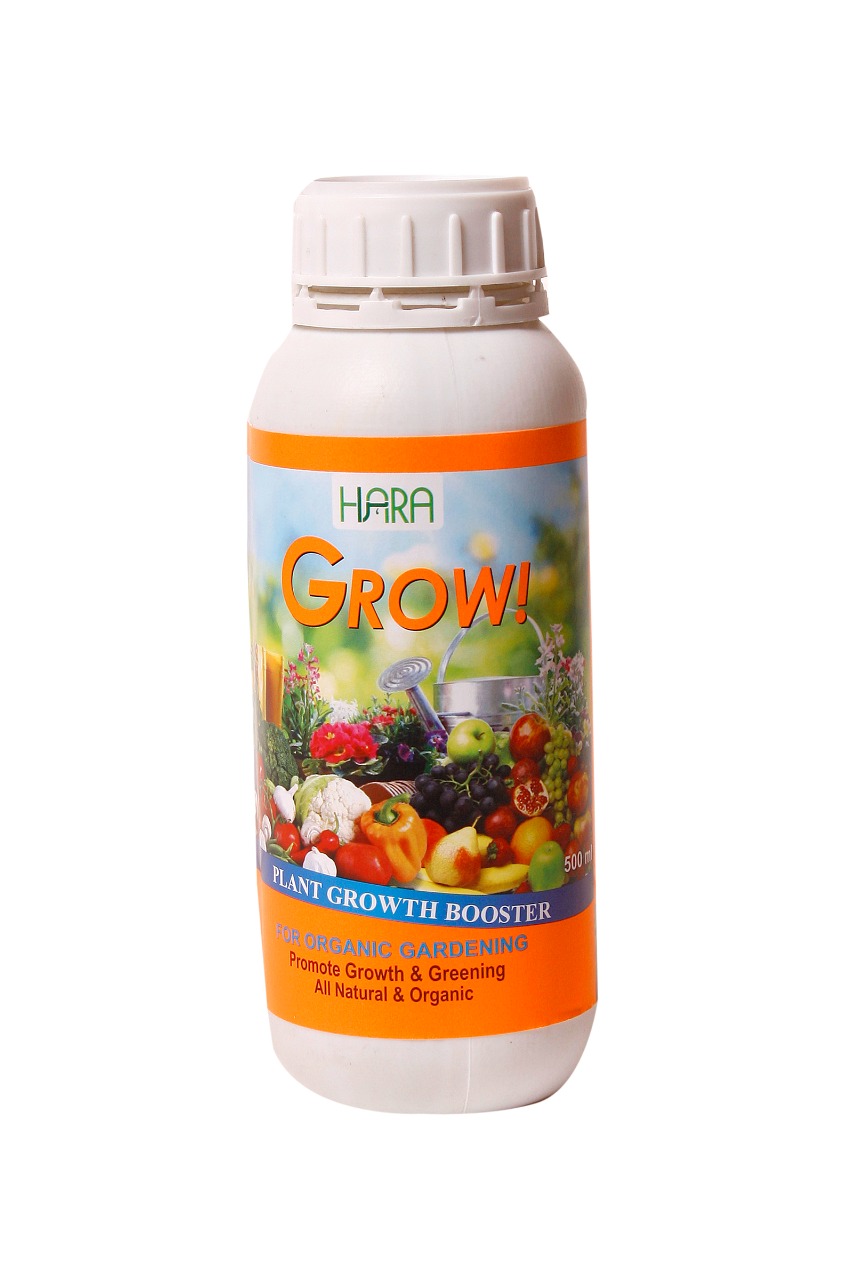
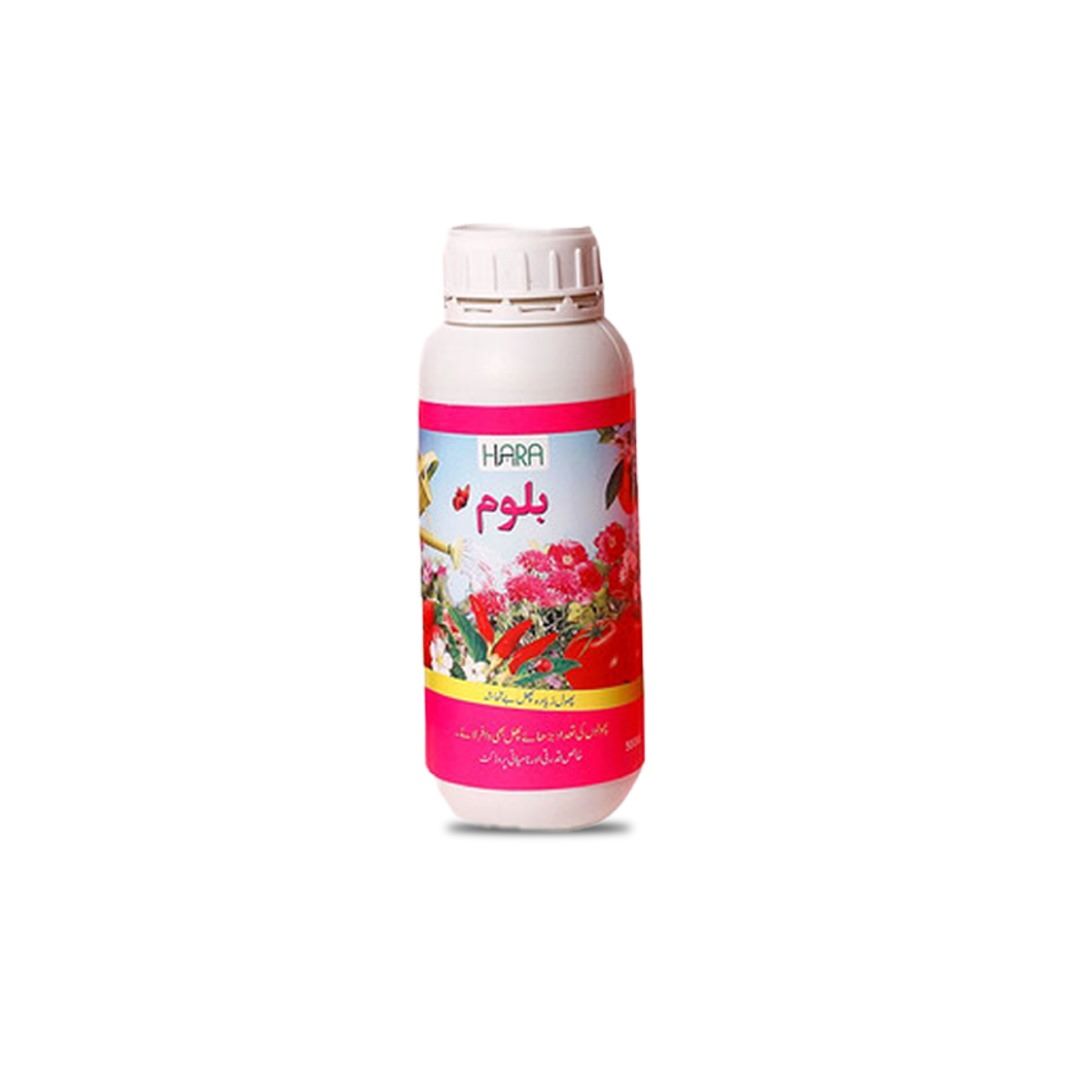
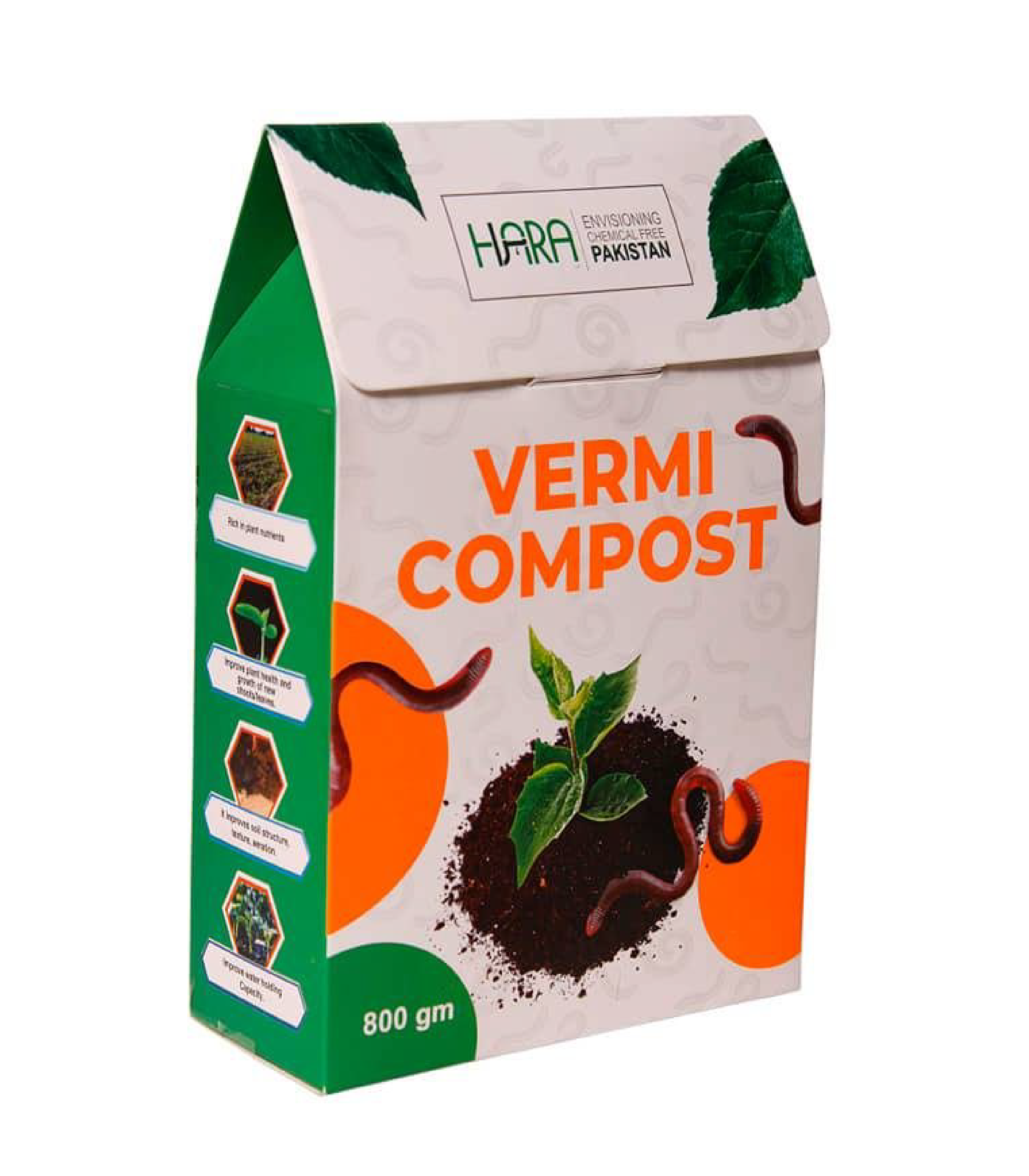
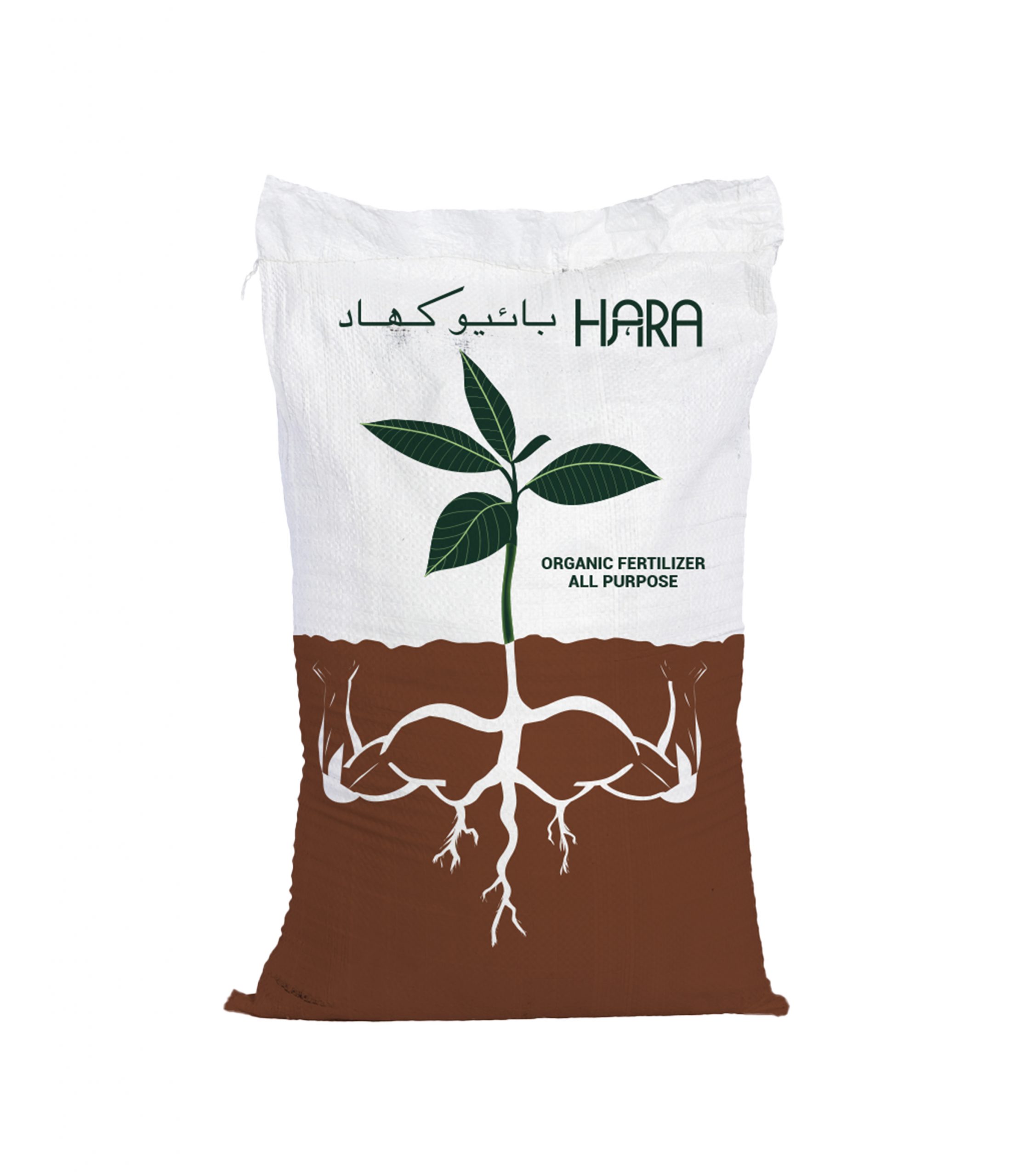
Potatoes can be grown organically by using compost, bio fertilizers, beneficial microbes, and neem-based plant protection instead of chemical inputs.
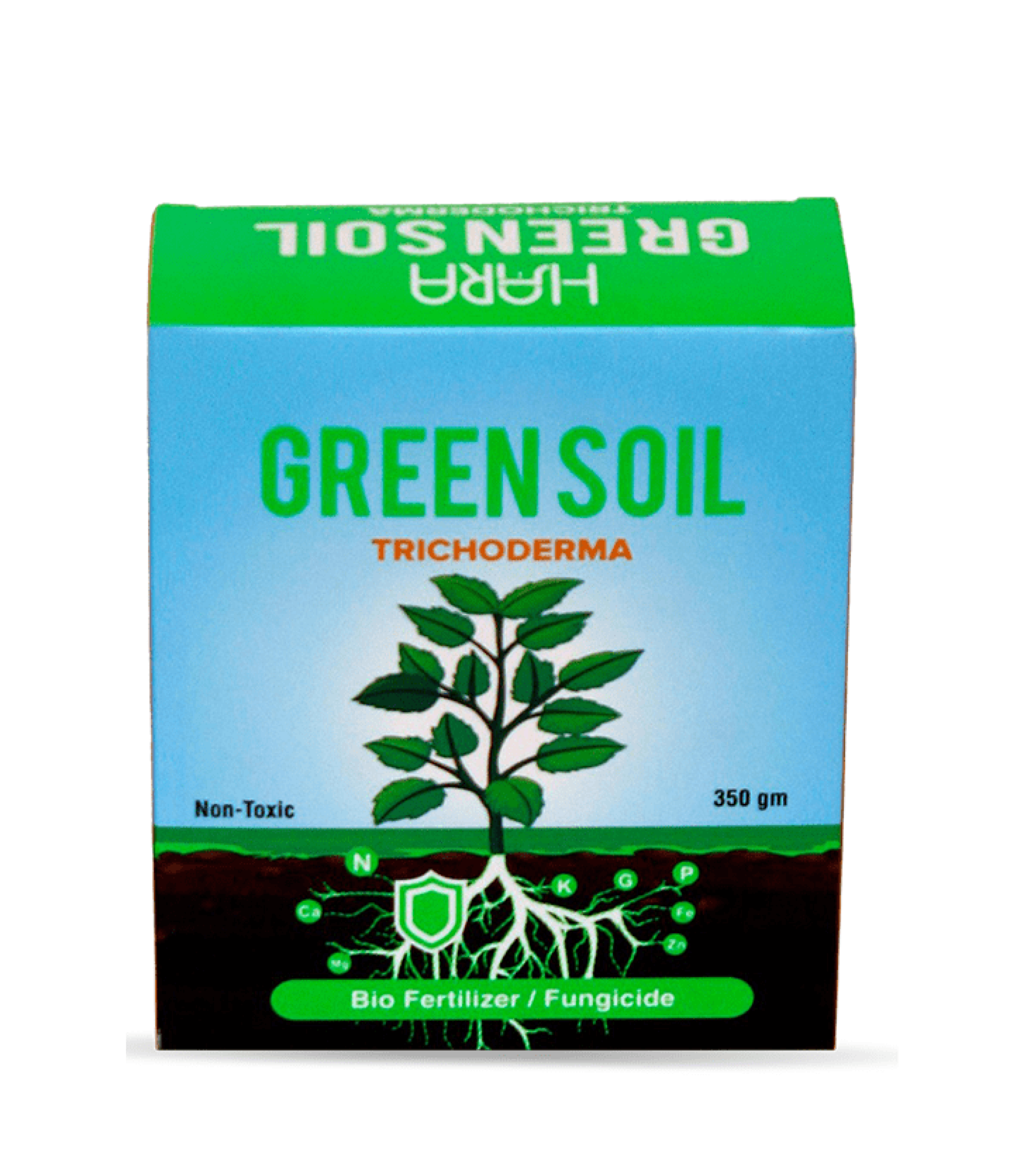
A combination of Bio Phos, Bio Khad, Green Soil (Trichoderma), and Agri Probiotics gives the best results in organic potato farming.
Organic pest and disease control in potatoes relies on preventive and biological methods. Practice crop rotation to prevent soil-borne diseases like blight and scab. Use neem oil, garlic spray, and Bacillus thuringiensis (Bt) to manage pests such as aphids and potato beetles. Encourage beneficial insects like ladybugs and lacewings. Maintaining proper spacing, airflow, and moisture control significantly reduces fungal diseases, ensuring a healthy and chemical-free potato crop.
Preventive neem oil sprays and regular soil application of Trichoderma effectively control early and late blight organically.
Yes. Organic potato farming reduces input cost, improves yield stability, and fetches better market value in the long term.
Neem oil should be sprayed every 10–15 days as a preventive measure or immediately after pest appearance.
No. With proper soil biology and nutrition, organic potato yield remains stable and improves soil for future crops.
Organic Potato Fertilizer Schedule (Per Acre)
| Crop Stage | Time / Days | Hara Organic Product | Application Method | Recommended Dose | Purpose |
|---|---|---|---|---|---|
| Land Preparation | Before sowing | Bio Phos + Vermicompost | Soil incorporation | Bio Phos 2 bags + compost as per soil | Activates soil biology & phosphorus availability |
| At Sowing | Day 0 | Green Soil (Trichoderma) | Soil drenching / ridge | 2 packs / acre | Protection from soil-borne diseases |
| Early Vegetative Stage | 20–25 days | Bio Khad + Agri Probiotics | Flood / drip irrigation | Bio Khad 3 bags + Probiotics 1 liter / acre | Strong vegetative growth & root development |
| Vegetative Growth | 30–35 days | Agri Probiotics | Soil / irrigation water | 1 liter / acre | Improves nutrient uptake & plant vigor |
| Tuber Initiation Stage | 45–50 days | Bio Khad + Agri Probiotics | Soil application / fertigation | Bio Khad 3 bags + Probiotics 1 liter / acre | Better tuber setting & uniform size |
| Tuber Bulking Stage | 60–65 days | Sea Gold | Soil or foliar | 200 ml / acre | Improves tuber weight & quality |
| Final Growth | 75–80 days | Sea Gold | Foliar spray | 200 ml / acre | Yield enhancement & shelf-life |
Need Further Details? Contact Our Experts for Free Consultation!
