

The Sustainable Gardener’s Guide to Growing Organic Onions

Onion is one of the most widely cultivated vegetable crops in Pakistan and is an important source of income for farmers. However, excessive use of chemical fertilizers and pesticides has increased production costs and affected soil health over time.
The Onion Organic Growth Guide provides a sustainable approach to onion cultivation through soil health improvement, organic nutrition, biological crop protection, and efficient water management. Organic farming helps produce healthier bulbs, improve soil fertility, and support long-term farm productivity.
Benefits of Organic Onion Farming
• Improved soil fertility and microbial activity
• Better bulb development and quality
• Reduced chemical input dependency
• Enhanced soil moisture retention
• Lower pest and disease pressure
• Safer and healthier onion production
• Sustainable long-term productivity
Best Onion Varieties For Organic Farming
Selecting suitable onion varieties is essential for successful organic production. Farmers should choose varieties that are adaptable to local climatic conditions, produce uniform bulbs, and show tolerance to common pests and diseases.
Suitable varieties support better germination, stronger plant growth, and improved marketable yields.
Benefits Of Choosing Suitable Varieties
• Better germination percentage
• Uniform bulb formation
• Improved disease tolerance
• Higher yield potential
• Better market quality
Soil Fertility Management
Healthy soil is the foundation of successful organic onion cultivation. Onions perform best in fertile, well-drained soils rich in organic matter and biological activity.
Organic amendments such as compost, farmyard manure, and beneficial microorganisms improve soil structure, nutrient availability, and moisture retention.
Benefits Of Improved Soil Fertility
• Better root development
• Improved nutrient availability
• Enhanced microbial activity
• Increased water holding capacity
• Higher bulb quality
Land Preparation For Onions
Proper land preparation creates favorable conditions for root growth and bulb development. Well-prepared soil improves aeration, drainage, and nutrient availability throughout the crop cycle.
Incorporating organic matter before planting helps establish a healthy growing environment.
Benefits Of Proper Land Preparation
• Better bulb development
• Improved soil aeration
• Uniform crop establishment
• Enhanced moisture conservation
• Stronger plant growth
Organic Fertilization Plan
Balanced nutrition is essential for healthy onion growth and bulb formation. Organic fertilization programs provide nutrients gradually while improving long-term soil health.
A proper nutrient management plan supports vegetative growth, bulb initiation, and bulb enlargement stages.
Benefits Of Organic Fertilization
• Sustainable nutrient supply
• Improved plant vigor
• Better bulb formation
• Enhanced crop productivity
• Long-term soil improvement
Irrigation Management
Onions require consistent moisture throughout their growth cycle, especially during bulb formation. Proper irrigation management helps maintain healthy plant growth and maximize bulb size.
Organic farming practices improve soil moisture retention and irrigation efficiency.
Benefits Of Proper Irrigation
• Better crop growth
• Improved nutrient uptake
• Uniform bulb development
• Reduced moisture stress
• Higher productivity
Foliar Nutrition Program
Foliar nutrition provides supplemental nutrients during critical growth stages when nutrient demand increases. Organic foliar applications improve plant health and support bulb development.
Regular foliar feeding helps maintain vigorous growth and improve final yield.
Benefits Of Foliar Nutrition
• Faster nutrient absorption
• Improved crop vigor
• Better plant health
• Enhanced bulb growth
• Increased stress tolerance
Organic Pest Management
Organic pest management focuses on prevention through healthy soil, balanced nutrition, biological controls, and regular crop monitoring.
Maintaining a healthy field ecosystem helps reduce pest populations naturally and supports sustainable production.
Benefits Of Organic Pest Management
• Reduced pest infestations
• Lower chemical dependency
• Healthier crop growth
• Improved bulb quality
• Environmentally safe production
Organic Disease Management
Disease prevention is essential for maintaining healthy onion crops. Organic disease management relies on crop rotation, field sanitation, balanced nutrition, and biological disease suppression.
Healthy plants are naturally more resistant to disease pressure.
Benefits Of Disease Management
• Reduced disease incidence
• Improved crop health
• Better yield stability
• Enhanced bulb quality
• Sustainable production
Weed Management
Weeds compete with onion plants for nutrients, water, and sunlight. Effective weed control is particularly important during early crop establishment and bulb development stages.
Organic weed management includes cultivation, mulching, and timely field operations.
Benefits Of Weed Management
• Reduced competition
• Better nutrient utilization
• Improved moisture conservation
• Stronger crop growth
• Higher yields
Bulb Development And Maturity
Proper crop management during bulb initiation and enlargement stages directly influences final yield and quality. Adequate nutrition, irrigation, and crop protection are essential during this period.
Healthy plants produce larger, firmer, and more marketable bulbs.
Benefits Of Proper Bulb Development
• Increased bulb size
• Better bulb quality
• Higher yield potential
• Uniform crop maturity
• Improved profitability
Harvesting And Post-Harvest Management
Timely harvesting helps maintain onion quality and reduce storage losses. Proper curing, grading, and storage are essential for preserving bulb quality and extending shelf life.
Good post-harvest management improves profitability and market value.
Benefits Of Proper Harvest Management
• Improved bulb quality
• Reduced storage losses
• Better market prices
• Longer shelf life
• Increased profitability
Conclusion
The Onion Organic Growth Guide provides a complete framework for sustainable onion cultivation through soil health improvement, organic nutrition, efficient irrigation, biological pest management, and responsible harvesting practices. By adopting organic farming methods, growers can improve bulb quality, maintain soil fertility, reduce production costs, and achieve long-term agricultural sustainability.

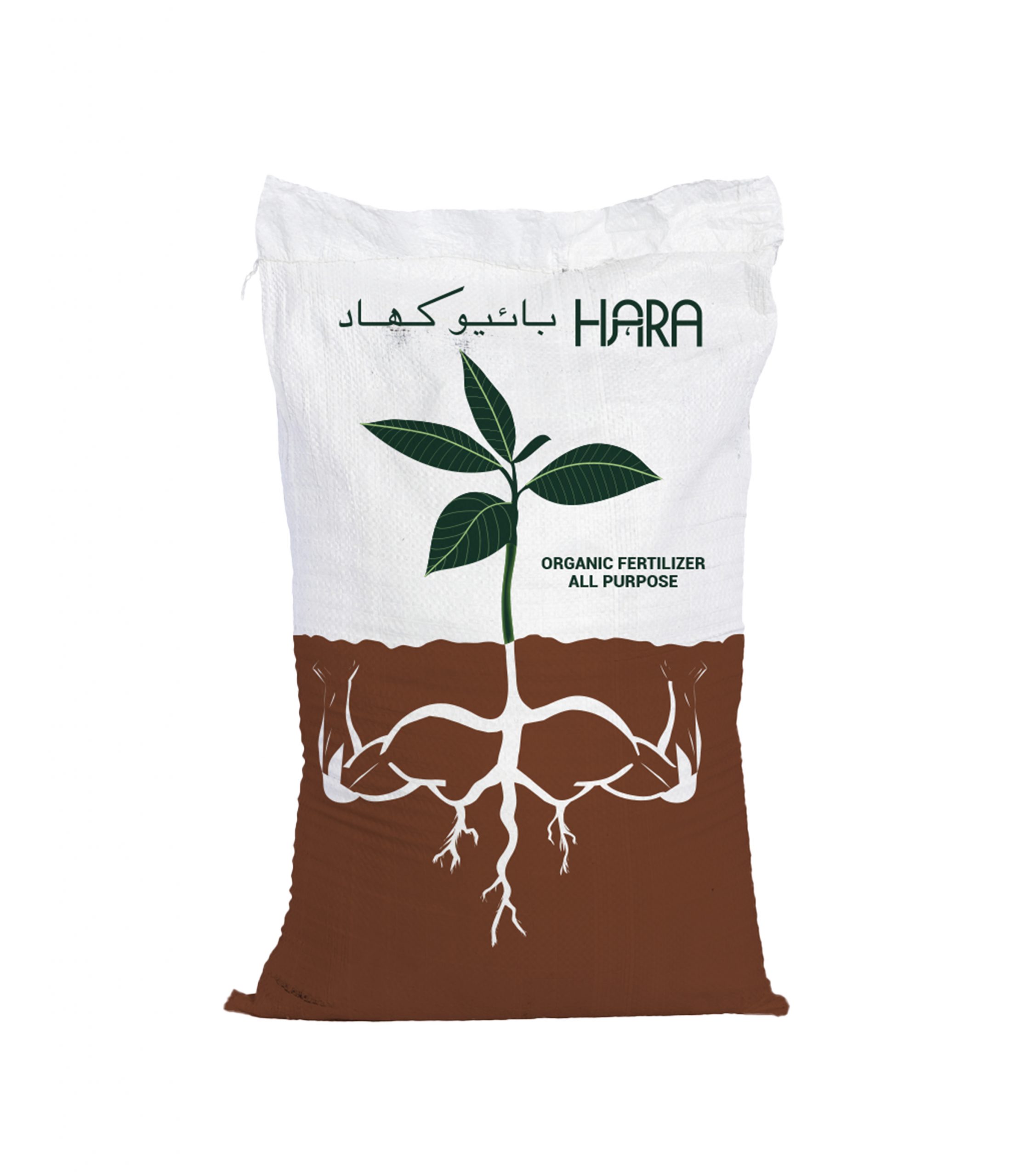
Organic onion growth starts with well-drained, nutrient-rich soil amended with organic compost or aged manure. Onions require full sunlight, consistent watering, and proper spacing to develop healthy bulbs. Whether growing from onion seeds, sets, or transplants, avoiding synthetic fertilizers and using natural soil amendments helps produce chemical-free, flavorful onions suitable for home gardens and raised beds.
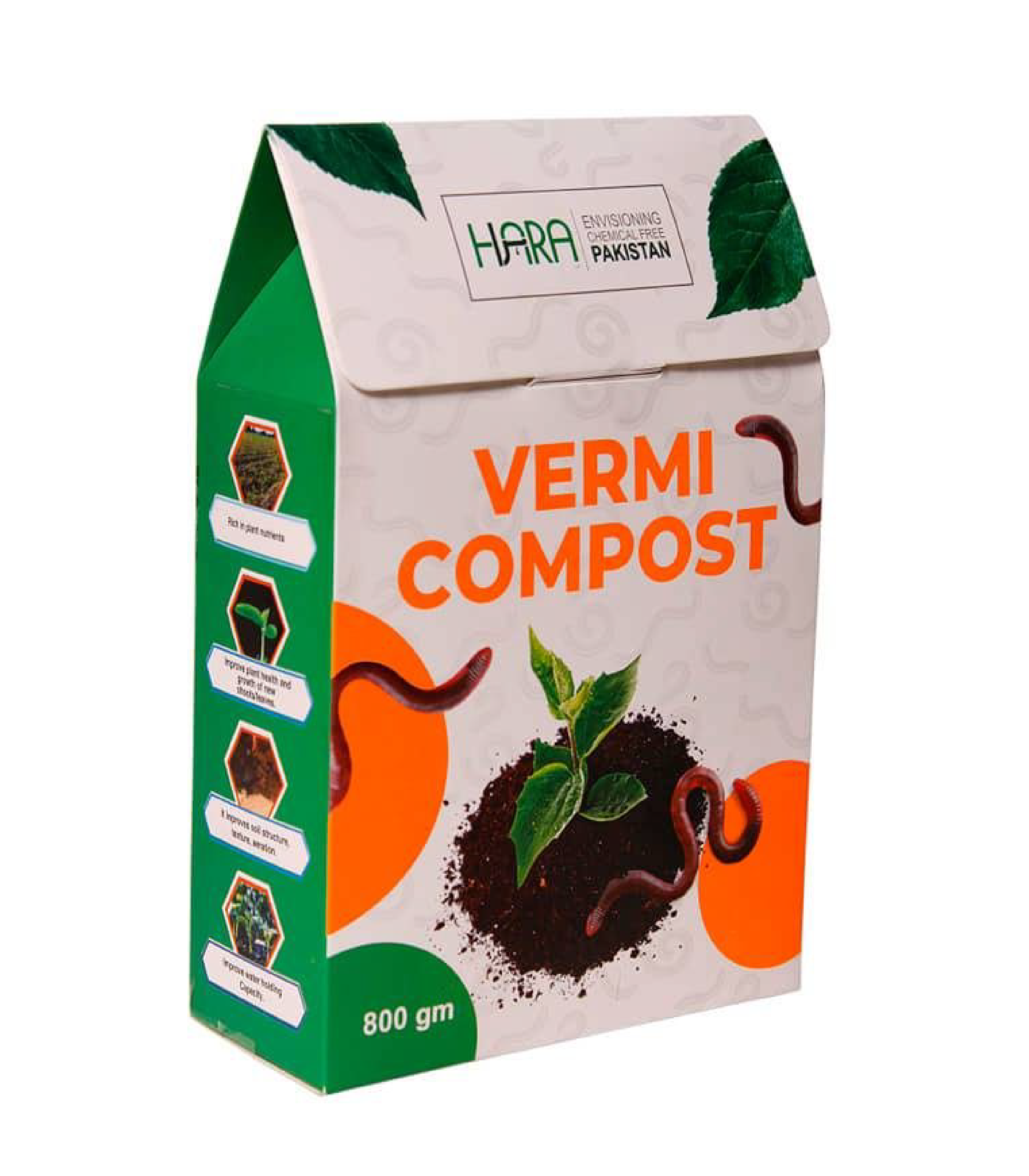
The best soil for organic onion cultivation is loamy, loose soil with good drainage and a neutral to slightly acidic pH. Onions are heavy feeders, so applying organic fertilizers rich in nitrogen early in the growth cycle supports strong leaf development and bulb formation. Regular feeding with compost tea, vermicompost, or bone meal improves soil health and increases onion yield naturally.
Organic onions typically take 90 to 120 days to mature, depending on the variety and growing conditions. Factors such as day length (short-day, long-day, or intermediate onions), climate, and soil fertility influence growth time. Proper mulching, watering, and organic pest management throughout the onion life cycle ensures steady growth and high-quality bulb development at harvest.
Fertilizer / Product Schedule Format
| Stage | Approx. Days / Timing | Product / Fertilizer | Application Method | Quantity / Dose | Notes |
|---|---|---|---|---|---|
| Land Preparation / Plowing | 0 | Bio Phos + Vermicompost | Soil incorporation | Bio Phos: 2 bags (50 kg each)Vermicompost (40 kg): 5–10 bags (as per soil & financial) | Mix thoroughly into soil before sowing |
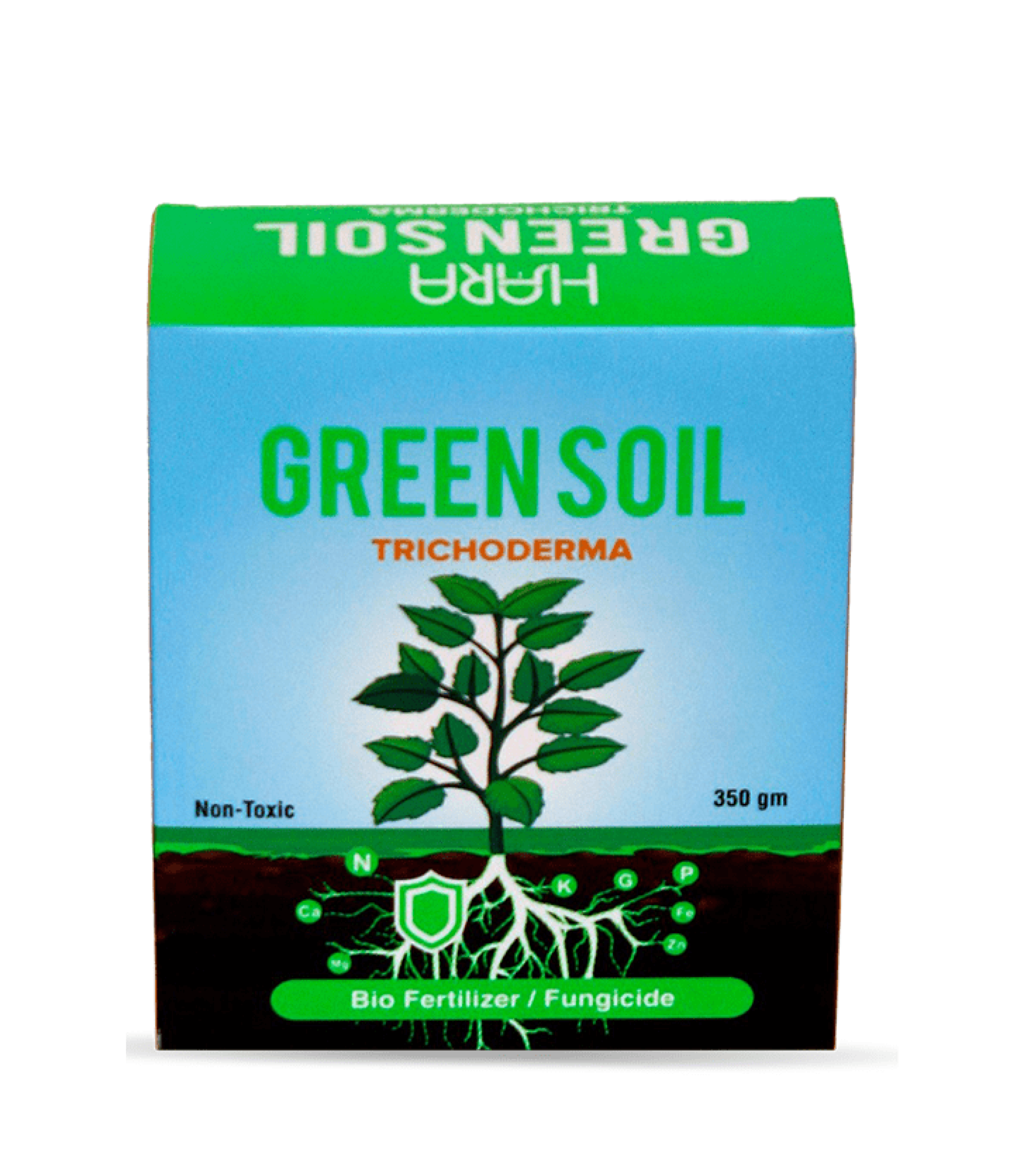
| Sowing / Planting | 0–5 | Green Soil Trichoderma | Soil / Seed treatment | 350 g / acre | Protect seeds and seedlings from soil pathogens |
| Vegetative / Leaf Development | 20–25 | Blue Power + Bio Khad | Foliar | Blue Power: 1 L / 100 L water per acreBio Khad: 1 bag (50 kg) per acre | Apply at 20 days to enhance vegetative growth |
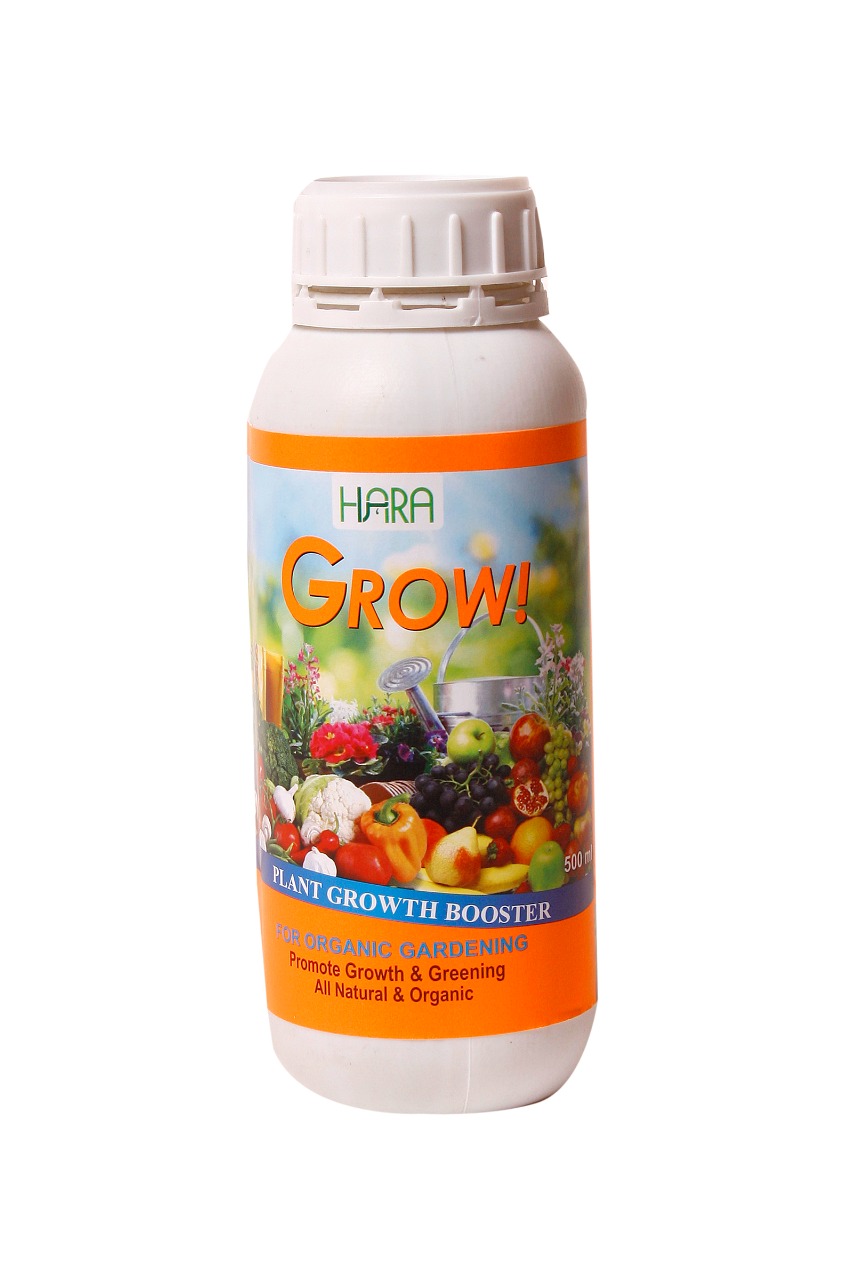
| Vegetative / Tillering | 25–45 | Grow | Foliar spray | 1 L / 100 L water per acre | Spray 5 days after Blue Power |
| Flowering / Bud Formation | 45–60 | Bio Khad + Potassium Humate + Seaweed | Foliar / Soil | Potassium Humate: 5 L / acreBio Khad: 50 kg / acreSeaweed: 100 g / 100 L water | Improves nutrient absorption and plant health |
| Fruit / Bulb Setting | 60–75 | Fish Hydrolysate + Grow | Fish: Flood / SoilGrow: Foliar spray | Fish Hydrolysate: 5 L / acre (flood irrigation)Grow: 1 L / 100 L water | Fish strengthens bulbs from root zone, Grow improves bulb size |
| Maturity / Ripening | 75–90 | Bio Khad + Potassium Humate (if needed) | Foliar / Soil | 2 kg + 50 g / acre | Improves bulb quality and shelf life |
| Harvest / Post-Harvest | 90+ | — | — | — | Field clearing and preparation for next crop |
Perfect! I’ll update the table with 60 sheets per acre for Yellow Sticky Traps and add a proper heading. Here’s the revised SEO-friendly version:
Organic Onion Crop Protection – Hara Pakistan
Protect your onion crop naturally with organic solutions from Hara Pakistan. Our recommended products prevent common diseases and pests while supporting healthy growth.
| Product | Target Problem(s) | Application / Dose | Notes |
|---|---|---|---|
| Green Soil Trichoderma | Damping Off, Root Rot, Purple Blotch, Leaf Blight, Bulb Rot | Soil drench / Foliar / Flood 250–350 g / acre | Early stage & preventive application recommended for healthy onion plants |
| Neem Oil | Thrips, Aphids | Foliar 500 ml / acre | Evening spray; effective alone for pest control |
| Yellow Sticky Traps – Pest Monitoring | Thrips, Aphids | 60 sheets / acre; place around field | Helps monitor and reduce flying pests naturally |
How to Apply:
Use Green Soil Trichoderma for soil drenching
Apply Neem Oil in the evening against thrips and aphids
Place 60 Yellow Sticky Trap sheets per acre throughout the field to monitor and reduce pest populations naturally.
organic onion crop protection, organic onion pest control, Green Soil Trichoderma for onions, Neem Oil for onion pests, Yellow Sticky Traps for onions, natural onion disease treatment, Hara Pakistan organic solutions.
Need Further Details? Contact Our Experts for Free Consultation!
