
Skip to main content Scroll Top

National Organic Agriculture Stakeholders’ Workshop: Hara Organic Pakistan Contributes to the Future of Sustainable Farming in Pakistan

Jump To

Hara Organic Pakistan Participated in the National Organic Agriculture Stakeholders’ Workshop

National Organic Agriculture

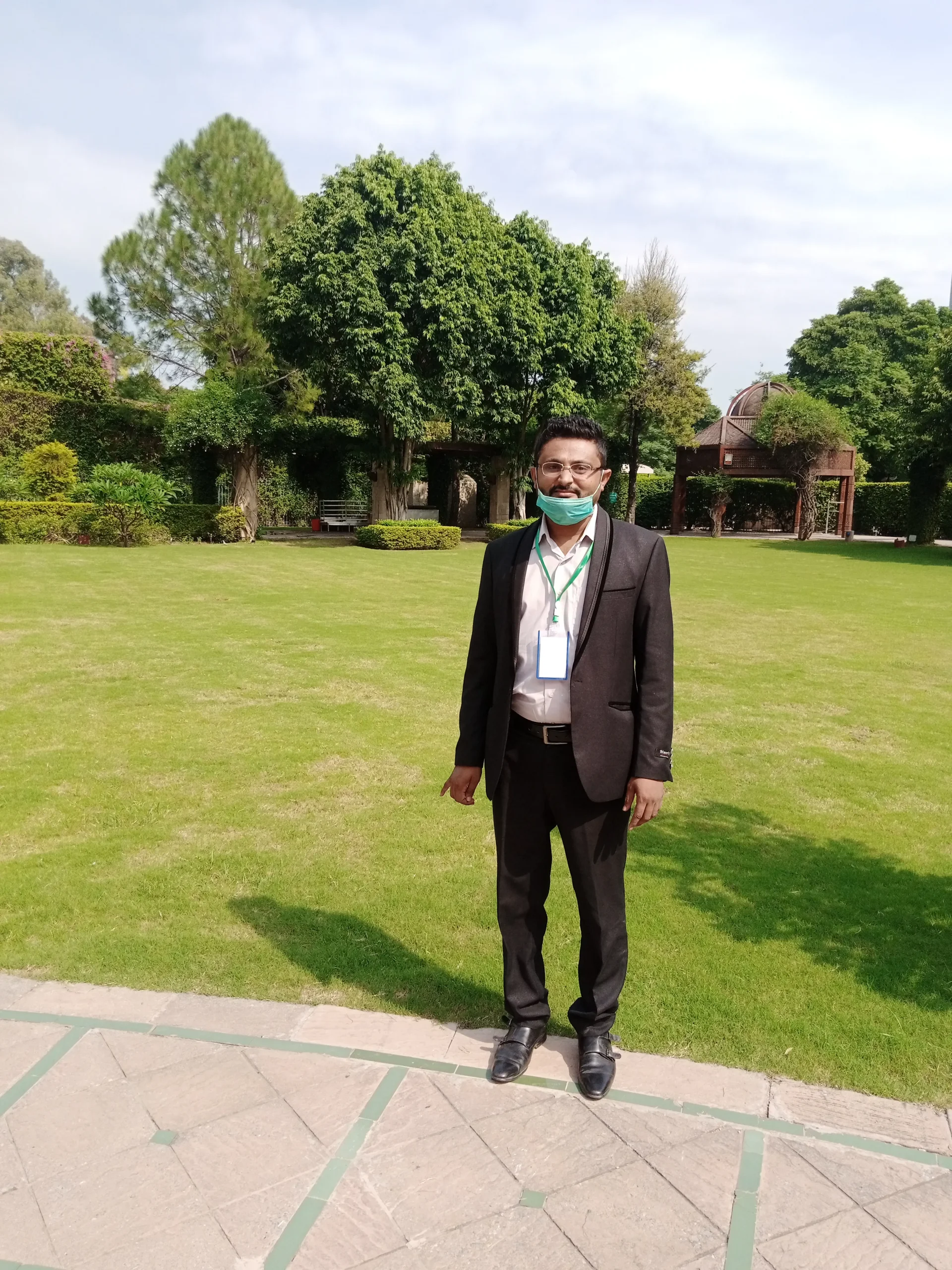
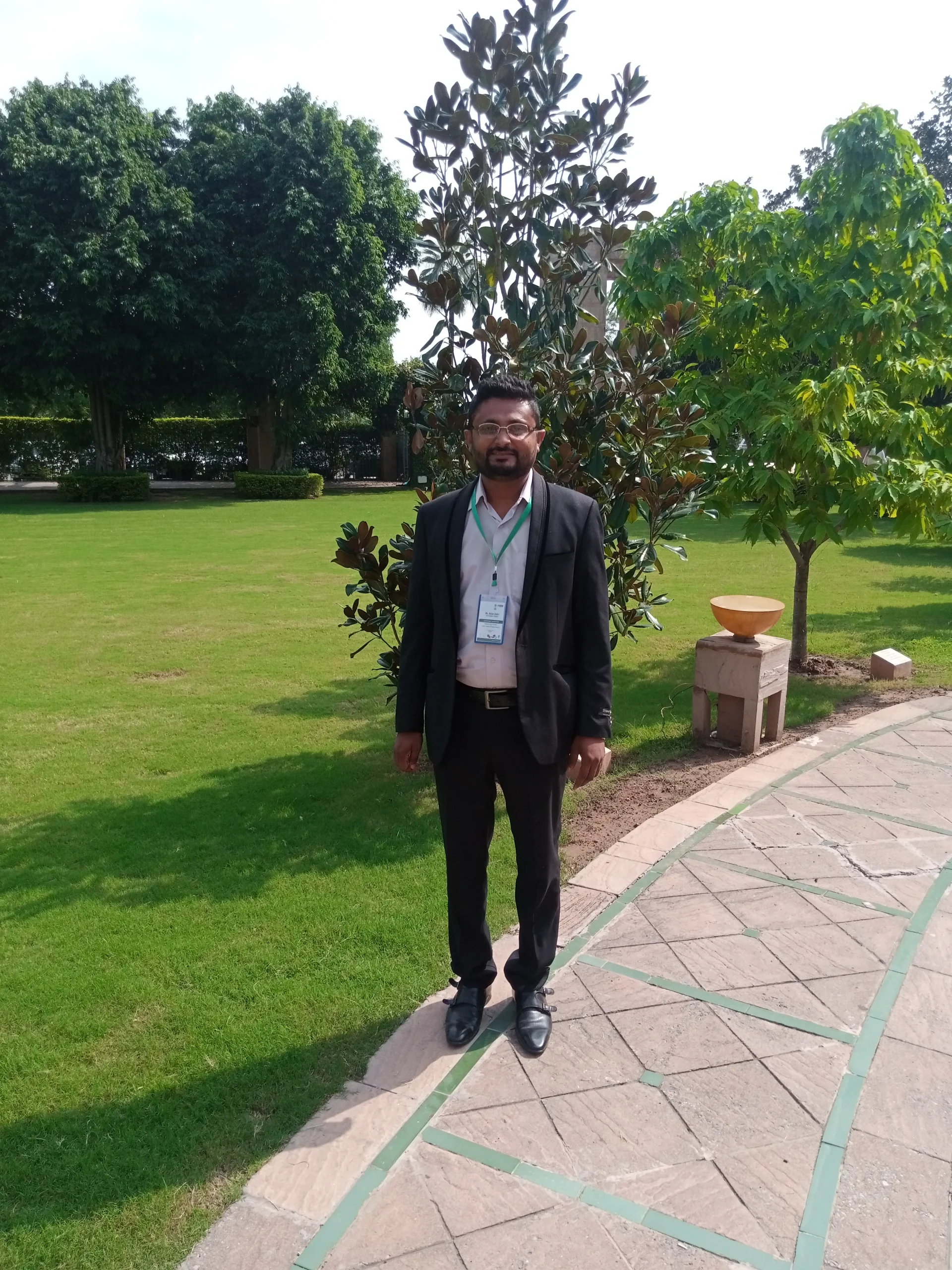
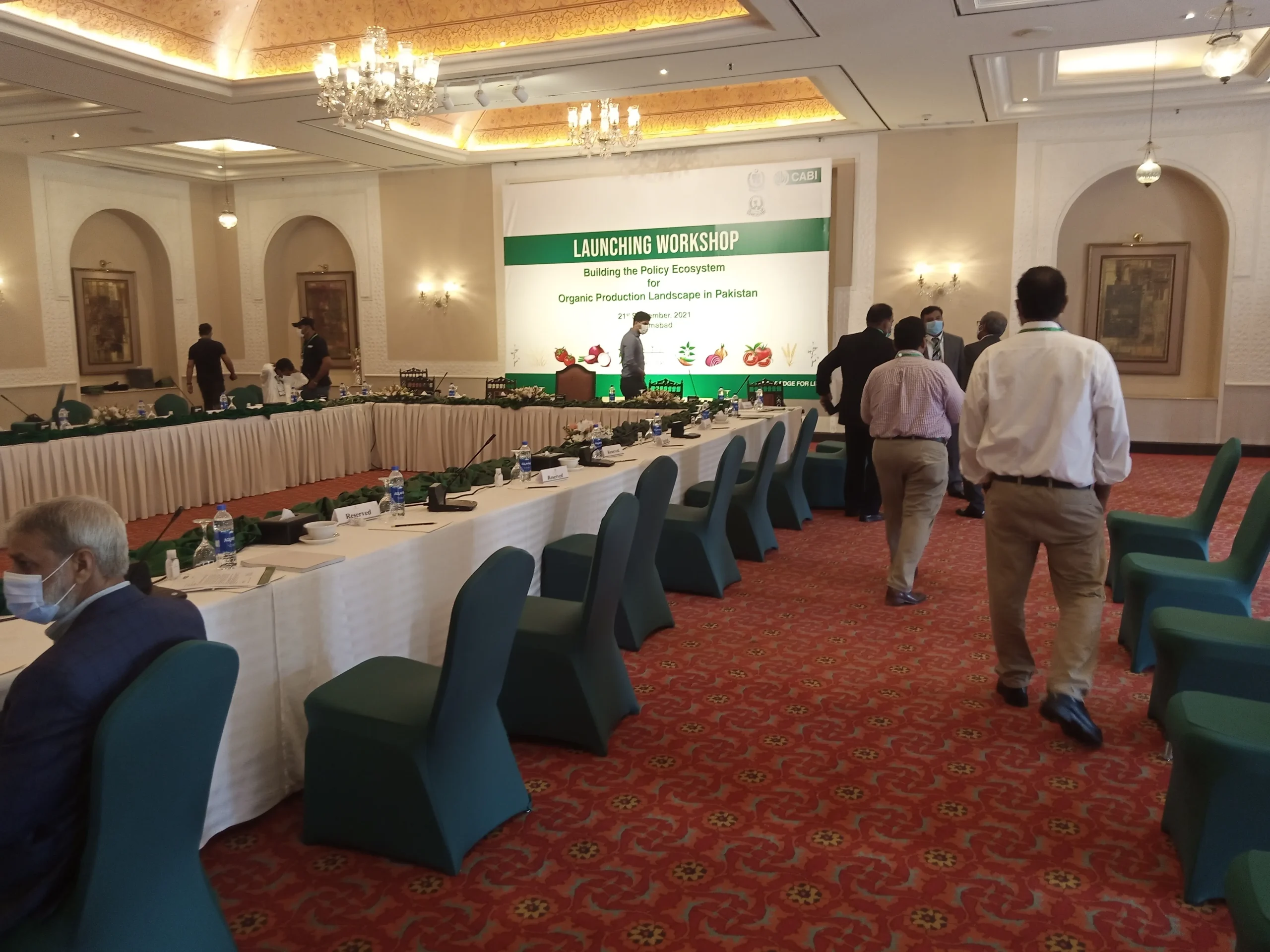
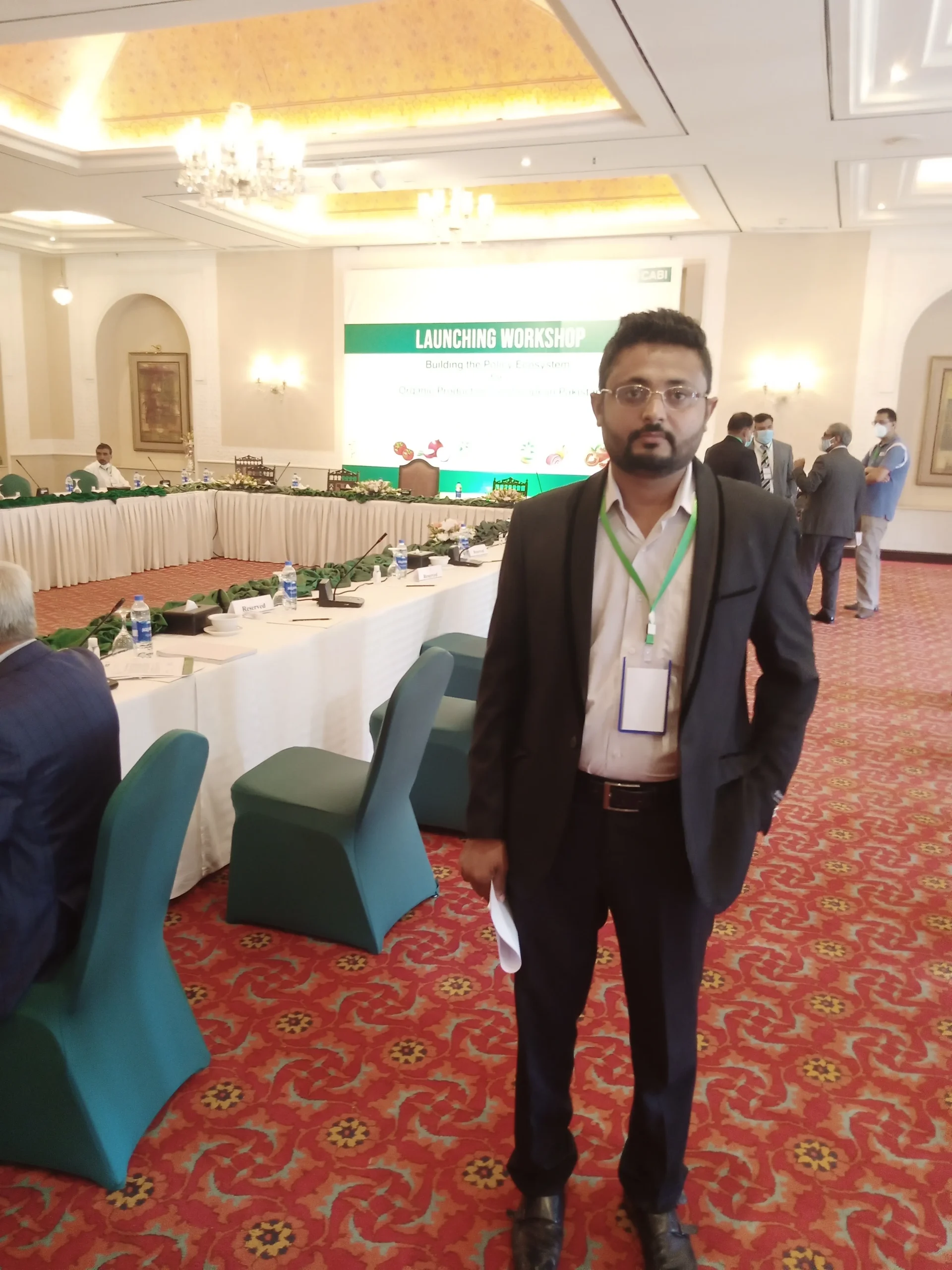
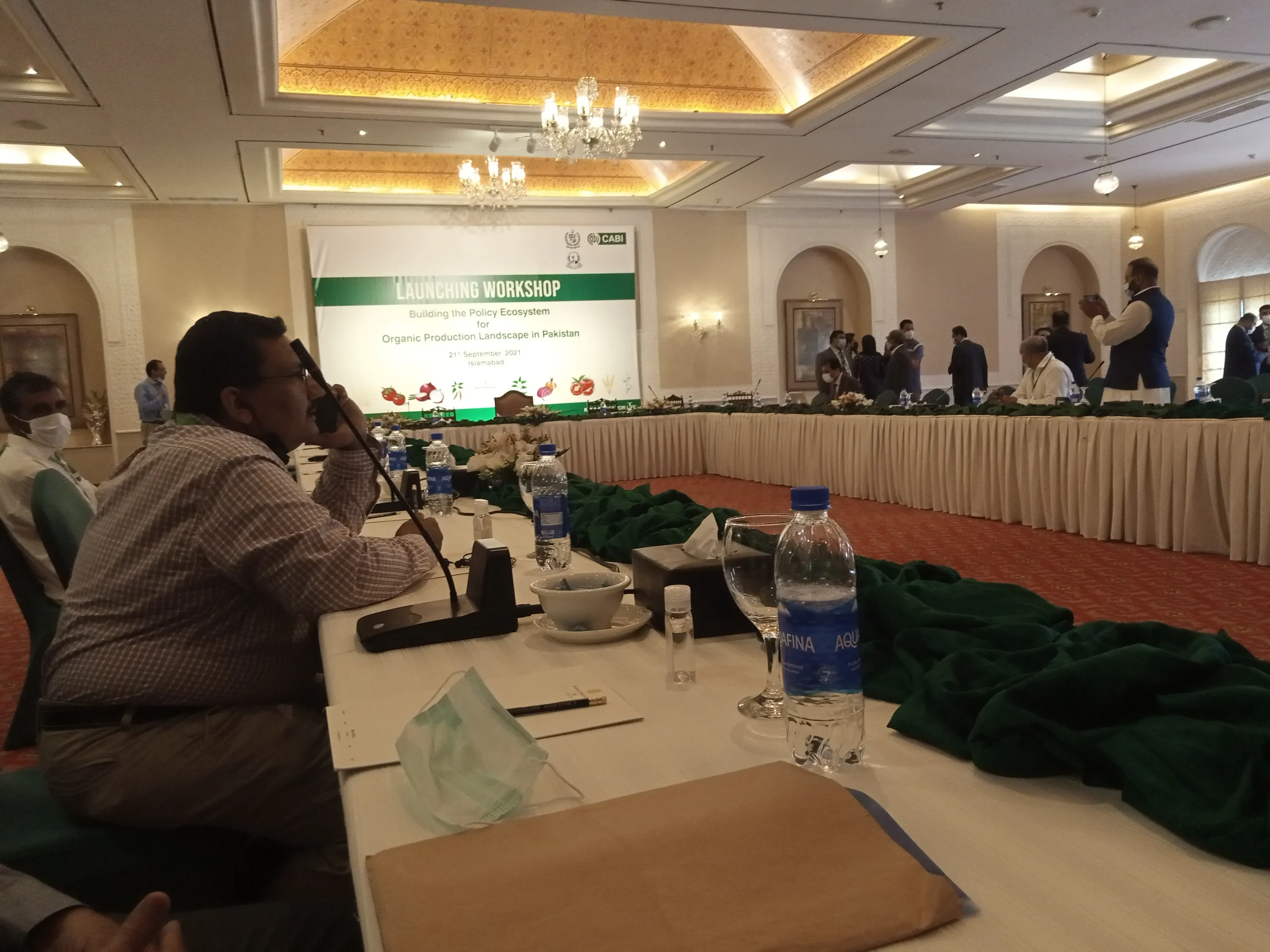
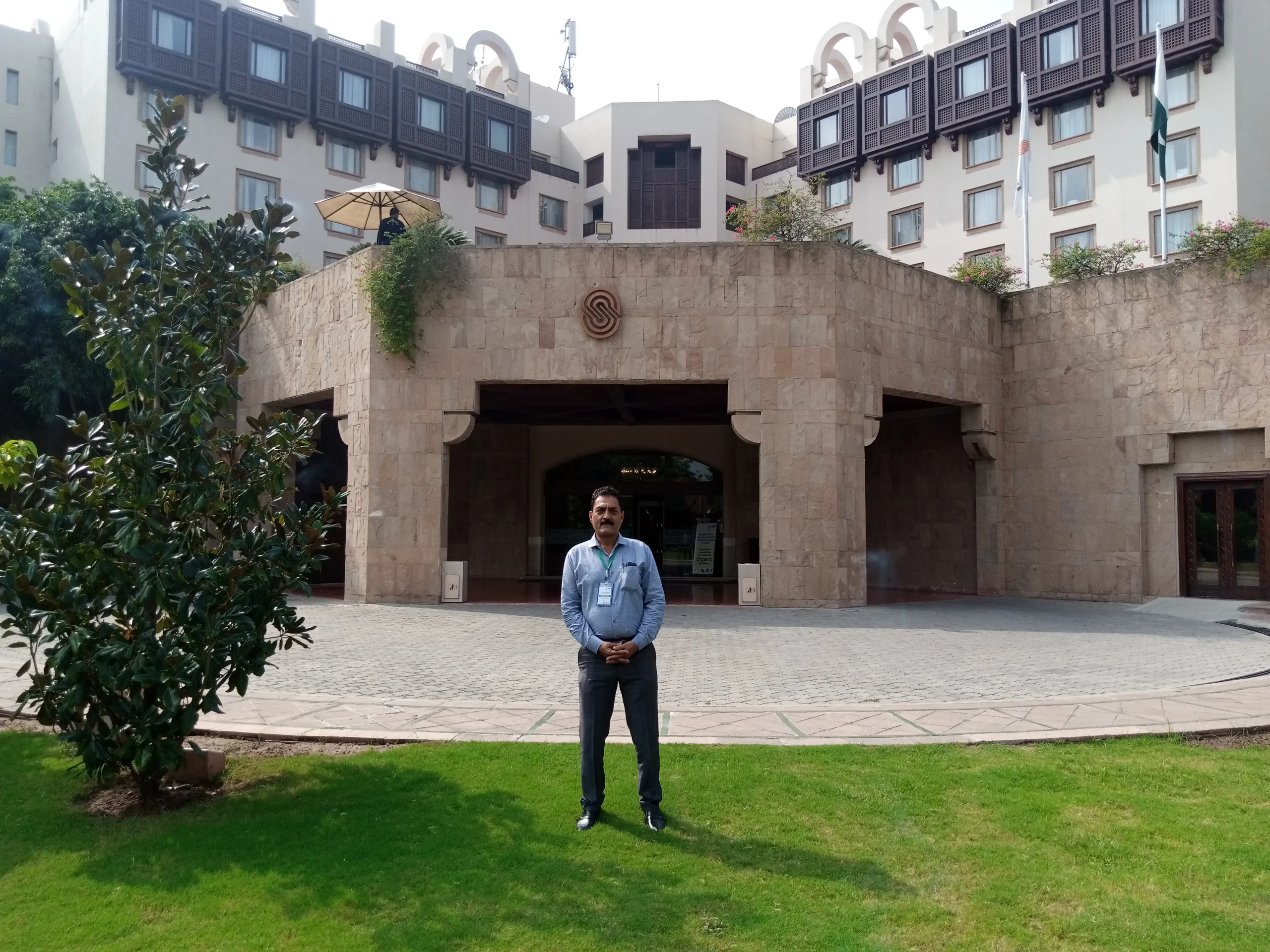
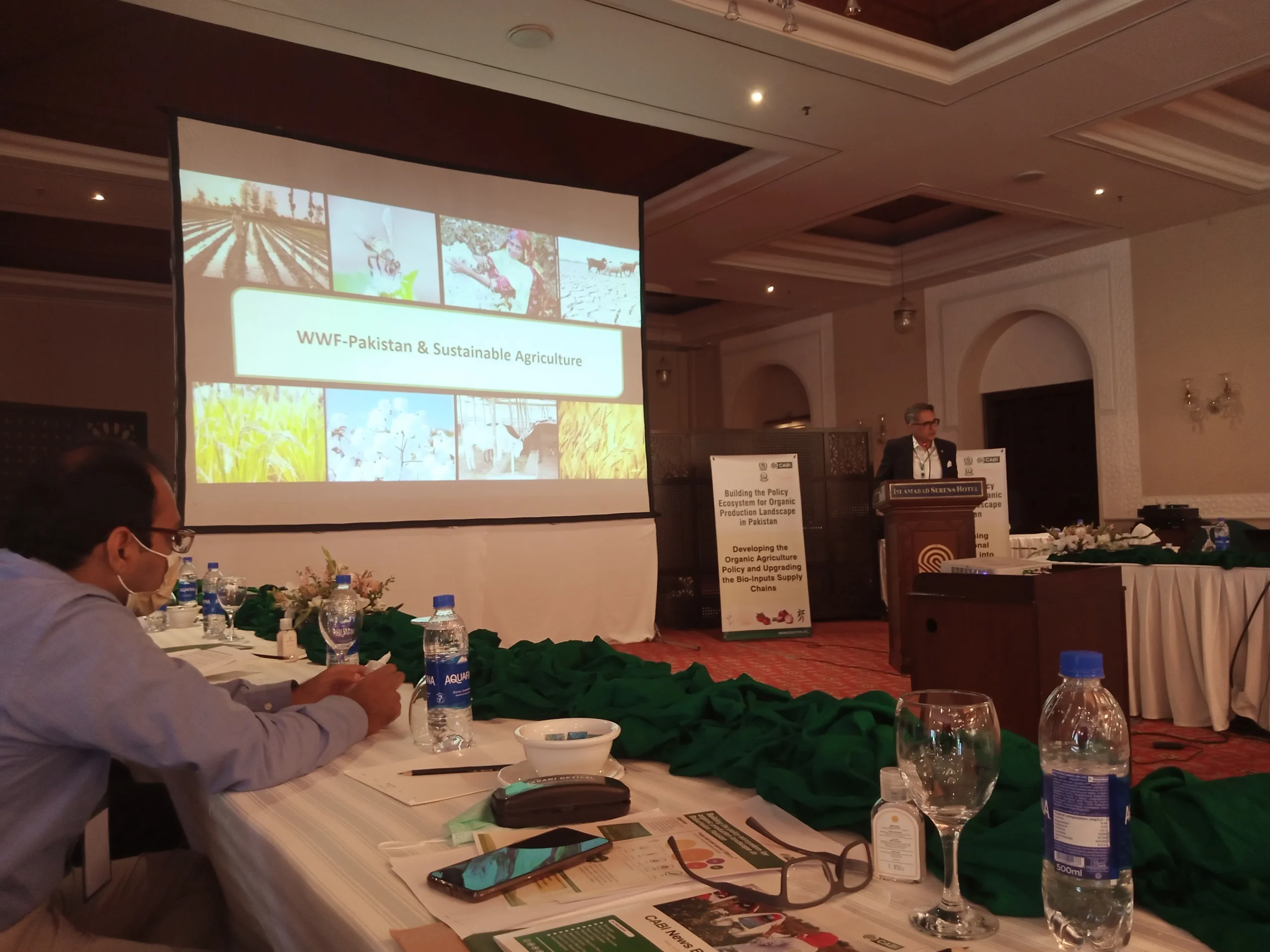
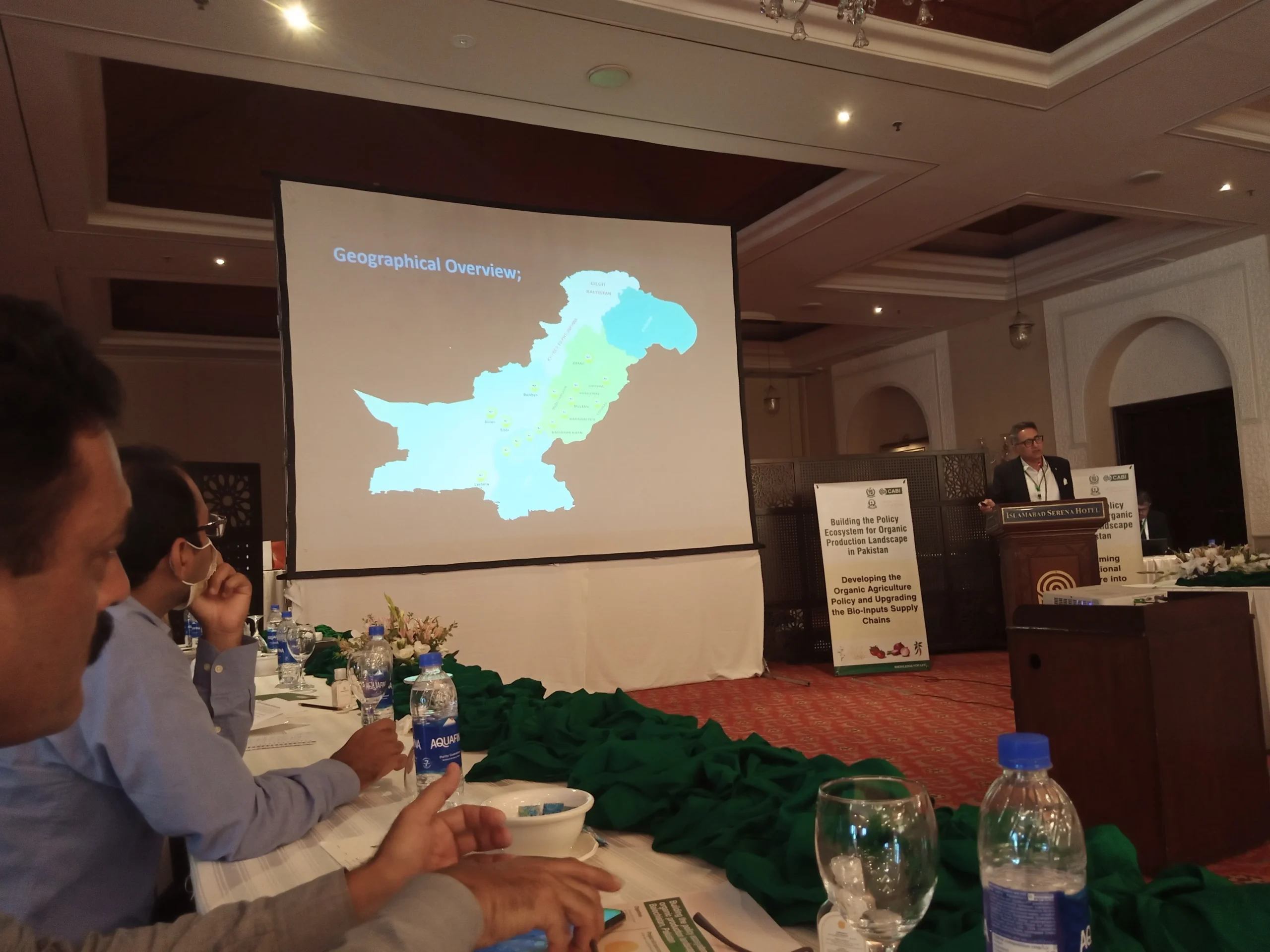
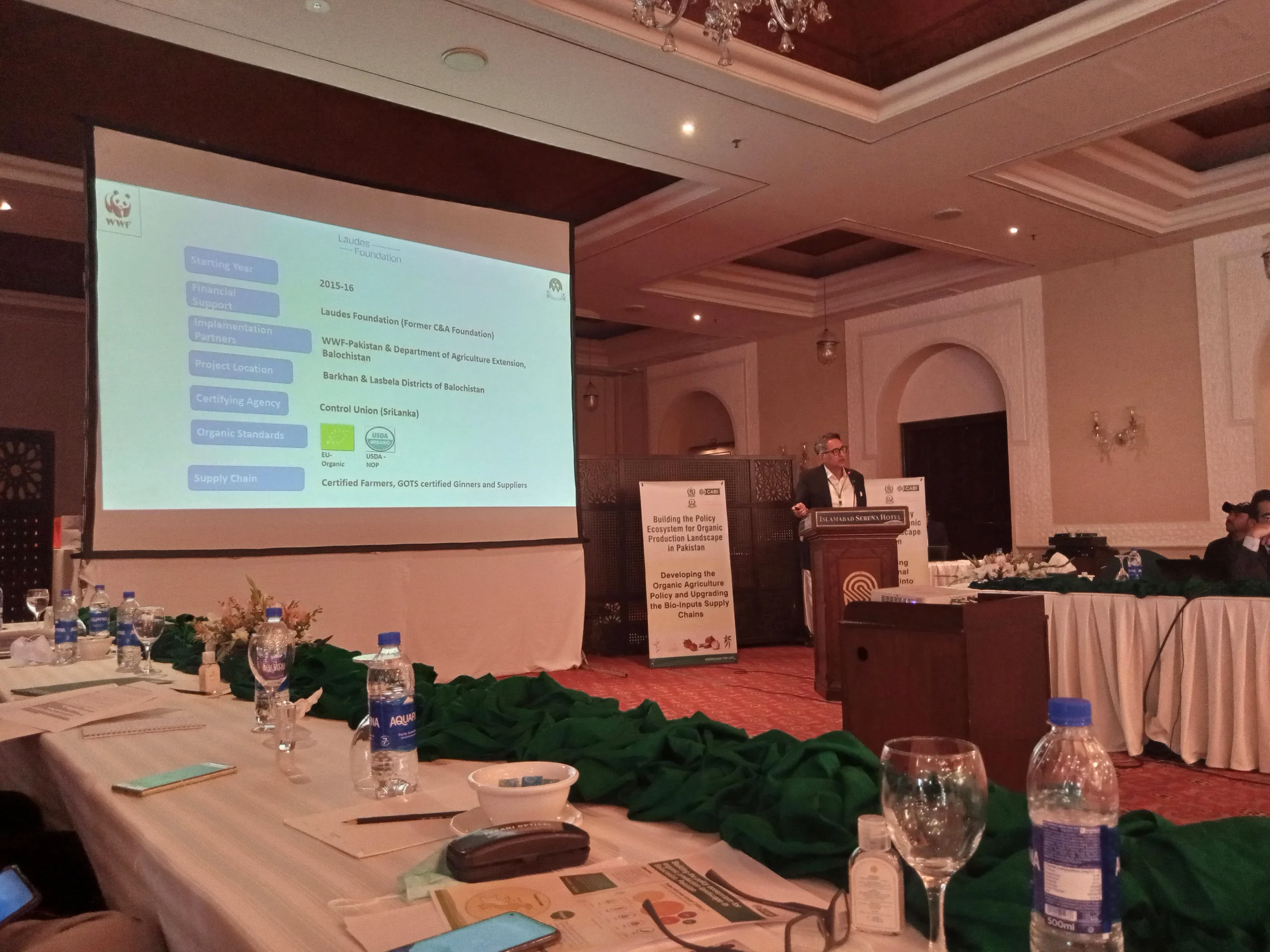
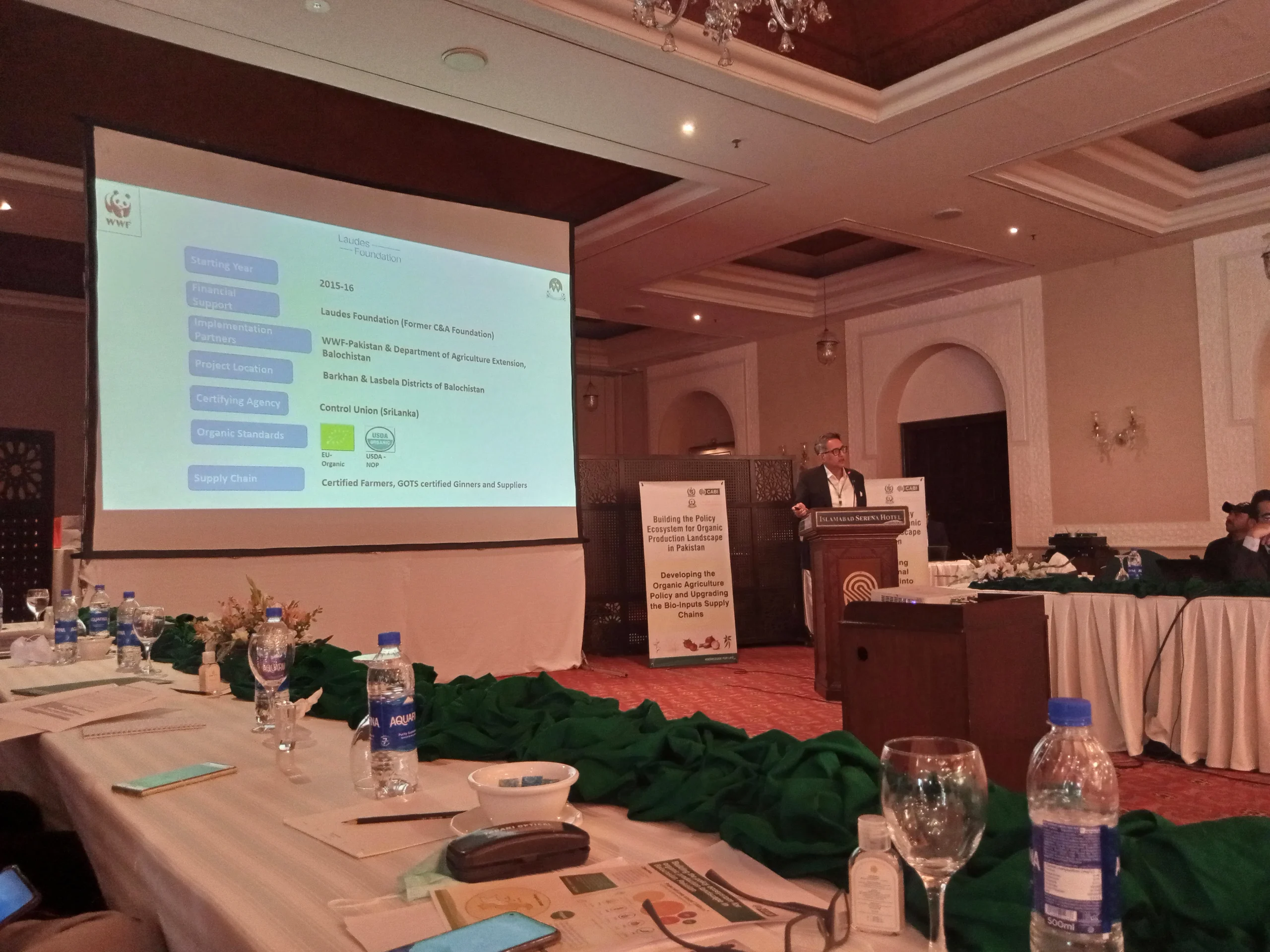
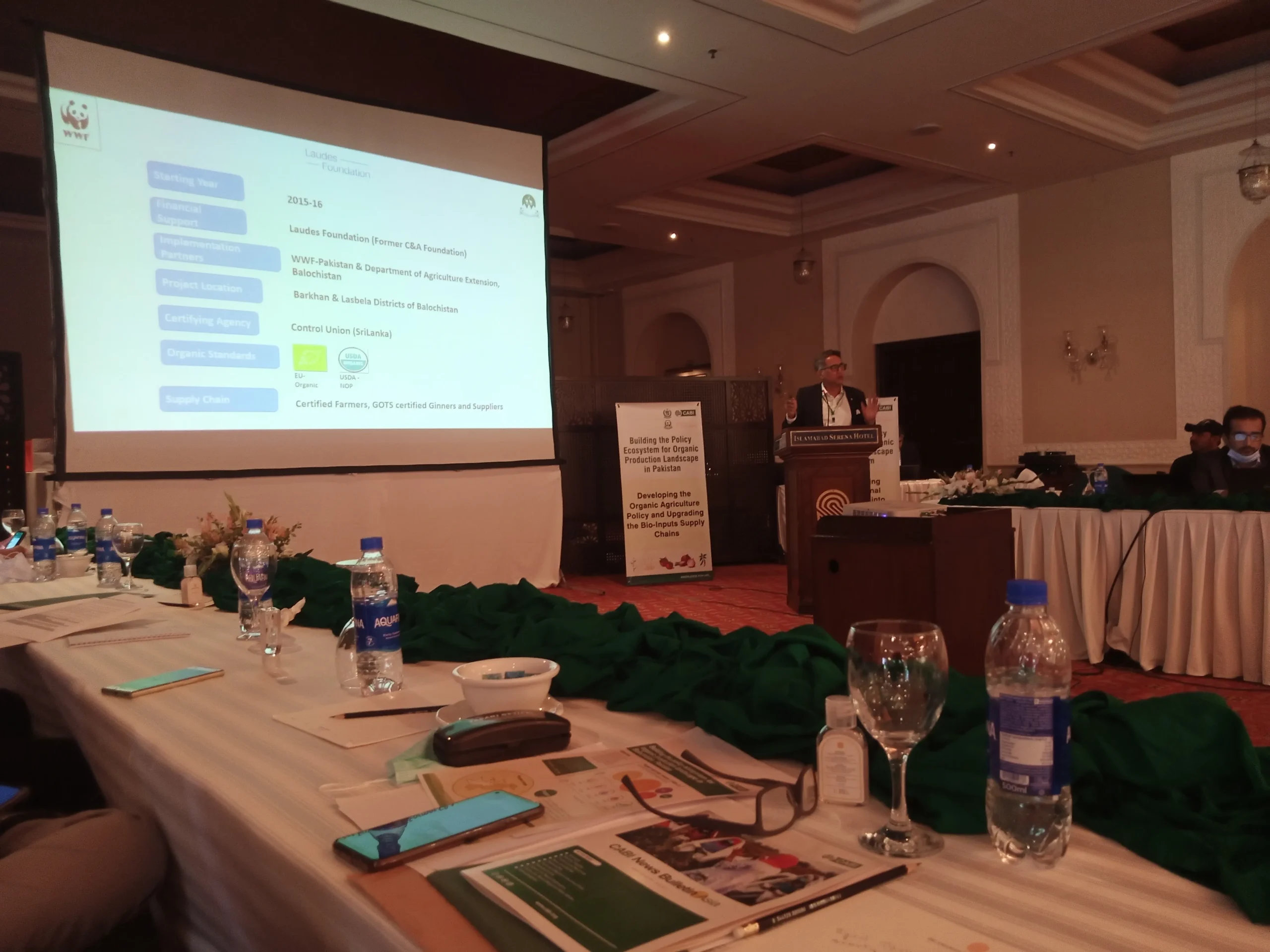
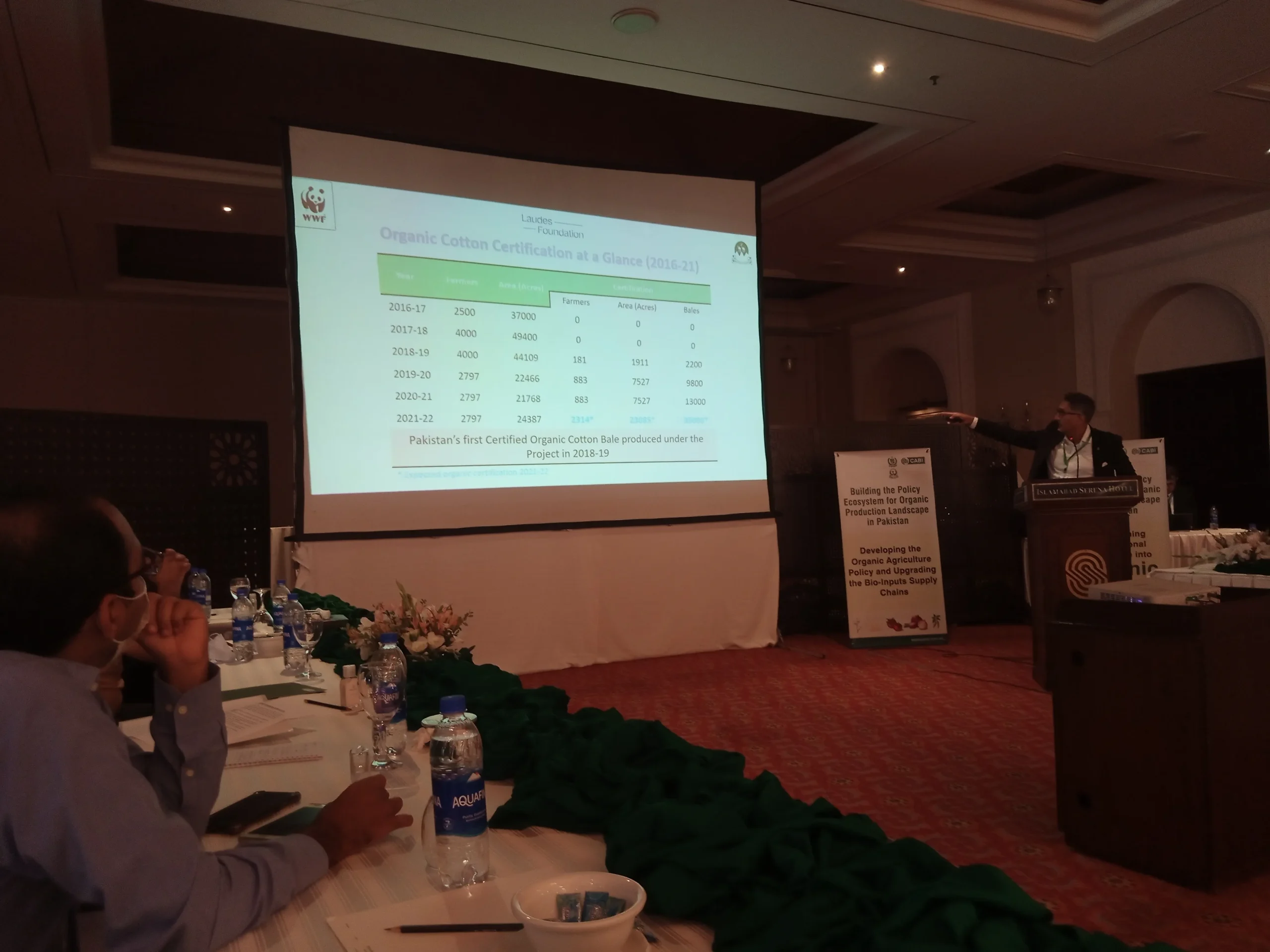
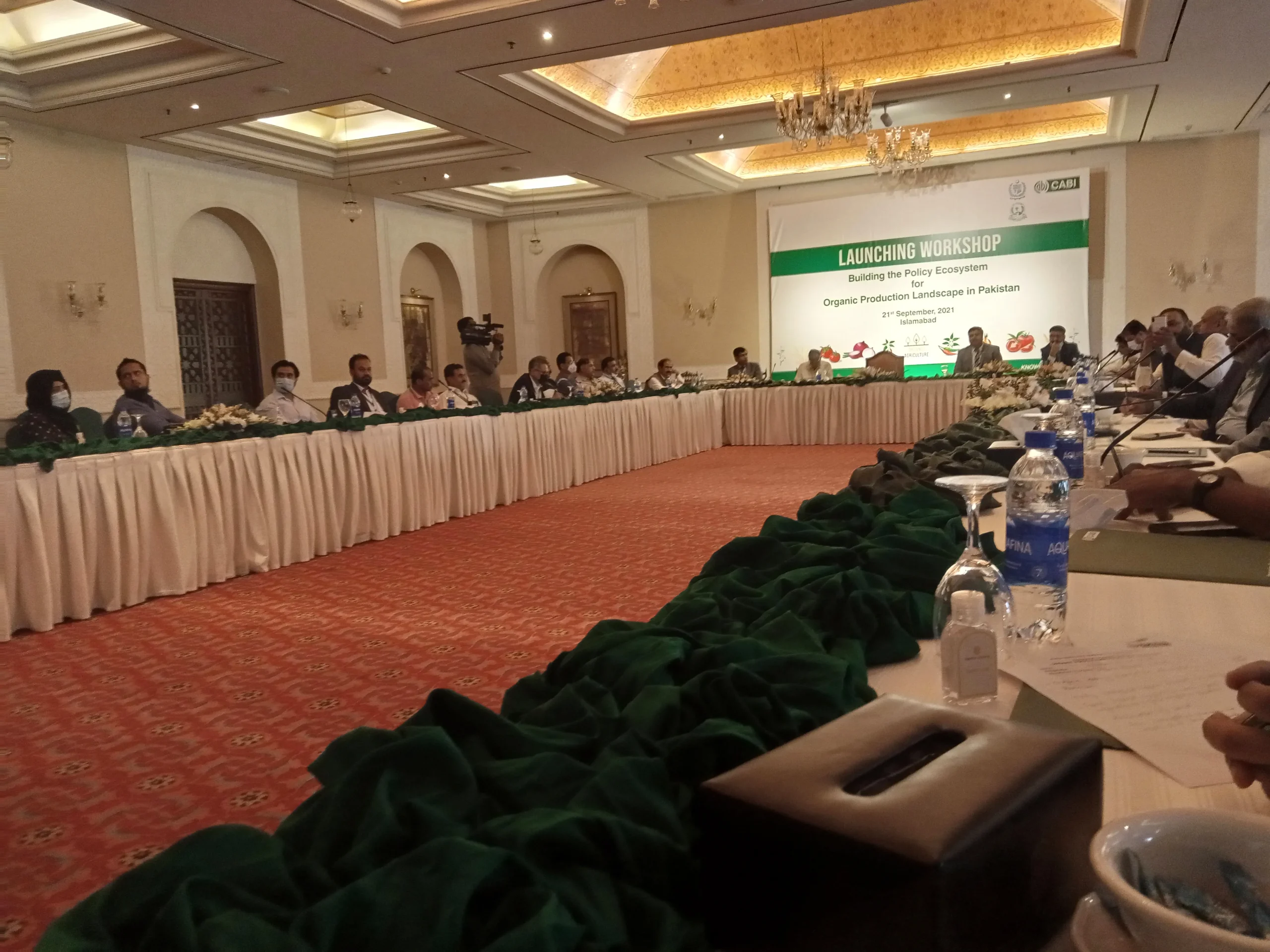
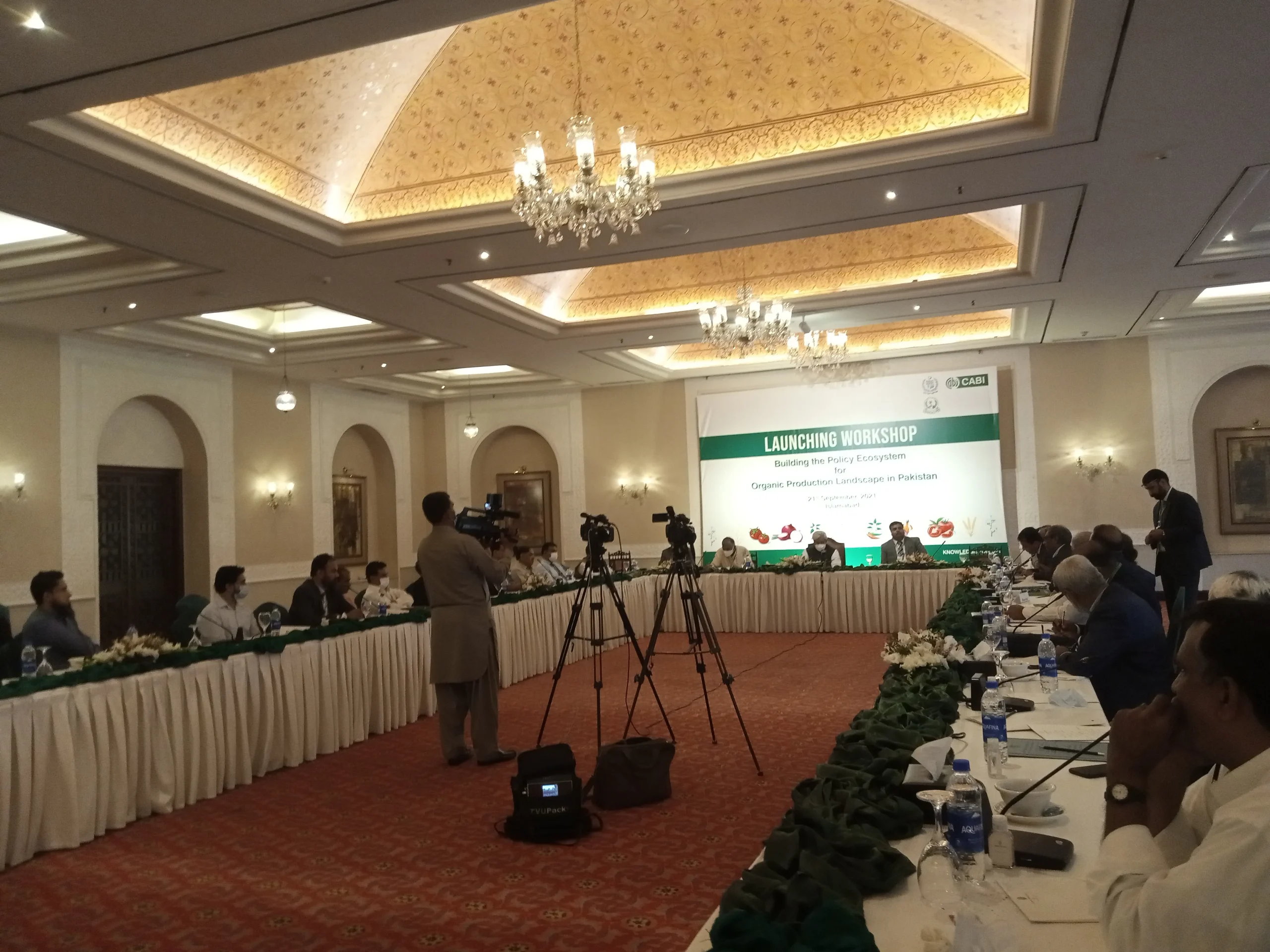
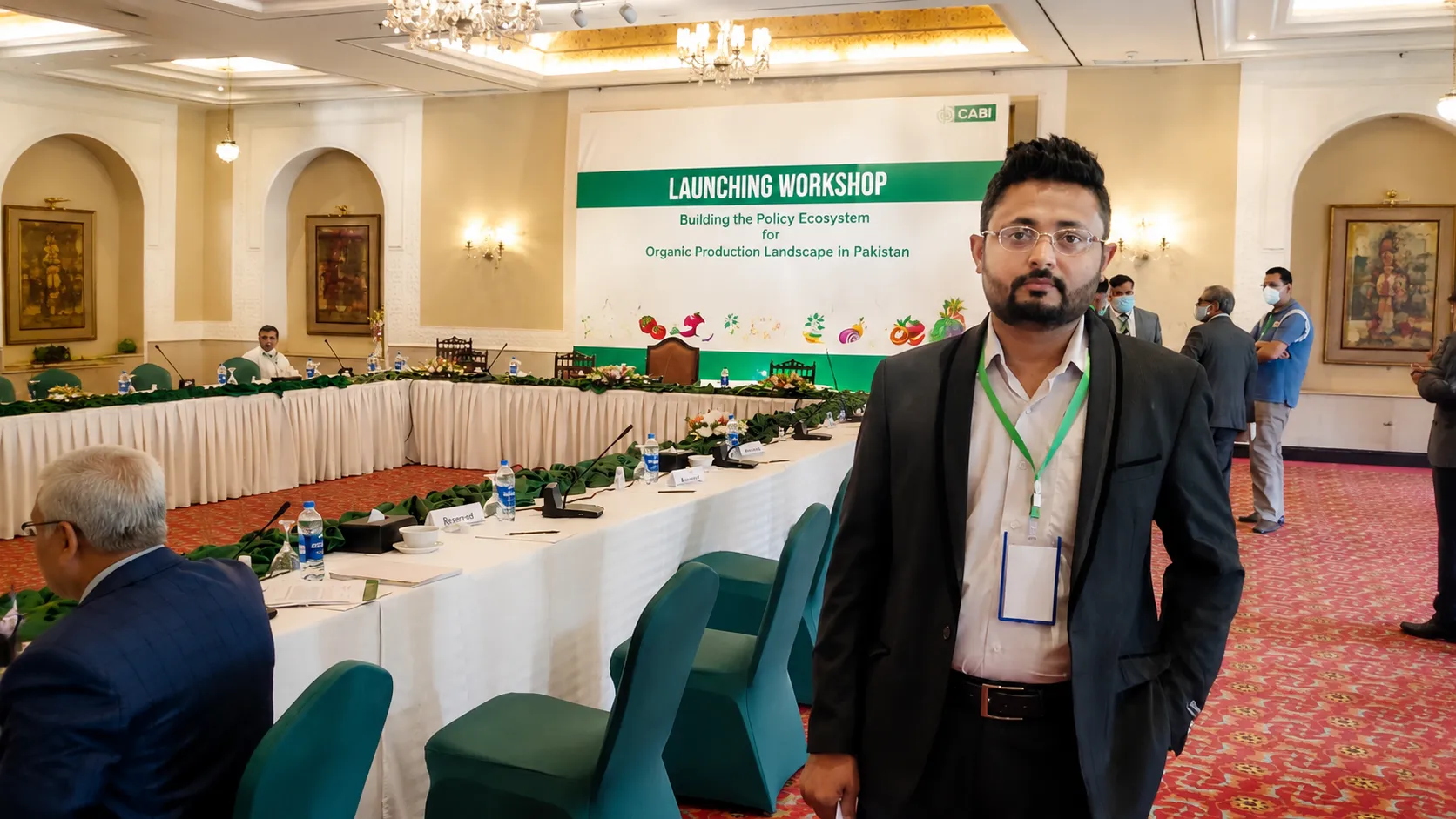
Hara Organic Pakistan (Pvt) Limited proudly participated in a significant National Organic Agriculture stakeholders’ consultation workshop titled “Building the Policy Ecosystem for Organic Production Landscape in Pakistan.”

The workshop served as an important platform for policymakers, agricultural experts, researchers, development organizations, and industry stakeholders to discuss the future direction of organic farming and sustainable agriculture in Pakistan.

As interest in National Organic Agriculture continues to grow across the country, the event focused on strengthening policy frameworks, improving farmer support systems, and promoting environmentally responsible agricultural practices that can contribute to long term food security and soil sustainability.

Bringing Together Key National and International Stakeholders

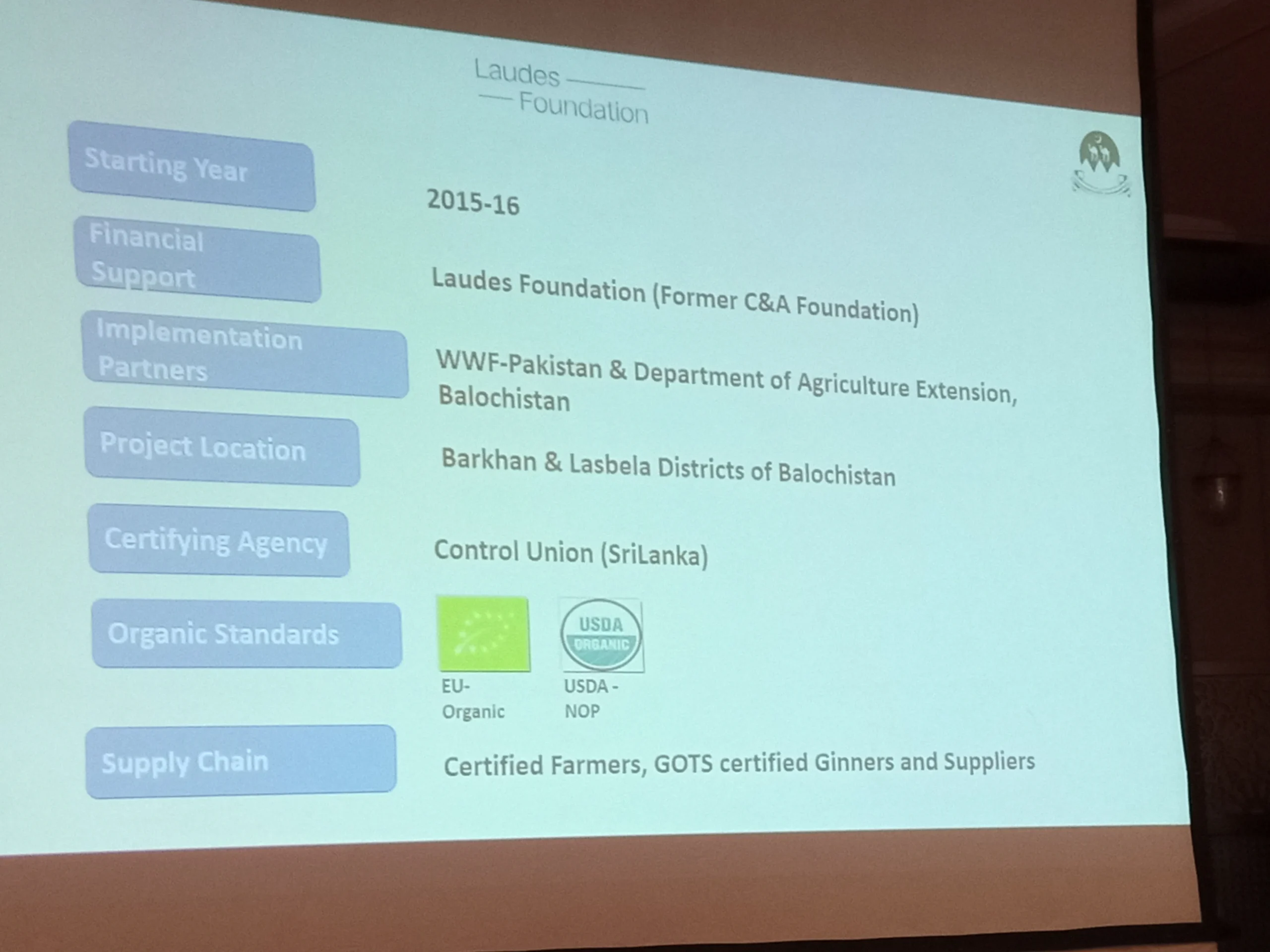
The workshop brought together influential representatives from government institutions, development organizations, research bodies, and the organic agriculture sector. The collaborative environment encouraged meaningful dialogue on the opportunities and challenges facing organic agriculture in Pakistan.

Distinguished Participants Included:

  • Federal Agriculture Minister
  • Agriculture Secretary
  • Director General Agriculture Balochistan
  • WWF Pakistan Team
  • CABI Team
  • Agricultural researchers and experts
  • Organic farming professionals and stakeholders

The presence of these key stakeholders highlighted the growing national commitment toward advancing National Organic Agriculture initiatives and creating a supportive ecosystem for sustainable agricultural development.

Hara Organic Pakistan’s Active Participation

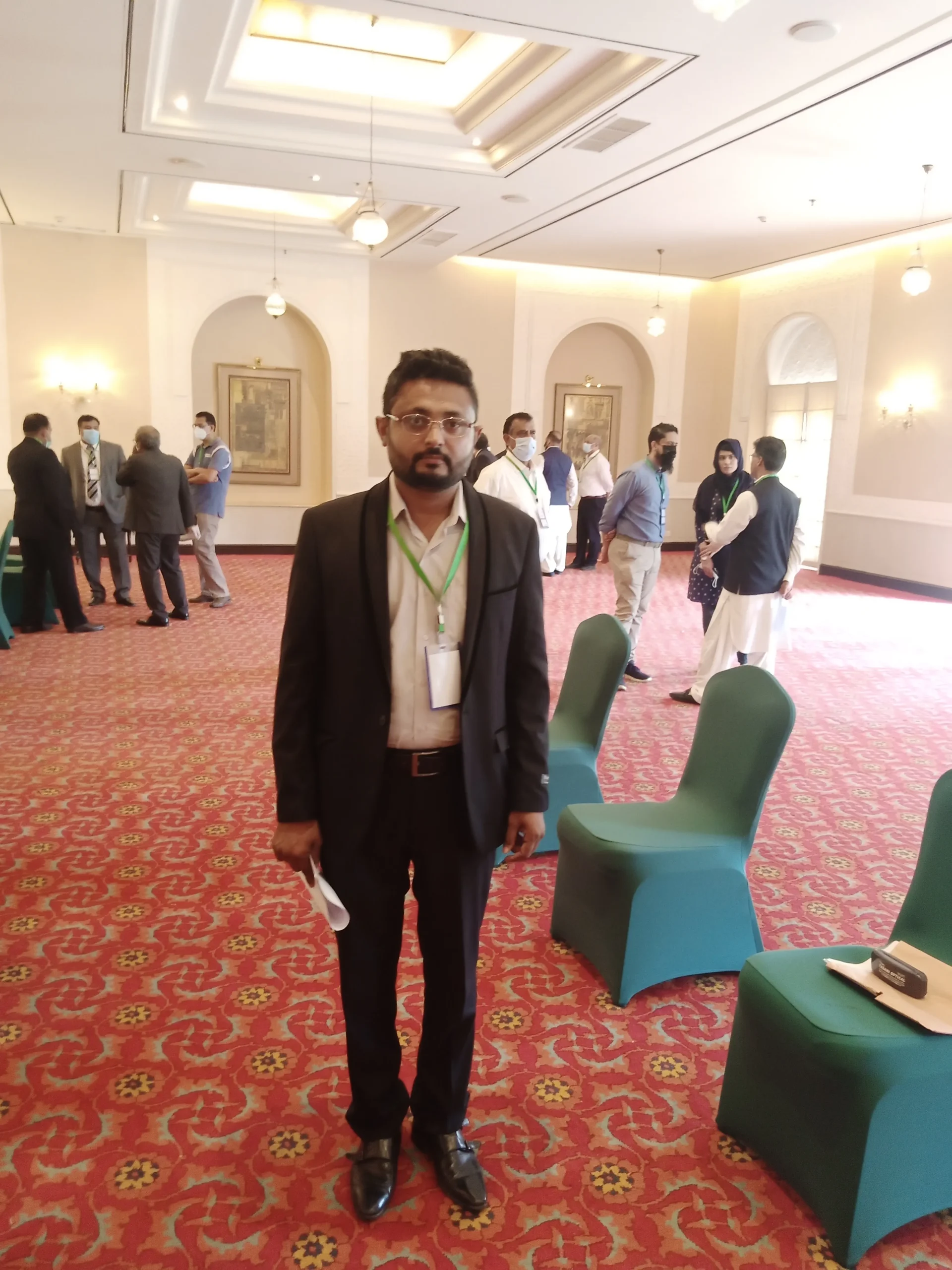
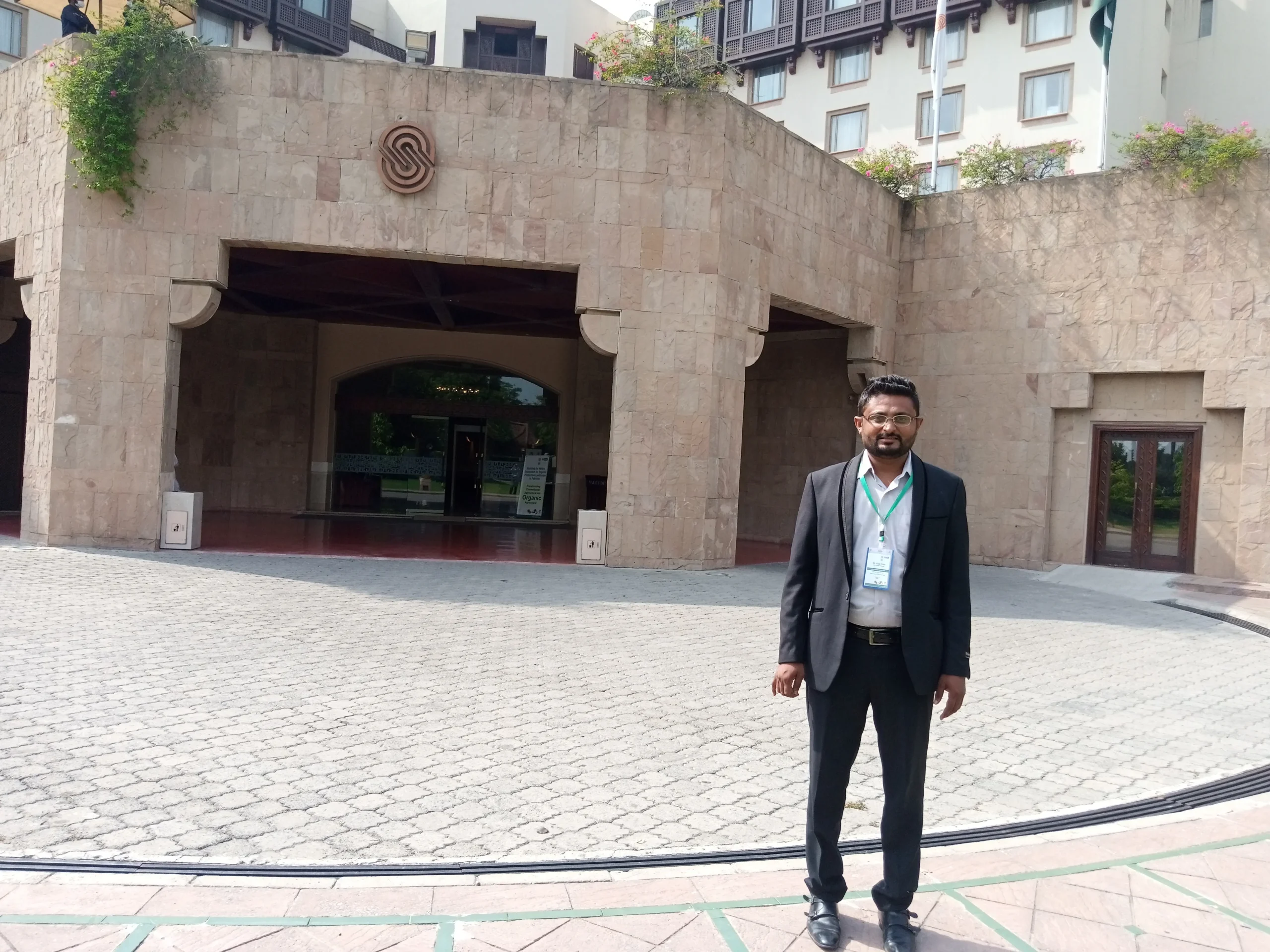
As a leading advocate of organic and environmentally friendly farming solutions, Hara Organic Pakistan actively participated in the discussions and shared practical recommendations based on its extensive experience in promoting sustainable agriculture across Pakistan.

The company contributed valuable insights on improving organic farming adoption, strengthening farmer education programs, and supporting the development of policies that can accelerate the growth of the organic agriculture sector.

Key Recommendations Presented by Hara Organic Pakistan

During the workshop, Hara Organic Pakistan emphasized several critical areas that can help strengthen the future of National Organic Agriculture in Pakistan.

Promotion of Organic Farming

The company highlighted the importance of encouraging farmers to adopt organic farming methods that reduce dependence on synthetic chemicals while improving soil fertility, crop quality, and environmental sustainability.

Development of Organic Agriculture Policies

Effective policy support is essential for the growth of the organic sector. Hara Organic Pakistan recommended the development of clear regulatory frameworks, certification systems, and national standards that can support farmers and increase consumer confidence in organic products.

Farmer Awareness and Capacity Building

Farmer education remains one of the most important factors in the successful adoption of organic farming practices. Hara Organic Pakistan stressed the need for training programs, field demonstrations, and awareness campaigns that can help farmers understand the benefits and techniques of organic production.

Sustainable Soil Health Management

Healthy soil is the foundation of productive agriculture. The company shared recommendations on promoting organic soil management practices that improve soil structure, microbial activity, water retention, and long term agricultural productivity.

Expansion of Certified Organic Inputs

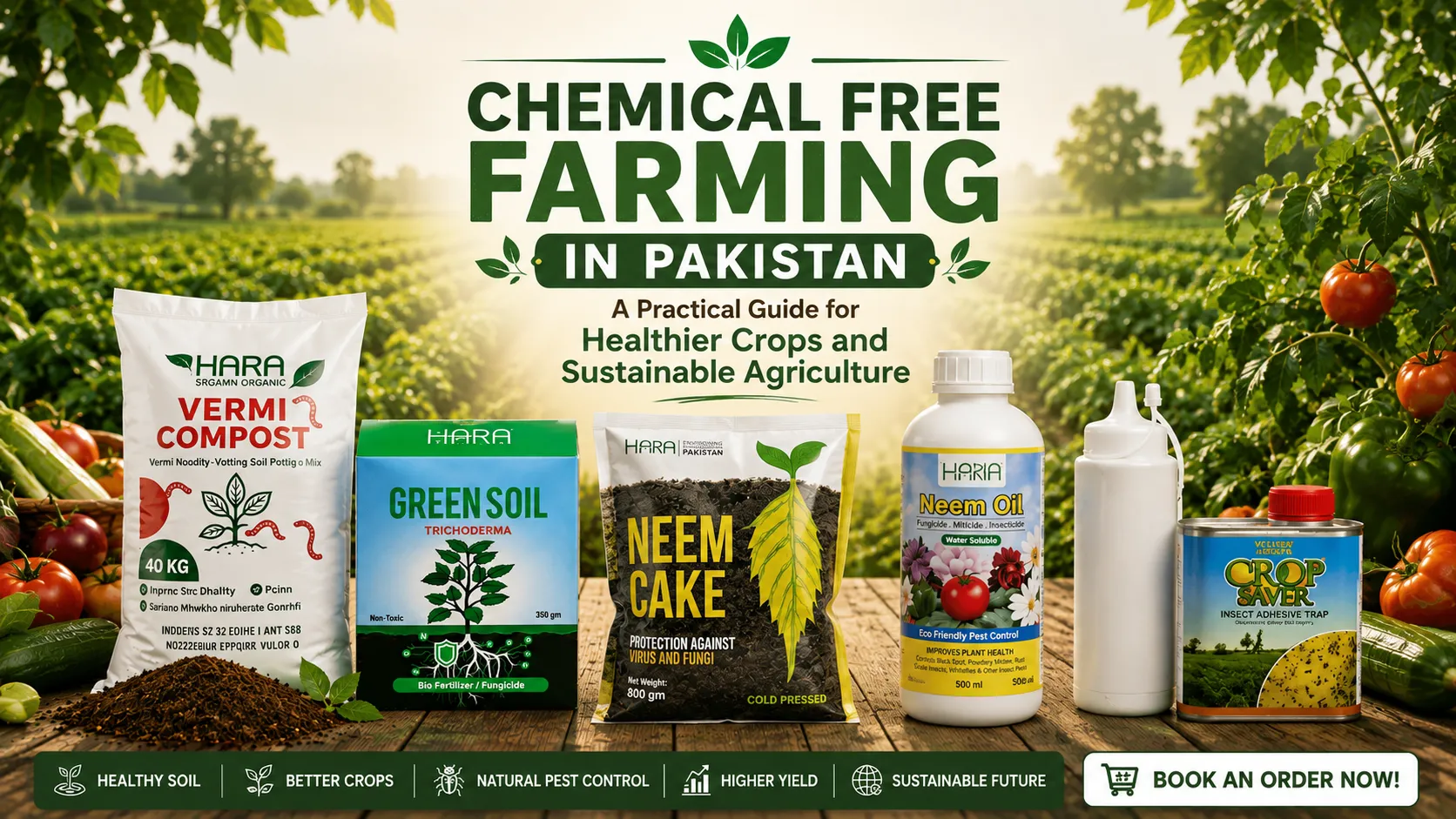
To support the growth of National Organic Agriculture, the availability of certified organic fertilizers, soil conditioners, and crop nutrition products must be increased. Expanding access to reliable organic inputs can help farmers transition toward sustainable farming systems more effectively.

Importance of National Organic Agriculture for Pakistan

The workshop highlighted the increasing importance of National Organic Agriculture as a strategic approach for addressing many agricultural and environmental challenges facing Pakistan today. Organic agriculture offers several long term benefits, including:

Benefits of National Organic Agriculture

Impact

Improved Soil Health

Enhances fertility and biological activity

Reduced Chemical Dependency

Lowers environmental pollution

Sustainable Food Production

Supports long term agricultural productivity

Better Ecosystem Protection

Preserves biodiversity and natural resources

Increased Consumer Confidence

Encourages demand for safer food products

As global demand for organic products continues to increase, Pakistan has significant potential to expand its organic agriculture sector while improving farmer livelihoods and environmental sustainability.

A Platform for Collaboration and Policy Dialogue

The workshop provided an excellent opportunity for collaboration among government institutions, international development organizations, researchers, and private sector stakeholders. Through open discussions and knowledge sharing, participants explored practical strategies for building a stronger organic agriculture framework in Pakistan.

Such initiatives play a vital role in shaping policies that support farmers, improve agricultural sustainability, and strengthen the country’s position within the global organic agriculture market.

Hara Organic Pakistan’s Commitment to Sustainable Agriculture

Hara Organic Pakistan remains committed to supporting the growth of National Organic Agriculture through farmer education, awareness programs, innovative organic solutions, and active participation in policy discussions.

By working closely with agricultural institutions, researchers, development partners, and farming communities, the company continues to contribute toward building a more sustainable, productive, and environmentally responsible agricultural future for Pakistan.

Conclusion

The National Organic Agriculture stakeholders’ workshop marked an important step toward developing a stronger policy ecosystem for organic production in Pakistan.

Through active participation and constructive recommendations, Hara Organic Pakistan reinforced its commitment to promoting sustainable farming practices, improving soil health, supporting farmers, and advancing the organic agriculture movement across the country.

As Pakistan moves toward a more sustainable agricultural future, collaborative efforts between government bodies, development organizations, researchers, and private sector stakeholders will play a crucial role in strengthening the National Organic Agriculture landscape and ensuring long term food and environmental security.