

Organic Mango Farming Guide in Pakistan (Hara Organic PGS)


Organic mango farming is gaining popularity in Pakistan due to increasing export opportunities, food safety concerns, and rising production costs in conventional farming.
The Mango Organic Growth Guide by Hara Organic PGS promotes sustainable farming practices that improve tree health, fruit quality, and long-term productivity through natural inputs.
This guide provides a practical approach to orchard preparation, water management, fertilization, spraying schedules, and organic certification, helping farmers produce high-quality mangoes using simple and farmer-friendly organic methods.
Step 1: Shifting Mango Trees to Proper Water Channels
The first and most important step in organic mango farming is proper water and root zone management. Mango trees should be shifted to a water channel system (ring or trench method) to improve root development and tree health.
- Maintain a channel distance of 6 to 10 feet from the trunk depending on tree age and canopy size.
- Recommended channel width: 2 feet
- Recommended channel depth: 1 foot
This system helps promote active feeder roots, prevents trunk rot, and improves nutrient absorption. For better orchard health, the space between the trunk and water channel should not be irrigated.


Step 2: Mulching the Inner Basin Area
After creating proper water channels, the next step is to apply organic mulch in the empty area between the tree trunk and the irrigation channel. Mulching helps maintain a healthy root environment and supports long-term orchard productivity.
Benefits of Mulching:
- Conserves soil moisture and reduces water loss.
- Improves soil organic matter over time.
- Controls weeds naturally without chemical herbicides.
- Protects and supports beneficial soil microbes.
Organic mulching is a key practice in sustainable mango orchard management because it enhances soil health while improving water and nutrient efficiency around the root zone.
Step 3: Organic Fertilization for Mango Trees
After establishing proper water channels and mulching, the next step is to provide balanced organic nutrition to support healthy tree growth and fruit production.
Apply organic fertilizers in the water channel area to maximize nutrient availability and root absorption.
Benefits of Organic Fertilization:
- Improves soil fertility naturally
- Enhances root development
- Supports healthy flowering and fruit set
- Increases beneficial microbial activity
- Improves long-term orchard productivity
Organic fertilization is essential for maintaining healthy mango trees and producing high-quality fruits under Hara Organic PGS farming practices.
Step 4: Organic Spraying Schedule
Regular organic spraying helps maintain tree health and protect mango orchards from common pests and diseases. Preventive management is more effective than treating severe infestations later in the season.
Organic sprays may include microbial solutions, plant extracts, seaweed-based products, and approved organic crop protection materials. Timely spraying supports healthy foliage, flowering, and fruit development.
Benefits of Organic Spraying:
- Improves plant health naturally
- Reduces pest pressure
- Supports disease prevention
- Enhances flowering performance
- Promotes healthier fruit development
Step 5: Flowering and Fruit Set Management
Flowering is one of the most critical stages in mango production. Trees require balanced nutrition, adequate moisture, and healthy biological activity to achieve successful fruit setting.
Proper orchard management during flowering helps reduce flower drop and improves fruit retention. Healthy trees are more capable of producing uniform and high-quality fruit.
Key Objectives:
- Improve flower retention
- Increase fruit setting percentage
- Reduce stress during reproductive stages
- Support healthy fruit development
Step 6: Fruit Development and Orchard Monitoring
Once fruits are formed, regular orchard monitoring becomes essential. Growers should inspect trees for nutrient deficiencies, pest activity, irrigation issues, and overall tree performance.
Consistent orchard care during this stage helps maximize fruit size, quality, and market value while maintaining tree health.
Benefits of Monitoring:
- Early detection of problems
- Better fruit quality
- Improved orchard performance
- Reduced production losses
Step 7: Organic Certification and Record Keeping
Organic certification helps verify that mango production follows approved organic standards. Proper documentation, input records, and orchard management records are important parts of certification programs.
Certification increases consumer confidence and may create opportunities in premium local and export markets.
Benefits of Certification:
- Market credibility
- Export opportunities
- Consumer trust
- Verified organic production
Step 8: Harvesting and Post-Harvest Handling
The final step is harvesting mature mangoes at the proper stage. Careful harvesting helps preserve fruit quality and reduce damage during handling and transportation.
Proper post-harvest practices maintain freshness, improve shelf life, and protect fruit quality until it reaches the market.
Benefits of Proper Harvesting:
- Better fruit appearance
- Longer shelf life
- Reduced losses
- Higher market value
Conclusion
The Mango Organic Growth Guide focuses on a complete organic production system that begins with proper water channel management and mulching, followed by organic fertilization, spraying schedules, flowering management, orchard monitoring, certification, and harvesting. By following these farmer-friendly practices, growers can improve tree health, fruit quality, and long-term orchard productivity while maintaining sustainable organic production standards.

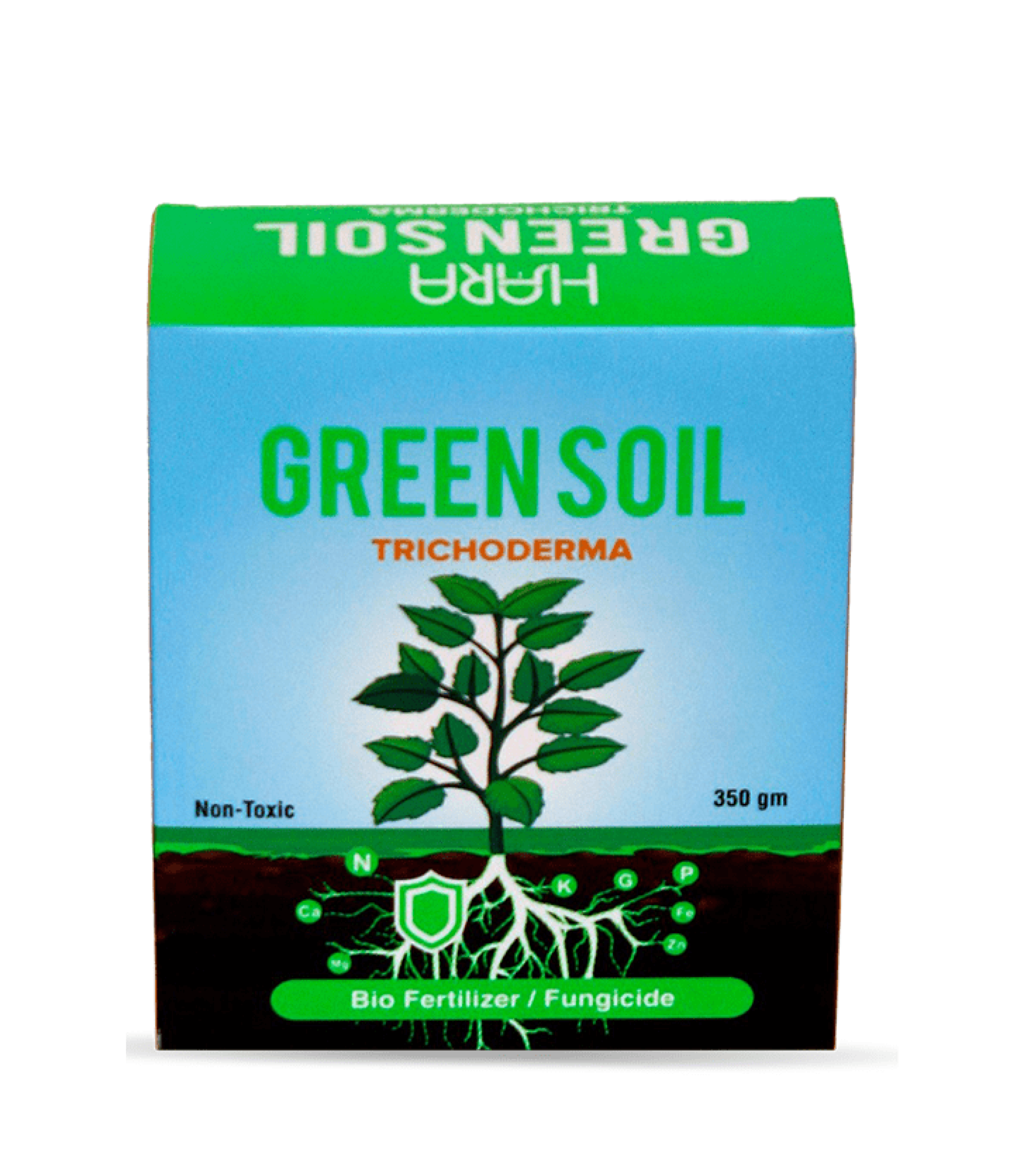
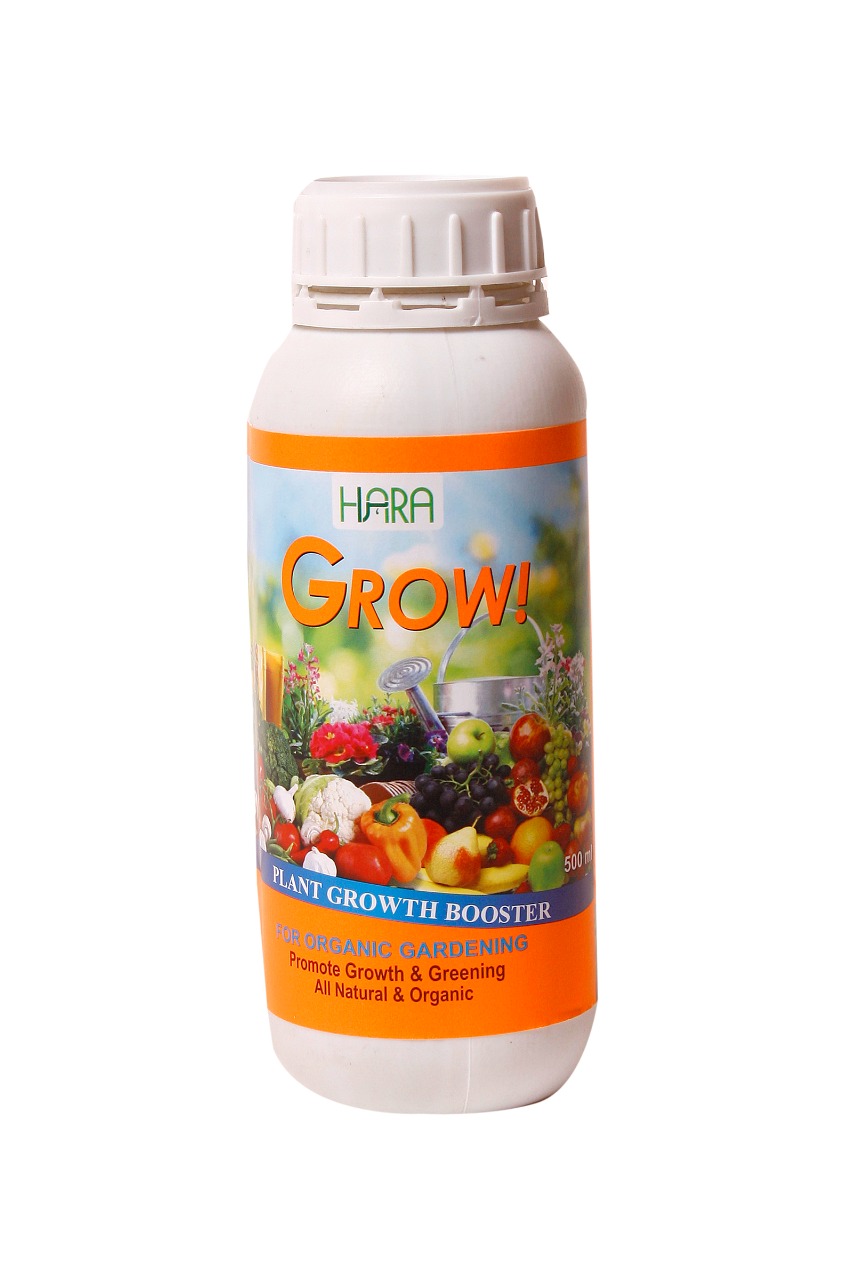
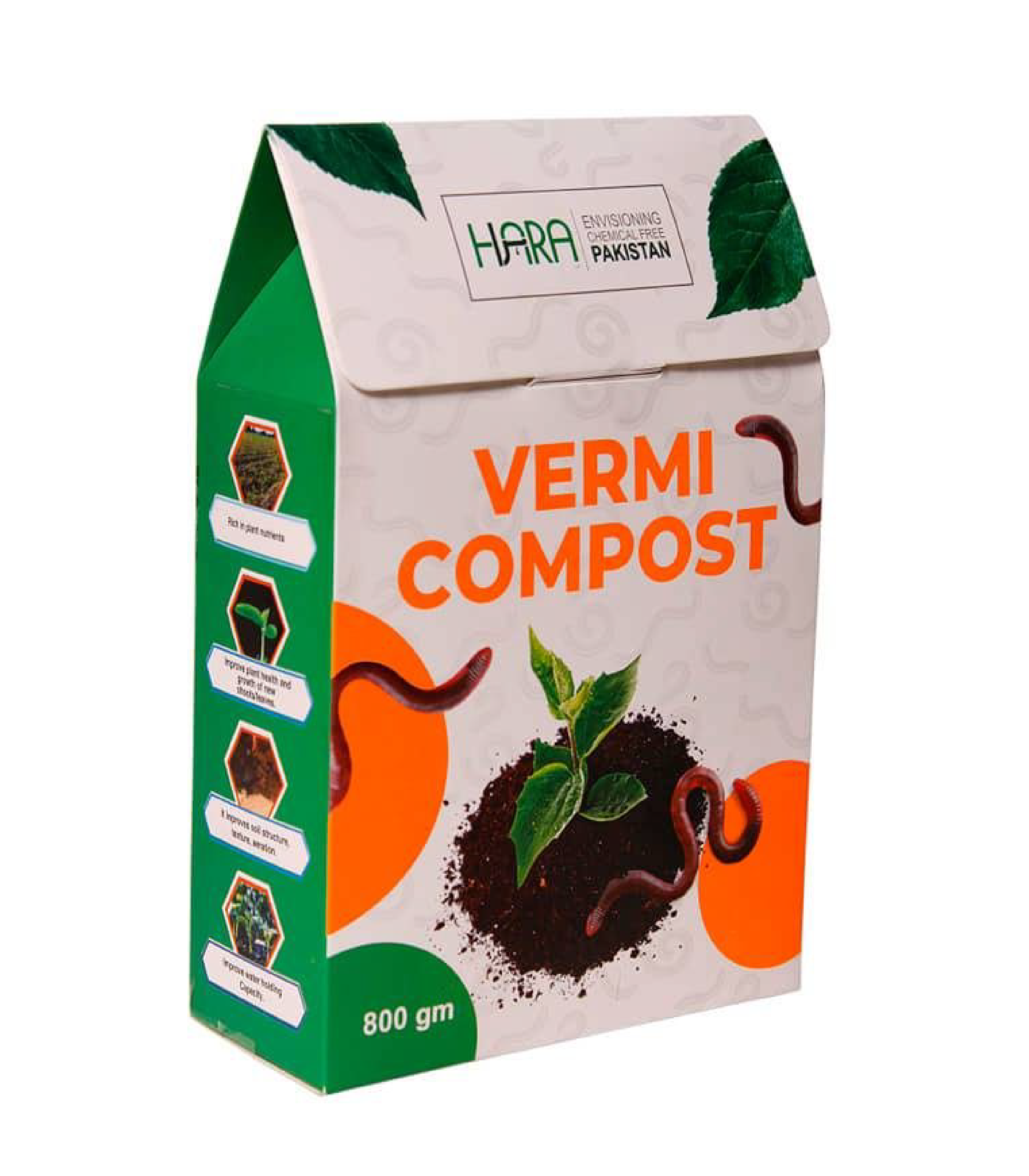
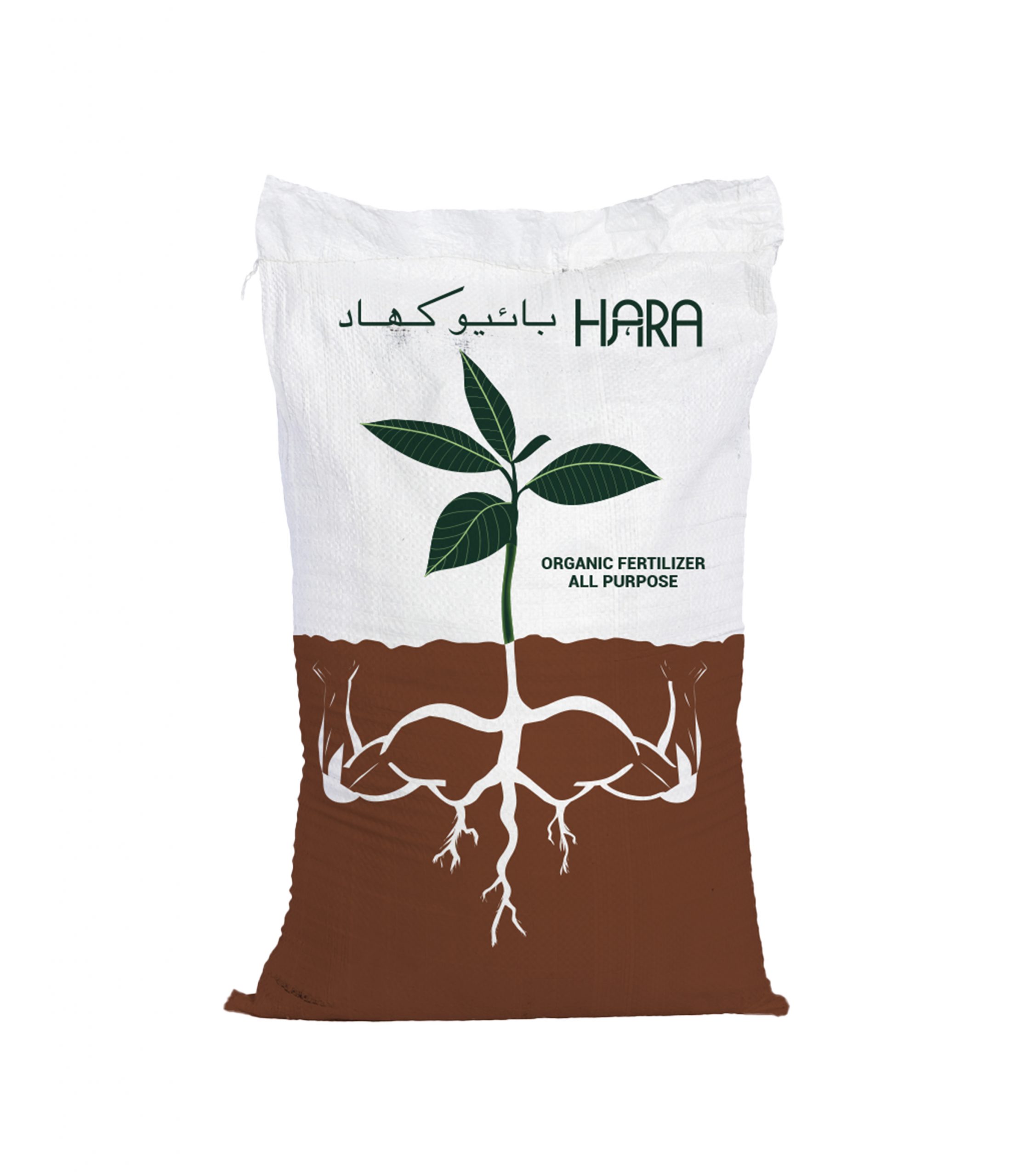
Organic mango farming starts with understanding the tree’s full-year growth stages and managing soil, water, and nutrition accordingly. Prepare living soil using vermicompost, Bio Phos, and agriculture probiotics, and ensure proper drainage with a water channel system away from the trunk. Follow a stage-wise Hara Organic PGS fertilizer and foliar spray schedule, use mulching to conserve moisture and improve soil health, apply preventive biological protection like Trichoderma and Blue Power, and use Neem Oil only when pests appear. Consistent organic nutrition, correct irrigation, and strong soil biology together produce healthy, disease-resistant mango trees with high-quality, chemical-free fruit.
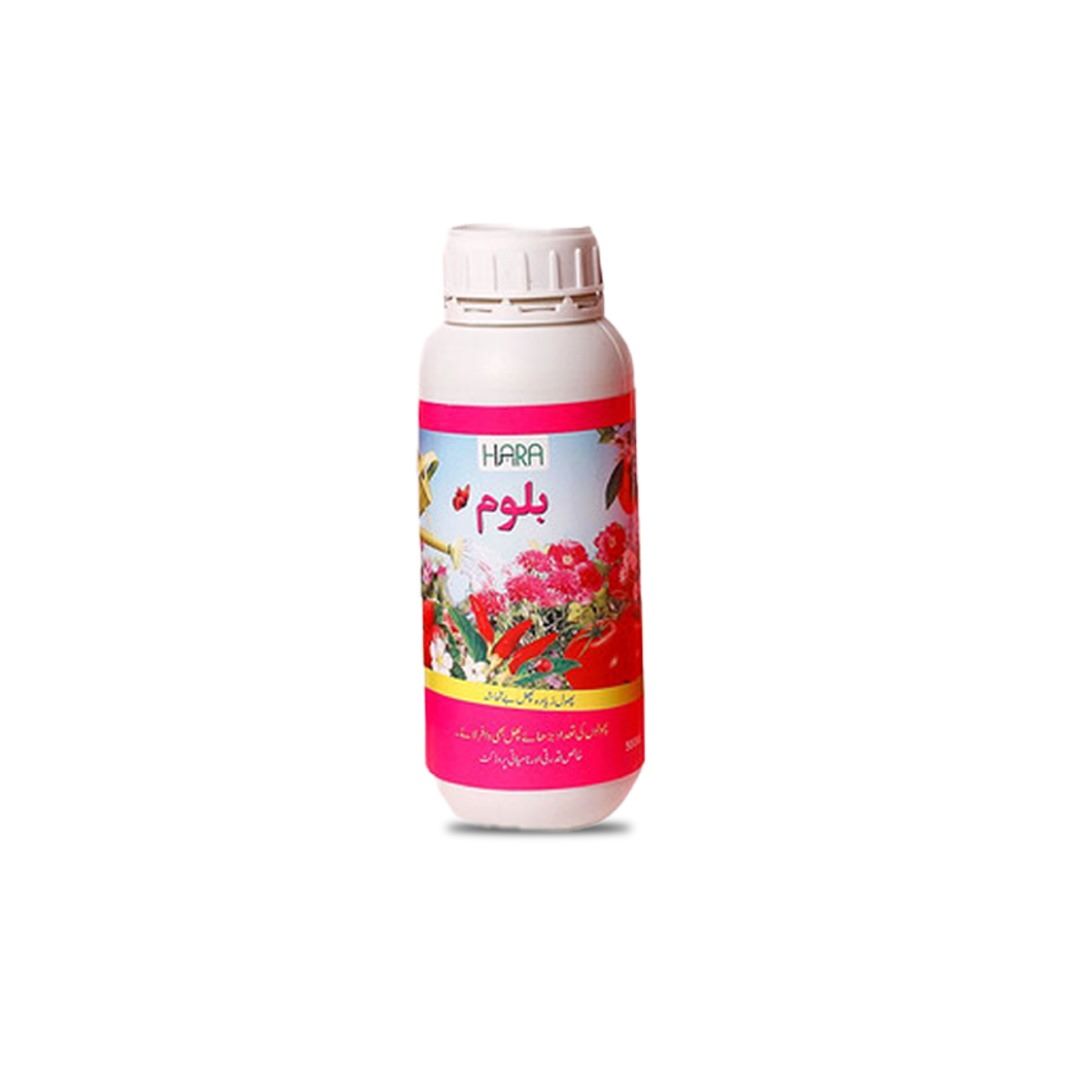
The best fertilizer for organic mango farming is a balanced, stage-wise nutrition plan that builds soil health and strengthens roots rather than forcing growth. In organic mango orchards, this includes the use of vermicompost for organic matter, Bio Phos for strong root development, agriculture probiotics for active soil biology, and foliar sprays like Grow and Bloom at key growth stages. Following a complete Hara Organic PGS fertilizer schedule throughout the year ensures healthy trees, better flowering, improved fruit set, and long-term sustainable mango production.
1. What are the most common diseases in mango trees?
The most common mango diseases include dieback, anthracnose, powdery mildew, sudden decline, gummosis, root rot, leaf spot, bacterial black spot, and sooty mold. These diseases usually appear due to weak soil biology, poor drainage, water stress, and excessive chemical use.
2. What causes dieback disease in mango trees?
Dieback is caused by fungal infection and weak root systems. It spreads faster in orchards with poor soil life, waterlogging, or chemical fertilizer use. Organic control focuses on improving soil health using agriculture probiotics and Green Soil (Trichoderma harzianum).
3. How can anthracnose be controlled in mango organically?
Anthracnose can be controlled organically by maintaining proper airflow, avoiding excess moisture on leaves, and applying Trichoderma-based biofungicides as preventive soil and foliar support. Strong nutrition also improves natural resistance.
4. Why does powdery mildew appear on mango flowers?
Powdery mildew usually attacks during flowering under cool and humid conditions. Weak plant immunity increases the risk. Balanced organic nutrition and preventive biological protection reduce its severity.
5. What is sudden decline in mango trees?
Sudden death in mango is mainly linked to root damage, weak soil biology, and fungal infection. Organic control requires improving soil health using Green Soil (Trichoderma harzianum). For prevention, apply Green Soil to the entire orchard at least two times a year. Along with this, following the complete Hara Organic PGS fertilizer and spray plan strengthens roots and plant immunity, which gradually eliminates sudden death issues and improves long-term orchard health.
6. How does root rot affect mango orchards?
Root rot damages feeder roots and blocks nutrient uptake. It is commonly caused by waterlogging and fungal pathogens. Organic management relies on Trichoderma application, vermicompost, and controlled irrigation.
7. What causes gummosis in mango trees?
Gummosis occurs when the tree is stressed due to wounds, poor drainage, or fungal infection. Avoiding trunk irrigation, improving soil structure, and strengthening roots organically helps prevent it.
8. What are mango leaf spot and bacterial black spot diseases?
These diseases appear as dark spots on leaves and fruits and reduce photosynthesis and market quality. Healthy soil microbes and strong plant immunity are the best organic defense.
9. Why does sooty mold appear on mango leaves?
Sooty mold develops due to honeydew secreted by sucking insects. While not directly harmful, it reduces photosynthesis. Maintaining orchard hygiene and plant strength helps prevent it organically.
10. Can mango diseases be prevented organically?
Yes. Most mango diseases can be prevented organically by:
Avoiding chemical fertilizers and fungicides
Using Hara Organic PGS fertilizer and spray schedule
Applying Trichoderma and agriculture probiotics regularly
Following proper pruning, mulching, and water channel management
Healthy soil produces healthy trees, and healthy trees resist diseases naturally.
Stage-Wise Fertilizer & Spray Schedule
| Stage No. | Stage Name | Crop Condition / Time | Product | Application Rate | Application Method | Purpose |
|---|---|---|---|---|---|---|
| 1 | Post-Harvest Pruning | Immediately after fruit harvest | — | — | Pruning | Removes old, diseased & weak branches |
| 2 | Fungal Protection Stage | Same day after pruning | Blue Power | 1 L / 100 L water | Foliar spray | Prevents fungal attack, supplies chelated Copper & Zinc |
| 3 | Tree Recovery & Rejuvenation | 7 days after Blue Power | GROW | 1 L / 100 L water | Foliar spray | Revives tree, builds new structure & strong vegetative flush |
| 4 | Flower Initiation Stage | Before flowering starts | Bloom | 1 L / 100 L water | Foliar spray | Improves flowering, reduces flower drop |
| 5 | Fruit Setting Stage | Flowers converting into fruits | Bloom (Repeat) | 1 L / 100 L water | Foliar spray | Improves fruit setting & retention |
| 6 | Fruit Development Stage (Optional) | During fruit growth | GROW | 1 L / 100 L water | Foliar spray | Improves fruit size, quality & tree strength |
Stage-Wise Fertilizer Schedule
| Stage | Time | Fertilizer | Dose (Per Tree) |
|---|---|---|---|
| Post-Harvest | After fruit harvesting & pruning | Vermicompost + Bio Khad + Bio Phos | Up to 5 kg each (equal quantity) |
| Flowering Stage | At flowering start | Bio Phos + Bio Khad | 3–5 kg each |
| Fruit Development | After fruit setting | Bio Khad (optional) | 3–5 kg |
Need Further Details? Contact Our Experts for Free Consultation!
