

Organic Citrus Farming Guide – Hara Organic PGS Standard

Citrus fruits are among the most widely cultivated fruit crops in Pakistan and include oranges, kinnow, lemons, mandarins, grapefruits, and limes. With increasing consumer demand for healthy and chemical-free food, many growers are adopting sustainable production methods to improve fruit quality and maintain long-term orchard productivity.
This Organic Citrus Farming Guide explains the essential practices required for successful citrus production using organic and regenerative farming methods. By focusing on soil health, biological nutrition, water efficiency, and natural crop protection, farmers can produce high-quality citrus fruits while protecting the environment and improving orchard sustainability.
Why Organic Citrus Farming Is Growing in Pakistan
Organic citrus farming has gained attention because it offers a sustainable alternative to conventional farming systems. Organic production reduces dependence on synthetic fertilizers and pesticides while promoting healthier soils and improved biodiversity.
Consumers are increasingly looking for chemical-free fruits that are safer for their families. As market awareness grows, organic citrus growers may benefit from premium prices and stronger consumer trust.
Beyond economic benefits, organic farming also supports long-term soil fertility, better water management, and reduced environmental impact.
Best Climate and Soil for Organic Citrus Cultivation
Successful organic citrus cultivation starts with selecting a suitable location. Citrus trees perform best in warm climates with adequate sunlight and protection from extreme frost.
The ideal soil should be deep, fertile, and well-drained. Soils rich in organic matter encourage strong root development and improve nutrient availability. Poor drainage can lead to root diseases and reduced tree vigor.
Before establishing a citrus orchard, farmers should improve soil fertility through compost, farmyard manure, biofertilizers, and other organic soil amendments.
Land Preparation and Orchard Establishment
Proper orchard planning is essential for long-term success. The land should be cleared of weeds, leveled properly, and prepared with sufficient organic matter before planting.
Planting pits should be filled with compost and well-decomposed farmyard manure to encourage early root growth. Healthy, disease-free nursery plants should always be selected to establish a productive orchard.
Correct spacing allows sunlight penetration, air circulation, and easier orchard management while reducing disease pressure.
Understanding the Organic Citrus Growth Cycle
The organic citrus growth cycle consists of several important stages that require careful management.
The first stage involves root establishment and vegetative growth. Young trees focus on developing a strong root system and healthy canopy.
The second stage includes flowering and fruit set. During this period, balanced nutrition and adequate moisture are critical for successful fruit development.
The third stage involves fruit enlargement and maturation. Proper irrigation, nutrient management, and pest monitoring help improve fruit size, color, and quality.
The final stage is harvesting, where mature fruits are collected at the appropriate market stage to maximize value and quality.
Organic Soil Fertility Management
Healthy soil is the foundation of every successful citrus orchard. Organic farming relies on improving soil biology rather than simply supplying nutrients.
Compost, vermicompost, farmyard manure, beneficial microbes, probiotics, and plant-based extracts help increase microbial activity and nutrient cycling within the soil. These inputs improve root health and support balanced tree growth.
Regular additions of organic matter also improve soil structure, water retention, and nutrient availability throughout the growing season.
Water Management in Organic Citrus Orchards
Efficient water use is essential for citrus production. Trees require consistent moisture, especially during flowering and fruit development.
Drip irrigation systems are often preferred because they deliver water directly to the root zone while minimizing waste. Organic mulching around trees further improves moisture conservation and helps regulate soil temperature.
Proper irrigation scheduling can significantly improve fruit quality and reduce plant stress.
Mulching and Regenerative Practices
Mulching is a valuable practice in organic citrus farming because it helps conserve water, suppress weeds, and improve soil health.
Organic materials such as straw, leaves, composted plant residues, and grass clippings can be used around citrus trees. As these materials decompose, they contribute nutrients and support beneficial microbial activity.
Regenerative farming practices such as cover cropping and organic matter recycling further enhance orchard sustainability.
Organic Pest and Disease Management
Natural pest and disease control is an important component of organic citrus production. Healthy trees grown in biologically active soils are generally more resistant to pests and diseases.
Farmers should regularly inspect orchards and encourage beneficial insects that naturally control harmful pests. Neem-based products, biological control agents, and approved organic inputs can be used when necessary.
Preventive management, proper sanitation, and balanced nutrition remain the most effective strategies for reducing disease pressure.
Flowering, Fruit Set, and Fruit Development
The flowering period is one of the most critical stages in citrus production. Trees require adequate nutrition and moisture to support successful pollination and fruit set.
Stress caused by nutrient deficiencies, drought, or pest attacks can reduce fruit retention and overall yield. Consistent orchard management during fruit development helps improve fruit size, sweetness, color, and market quality.
Harvesting Organic Citrus Fruits
Harvesting should be carried out when fruits reach the appropriate maturity level. Fruit color, sweetness, juice content, and market requirements are commonly used to determine harvest timing.
Careful harvesting practices help prevent fruit damage and maintain post-harvest quality. Fruits should be handled gently and stored under suitable conditions to preserve freshness and shelf life.
Organic fruits should be kept separate from conventionally grown produce to maintain product integrity.
Benefits of Organic Citrus Production
Organic citrus production offers numerous advantages for growers, consumers, and the environment.
Healthy soils support stronger trees and long-term productivity. Reduced chemical usage helps protect beneficial organisms and improves biodiversity within the orchard ecosystem. Consumers benefit from safer fruits produced through environmentally responsible methods.
As demand for organic products continues to increase, organic citrus production provides a promising opportunity for sustainable agricultural growth.
Conclusion
This Organic Citrus Farming Guide provides a practical framework for establishing and managing productive citrus orchards using sustainable farming methods. By focusing on soil health, biological nutrition, efficient irrigation, natural pest management, and regenerative farming practices, growers can improve orchard performance while protecting natural resources.
Through proper organic citrus cultivation, careful management of the organic citrus growth cycle, and sustainable production practices, farmers can achieve high-quality yields and build a successful system for long-term organic citrus production.

A: Hara Organic PGS is a certified organic standard ensuring all inputs and practices are chemical-free, sustainable, and regenerative. It guarantees high-quality, chemical-free citrus fruits while preserving soil health and biodiversity.
When cultivating organic citrus, it is essential to recognize that the crop progresses through different growth stages throughout the year, each requiring careful planning and management. Proper water management should be channelized at every stage to ensure optimal growth and fruit development. Follow the recommended Hara Organic PGS fertilizer schedule, apply all organic inputs at the appropriate times, and strictly implement plant protection measures to control pests and diseases naturally. Additionally, use mulching to conserve soil moisture, enhance soil fertility, and support healthy plant growth. By consistently applying these best practices, farmers can achieve sustainable, chemical-free, and high-quality citrus production while maintaining long-term soil health and orchard productivity.
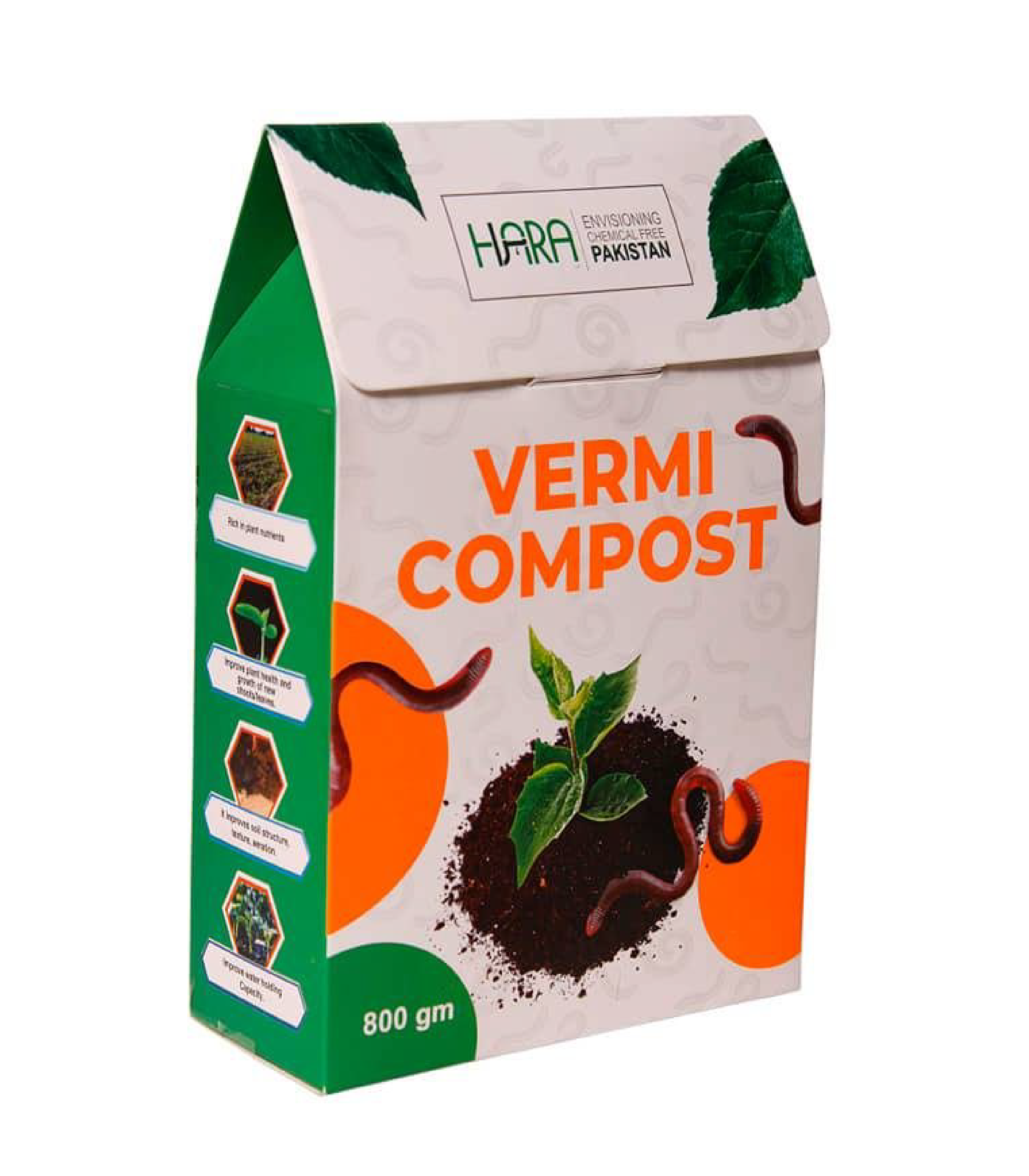
The best fertilizer for organic citrus crops is a balanced combination of natural and bio-based inputs that nourish the soil and plants at every growth stage. This includes vermicompost to improve soil structure and microbial activity, bio-phosphorus to support strong root development, Veggie Mix for essential macro and micronutrients, fish hydrolysate for nitrogen and trace elements, foliar nutrient sprays to enhance flowering and fruit quality, and beneficial microbes like Trichoderma to strengthen plant immunity. When applied according to the crop’s growth stages, this integrated organic fertility program ensures healthy, sustainable, and high-quality citrus production while maintaining long-term soil health.
In organic citrus farming, pests and diseases are controlled through natural and preventive methods rather than chemical pesticides. This includes:
Biological Controls: Use beneficial microbes such as Trichoderma and probiotics to strengthen plant immunity and suppress soil-borne pathogens.
Botanical Extracts: Apply Neem Oil or other plant-based sprays to manage common pests like citrus psylla and aphids.
Cultural Practices: Maintain proper spacing, pruning, and sanitation to reduce pest habitats and disease spread.
Physical Controls: Use Yellow Sticky Traps to monitor and capture flying pests.
Integrated Organic Management: Regularly monitor plant health, follow the fertilizer schedule, maintain mulching and soil fertility, and address stress or nutrient deficiencies promptly to reduce susceptibility to pests and diseases.
By combining these strategies, farmers can achieve effective pest and disease management organically, ensuring healthy, chemical-free citrus fruits.
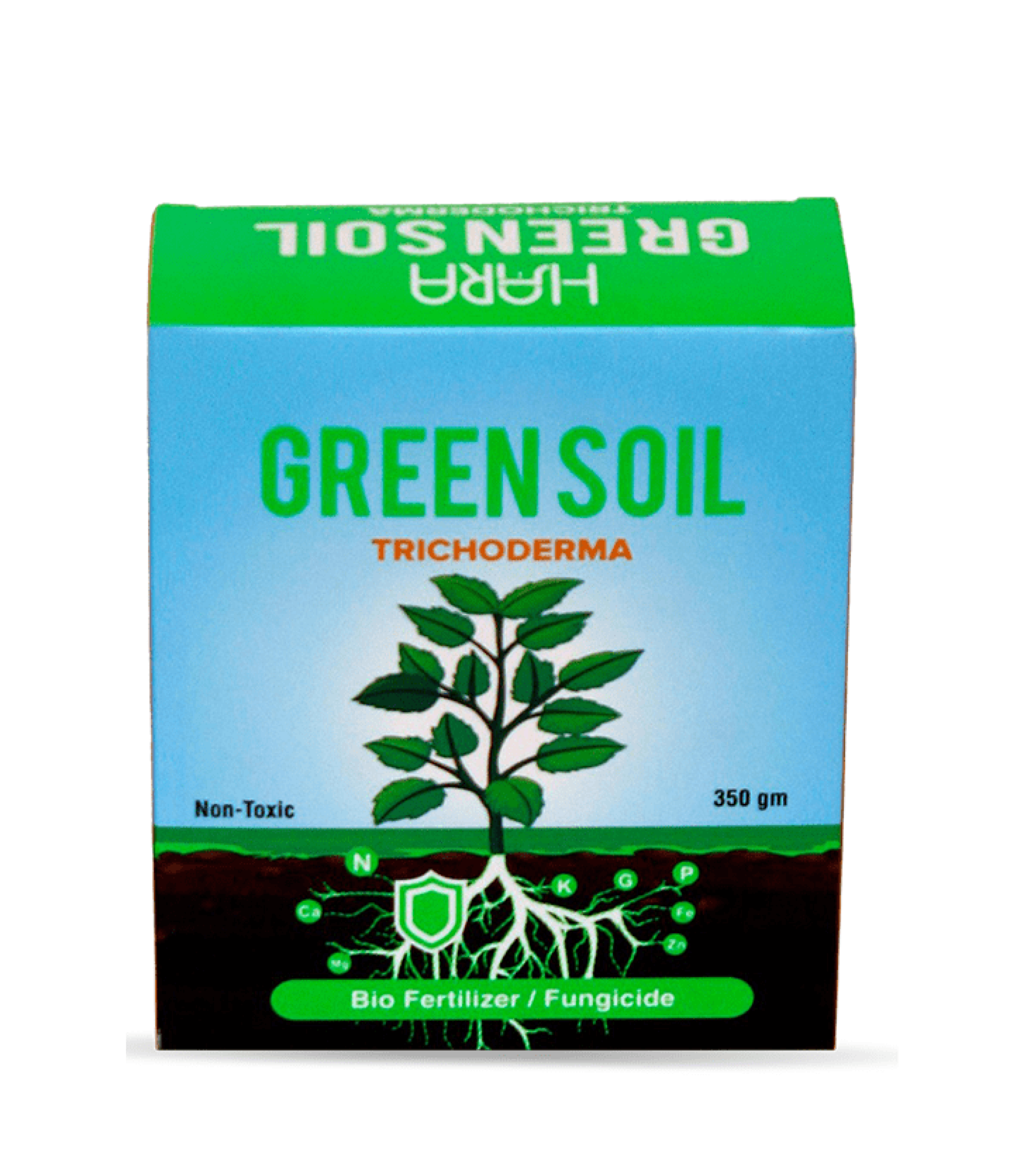
To control Sudden Death Disease organically, first remove all infected trees carefully and ensure that the surrounding soil and damaged roots are cleared without harming the healthy roots. Apply 10–15 kg of vermicompost near the roots and sprinkle Green Soil with Trichoderma harzianum directly around the root zone. Cover this with soil, then add a layer of mixed Green Soil and vermicompost on top. Maintain moisture for at least 20 days to support microbial activity, and foliar spray Hara Grow on the trees to strengthen immunity.
For prevention, apply Trichoderma twice a year to the entire orchard. Ensure that water channels are dug 5–6 feet from the tree stem, at least 2 feet wide, to irrigate and apply fertilizers efficiently. Apply mulching in the 6-feet zone around the tree to conserve soil moisture. Avoid any chemical fungicides or synthetic fertilizers, as they weaken the plant and soil, making trees more prone to diseases. Follow the Hara Organic PGS all-year fertilizer and spray schedule, which ensures stronger plants, higher crop yields, and long-term orchard health.
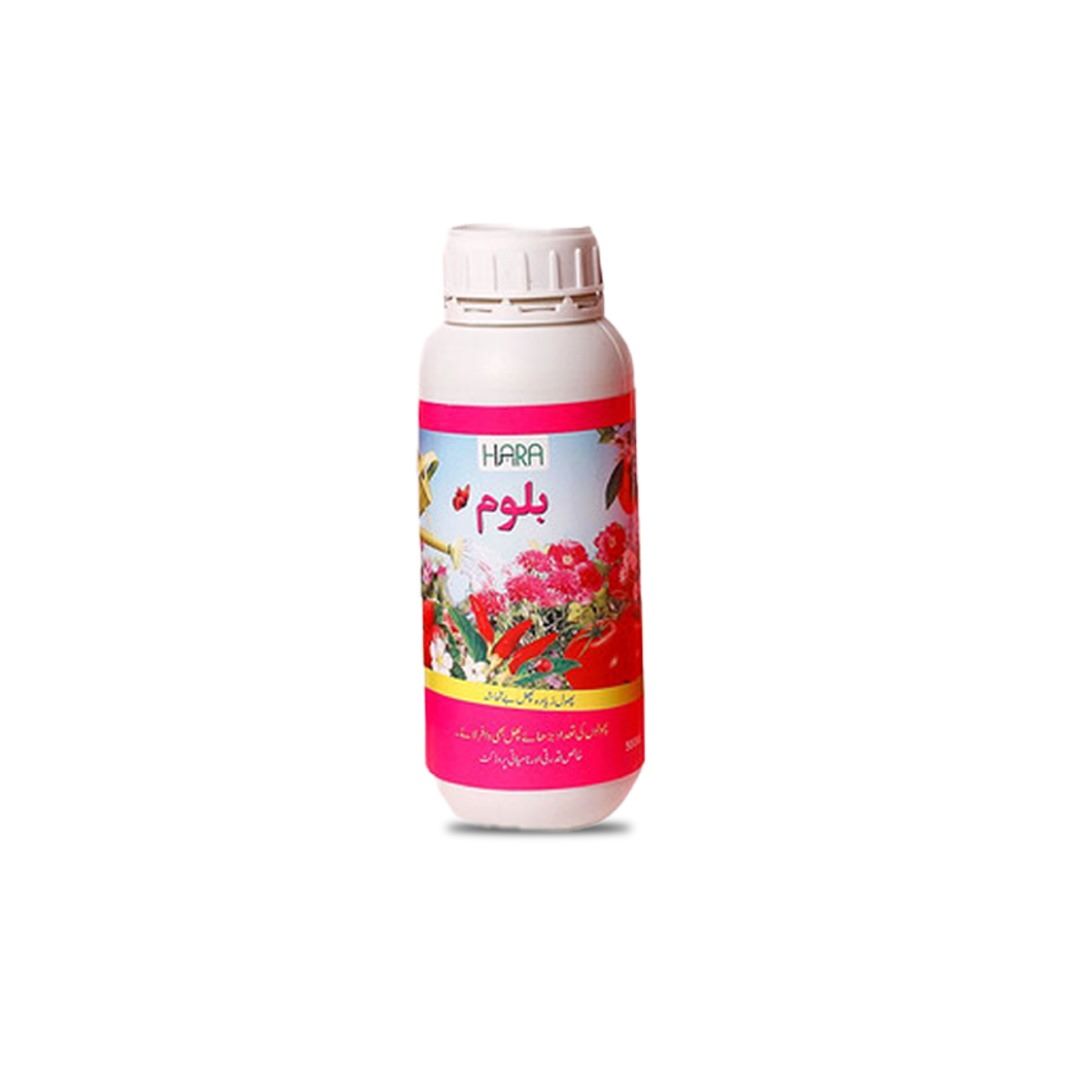
The best fertilizer schedule for citrus farming is a complete year-round program that supports soil health, strong roots, healthy plant growth, flowering, and fruit development. Farmers should follow the full Hara Organic fertilizer schedule throughout the year, using vermicompost to improve soil fertility, Bio-Phos for root strength, Green Soil (Trichoderma) to protect roots and soil, Hara Grow for vegetative growth, and Hara Bloom at flowering and fruit setting stages, along with recommended foliar micronutrient sprays. Consistent use of this schedule results in healthier trees, higher yield, better fruit quality, and long-term orchard sustainability under PGS organic standards.
Citrus diseases such as gummosis and canker can be controlled organically by strengthening soil biology and plant immunity. Avoid the use of chemical fungicides, as they weaken soil life and increase disease risk. Ensure proper drainage and keep irrigation channels at a safe distance from the tree trunk. Apply Trichoderma-based biofungicides regularly to protect roots from soil-borne pathogens. Balanced organic nutrition and good orchard hygiene help trees recover faster and reduce disease pressure over time.
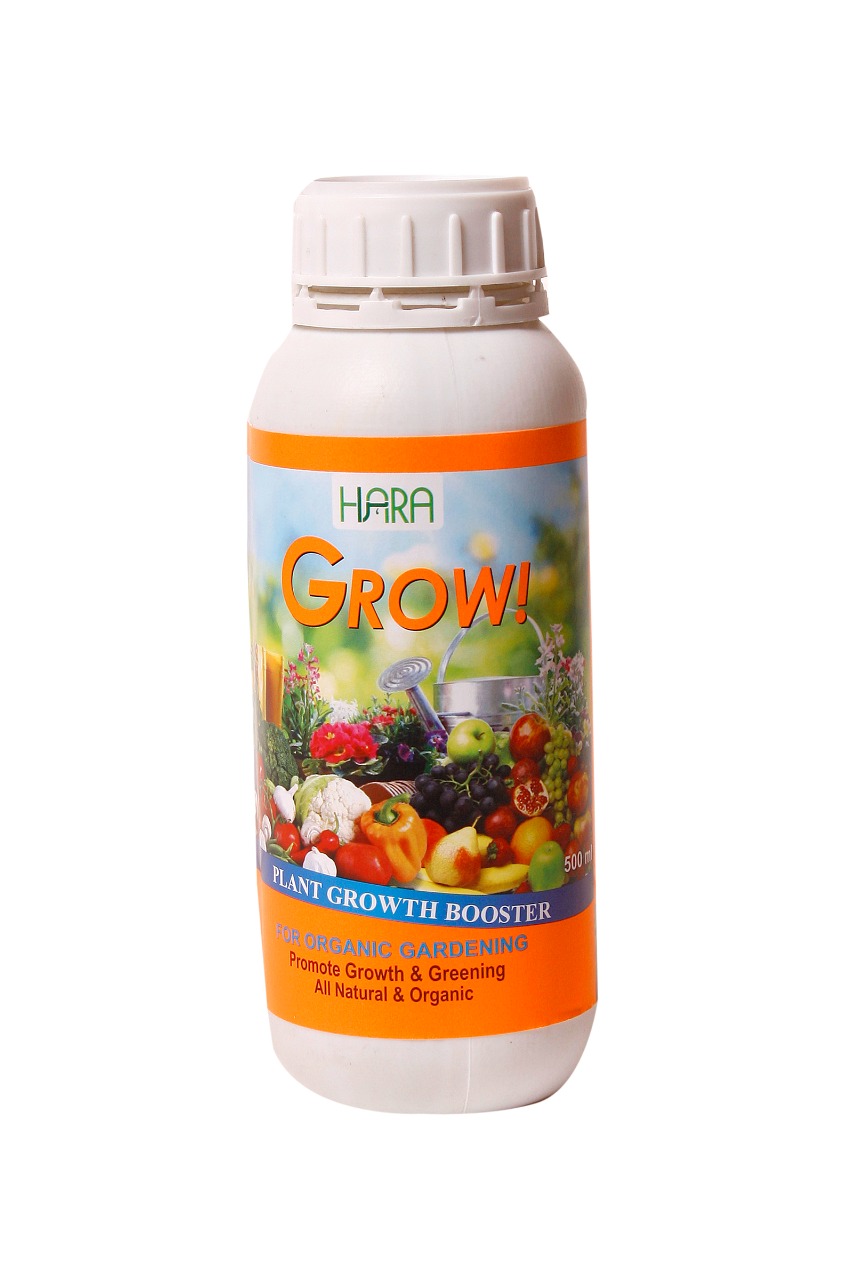
Citrus tree yield can be increased naturally by strictly following the Hara Organic PGS (Participatory Guarantee System) crop management plan. Use Hara Grow during vegetative stages to strengthen plant growth and Hara Bloom at flowering and fruit-setting stages to improve fruit development. Apply bio khad (vermicompost) to build long-term soil fertility. Follow the Hara water channel system to avoid root stress and disease. Practice mulching to conserve moisture and support soil microbes. Healthy roots, balanced nutrition, and stress-free plants result in better flowering, improved fruit set, larger fruit size, and higher overall yield.
Complete Organic Fertilizer and Spray Program for Citrus Orchards (Hara Organic PGS Certified)
| Crop Stage | Hara Product | Application Type | Dose & Frequency | Purpose |
|---|---|---|---|---|
| Land Preparation / Orchard Activation | Bio Phos | Soil incorporation | 5 kg / acre (yearly) | Activates phosphorus & soil microbes |
| Bio Khad (Organic Fertilizer) | Soil application | 5 kg / acre (yearly) | Improves soil organic matter | |
| Vermicompost | Root zone | 5–10 kg / acre (yearly) | Enhances soil structure & biology | |
| Agriculture Probiotics (Bacterial Culture) | Soil drenching / irrigation | 3–4 times per year | Builds living soil ecosystem | |
| After Pruning | Blue Power | Foliar spray | 1 spray | Stress recovery & vegetative push |
| Vegetative Growth Stage | Grow | Foliar spray | 2 sprays | Strong shoot & leaf development |
| Agriculture Probiotics | Soil / irrigation | Included (3–4 times yearly) | Root growth & nutrient uptake | |
| Flower Initiation Stage | Bloom | Foliar spray | Up to 3 sprays | Flower induction & retention |
| Fruit Setting Stage | Bloom | Foliar spray | Continue if required | Better fruit setting |
| Fruit Development Stage | Seaweed Extract | Foliar spray | 1 spray only | Fruit size & stress tolerance |
| Whole Year (Water Management) | Mulching + Water Channel System | Orchard management | As per Hara guidelines | Moisture retention & root health |
🛡️ Organic Plant Protection Chart (Disease → Product → Solution)
| Disease / Problem | Symptoms | Hara Organic Solution | Application Method |
|---|---|---|---|
| Dieback | Drying branches, weak growth | Agriculture Probiotics + Green Soil (Trichoderma) | Soil drenching + root zone |
| Root Rot / Foot Rot | Yellow leaves, root decay | Green Soil Trichoderma | Soil application |
| Gummosis | Gum oozing from trunk | Green Soil Trichoderma + Proper drainage | Soil treatment |
| Weak & Stressed Plants | Slow growth, pale leaves | Blue Power + Grow | Foliar spray |
| Flower Drop | Flowers falling before setting | Bloom | Foliar spray |
| General Pest Pressure | Low vigor, plant stress | Strong soil biology (Probiotics) | Preventive approach |
Need Further Details? Contact Our Experts for Free Consultation!
