


Skip to main content Scroll Top

Complete Step-by-Step Guide for Growing Vegetables in Pots & Rooftop Gardens

Jump To

Complete Step-by-Step Guide for Growing Vegetables in Pots & Rooftop Gardens

Growing Vegetables in Pots

Growing vegetables in pots, grow bags, and rooftop gardens is one of the most effective ways to produce fresh, chemical-free food at home. But rooftop gardening is not simply “planting and watering”; it is a controlled environment where success depends on understanding heat stress, root space, watering behavior, and seasonal plant response.

Most beginners fail not because they don’t work hard, but because they treat rooftop gardens like ground gardens. In reality, pots behave like a completely different ecosystem.

STEP 1: Select the Right Location & Pots

The first decision in rooftop gardening is not what to plant, but where and in what container. This single step decides 50% of your success.

Sunlight Requirement (Real Rooftop Behavior)

Vegetables need 6–8 hours of sunlight, but rooftop sunlight is often more intense than at ground level. In peak summer, direct sun can create heat stress inside pots, even when soil looks healthy on top.

Experienced growers often notice that plants placed in harsh, direct rooftop zones may grow fast initially but struggle during flowering due to stress buildup.

Common signs of improper sunlight balance include:

  • Midday wilting even after watering
  • Flower drop in chili and tomato
  • Leaf curling during peak heat hours
  • Uneven growth on one side of the plant

Airflow is equally important. Closed or corner spaces create humidity pockets that later lead to fungal problems.

Pot & Grow Bag Selection (Critical Root Reality)

Pot size is not just about plant height; it directly controls root behavior. Once roots hit the container boundary, plants stop focusing on growth and start surviving instead of producing.

A common beginner mistake is thinking “plant is small, so small pot is fine”. In reality, small pots force early root binding, especially in fruiting vegetables like tomato and cucumber.

Another hidden rooftop issue is heat absorption. Dark plastic pots in summer can increase root-zone temperature significantly, silently damaging roots even when the plant looks fine above the soil.

Recommended Pot & Grow Bag Sizes for Vegetables


Vegetable

Recommended Pot Size

Minimum Depth

Tomato

16–20 inch

Deep

Chili

12–16 inch

Medium

Brinjal (Eggplant)

16–18 inch

Deep

Okra

14–16 inch

Deep

Coriander

8–10 inch

Shallow

Mint

8–10 inch

Medium

Spinach

10–12 inch

Medium

Lettuce

10–12 inch

Shallow

Radish

10–12 inch

Medium

Carrot

12–16 inch

Deep

Cucumber

16–20 inch

Deep

Bitter Gourd

18–24 inch

Deep

Bottle Gourd

20–24 inch

Deep

Beans

12–16 inch

Medium

Peas

12–16 inch

Medium

Onion

10–12 inch

Medium

Garlic

10–12 inch

Medium

Best Pot Practices (Experience-Based)

  • Drainage holes are essential
  • Medium to large pots perform more stably in heat
  • Light-colored pots reduce heat stress in summer
  • Grow bags often perform better than rigid plastic pots in extreme heat

Common Mistakes:

  • Using very small pots for fruiting vegetables
  • No drainage system
  • Black plastic pots in peak summer without shade protection
  • Reusing compacted soil without refreshing it

STEP 2: Prepare Healthy Soil (Foundation of Success)

Soil in rooftop gardening is not natural; it is a “contained system” that must balance drainage and moisture retention. A major beginner mistake is using only garden soil. In pots, this becomes compact and suffocates roots due to low oxygen flow. Another mistake is overusing compost, which makes soil too soft and water-heavy, leading to root rot conditions.

Recommended Soil Formula

  • 70% Normal Soil
  • 30% Vermicompost

This mix creates a balance between structure and fertility. It allows roots to breathe while still providing steady nutrients.

Problems with Poor Soil

  • Hard soil blocks root expansion
  • Low oxygen leads to slow plant metabolism
  • Nutrient imbalance reduces flowering
  • Water either drains too fast or stays too long

Experienced growers often observe that soil quality decides plant performance more than fertilizer does in container gardening.

STEP 3: Plant Seeds or Seedlings Properly

Plant spacing is not just a technical requirement; it directly affects disease pressure and plant strength. Overcrowding is one of the most common rooftop gardening mistakes. It reduces airflow and creates a humid micro-environment where pests multiply faster.

Recommended Vegetable Spacing for Pots


Vegetable

Pot Size

Plant-to-Plant Space

Tomato

16–20 inches

1 plant per pot

Chili

12–16 inches

1 plant per pot

Brinjal (Eggplant)

16–18 inches

1 plant per pot

Okra

14–16 inches

1–2 plants

Coriander

8–10 inches

Dense sowing

Spinach

10–12 inches

3–4 inches

Lettuce

10–12 inches

6–8 inches

Radish

10–12 inches

3–4 inches

Carrot

12–16 inches

2–3 inches

Cucumber

16–20 inches

1 plant per pot

Bitter Gourd

18–24 inches

1 plant per pot

Bottle Gourd

20–24 inches

1 plant per pot

Beans

12–16 inches

2–3 inches

Peas

12–16 inches

2–3 inches

STEP 4: Best Watering Practices (Most Critical Rooftop Factor)

Watering in rooftop gardening is often misunderstood. The biggest mistake is following fixed daily watering routines. In reality, pot moisture changes rapidly depending on heat, wind, and container material.

Real Observation:

In summer, pots can dry in a few hours. In winter, the same pots may stay moist for several days. This seasonal difference is why fixed watering schedules often fail.

Correct Watering Method

Water only when the upper soil starts becoming slightly dry. Morning watering is preferred because plants absorb moisture before heat stress begins.

Common Watering Problems

Too Much Water

  • Root rot
  • Yellow leaves
  • Fungal infections

Too Little Water

  • Wilting
  • Flower drop
  • Slow growth

Balanced watering is more important than frequent watering.

STEP 5: Plant Nutrition Management (Most Important Yield Factor)

Nutrition management in pots is completely different from ground farming because nutrients wash out faster. A major beginner mistake is feeding all plants the same way throughout their lifecycle. In reality, plant needs change dramatically after flowering starts.

Stage 1: Growth Stage

This stage focuses on roots, stems, and leaves. If nutrition is weak at this stage, plants remain weak throughout their life cycle, even if later feeding is correct.

  • Every 15–20 days: Apply Veggie Mix
  • Light mixing into soil improves absorption
  • Water after application for activation

Foliar spray (Hara Grow type) supports:

  • Leaf expansion
  • Root strengthening
  • Faster vegetative growth

Stage 2: Productive Stage

This stage begins at flowering and continues until harvesting ends.

One common rooftop issue is flower drop, especially in chili and tomato. This is often caused by heat stress or incorrect nutrition timing, not pests.

Every 15–20 days: Apply Veggie Mix
Foliar spray (Hara Bloom type) supports:

  • Flower retention
  • Fruit setting
  • Improved vegetable size
  • Better yield quality

STEP 6: Organic Pest Control (Prevention Mindset)

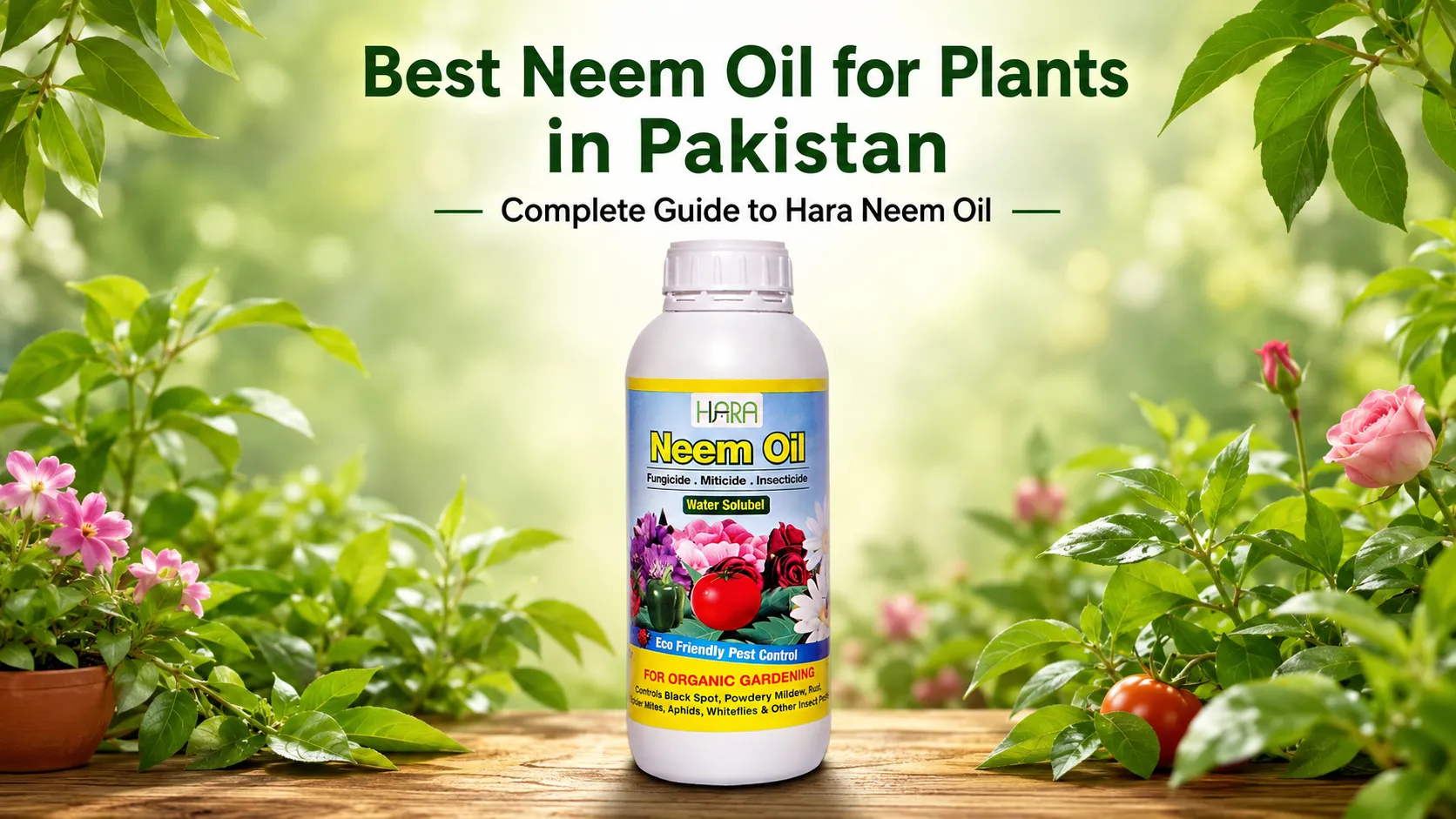
Pest control is most effective when done early. Waiting until infestation becomes visible often leads to slow recovery. Neem oil spray is widely used because it disrupts insect feeding behavior without harming plant health.

However, experienced gardeners notice a pattern: Well-spaced, well-ventilated plants naturally have fewer pest issues. So pest control is not just spraying; it is also garden design.

STEP 7: Root Protection (Hidden Success Factor)

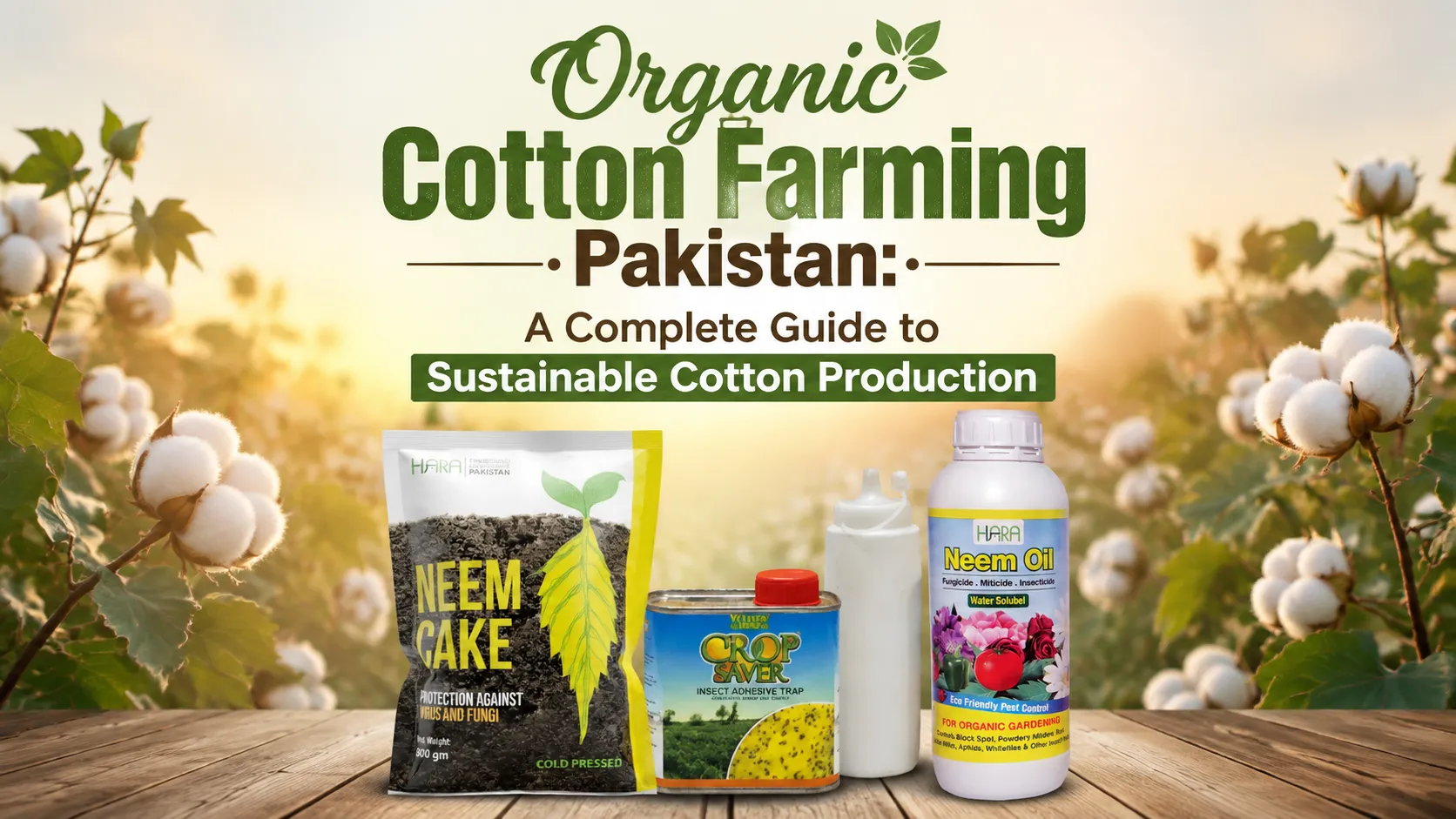
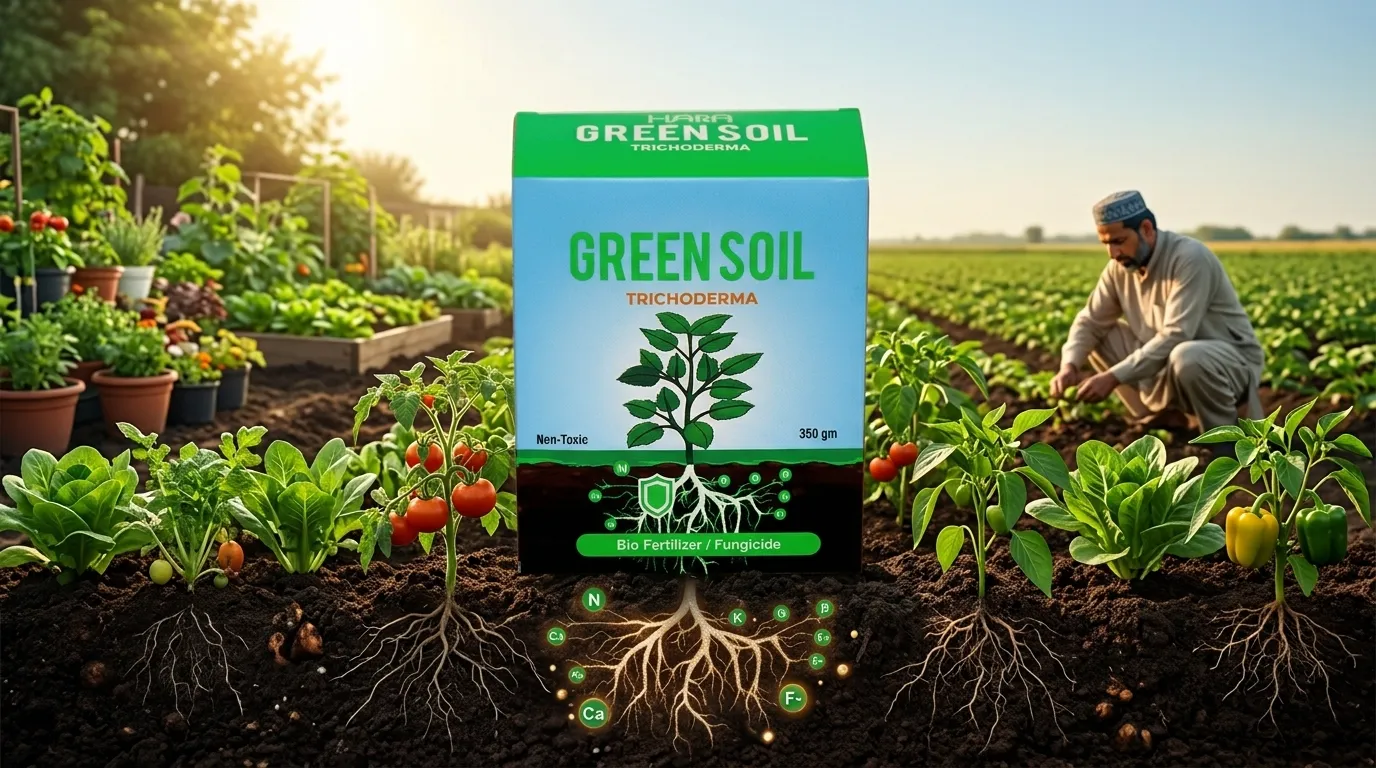
Roots are the most important but least visible part of gardening. Most rooftop failures actually start underground. Hara Neem cake improves soil microbial balance and helps suppress harmful soil organisms. In container systems, this becomes even more important because soil is reused or recycled often.

Common Problems in Rooftop Gardening


Problem

Possible Cause

Yellow leaves

Nutrient deficiency

Slow growth

Weak or compact soil

Root rot

Excess watering

Flower drop

Heat stress or nutritional imbalance

Insect attack

Poor airflow + lack of monitoring

Final Result (If Managed Properly)

When rooftop gardening is managed correctly, results become highly rewarding and consistent. Plants show:

  • Strong vegetative growth
  • Better flowering rate
  • Higher fruit retention
  • Improved taste and quality
  • Reduced pest pressure naturally

Final Insight (Expert-Level Understanding)

Rooftop gardening is not about following steps blindly. It is about observing how plants respond to heat, water, and nutrition in a controlled environment.

Once you start understanding these responses, you stop “doing gardening” and start managing a living system, and that is where real productivity begins.

Latest Posts