

Green‑Soil – Complete Trichoderma Bio‑Fungicide & Soil Health Guide

Healthy soil is the foundation of successful farming. While many growers focus on fertilizers, irrigation, and crop management above the ground, some of the most serious crop problems begin below the soil surface. Weak root systems, soil-borne fungal diseases, poor nutrient availability, and declining microbial activity can significantly reduce plant growth and yield potential.
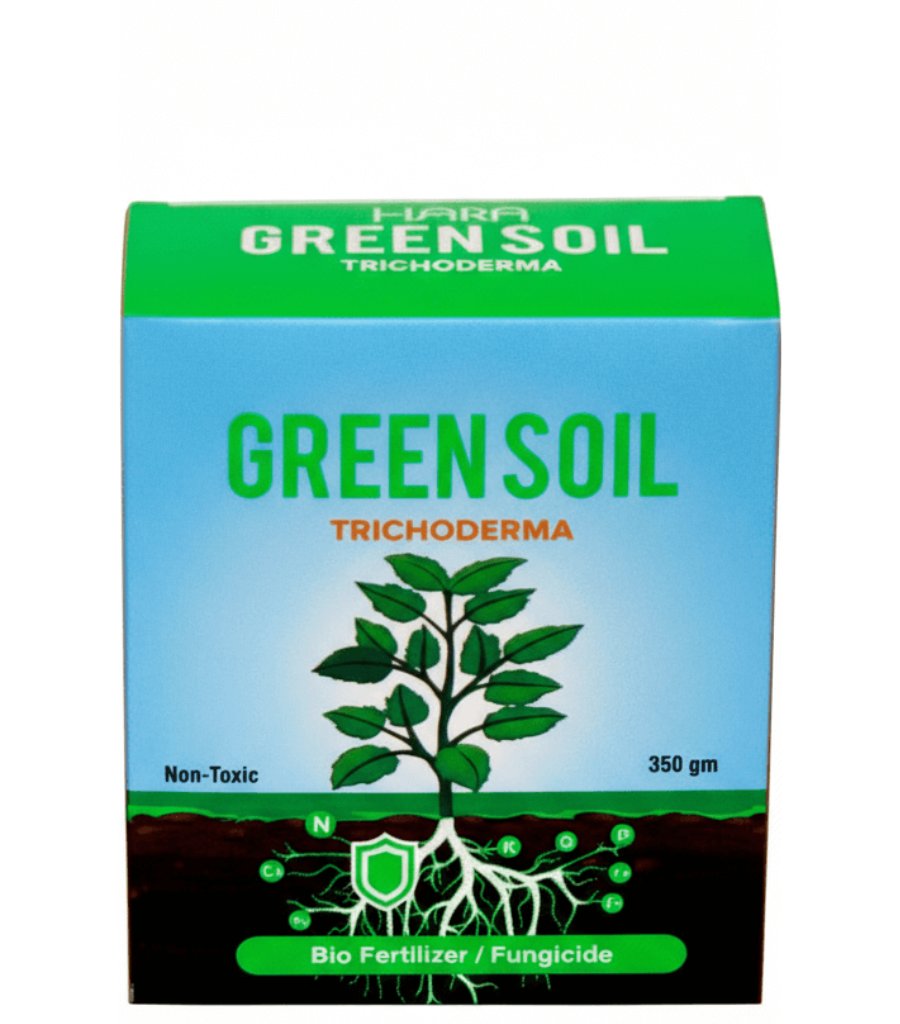
This Green Soil Guide explains how biological soil management can improve root health, strengthen plant development, and support sustainable crop production. Green Soil is an advanced biological product formulated with Trichoderma Bio Fungicide technology using Trichoderma harzianum strain G8. It works by restoring biological balance in the soil and creating a healthier environment for root development.
Unlike conventional fungicides that focus only on pathogen suppression, Green Soil provides complete Soil Health Improvement by enhancing beneficial microbial activity, improving nutrient availability, and supporting stronger root systems. This biological approach helps crops perform better under both disease pressure and environmental stress.
Today, farmers increasingly use Green Soil as an Organic Soil Conditioner because it improves soil fertility, protects roots, and supports long-term agricultural sustainability. Whether used in field crops, vegetables, orchards, or nurseries, it provides an effective solution for Root Disease Control and overall soil regeneration.
Why Soil Health Is Critical for Crop Success
Every crop depends on healthy roots to absorb water, nutrients, and oxygen from the soil. When soil biology becomes unbalanced, plants often struggle even when fertilizers and irrigation are applied correctly.
Poor soil health can lead to:
- Weak root development
- Reduced nutrient uptake
- Increased disease pressure
- Lower drought tolerance
- Poor plant growth
- Reduced crop yields
Maintaining healthy soil biology is essential for sustainable and profitable farming.
What Is Green Soil?
Green Soil is a biological soil health enhancer and Trichoderma biofungicide designed to improve root zone activity and protect crops from harmful soil-borne pathogens.
Its active ingredient, Trichoderma harzianum strain G8, is a beneficial fungus that naturally colonizes plant roots and competes with disease-causing organisms. As it establishes itself around the root system, it creates a protective biological barrier that helps prevent pathogen attacks while improving nutrient absorption.
Unlike synthetic soil treatments, Green Soil supports the natural ecosystem within the soil, making it an effective solution for both crop protection and soil regeneration.
Why Soil-Borne Diseases Continue to Increase
Many soil-related crop problems become worse over time due to continuous cultivation and excessive chemical use.
Several factors contribute to increasing soil disease pressure:
Declining Soil Biology
Repeated use of chemicals often reduces populations of beneficial microorganisms that naturally suppress pathogens.
Pathogen Build-Up
Continuous cropping allows harmful fungi and disease organisms to accumulate in the soil.
Poor Root Development
Compacted soils and low biological activity reduce root growth and nutrient absorption.
Reduced Soil Fertility
Healthy microbial activity is essential for nutrient cycling and soil productivity.
As beneficial organisms decline, harmful pathogens often become more dominant, increasing disease pressure and reducing crop performance.
Limitations of Synthetic Soil Fungicides
Chemical fungicides may provide temporary disease suppression, but they often fail to improve overall soil health.
Destruction of Beneficial Microorganisms
Many fungicides kill both harmful and beneficial organisms, reducing soil biodiversity.
Pathogen Resistance Development
Repeated chemical use can encourage pathogen adaptation, making future disease control more difficult.
Reduced Root and Microbial Symbiosis
Healthy relationships between roots and beneficial microorganisms are often disrupted by excessive chemical applications.
No Improvement in Soil Structure
Chemical fungicides focus on disease suppression but do not improve soil quality, fertility, or biological activity.
Increasing Production Costs
Frequent applications increase production expenses without addressing the underlying causes of soil health decline.
This is why biological solutions such as Trichoderma Bio Fungicide products are becoming increasingly important in modern agriculture.
The Biological Soil Protection Philosophy Behind Green Soil
Green Soil is built on the principle of biological competition and soil regeneration. Rather than attempting to eliminate all microorganisms, it introduces beneficial fungi that naturally compete with harmful pathogens for space and resources. This biological approach helps:
- Improve root health
- Enhance nutrient cycling
- Support beneficial microbial populations
- Increase plant resilience
- Improve long-term soil productivity
The result is a more balanced and sustainable soil ecosystem.
Trichoderma harzianum (Strain G8) and Its Role in Soil Health
The effectiveness of Green Soil comes from Trichoderma harzianum strain G8, one of the most widely studied beneficial fungi used in agriculture.
Root Colonization
After application, Trichoderma colonizes the root zone and forms a protective biological shield around roots.
This barrier helps reduce pathogen attacks and supports healthy root development.
Nutrient Solubilization
Trichoderma helps convert certain nutrients into forms that are easier for plants to absorb.
Improved nutrient availability contributes to healthier growth and stronger crop performance.
Biological Disease Suppression
The fungus competes directly with harmful pathogens, reducing their ability to infect plant roots.
Systemic Resistance Induction
Trichoderma helps stimulate natural plant defense mechanisms, allowing crops to respond more effectively to disease pressure.
Soil Microbial Balance
The introduction of beneficial fungi helps restore microbial diversity and improve overall soil biological activity.
How Green Soil Works in the Root Zone
Once introduced into the soil through broadcasting or irrigation systems, Green Soil begins establishing beneficial fungal populations around developing roots.
Its process includes:
- Germination of Trichoderma spores
- Root colonization
- Suppression of harmful fungi
- Improved nutrient availability
- Enhanced plant immunity
- Increased stress tolerance
As these biological processes develop, plants become healthier, stronger, and more productive.
Benefits of Green Soil for Soil Health Improvement
Stronger Root Systems
Healthy roots allow crops to absorb more nutrients and water efficiently.
Better Nutrient Uptake
Biological activity improves nutrient availability and utilization.
Enhanced Soil Fertility
Beneficial microorganisms contribute to healthier and more productive soils.
Improved Stress Tolerance
Plants become more resilient to drought, heat, and disease related stress.
Long Term Soil Regeneration
Continuous use helps rebuild biological activity and improve overall soil quality.
Recommended Crops and Use Conditions
Green Soil can be used across a wide range of agricultural systems.
Field Crops
- Wheat
- Rice
- Maize
- Cotton
Vegetable Crops
- Tomato
- Potato
- Onion
- Chili
Fruit Orchards
- Mango
- Guava
- Citrus
- Olive
Best Application Stage
The most effective time for application is during early crop establishment when roots are actively developing.
Early application allows Trichoderma to establish strong populations before disease pressure increases.
Soil and Root Problems Addressed by Green Soil
Root Rot and Damping Off
Green Soil helps suppress soil borne fungal pathogens that cause root diseases and seedling losses.
Weak Root Systems
Enhanced root growth improves plant stability and nutrient absorption.
Nutrient Lock Up
Biological activity improves nutrient availability and reduces nutrient fixation problems.
Drought Sensitivity
Stronger roots improve water absorption and help plants tolerate dry conditions.
Poor Soil Biology
Beneficial fungi help restore microbial diversity and improve biological balance.
Stress Prone Crops
Green Soil supports stronger plant defenses against environmental and disease related stress.
Organic Status and Environmental Safety
Green Soil is an environmentally responsible biological solution suitable for sustainable agriculture.
It is:
- Biological and eco friendly
- Safe for plants and soil organisms
- Safe for humans and animals
- Residue free
- Compatible with organic farming
- Suitable for integrated farming systems
- Effective for long term soil regeneration
Its use supports healthier soils while reducing dependence on synthetic fungicides.
Product Information
Specification | Details |
Product Type | Trichoderma Bio Fungicide |
Active Ingredient | Trichoderma harzianum Strain G8 |
Pack Size | 350 g |
Availability | On Booking |
Delivery | Nationwide via Transport (Bility) |
Storage | Cool and Dry Place Away from Direct Sunlight |
Conclusion
This Green Soil Guide demonstrates how biological soil management can transform crop performance by improving root health, restoring microbial balance, and enhancing nutrient availability. Powered by Trichoderma Bio Fungicide technology, Green Soil provides effective Root Disease Control while supporting long term Soil Health Improvement.
As an advanced Organic Soil Conditioner, it strengthens root systems, improves plant resilience, and promotes sustainable agricultural productivity. Whether used in field crops, vegetables, orchards, or nurseries, Green Soil offers a practical and environmentally responsible solution for modern farming.
For growers seeking healthier roots, stronger crops, and long term soil regeneration, Green Soil is an essential tool for sustainable agriculture.
For expert guidance and organic farming solutions, contact Hara Organic Pakistan.
INGREDIENTS : Trichoderma harzianum (Strain G8) & Its Role in Soil and Plant Health
Forms a protective biological shield around roots, preventing pathogen attack.
Releases locked nutrients such as phosphorus, iron, and magnesium, improving plant uptake.
Suppresses soil‑borne pathogens through competition and enzyme secretion.
Activates plant defense responses against diseases, drought, and temperature stress.
Encourages beneficial microbial populations and improves soil biodiversity.
How Green‑Soil Works in the Root Zone
-
Introduced into soil through broadcasting or irrigation
-
Trichoderma spores germinate and colonize roots
-
Beneficial fungi suppress harmful pathogens
-
Nutrients are solubilized and absorbed
-
Plant immunity and stress tolerance increase
Introduced into soil through broadcasting or irrigation
Trichoderma spores germinate and colonize roots
Beneficial fungi suppress harmful pathogens
Nutrients are solubilized and absorbed
Plant immunity and stress tolerance increase
The result is healthier roots, stronger plants, and improved yields.
Recommended Crops & Use Conditions
Field Crops: Wheat, Rice, Maize, Cotton
Vegetables: Tomato, Potato, Onion, Chili
Fruit Orchards: Mango, Guava, Citrus, Olive
Best Stage: Early crop establishment when roots are actively growing
Soil & Root Problems Addressed by Green‑Soil
Root Rot & Damping‑Off
Reduces soil‑borne fungal infections.
Weak Root Systems
Enhances root growth and surface area.
Nutrient Lock‑Up
Improves availability of essential minerals.

Drought Sensitivity
Strengthens roots for better water uptake.
Poor Soil Biology
Restores beneficial microbial balance.

Stress‑Prone Crops
Improves resistance to heat and disease stress.
Organic Status & Environmental Safety
- Biological and eco‑friendly
- Safe for soil organisms, plants, and humans
- No chemical residues
- Compatible with organic and integrated farming systems
- Promotes long‑term soil regeneration
How Hara Bio Khad Works at Soil & Plant Level
- Pack Size: 350 g
- Availability: On booking
- Delivery: Nationwide via transport (bility)
- Storage: Cool, dry place away from direct sunlight
Frequently Asked Questions
No. It is a biological fungicide based on beneficial fungi.
No. Chemical fungicides can kill Trichoderma and reduce effectiveness.
Yes. It leaves no harmful residues.
Once established, Trichoderma remains active and multiplies naturally.

How to Apply Hara Green Soil for Best Results
Field Crops: Wheat, Rice, Maize, Cotton
Vegetables: Tomato, Potato, Onion, Chili
Fruit Orchards: Mango, Guava, Citrus, Olive
PACKAGING & DELIVERY
- Pack Size: 350 g
- Availability: On booking
- Delivery: Nationwide via transport (bility)
- Storage: Cool, dry place away from direct sunlight
