

Organic Tomato Farming Plan (Pakistan)

Tomatoes (Solanum lycopersicum) are among the most widely cultivated vegetable crops in Pakistan. The growing demand for chemical-free vegetables has increased interest in organic tomato production among farmers and home growers. The Tomato Organic Growth Guide focuses on sustainable farming practices that improve soil health, fruit quality, and long-term productivity without relying on synthetic fertilizers or pesticides.
Organic tomato farming uses biofertilizers, compost, beneficial microbes, and natural plant protection methods to produce healthy and flavorful tomatoes for local and export markets.
Key Highlights
- Crop Type: Vegetable
- Soil: Loamy to sandy-loam, well-drained, pH 6.0–6.8
- Climate: Warm and sunny, ideal temperature 20–30°C
- Growing Seasons: February–June and August–November
- Planting Method: Nursery-raised seedlings transplanted into the field
Soil and Climate Requirements
Successful organic tomato production starts with selecting suitable soil and climate conditions. Tomatoes perform best in fertile, well-drained soils rich in organic matter. Excess water or poorly drained soils can increase disease problems and reduce plant vigor.
Warm temperatures, adequate sunlight, and proper air circulation help promote healthy growth, flowering, and fruit development.
Nursery Management
Healthy seedlings are the foundation of a productive tomato crop. Seedlings should be raised in a clean nursery using organic growing media enriched with compost and beneficial microbes.
Strong nursery plants establish quickly after transplanting and are generally more resistant to environmental stress and disease pressure.
Benefits of Healthy Seedlings
- Better root development
- Improved plant establishment
- Higher survival rates
- Stronger crop growth
Land Preparation and Transplanting
Before transplanting, the field should be prepared with organic matter such as compost and well-decomposed farmyard manure. Proper land preparation improves soil structure and enhances nutrient availability.
Seedlings should be transplanted when they are healthy and well-established. Adequate spacing between plants improves air circulation and supports healthy crop growth.
Organic Nutrition Management
Balanced nutrition is essential for strong vegetative growth, flowering, and fruit production. Organic farming focuses on building soil fertility through natural nutrient sources.
Common organic inputs include:
- Compost
- Farmyard manure
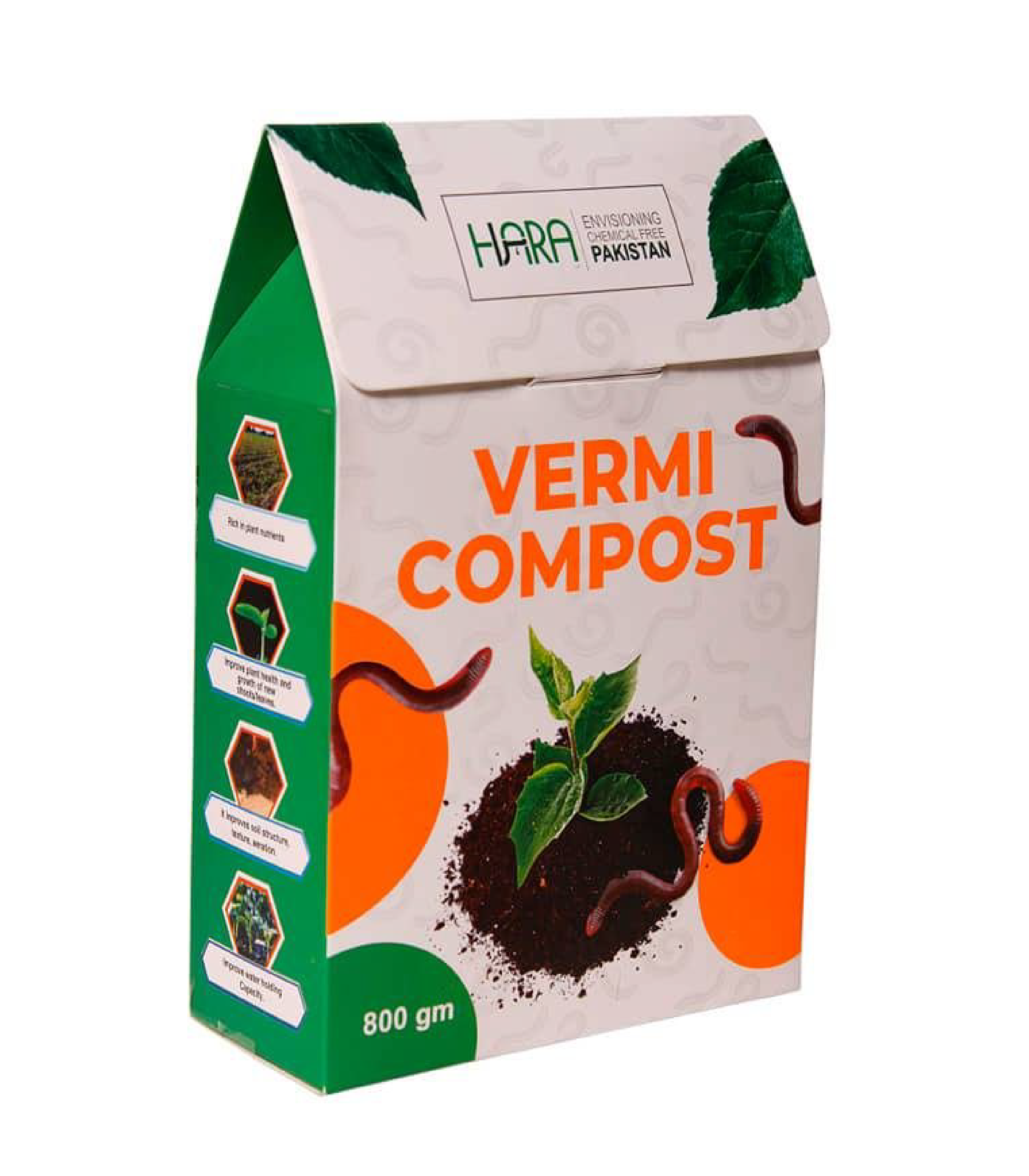
- Vermicompost
- Biofertilizers
- Beneficial microbial inoculants
Benefits of Organic Nutrition
- Improves soil fertility
- Enhances nutrient availability
- Supports root growth
- Improves fruit quality
- Increases biological activity in soil
Irrigation Management
Tomatoes require regular and balanced irrigation throughout the growing season. Proper moisture management supports plant growth and fruit development while reducing stress.
Over-irrigation should be avoided because excessive moisture may increase disease incidence and affect root health.
Advantages of Proper Irrigation
- Better fruit development
- Improved nutrient uptake
- Reduced plant stress
- Higher productivity
Organic Plant Protection
Organic tomato farming relies on preventive management and natural crop protection methods. Healthy soils and balanced nutrition help plants resist pests and diseases more effectively.
Natural plant protection practices support sustainable production while minimizing environmental impact.
Benefits of Organic Protection
- Reduced chemical residues
- Improved plant health
- Better environmental sustainability
- Enhanced crop quality
Flowering and Fruit Development
Flowering and fruit formation are critical stages in tomato production. During this period, plants require adequate nutrition, moisture, and proper crop care.
Healthy plants produce better fruit set, improved fruit size, and higher overall yields.
Harvesting
Tomatoes should be harvested at the appropriate maturity stage depending on market requirements. Careful harvesting helps maintain fruit quality and reduce post-harvest losses.
Proper handling and storage practices contribute to longer shelf life and better market value.
Conclusion
This Tomato Organic Growth Guide provides a practical approach to sustainable tomato production using organic farming principles. By focusing on healthy soils, quality seedlings, balanced nutrition, efficient irrigation, and natural crop protection, growers can improve productivity while producing safe and high-quality tomatoes. Organic tomato farming supports long-term soil health, environmental sustainability, and profitable vegetable production.

Step 1: Seed Selection
Choose non-GMO, disease-resistant tomato varieties for true organic certification.
Ensure seeds are untreated and certified for organic production.
Example varieties: Rio Grande, Roma, Money Maker (adapted to local climate).
Step 2: Nursery Preparation
Prepare seedling trays or beds using organic soil mix:
50% vermicompost (20–30 bags for nursery area depending on size)
30% garden soil
20% sand for drainage
Avoid synthetic fertilizers or chemicals.
Step 3: Seed Sowing
Sow seeds 0.5–1 cm deep in nursery beds or trays.
Water gently with misting spray.
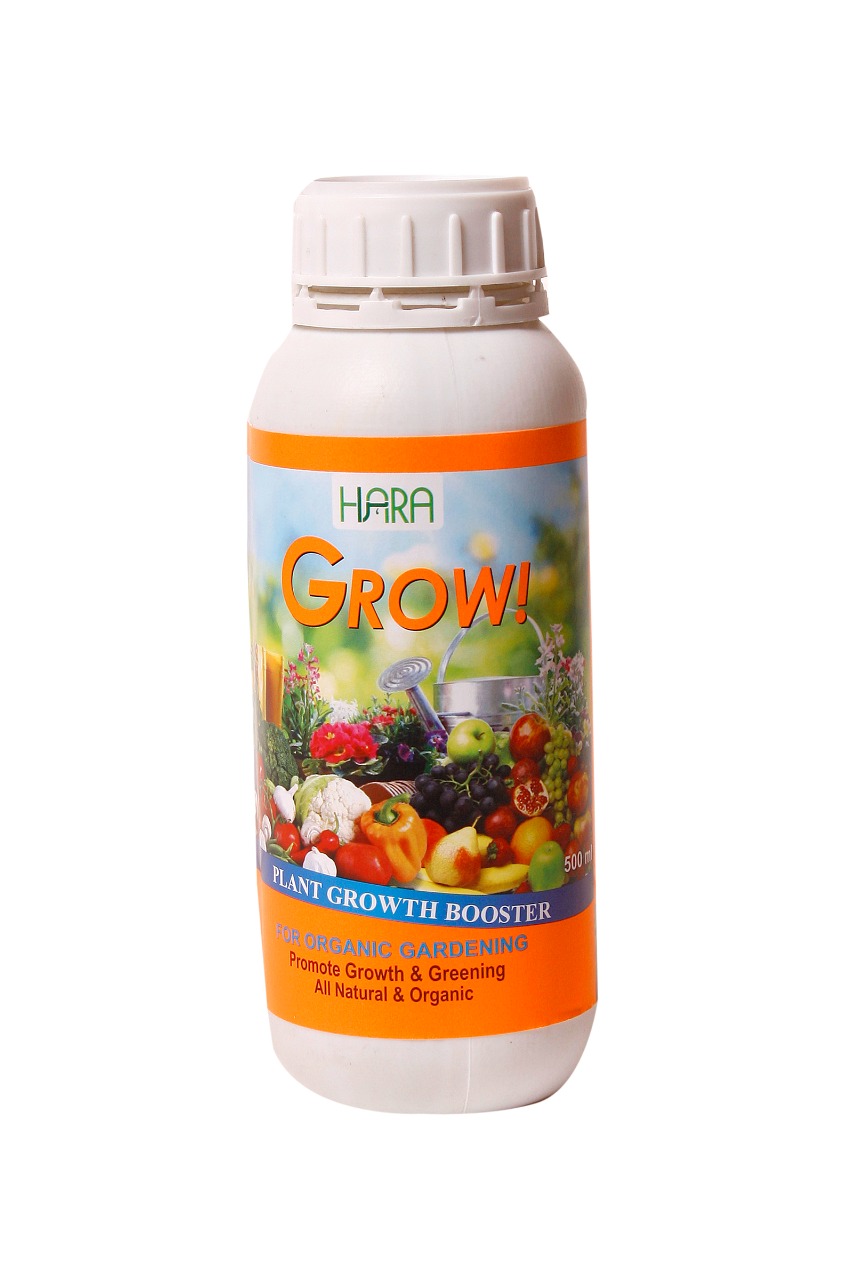
Apply Grow Spray to enhance germination and early growth.
Maintain 25–28°C temperature and 70–80% humidity.
Germination usually occurs in 6–10 days.
Step 4: Seedling Care
Water seedlings daily, avoiding waterlogging.
Provide indirect sunlight initially, then gradually increase exposure.
Apply Grow Spray as foliar feed 2–3 times during nursery stage.
Thin weak seedlings to keep strong ones.
Step 5: Land Preparation
Select well-drained, sunny fields.
Incorporate vermicompost and Bio Phos into soil:
Vermicompost: 2–3 tons/acre
Bio Phos: 2 bags/acre
Level the soil and create raised beds (6–8 inches).
Step 6: Transplanting
Transplant seedlings at 25–30 days old, with 4–5 true leaves.
Spacing: 2–3 ft between plants, 3–4 ft between rows.
Apply biofertilizer (1–2 bags/month per acre) starting after roots establish.
Water immediately after transplanting.
Step 7: Irrigation
Use drip irrigation if possible; otherwise, irrigate 2–3 times per week.
Avoid overhead watering during hot hours to reduce disease risk.
Pests and diseases in organic tomato farming are controlled mainly through prevention and plant strength, not chemicals.
Use non-GMO, disease-resistant tomato varieties.
Maintain healthy soil and balanced organic nutrition, as strong plants attract fewer insects.
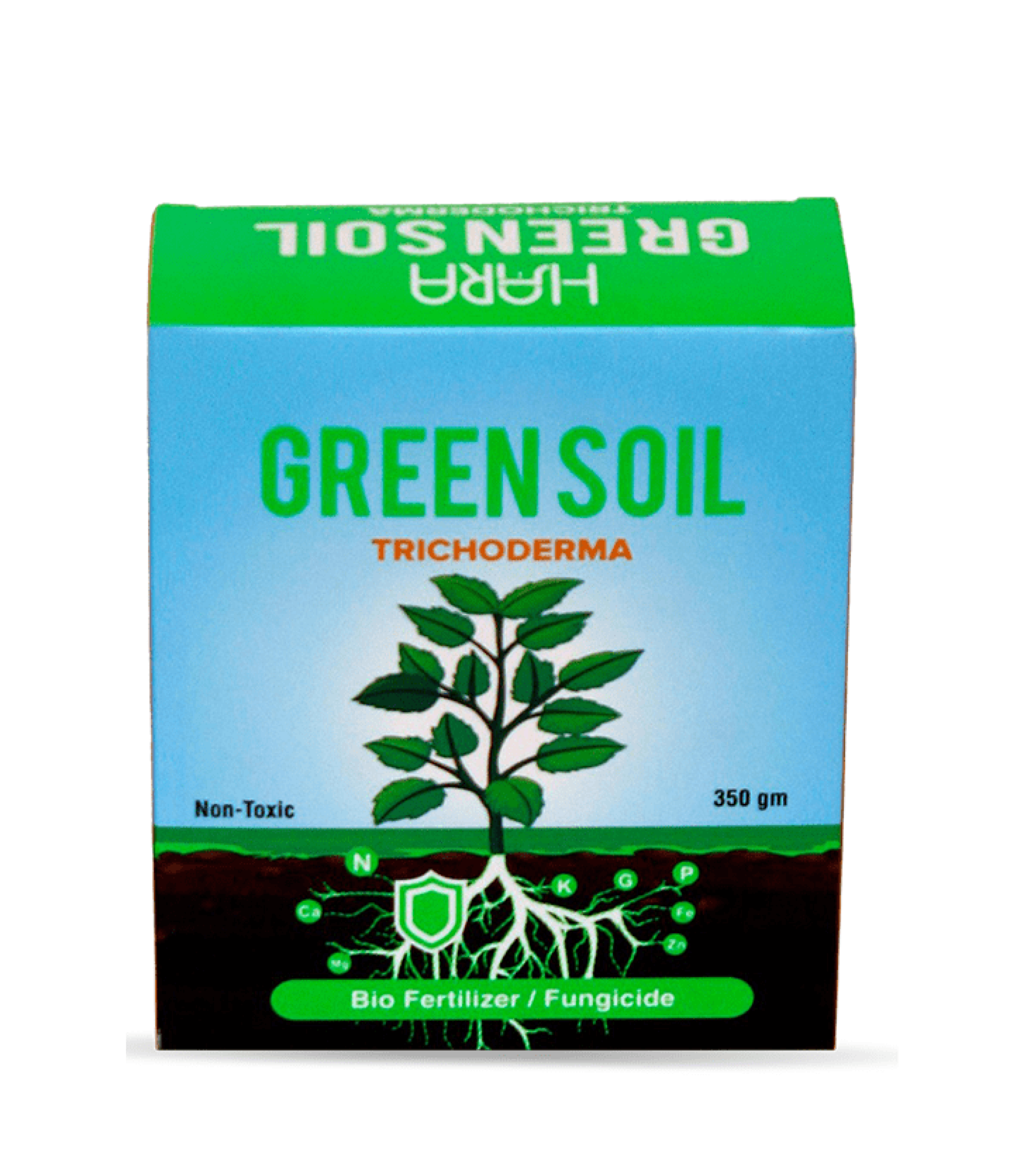
Apply Green Soil (Trichoderma) once every month through flood irrigation to protect roots from soil-borne diseases.
Spray Neem Oil regularly as a preventive measure to control sucking pests and reduce disease pressure.
Apply Blue Power before flowering on a regular basis to strengthen plant immunity with copper and zinc.
Install yellow sticky traps from the start, especially in areas with high pest pressure.
Remove infected leaves and maintain proper spacing and airflow.
When these organic practices are followed consistently, pest and disease issues remain low in organic tomato farming without the need for chemical pesticides.
Pests and diseases in organic tomato farming are controlled mainly through prevention and plant strength, not chemicals.
Use non-GMO, disease-resistant tomato varieties.
Maintain healthy soil and balanced organic nutrition, as strong plants attract fewer insects.
Apply Green Soil (Trichoderma) once every month through flood irrigation to protect roots from soil-borne diseases.
Spray Neem Oil regularly as a preventive measure to control sucking pests and reduce disease pressure.
Apply Blue Power before flowering on a regular basis to strengthen plant immunity with copper and zinc.
Install yellow sticky traps from the start, especially in areas with high pest pressure.
Remove infected leaves and maintain proper spacing and airflow.
When these organic practices are followed consistently, pest and disease issues remain low in organic tomato farming without the need for chemical pesticides.
Organic Tomato Fertilizer Schedule (Hara Pakistan – PGS Standard)
| Growth Stage | Crop Age / Timing | Hara Organic Input | Application Method | Recommended Dose & Purpose |
|---|---|---|---|---|
| Land Preparation | Before sowing | Vermicompost + Bio Phos | Soil incorporation | Vermicompost: 10–15 bags/acre Bio Phos: 2 bags/acre Builds fertile, living soil |
| Nursery Stage | 0–25 days | Grow Spray | Foliar spray | Light spray, 2–3 times Strong seedlings & uniform growth |
| Transplanting Stage | 25–30 days | Green Soil (Trichoderma) | Soil & root treatment (flood/drench) | 2 packs/acre Protects roots from soil diseases |
| Vegetative Growth | 30–50 days | Blue Power Grow Spray Bio Khad | Foliar Foliar Soil (chatta) | Blue Power: 1 L/acre Grow Spray: 1 L/acre Bio Khad: 1–2 bags/month Healthy plant & leaf growth |
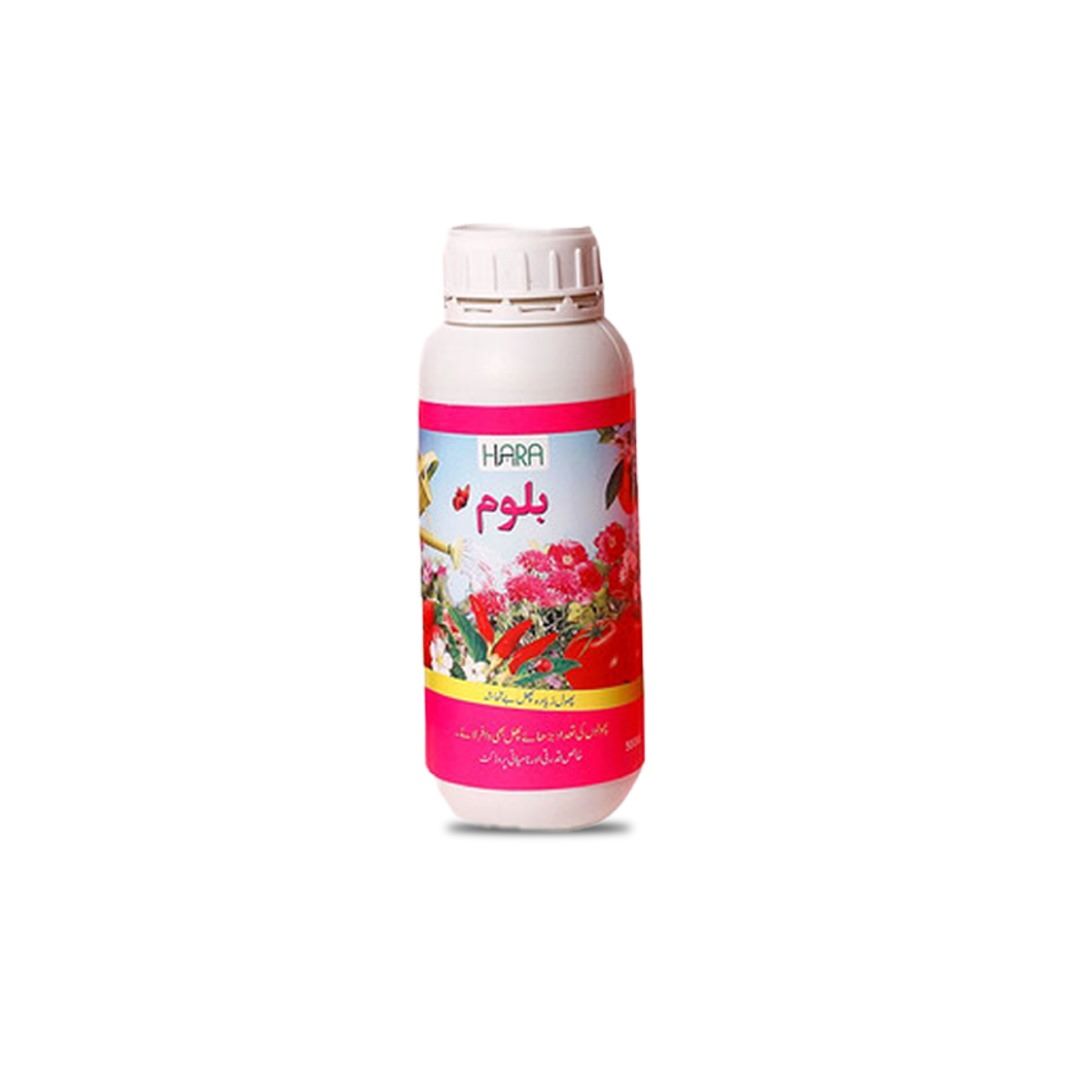
| Flowering Stage | 50–70 days | Seaweed Extract Bloom Bio Phos / Bio Khad | Foliar Foliar Soil | Seaweed: 100 g/acre Bloom: 1 L/acre Bio Phos/Khad: 1 + 1 bag/acre Better flowering & fruit set |
| Fruit Setting Stage | 70–90 days | Seaweed Extract + Bloom Agriculture Probiotics | Foliar + soil | Seaweed: 100 g/acre Bloom: 1 L/acre Probiotics: 25 g/acre Improves fruit size & quality |
| Maturation Stage | 90–120 days | Seaweed Extract + Bloom Agriculture Probiotics | Foliar spray | Seaweed: 100 g/acre Bloom: 1 L/acre Probiotics: 25 g/acre Better color, taste & shelf life |
| Disease / Pest | Common Symptoms | Hara Organic Solution | Application Method | Correct Dose & Purpose |
|---|---|---|---|---|
| Early Blight | Dark brown spots on older leaves | Green Soil (Trichoderma) + Hara Neem Oil | Soil drench + foliar spray | Green Soil: 2 packs/acre (soil drench / flood) Neem Oil: 500 ml in 100 L water Controls fungal disease naturally |
| Late Blight | Water-soaked lesions, leaf burning | Hara Neem Oil + Blue Power | Foliar spray | Neem Oil: 500 ml / 100 L water Blue Power: 1 L/acre Blue Power supplies copper & zinc sulphate (citric chelated) |
| Fusarium Wilt | Yellowing, sudden wilting | Green Soil (Trichoderma) | Soil application / flood | 2 packs per acre Protects roots from soil-borne fungi |
| Whitefly | Yellow leaves, sticky honeydew | Yellow Sticky Traps + Hara Neem Oil | Trap + foliar spray | Sticky Traps: 60 sheets/acre Neem Oil: 500 ml / 100 L water Effective against sucking pests |
| Aphids | Leaf curling, weak plants | Hara Neem Oil | Foliar spray | 500 ml / 100 L water Stops sap-sucking insects organically |
| Spider Mites | Leaf bronzing, stress symptoms | Hara Neem Oil + Grow Spray | Foliar spray | Neem Oil: 500 ml / 100 L water Grow Spray: 2 L/acre Reduces mite damage & plant stress |
| Fruit Borer | Holes inside fruits | Bacillus thuringiensis (Bt) | Foliar spray | 50 g/acre Kills larvae without harming beneficial insects |
Important Organic Farming Note
In organic tomato farming, healthy soil and balanced nutrition naturally reduce insect and disease pressure.
Strong plants attract fewer pests.
If you apply Green Soil (Trichoderma) once every month through flood irrigation and use Neem Oil as a preventive spray, most fungal and insect problems do not appear.
Before flowering, apply Blue Power regularly.
Blue Power supplies chelated copper and zinc, which strengthens plant immunity and helps prevent fungal diseases.
In areas with high pest infestation, install yellow sticky traps from the start of the crop.
Early monitoring keeps pest populations under control without chemicals.
