


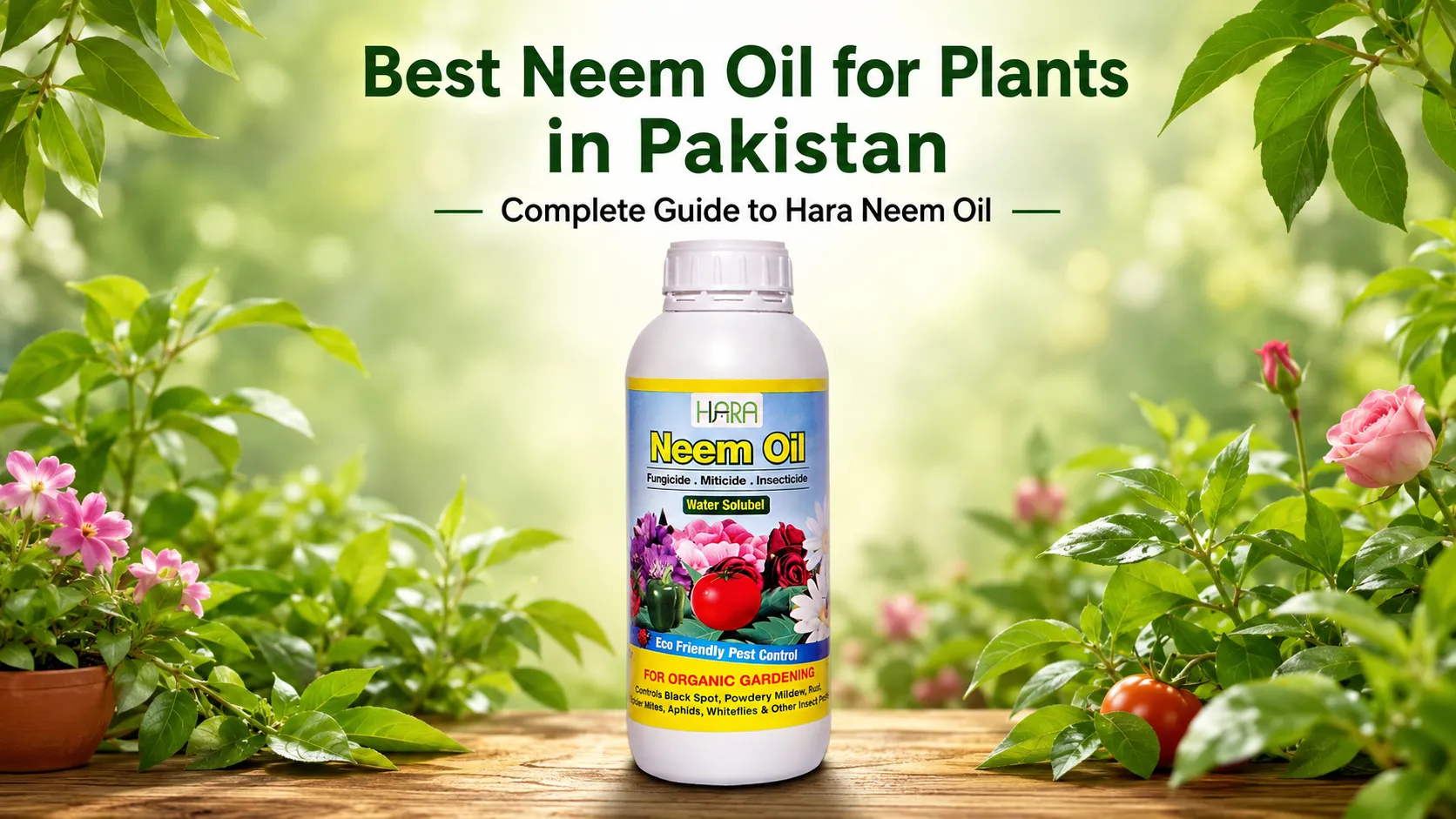
If you are searching for the best neem oil for plants in Pakistan, Hara Neem Oil is a natural pest control solution that helps protect vegetables, fruit trees, flowers, indoor plants, and field crops from many common insects.
It works by disrupting the life cycle of harmful pests while being a better choice for gardeners and farmers who want an environmentally responsible approach to plant care. When used correctly, it supports healthier growth without relying heavily on synthetic pesticides.
Why Neem Oil Is Becoming Popular in Pakistan
Across Pakistan, more farmers and home gardeners are choosing organic gardening products instead of depending only on chemical pesticides. Rising concerns about pesticide residues, soil health, beneficial insects, and sustainable farming have encouraged growers to look for natural alternatives.
Neem oil has become one of the most trusted organic solutions because it offers broad pest management while supporting healthier farming practices. Whether you have a small kitchen garden in Karachi, a terrace garden in Lahore, a citrus orchard in Sargodha, or vegetable fields in Punjab and Sindh, neem oil can play an important role in protecting crops from damaging insects.
Among the available options, Hara Neem Oil is developed to help Pakistani growers manage common pest problems while supporting healthier plant growth.
What Is Hara Neem Oil?
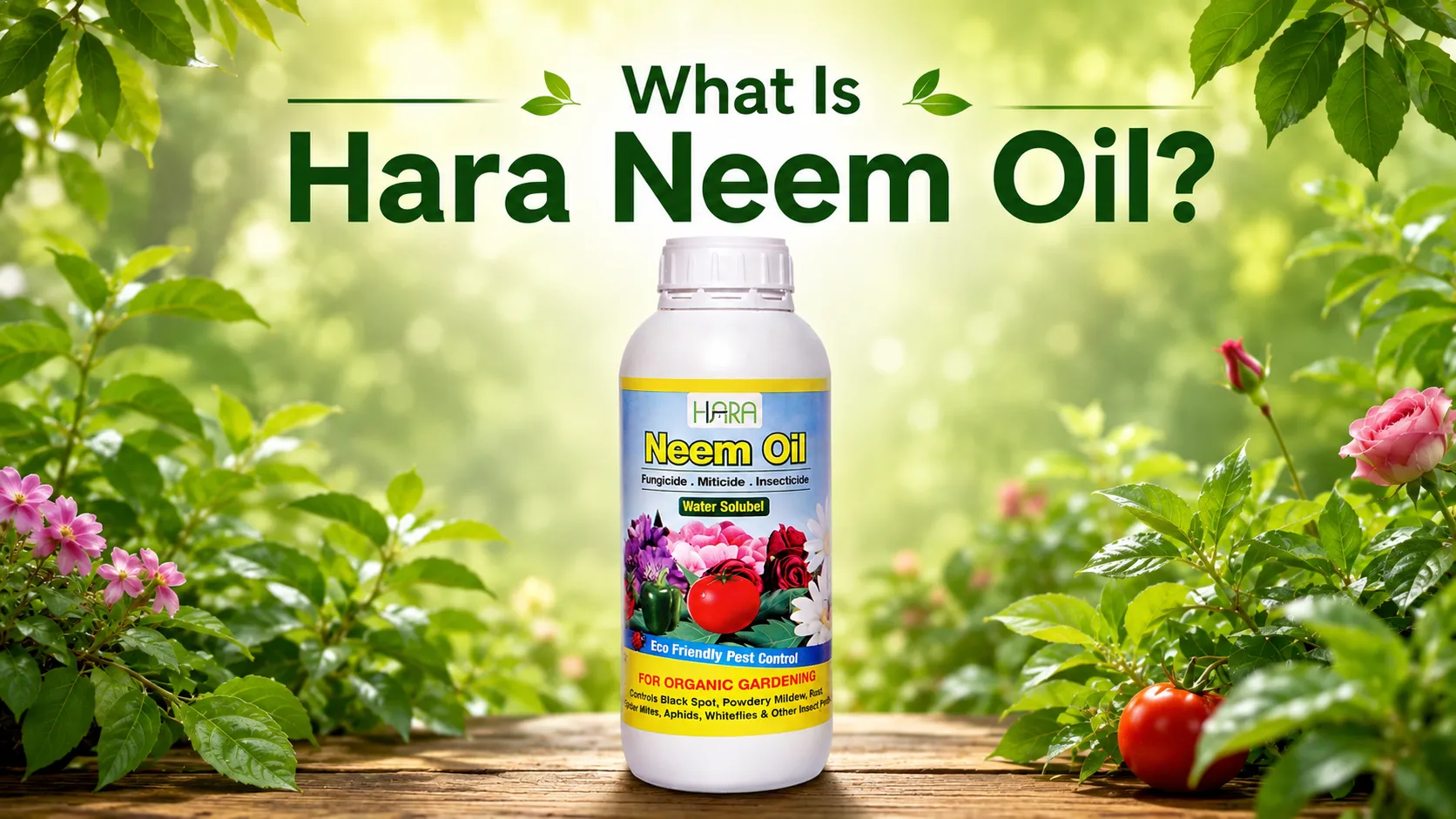
Hara Neem Oil is a natural plant protection product made from neem seeds. It belongs to the category of organic pest control products and is widely used by farmers, nursery owners, and home gardeners to manage insect populations without making routine chemical spraying the first choice.
The active compounds naturally found in neem interfere with the feeding, breeding, and development of many insects. Instead of acting as an instant knockdown poison, neem oil gradually reduces pest populations by disrupting their life cycle. This makes it an excellent option for integrated pest management programs.
Because of its plant-based origin, neem oil has earned the trust of gardeners who want a more sustainable solution for vegetables, flowers, herbs, ornamental plants, and fruit trees.
How Does Hara Neem Oil Work?
Many insects damage plants by feeding on leaves, stems, flowers, and young fruits. Hara Neem Oil forms a protective layer on plant surfaces while its natural compounds affect insects in several ways.
After coming into contact with treated plants, many pests reduce feeding activity, experience difficulty growing into adulthood, and produce fewer offspring. Over time, repeated applications help lower pest pressure throughout the growing season.
Unlike many conventional insecticides that focus only on killing insects immediately, neem oil works by interrupting the biological processes that allow pest populations to increase. This approach makes it valuable for long-term crop management when used according to recommended practices.
Why Pakistani Farmers and Gardeners Choose Hara Neem Oil?
Pakistan’s climate allows insects to remain active for much of the year. Warm temperatures and seasonal humidity often create favorable conditions for aphids, whiteflies, mealybugs, mites, caterpillars, and other destructive pests.
Hara Neem Oil offers growers a practical solution because it can be used on many different crops and ornamental plants. It is suitable for commercial farms as well as small household gardens.
Many users prefer neem oil because it supports environmentally responsible gardening practices while helping reduce unnecessary dependence on synthetic pesticides. When combined with proper irrigation, balanced nutrition, and regular crop monitoring, neem oil becomes an effective part of a complete plant health program.
Key Benefits of Hara Neem Oil
Hara Neem Oil offers advantages for both commercial agriculture and home gardening across Pakistan. It helps reduce populations of many common plant pests before they become severe infestations. Healthy leaves are better able to perform photosynthesis, allowing plants to grow more vigorously and produce stronger flowers and fruits.
Vegetable growers often use neem oil to protect tomatoes, chillies, okra, cucumbers, bitter gourd, bottle gourd, brinjal, spinach, coriander, and other seasonal vegetables. Orchard owners apply it to mango, citrus, guava, pomegranate, and lemon trees as part of routine pest management.
Flower growers appreciate neem oil because it helps protect roses, jasmine, hibiscus, marigold, and ornamental plants without making heavy chemical spraying a regular requirement.
Indoor plant owners also benefit from neem oil when dealing with pests that commonly affect money plants, snake plants, peace lilies, pothos, monstera, rubber plants, and other decorative houseplants.
Which Plant Problems Can Hara Neem Oil Help Manage?
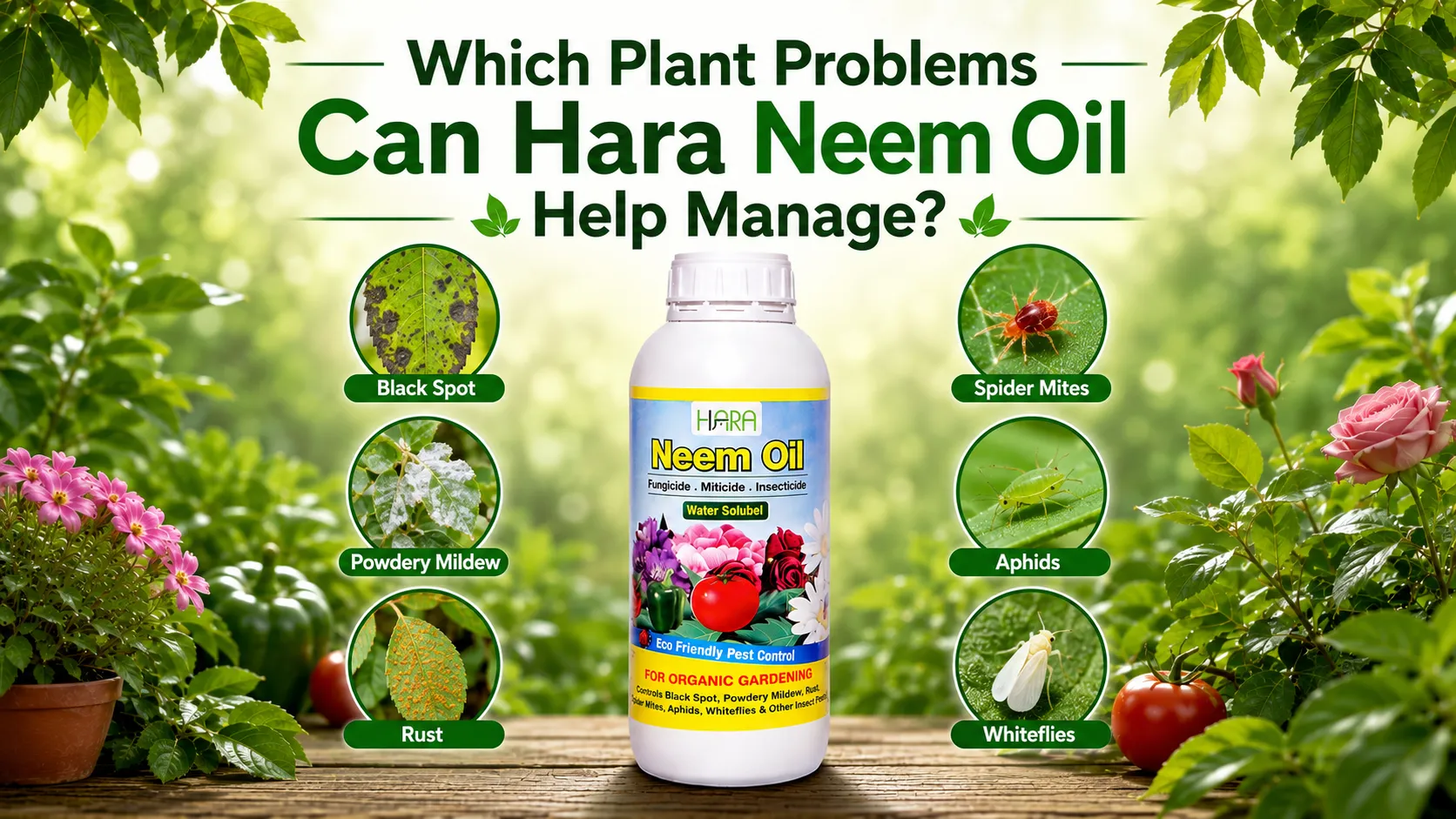
One of the reasons neem oil is widely recommended is its versatility. It can be used as part of a management program for several common plant pests found in Pakistan.
It is frequently used where growers observe aphids clustering on new shoots, whiteflies feeding beneath leaves, mealybugs attacking ornamental plants, spider mites damaging foliage during hot weather, scales on fruit trees, or young caterpillars feeding on vegetable crops.
Regular crop inspection remains important because neem oil performs best when applied during the early stages of pest activity rather than after a severe infestation has already developed.
Which Crops Can Benefit from Hara Neem Oil?
Hara Neem Oil is suitable for a wide variety of plants commonly grown in Pakistan.
Plant Category | Common Examples | Why Neem Oil Is Used |
Vegetables, Fruit Trees, Flowers, Herbs & Ornamentals | Tomato, Chilli, Okra, Brinjal, Mango, Citrus, Guava, Rose, Hibiscus, Mint, Coriander | Helps manage common sucking and chewing insect pests while supporting healthier plant growth. |
Using Hara Neem Oil on Different Crops in Pakistan
One of the biggest advantages of Hara Neem Oil is its versatility. Whether you manage a commercial farm or a small kitchen garden, it can be incorporated into a regular crop care routine for many plants commonly grown across Pakistan.
Because different crops face different pest pressures, understanding where and when neem oil fits into your plant protection program helps achieve better results.
Vegetable Crops
Vegetables are among the most frequently attacked plants because their tender leaves and young shoots attract sucking and chewing insects. Aphids, whiteflies, thrips, mealybugs, and young caterpillars can reduce plant vigor and affect both yield and quality.
Hara Neem Oil is suitable for vegetables such as tomato, chilli, okra, brinjal, cucumber, bottle gourd, bitter gourd, pumpkin, spinach, coriander, cabbage, cauliflower, and beans. Applying neem oil during the early stages of pest activity helps prevent small infestations from becoming serious outbreaks.
Regular monitoring is especially important during warm and humid months when insect populations multiply rapidly. Spraying in the early morning or late afternoon allows better coverage while reducing stress on plants during hot weather.
Fruit Trees and Orchards
Fruit growers across Punjab, Sindh, Khyber Pakhtunkhwa, and Balochistan often face recurring pest problems throughout the growing season. Mango, citrus, guava, pomegranate, lemon, peach, and other fruit trees may attract aphids, scales, whiteflies, mites, and mealybugs.
Neem oil can be included as part of an integrated pest management strategy to help reduce pest pressure while encouraging healthier foliage. Young trees benefit from regular inspection because controlling pests early is easier than managing heavy infestations later in the season.
During flowering and fruit development, growers should always follow label directions and avoid unnecessary spraying when pollinators are highly active.
Field Crops
Although neem oil is widely associated with gardening, many commercial farmers also use it on selected field crops where pest management requires a more environmentally responsible approach.
Cotton, maize, pulses, oilseed crops, and certain cereal production systems may benefit from neem-based products as part of an integrated crop protection program. Instead of relying on repeated applications of conventional insecticides alone, farmers can combine cultural practices, field monitoring, and neem-based products to improve long-term pest management.
Flowering and Ornamental Plants
Ornamental plants often lose their beauty because of insects rather than diseases. Roses, hibiscus, jasmine, marigold, bougainvillea, petunia, and many flowering plants can suffer from aphids, mites, whiteflies, and mealybugs.
Hara Neem Oil helps protect leaves and flower buds from these common pests. Healthy foliage supports stronger flowering, making ornamental gardens look more attractive throughout the growing season.
Gardeners should spray thoroughly on both the upper and lower leaf surfaces because many insects hide underneath leaves where they are difficult to notice.
Herbs and Medicinal Plants
Fresh herbs are widely grown in Pakistani homes because they are used almost daily in cooking. Mint, coriander, basil, curry leaves, lemongrass, and other herbs can also attract insects that damage tender foliage.
Neem oil offers a natural option for protecting these plants as part of good gardening practices. Proper washing before consumption remains essential for all edible plants, regardless of the type of plant protection product used.
Home Gardening with Hara Neem Oil
Home gardening has become increasingly popular in Pakistan, especially in cities where families grow vegetables, herbs, and flowers in limited spaces. Even a few insect pests can quickly spread from one pot to another if left untreated.
Hara Neem Oil is suitable for small home gardens because it can be used on many different types of plants without needing separate products for every crop. Regular observation allows gardeners to identify problems early and respond before severe damage occurs.
Balcony gardens, terrace gardens, rooftop gardens, and backyard kitchen gardens can all benefit from routine plant inspections and timely neem oil applications when pests first appear.
Indoor Plants
Indoor plants create a pleasant environment, but they are not completely protected from insects. Mealybugs, spider mites, fungus gnats, and scales may still appear, especially where ventilation is poor or newly purchased plants introduce pests.
Before treating all indoor plants, it is a good practice to test neem oil on a small portion of one leaf and observe the plant for a short period. If no adverse effects appear, the remaining foliage can be treated according to the product instructions.
Cleaning dusty leaves before spraying also improves coverage and allows the product to reach hidden insects more effectively.
Nursery Plants
Nursery owners handle hundreds or even thousands of young plants, making pest prevention especially important. Small infestations can spread rapidly through closely spaced plants if routine monitoring is neglected.
Hara Neem Oil can become part of a preventive plant care program alongside sanitation, proper watering, and removal of heavily infested plant material. Maintaining healthy seedlings improves customer satisfaction and reduces losses caused by pest damage.
How to Apply Hara Neem Oil
Proper application is just as important as choosing the right product. Applying too late or using poor spraying techniques can reduce effectiveness.
For most gardening and farming situations, neem oil should be mixed according to the directions provided on the product label. The spray solution should be prepared fresh before use and applied evenly to all plant surfaces, especially the underside of leaves where many pests remain hidden.
Avoid spraying during the hottest part of the day because rapid evaporation may reduce coverage and increase the risk of temporary leaf stress. Early morning and late afternoon are generally better application periods under Pakistani weather conditions.
Consistent monitoring after spraying helps determine whether another application is needed as part of the pest management program.
General Application Guide
Plant Type | Application Method | Recommended Timing | Repeat When Needed |
Vegetables, Fruit Trees, Flowers, Indoor Plants, Lawns and Ornamentals | Foliar spray with complete leaf coverage, especially the underside | Early morning or late afternoon when temperatures are lower | Follow the product label based on pest pressure and crop stage |
Compatibility with Other Plant Care Products
Hara Neem Oil can often be used as part of a broader plant care program, but it should always be mixed carefully. Before combining it with fertilizers, micronutrients, fungicides, or other crop protection products, perform a small jar test to check for physical compatibility. If the mixture separates, forms clumps, or shows any unusual reaction, avoid using it.
Growers should also avoid mixing neem oil with highly alkaline products or products that specifically advise against oil-based tank mixes. When applying multiple products, always follow the manufacturer’s instructions and test on a few plants before treating an entire crop.
Best Practices for Using Hara Neem Oil
Following a few simple practices can significantly improve results while protecting plant health.
- Inspect plants regularly and treat pests at the first sign of infestation.
- Spray both the upper and lower surfaces of leaves for complete coverage.
- Apply during the early morning or late afternoon to reduce evaporation.
- Prepare only the amount of spray solution needed for immediate use.
- Store the product in a cool, dry place away from direct sunlight.
- Keep the container tightly closed after each use.
- Follow the recommended application instructions on the product label.
- Remove heavily damaged leaves before spraying to improve coverage.
Common Mistakes to Avoid
Many gardeners assume that applying more product will provide faster results, but excessive use may not improve effectiveness. Using the correct concentration and proper spray coverage is far more important than increasing the quantity.
Another common mistake is waiting until pests have spread across the entire crop. Neem oil performs best when insects are detected early, making regular plant inspection an essential part of successful pest management.
Spraying during extremely hot afternoons can also reduce performance because the solution dries quickly before it spreads evenly across the foliage. Likewise, spraying immediately before rain may wash the product off the leaves before it has sufficient time to work.
Finally, many growers focus only on the upper leaf surface. Since pests such as whiteflies, aphids, and spider mites often hide underneath leaves, incomplete coverage can leave a large portion of the pest population untreated.
Hara Organic Alternatives for Pakistani Farmers and Gardeners
While Hara Neem Oil is an excellent natural pest control solution, different gardening and farming situations may require additional organic products. Hara Organic Pakistan offers several complementary products that can be used depending on your crop’s needs.
Product | Best For | When to Choose It |
Hara Neem Oil | Natural insect management | When dealing with aphids, whiteflies, mealybugs, mites, and other common pests. |
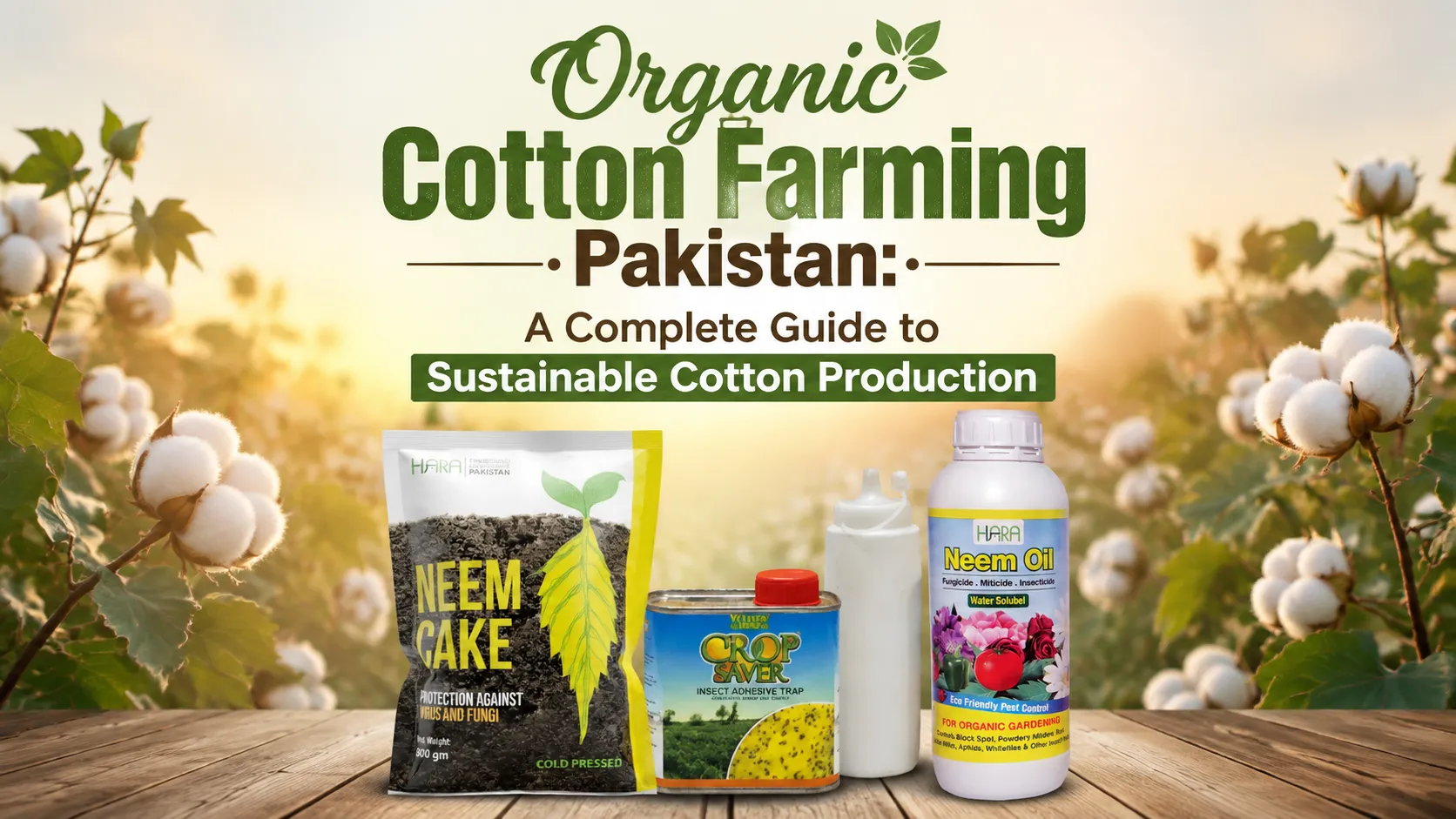
Hara Neem Cake | Soil health and root-zone support | Suitable before planting or during crop establishment to improve soil quality while supporting natural pest management around the root zone. |
Hara Vermicompost | Organic plant nutrition | Ideal when plants require improved soil fertility, stronger root development, and better overall growth. |
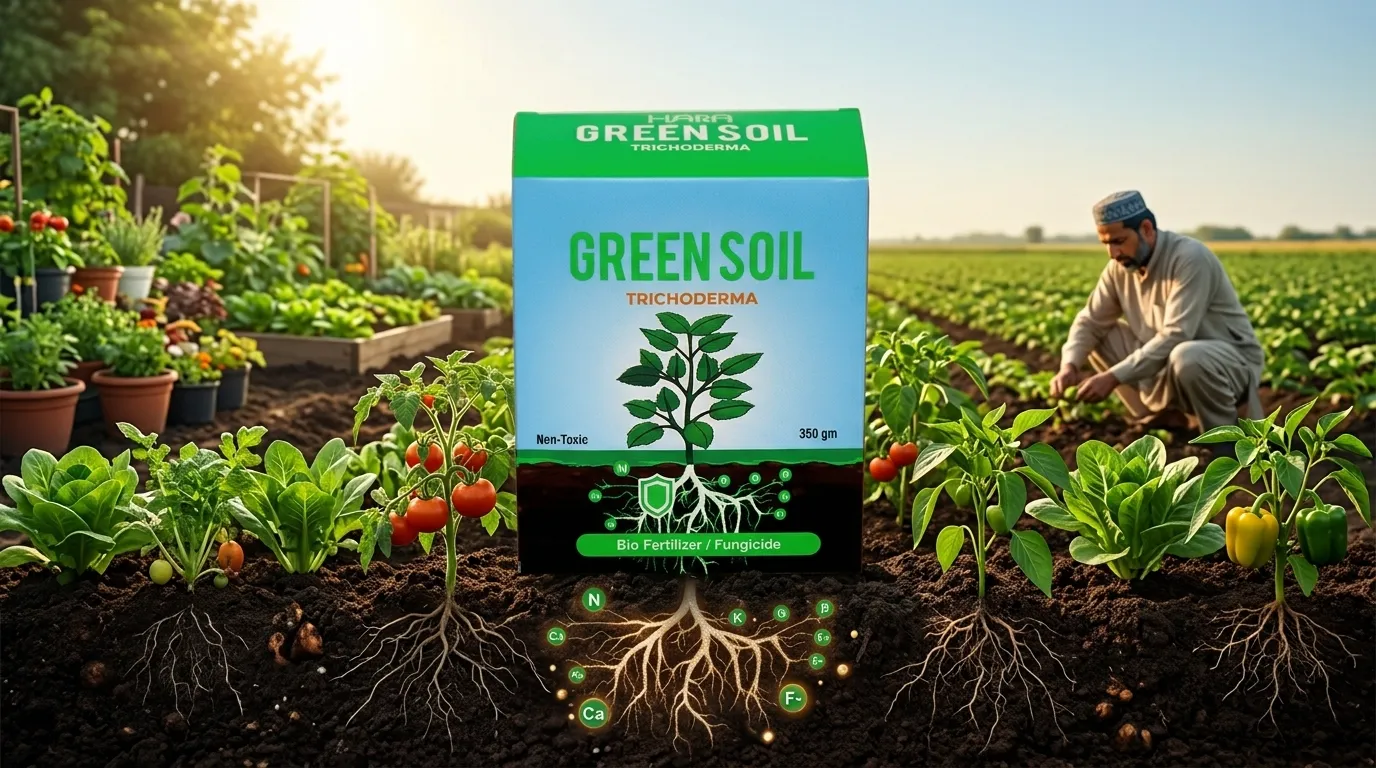
Hara Green Soil Bio Fertilizer (Trichoderma) | Soil microbial activity | Recommended for improving soil biology and supporting healthier root systems. |
These products are not direct replacements for one another. Instead, they address different aspects of crop health and can often complement a balanced organic farming or home gardening program.
Frequently Asked Questions
Is Hara Neem Oil safe for home gardens?
Yes. When used according to the product instructions, Hara Neem Oil is suitable for kitchen gardens, flower gardens, terrace gardens, and many ornamental plants.
Can I use neem oil on vegetable plants?
Yes. It is commonly used on tomatoes, chillies, okra, cucumbers, brinjal, gourds, leafy vegetables, and many other vegetable crops.
Which insects does Hara Neem Oil help manage?
It is commonly used as part of a pest management program for aphids, whiteflies, mealybugs, spider mites, scales, and certain caterpillars.
Can I spray neem oil on fruit trees?
Yes. Many growers use it on mango, citrus, guava, pomegranate, lemon, and other fruit trees as part of routine pest management.
How often should I apply neem oil?
The frequency depends on the crop, pest pressure, weather conditions, and the instructions provided on the product label.
What is the best time to spray neem oil?
Early morning or late afternoon is generally recommended because temperatures are lower and spray coverage is better.
Can neem oil be used on indoor plants?
Yes. Indoor ornamentals such as pothos, snake plants, peace lilies, rubber plants, and monstera can benefit from neem oil when pests are present.
Does neem oil replace good crop management?
No. Healthy soil, proper irrigation, balanced nutrition, sanitation, and regular crop monitoring remain essential for long-term plant health.
Can commercial farmers use Hara Neem Oil?
Yes. It is suitable for both commercial agriculture and small-scale farming when used according to the recommended instructions.
Is Hara Neem Oil suitable for organic gardening?
Neem oil is widely recognized as a plant-based option for gardeners and farmers who prefer more environmentally responsible pest management practices. Users should always follow local regulations and product labeling for their specific production system.
Conclusion
Finding the best neem oil for plants means choosing a reliable solution that supports healthier crops and sustainable gardening. Hara Neem Oil helps Pakistani farmers, home gardeners, nursery owners, and commercial growers manage common insect pests on vegetables, fruit trees, flowers, herbs, and ornamental plants.
When used according to the product instructions and combined with good farming practices, Hara Neem Oil can help maintain healthier, stronger plants throughout the growing season.
Ready to protect your plants naturally? Book your order for Hara Neem Oil today from Hara Organic Pakistan and give your garden or farm the care it deserves.


Chemical Free Farming Pakistan: A Practical Guide for Healthier Crops and Sustainable Agriculture
Jump To Chemical Free Farming Pakistan: A Practical Guide for

Organic Cotton Farming Pakistan: A Complete Guide to Sustainable Cotton Production
Jump To Organic Cotton Farming Pakistan: A Complete Guide to
Green Soil Plant Growth: A Complete Guide to Better Soil Health and Stronger Plant Growth
Jump To Green Soil Plant Growth: A Complete Guide to
Best Neem Oil for Plants in Pakistan – Complete Guide to Hara Neem Oil
Jump To Best Neem Oil for Plants in Pakistan –
