


Soil fungus treatment starts with identifying why the fungus is growing in the first place. In most cases, overly wet soil, poor drainage, weak airflow, or contaminated potting mix are the main reasons fungus spreads around plants. The good news is that most soil fungal problems can be controlled naturally when treated early.
If you notice white mold on soil, yellowing leaves, root rot, or weak seedlings, immediate action can save your plants. Simple methods like improving drainage, using neem oil, reducing overwatering, and applying natural antifungal remedies often work surprisingly well for home gardeners.
What Is Soil Fungus?
Soil fungus is a group of fungal organisms that live inside garden or potting soil. Some fungi are actually beneficial because they help break down organic matter and release nutrients for plants. Others can become harmful and attack roots, stems, or seedlings.
Harmful fungal infections are common in indoor plants, vegetable gardens, flower beds, and greenhouses where moisture levels stay high for long periods. Beginners often confuse fungal problems with nutrient deficiencies because the symptoms can look similar.
One important thing many gardeners learn with experience is that not every white layer on the soil is dangerous. Sometimes, harmless fungi appear naturally while organic material decomposes. The real concern starts when plant health begins declining alongside visible fungal growth.
Common Signs That Your Soil Has Fungus
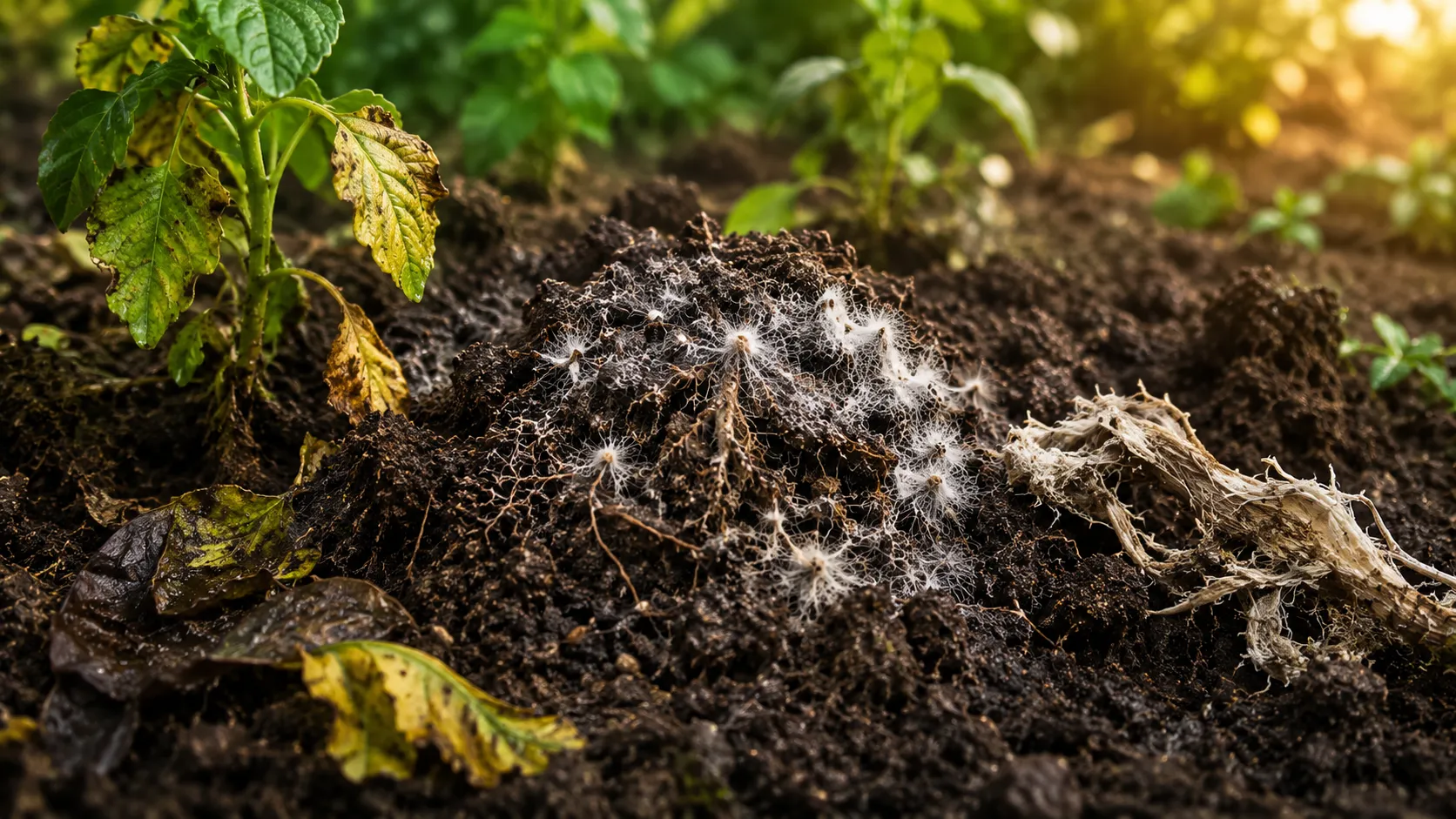
The first signs of fungal problems are usually small and easy to miss. Many people only notice the issue after plants start weakening. A common early symptom is a white fuzzy layer forming on the soil surface. This often appears in indoor pots or shaded garden areas where moisture stays trapped for too long. The texture may look cotton-like or powdery.
Plants may also begin yellowing even though they are watered properly. This happens because fungal infections damage the roots, preventing the plant from absorbing nutrients efficiently.
Another major warning sign is root rot. Healthy roots are usually white and firm, while infected roots become dark, mushy, and sometimes develop a foul smell. Seedlings collapsing suddenly at the soil level is another classic symptom known as damping off disease. If the soil smells sour or rotten instead of earthy and fresh, excess fungal growth is often involved.
What Causes Fungus in Garden Soil?
Understanding the cause is more important than simply treating the symptoms. Most fungal outbreaks happen because growing conditions become overly damp and stagnant.
Overwatering is the biggest reason behind fungal growth. Constantly wet soil creates an ideal environment for fungal spores to multiply rapidly. Many indoor plant owners unknowingly water their plants too often, especially during colder months when evaporation slows down.
Poor drainage is another major issue. Soil that stays compacted holds excess moisture around the roots. Pots without drainage holes make the problem even worse because water has nowhere to escape.
Lack of airflow also contributes heavily to fungal development. Plants crowded too closely together trap humidity around leaves and soil surfaces. This is very common in indoor spaces with low ventilation.
Sometimes contaminated tools, reused pots, or infected soil introduce fungal spores into otherwise healthy gardens. Even mulch piled too closely against stems can create excessive moisture around plants.
Best Soil Fungus Treatment Methods
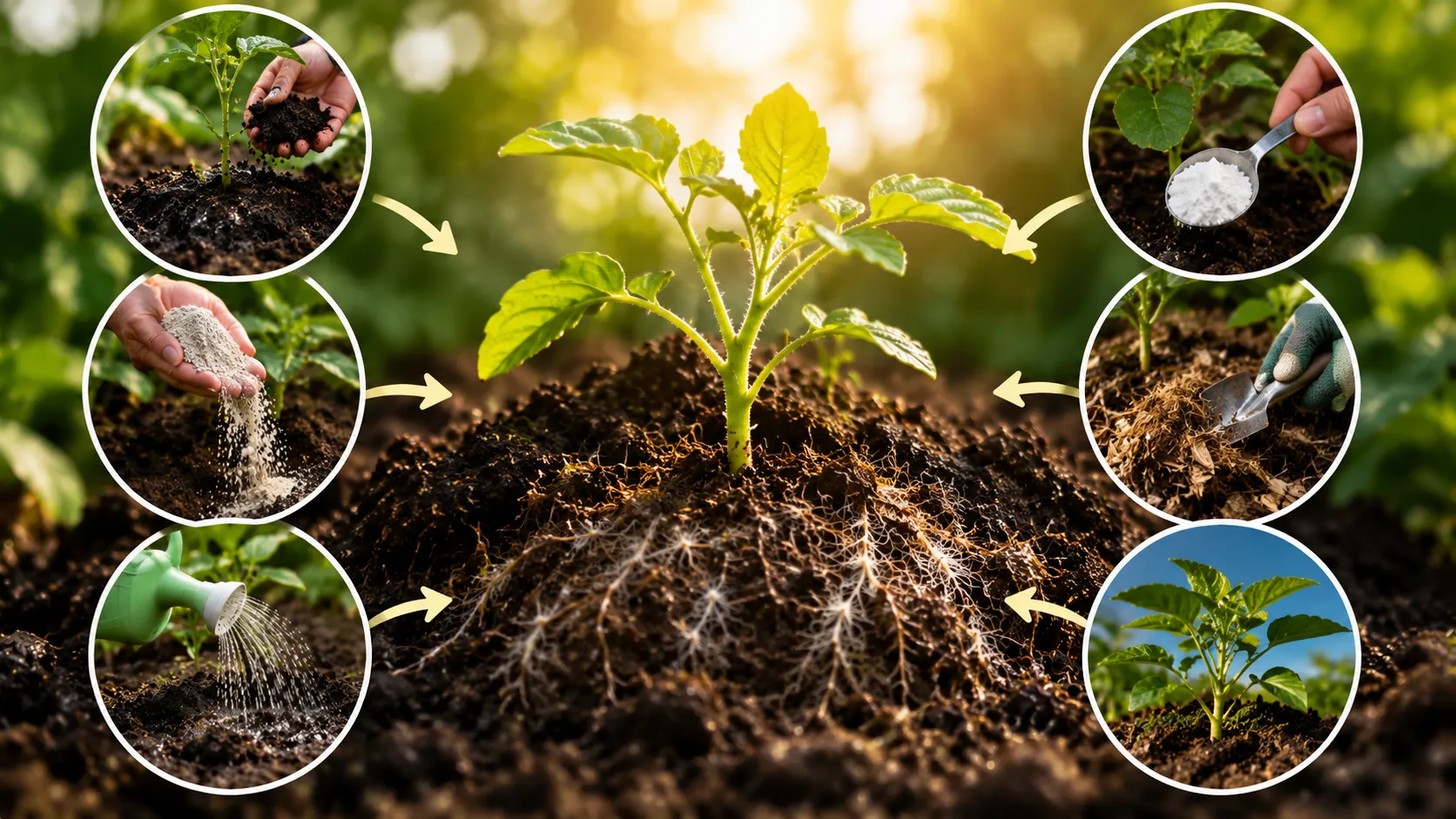
The best soil fungus treatment depends on how severe the infection has become. Mild fungal problems usually respond well to natural remedies, while severe root infections may require replacing the soil completely.
The first step should always be correcting the moisture problem. Without fixing drainage and watering habits, fungal treatments often provide only temporary improvement. Reducing watering frequency helps the soil dry naturally and slows fungal activity. Loosening compacted soil or mixing in materials like perlite and coarse sand improves airflow around roots.
If fungus heavily covers the top layer of soil, removing the affected section is often helpful. Replacing the top inch or two with fresh sterile potting mix can stop spores from spreading further. For severe infections involving root rot, repotting the plant into clean soil is usually the safest option.
Soil Fungus Treatment Neem Oil
Hara Neem oil is one of the most trusted natural solutions for fungal problems in plants and soil. Many gardeners prefer it because it works against both fungal diseases and certain plant pests at the same time.
Neem oil contains natural compounds that suppress fungal growth and reduce spore activity without being overly harsh on plants when properly diluted.
To prepare a neem oil treatment, mix one teaspoon of neem oil with one liter of water and add a few drops of mild liquid soap to help the oil blend properly. The solution can be sprayed lightly over the soil surface and affected leaves.
Applying Hara neem oil during cooler parts of the day is important because direct sunlight may damage wet leaves. Most gardeners repeat the treatment every seven to ten days until improvement appears. One mistake beginners make is soaking the soil too heavily with neem oil solution. Light and controlled application work better than oversaturating the roots.
Soil Fungus Treatment Home Remedies
Natural home remedies can work very well for mild fungal problems, especially when the infection is caught early.
Cinnamon is one of the oldest gardening remedies for fungal issues. It contains natural antifungal properties that help suppress fungal growth around seedlings and surface soil. Many gardeners lightly dust cinnamon powder around affected areas to reduce damping off disease.
Hydrogen peroxide is another effective option. When diluted correctly, it increases oxygen levels in the soil while helping kill harmful fungal organisms. A common mixture uses one part 3% hydrogen peroxide with three parts water. This solution is usually poured lightly around infected roots once per week.
Some gardeners also use baking soda solutions to slow fungal spread. Baking soda changes the surface conditions fungi prefer, making it harder for spores to grow aggressively. Chamomile tea is another gentle remedy commonly used for seedlings because it has mild antifungal effects without stressing delicate young plants.
How to Get Rid of Fungus in Soil Naturally
If you prefer organic gardening methods, the focus should be on improving overall soil health rather than relying only on treatments. Healthy soil naturally develops a balanced ecosystem where harmful fungi struggle to dominate. Good airflow, balanced moisture, and healthy microbial activity all help reduce fungal outbreaks naturally.
Watering habits matter more than many people realize. Deep but infrequent watering works better than constant shallow watering because it allows the upper soil layer to dry properly between watering sessions.
Indoor plants benefit greatly from better ventilation. Even simple airflow from an open window or fan can reduce excess humidity around the soil surface.
Using well-draining soil mixes also makes a huge difference. Heavy compacted soil traps moisture for too long, while airy mixes containing perlite, coco coir, or coarse sand allow roots to breathe more effectively.
Experienced gardeners often add compost teas, worm castings, or beneficial microbes to strengthen soil biology naturally. Strong microbial competition helps prevent harmful fungal dominance.
Soil Fungus Treatment for Indoor Plants
Indoor plants face fungal problems more frequently because air circulation and evaporation are naturally lower indoors. The first thing to do when treating indoor plants is to isolate infected pots away from healthy plants. Fungal spores can spread surprisingly fast in enclosed spaces.
Removing visible mold from the soil surface helps reduce contamination quickly. After cleaning the surface, improving light exposure and ventilation usually speeds up recovery significantly.
Many indoor plant owners accidentally create fungal problems by watering on fixed schedules instead of checking actual soil moisture. Allowing the top inch of soil to dry before watering again helps prevent recurring infections.
Neem oil and diluted hydrogen peroxide are among the safest treatments for indoor plant fungal issues because they work effectively without leaving strong chemical residues inside the home.
How to Treat Fungus in Garden Soil
Garden soil often requires broader treatment methods because infections can spread underground across larger areas. One highly effective natural method is soil solarization. This process uses heat from direct sunlight to kill fungal pathogens hidden deep in the soil.
The process involves lightly watering the soil and covering it with clear plastic sheets during hot weather. Over several weeks, trapped heat raises soil temperatures enough to reduce many harmful organisms.
Crop rotation also plays an important role in preventing recurring fungal diseases. Many fungi survive in soil year after year if the same plant families continue growing in the same location. Gardeners growing tomatoes, peppers, potatoes, or eggplants should especially rotate planting areas regularly because these plants often share similar soil-borne diseases.
Common Soil Fungus Treatment Mistakes
Many fungal problems continue returning because the underlying cause never gets fixed properly. One common mistake is continuing to overwater after treatment begins. Even the best fungicide struggles when the soil stays constantly soaked.
Another mistake is treating only the surface while ignoring the infected roots underneath. Surface mold sometimes represents a deeper root-zone problem that requires repotting or soil replacement.
Reusing contaminated pots without cleaning them properly also spreads fungal spores repeatedly between plants. Washing pots with a diluted bleach solution before reuse helps prevent reinfection.
Some gardeners also overuse chemical fungicides, which may harm beneficial soil organisms over time. Balanced treatment is usually more effective than aggressive chemical use.
Best Practices to Prevent Soil Fungus
Preventing fungal problems is much easier than treating severe infections later. Healthy watering habits are the single most important factor. Plants need moisture, but constantly soggy soil creates the perfect environment for fungus.
Using sterile potting mixes for seedlings and indoor plants reduces the chances of introducing harmful pathogens early. Regularly cleaning gardening tools also limits fungal spread between plants.
Experienced gardeners make a habit of inspecting their plants weekly. Catching small fungal signs early prevents major outbreaks later. Good airflow, balanced soil structure, proper spacing, and moderate humidity levels all work together to create healthier growing conditions.
Frequently Asked Questions
What is the best soil fungus treatment?
The best soil fungus treatment usually combines improved drainage, reduced overwatering, and natural antifungal solutions like neem oil or hydrogen peroxide.
Is fungus in soil harmful to plants?
Some fungi are harmless or even beneficial, but harmful fungal infections can damage roots, weaken plants, and eventually kill them if untreated.
Can neem oil treat soil fungus?
Yes, neem oil is widely used as a natural fungicide because it suppresses fungal growth and reduces spore activity safely when diluted correctly.
How do I get rid of fungus in soil naturally?
Natural methods include improving airflow, reducing moisture, using cinnamon or hydrogen peroxide, and strengthening overall soil health.
Why does white fungus keep appearing on my soil?
White fungus usually appears because of excess moisture, poor ventilation, or decomposing organic matter staying too wet for long periods.
Can I reuse soil infected with fungus?
Mildly affected soil can sometimes be treated, but severely infected soil is often safer to discard or solarize before reuse.
Conclusion
Soil fungus treatment is ultimately about restoring healthy growing conditions instead of simply killing visible mold. Excess moisture, poor airflow, and weak soil structure are usually the real problems behind recurring fungal outbreaks.
Natural treatments like Hara neem oil, cinnamon, hydrogen peroxide, and improved watering practices can solve most mild to moderate fungal issues effectively. The key is acting early before root damage becomes severe.
Healthy soil, proper drainage, balanced moisture, and regular plant monitoring remain the most reliable long-term defense against fungus in both indoor plants and garden soil.




Chemical Free Farming Pakistan: A Practical Guide for Healthier Crops and Sustainable Agriculture
Jump To Chemical Free Farming Pakistan: A Practical Guide for

Organic Cotton Farming Pakistan: A Complete Guide to Sustainable Cotton Production
Jump To Organic Cotton Farming Pakistan: A Complete Guide to

Green Soil Plant Growth: A Complete Guide to Better Soil Health and Stronger Plant Growth
Jump To Green Soil Plant Growth: A Complete Guide to

Best Neem Oil for Plants in Pakistan – Complete Guide to Hara Neem Oil
Jump To Best Neem Oil for Plants in Pakistan –
