

Skip to main content Scroll Top

Guava Organic Growth Guide

Organic Guava Farming Guide in Pakistan (Hara Organic PGS)

Water Channel and Mulching will Reduce water cost and Improve Soil
Dr Shah Jahan Rajput with Team Visit Organic Guava Farm at Larkana
STEP-BY-STEP COMPLETE GUAVA CROP PLAN FOR PAKISTAN

Introduction

Organic guava farming in Pakistan is shifting from conventional chemical practices to science-based organic and regenerative systems. This organic guava farming plan has been developed and validated through applied, research-based field studies conducted under a formal collaboration (MoU) between Shaheed Zulfiqar Ali Bhutto Agriculture College, Dokri (Larkana)—now part of The University of Larkano—and Hara Pakistan Pvt Ltd.

The university research was conducted specifically on the Hara Pakistan organic farming method and product-based system, and the findings were practically implemented at the farm level. The results demonstrated significant improvements in crop yield, irrigation water efficiency, soil biological health, and chemical-free mealybug control, making this model suitable for small, medium, and commercial guava orchards across Pakistan.

RESEARCH & ACADEMIC COLLABORATION

This organic guava plan is research-based, institutionally supported, and field-proven, rather than theoretical guidance.

INSTITUTIONAL INVOLVEMENT:

  • Shaheed Zulfiqar Ali Bhutto Agriculture College, Dokri (Larkana)
    (Now affiliated with The University of Larkano)

  • Research conducted under a formal MoU with Hara Pakistan Pvt Ltd

  • Applied field trials carried out on Hara Pakistan’s organic farming method and product-based system

  • On-farm validation under Sindh agro-climatic conditions

OBSERVED OUTCOMES FROM THE HARA PAKISTAN METHOD:

  • Up to 40% increase in guava yield

  • Approximately 70% reduction in irrigation water use

  • Successful organic control of mealybug without chemical pesticides

  • Improved soil biological activity and long-term orchard health

These findings confirm that Hara Pakistan Pvt Ltd’s organic farming methodology delivers measurable, research-based, and field-validated outcomes, suitable for scalable adoption across Pakistan.

MoU Signing for Organic Agriculture Development – Hara Pakistan & SZABAC Dokri
Mulching
Mulching

STEP 1: Orchard Assessment & Soil Preparation

Objective: Strong foundation before inputs

  • Conduct visual soil assessment and orchard history review

  • Ensure proper drainage (guava is sensitive to waterlogging)

  • Remove weeds, old infested plant material, and debris

  • Prepare tree basins (ring making) for efficient irrigation and nutrition

👉 Healthy soil reduces pest pressure from the beginning.


STEP 2: Trunk Barrier Installation (Critical Prevention Step)

Time: January – February

Objective: Stop mealybug crawlers before infestation

  • Apply grease band on tree trunk

  • Wrap plastic sheet above grease band

  • Ensure no soil or weeds touch the trunk

✔ University trials showed 70–80% reduction in mealybug spread at this stage alone.


STEP 3: Pruning & Orchard Sanitation

Time: February

Objective: Remove pest shelters and improve airflow

  • Prune dry, weak, and infested branches

  • Remove overlapping shoots

  • Destroy pruned material away from orchard

  • Clean orchard floor regularly

👉 This reduces pest carry-over and disease risk.

Mango Farming
Noursh your soil with Green Soil Treatment at seeding
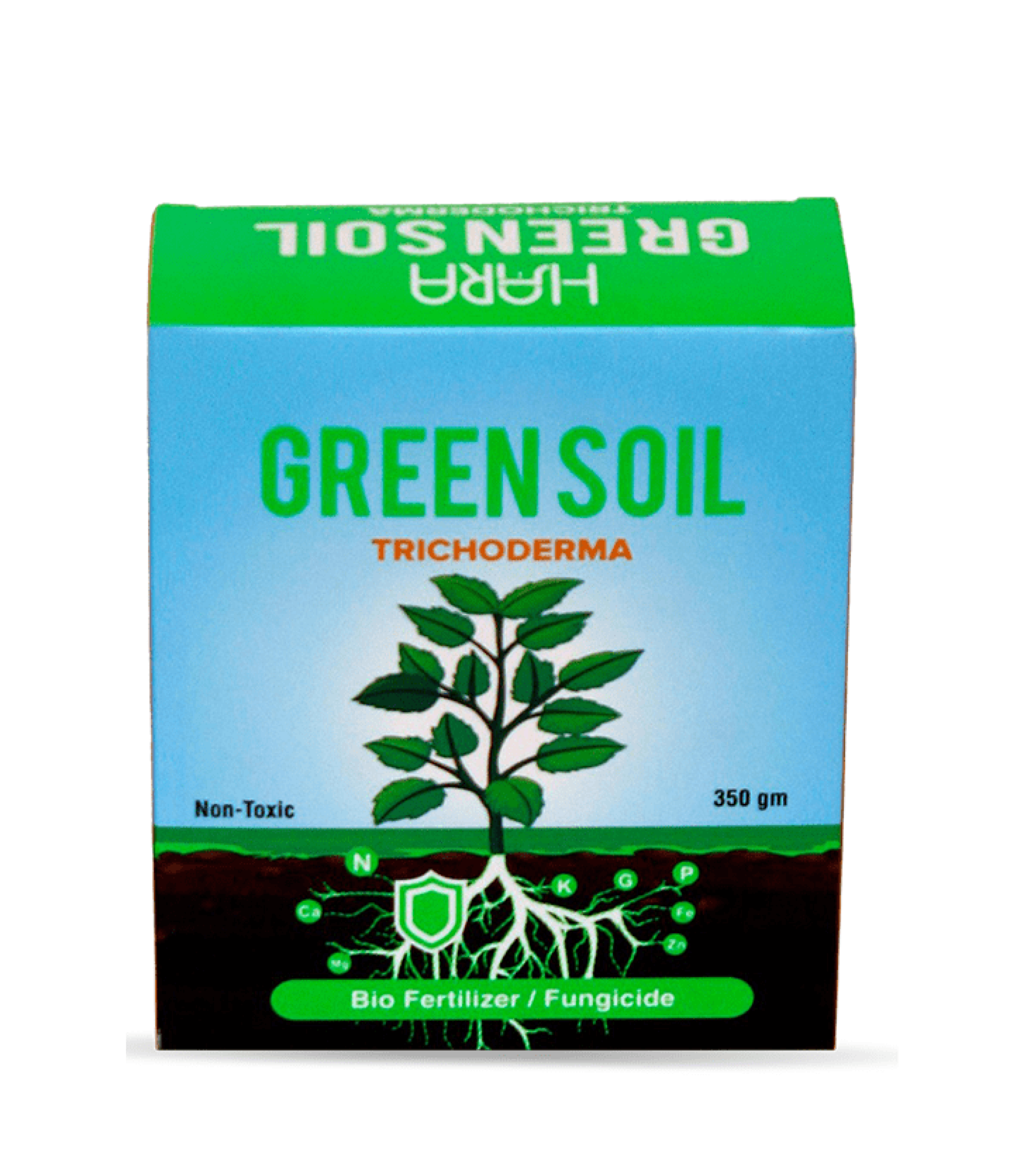
Hara Grow Helps plants in Leafing Stage
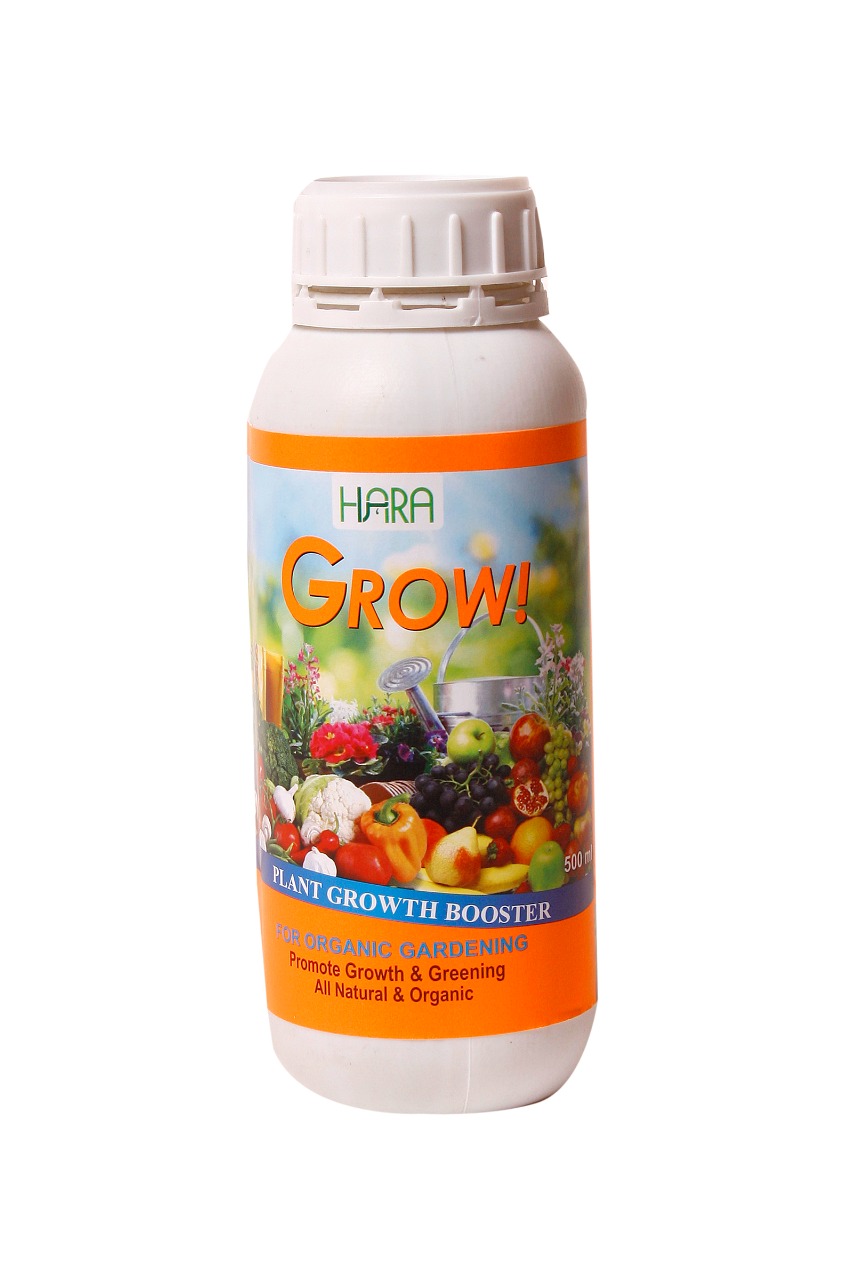
Natural Plant Food effective for the vigorous growth
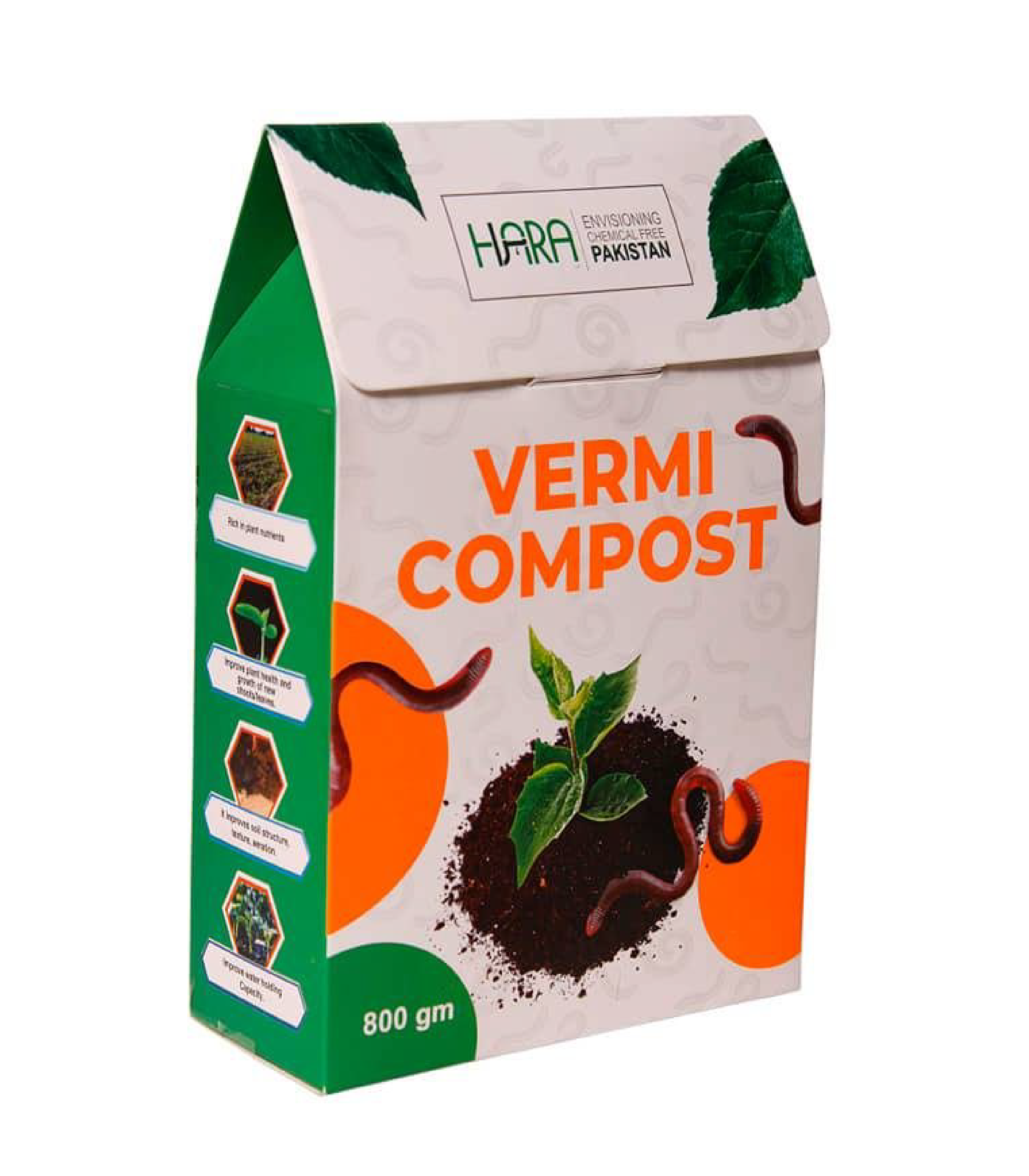
Vermicompost helps in the overall plant health growth of new shoots/leaves.
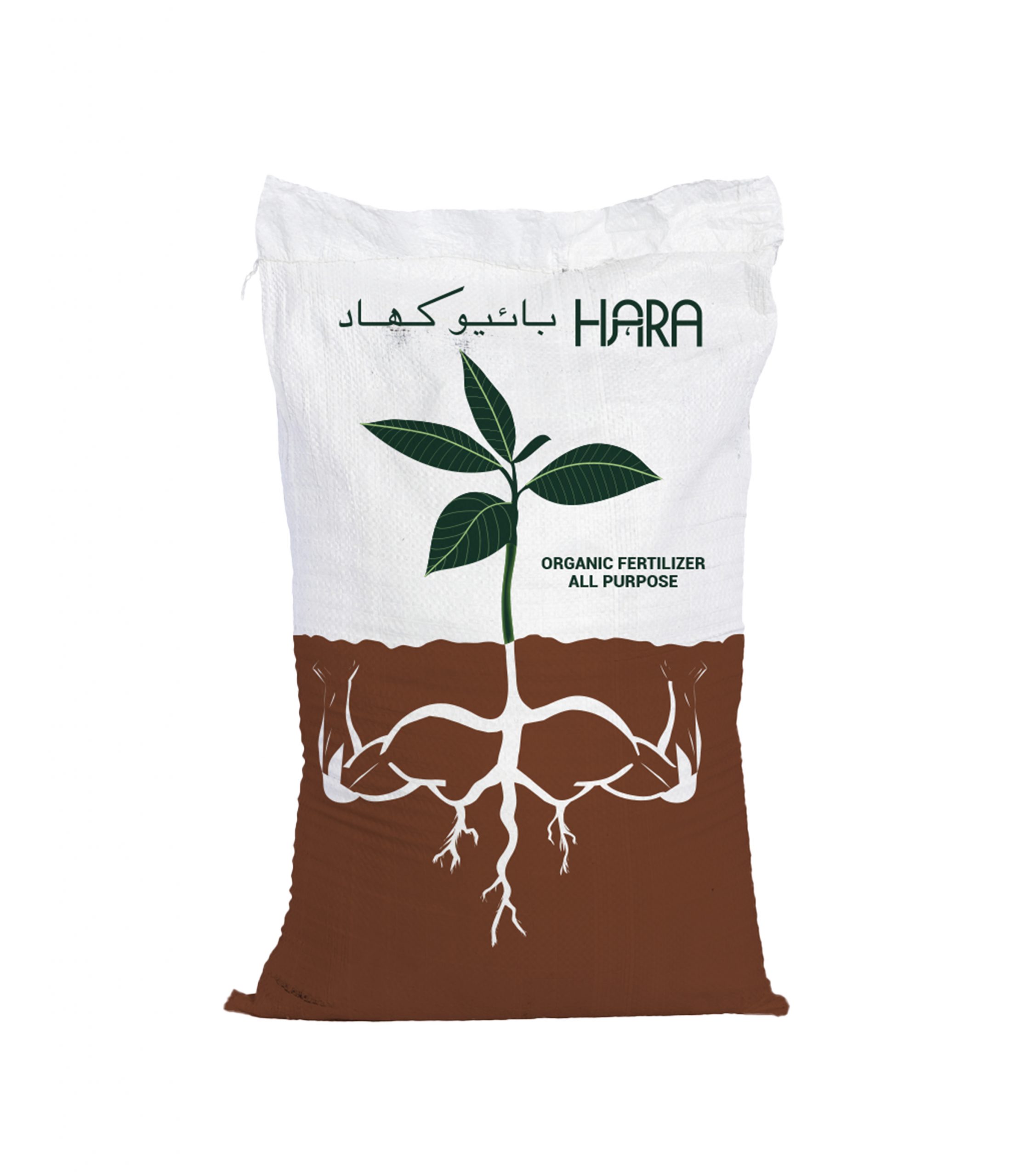
Bio Khad Organic Fertilizer for Healthy Soil & Plants
Organic mango farming starts with understanding the tree’s full-year growth stages and managing soil, water, and nutrition accordingly. Prepare living soil using vermicompost, Bio Phos, and agriculture probiotics, and ensure proper drainage with a water channel system away from the trunk. Follow a stage-wise Hara Organic PGS fertilizer and foliar spray schedule, use mulching to conserve moisture and improve soil health, apply preventive biological protection like Trichoderma and Blue Power, and use Neem Oil only when pests appear. Consistent organic nutrition, correct irrigation, and strong soil biology together produce healthy, disease-resistant mango trees with high-quality, chemical-free fruit.

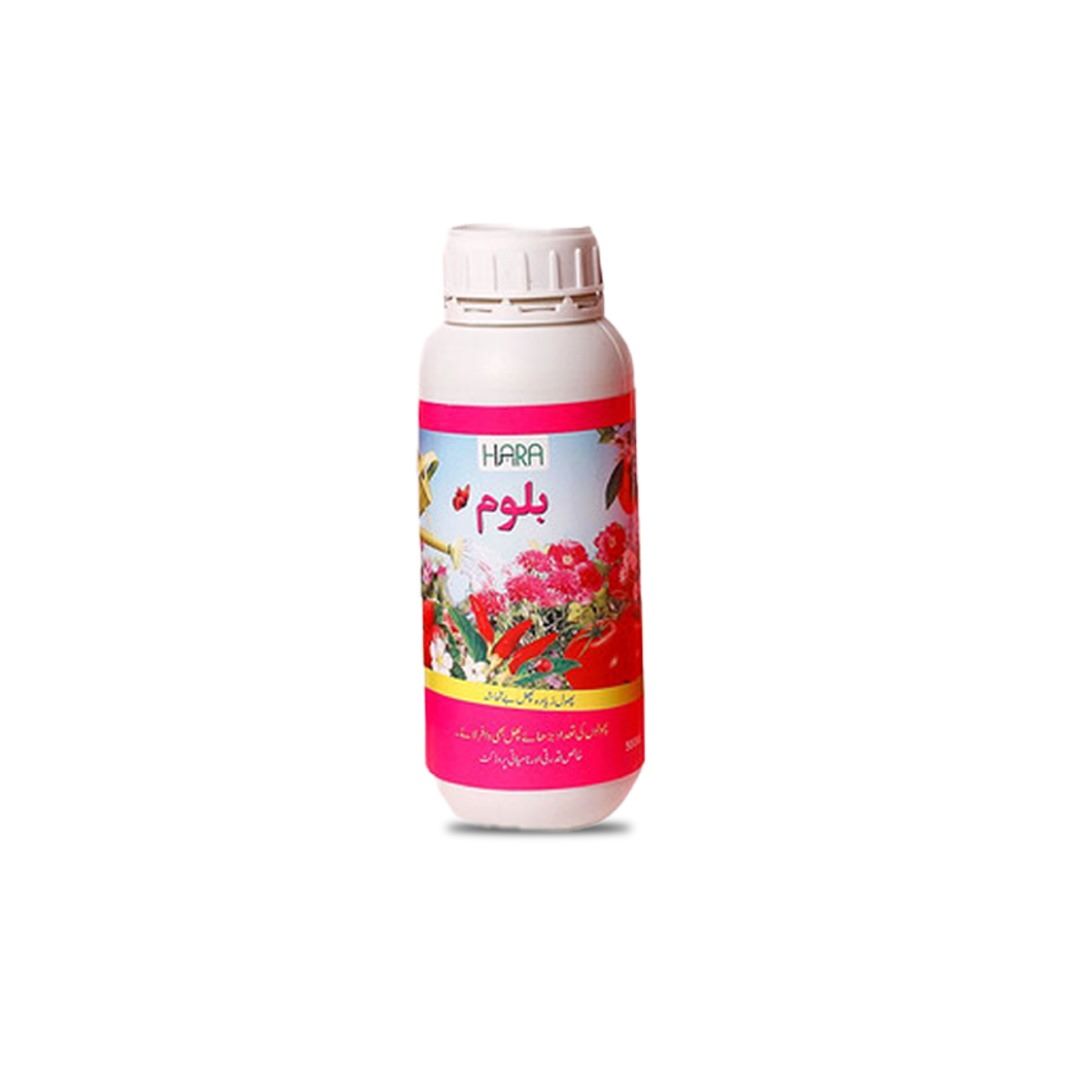
The best fertilizer for organic mango farming is a balanced, stage-wise nutrition plan that builds soil health and strengthens roots rather than forcing growth. In organic mango orchards, this includes the use of vermicompost for organic matter, Bio Phos for strong root development, agriculture probiotics for active soil biology, and foliar sprays like Grow and Bloom at key growth stages. Following a complete Hara Organic PGS fertilizer schedule throughout the year ensures healthy trees, better flowering, improved fruit set, and long-term sustainable mango production.

1. What are the most common diseases in mango trees?

The most common mango diseases include dieback, anthracnose, powdery mildew, sudden decline, gummosis, root rot, leaf spot, bacterial black spot, and sooty mold. These diseases usually appear due to weak soil biology, poor drainage, water stress, and excessive chemical use.


2. What causes dieback disease in mango trees?

Dieback is caused by fungal infection and weak root systems. It spreads faster in orchards with poor soil life, waterlogging, or chemical fertilizer use. Organic control focuses on improving soil health using agriculture probiotics and Green Soil (Trichoderma harzianum).


3. How can anthracnose be controlled in mango organically?

Anthracnose can be controlled organically by maintaining proper airflow, avoiding excess moisture on leaves, and applying Trichoderma-based biofungicides as preventive soil and foliar support. Strong nutrition also improves natural resistance.


4. Why does powdery mildew appear on mango flowers?

Powdery mildew usually attacks during flowering under cool and humid conditions. Weak plant immunity increases the risk. Balanced organic nutrition and preventive biological protection reduce its severity.


5. What is sudden decline in mango trees?

Sudden death in mango is mainly linked to root damage, weak soil biology, and fungal infection. Organic control requires improving soil health using Green Soil (Trichoderma harzianum). For prevention, apply Green Soil to the entire orchard at least two times a year. Along with this, following the complete Hara Organic PGS fertilizer and spray plan strengthens roots and plant immunity, which gradually eliminates sudden death issues and improves long-term orchard health.


6. How does root rot affect mango orchards?

Root rot damages feeder roots and blocks nutrient uptake. It is commonly caused by waterlogging and fungal pathogens. Organic management relies on Trichoderma application, vermicompost, and controlled irrigation.


7. What causes gummosis in mango trees?

Gummosis occurs when the tree is stressed due to wounds, poor drainage, or fungal infection. Avoiding trunk irrigation, improving soil structure, and strengthening roots organically helps prevent it.


8. What are mango leaf spot and bacterial black spot diseases?

These diseases appear as dark spots on leaves and fruits and reduce photosynthesis and market quality. Healthy soil microbes and strong plant immunity are the best organic defense.


9. Why does sooty mold appear on mango leaves?

Sooty mold develops due to honeydew secreted by sucking insects. While not directly harmful, it reduces photosynthesis. Maintaining orchard hygiene and plant strength helps prevent it organically.


10. Can mango diseases be prevented organically?

Yes. Most mango diseases can be prevented organically by:

  • Avoiding chemical fertilizers and fungicides

  • Using Hara Organic PGS fertilizer and spray schedule

  • Applying Trichoderma and agriculture probiotics regularly

  • Following proper pruning, mulching, and water channel management

Healthy soil produces healthy trees, and healthy trees resist diseases naturally.

Hara Pakistan Organic Guava Fertilizer Schedule

Stage-Wise Fertilizer & Spray Schedule

Stage No.Stage NameCrop Condition / TimeProductApplication RateApplication MethodPurpose
1Post-Harvest PruningImmediately after fruit harvestPruningRemoves old, diseased & weak branches
2Fungal Protection StageSame day after pruningBlue Power1 L / 100 L waterFoliar sprayPrevents fungal attack, supplies chelated Copper & Zinc
3Tree Recovery & Rejuvenation7 days after Blue PowerGROW1 L / 100 L waterFoliar sprayRevives tree, builds new structure & strong vegetative flush
4Flower Initiation StageBefore flowering startsBloom1 L / 100 L waterFoliar sprayImproves flowering, reduces flower drop
5Fruit Setting StageFlowers converting into fruitsBloom (Repeat)1 L / 100 L waterFoliar sprayImproves fruit setting & retention
6Fruit Development Stage (Optional)During fruit growthGROW1 L / 100 L waterFoliar sprayImproves fruit size, quality & tree strength

Stage-Wise Fertilizer  Schedule

StageTimeFertilizerDose (Per Tree)
Post-HarvestAfter fruit harvesting & pruningVermicompost + Bio Khad + Bio PhosUp to 5 kg each (equal quantity)
Flowering StageAt flowering startBio Phos + Bio Khad3–5 kg each
Fruit DevelopmentAfter fruit settingBio Khad (optional)3–5 kg

Need Further Details? Contact Our Experts for Free Consultation!

    Hidden fields

    Leave a comment