

 Before
 After
After
Soil does not need to be forced to produce; it needs to be healed so it can sustain life again.
Organic Solutions to Restore Soil Health Naturally
The Long-Term Benefits of Organic Soil Recovery

Related Posts
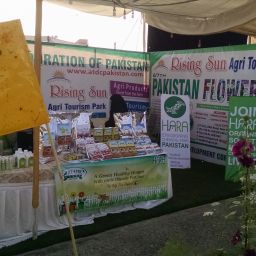
Hara Pakistan featured new organic agriculture products and industry solutions. Our participation highlighted the role of leading fertilizer companies in Karachi in promoting sustainable farming practices.
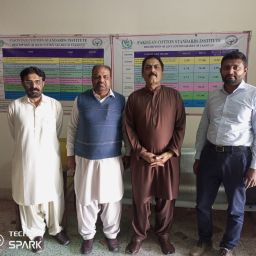
Our team collaborates with farmers and agricultural enterprises in order to encourage sustainable farming. As one of the growing agriculture companies in Karachi, Hara focuses on improving soil health and crop productivity through innovative organic solutions.
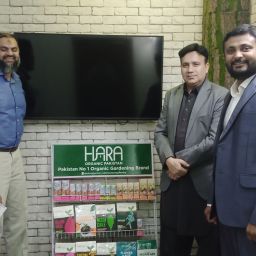
The CABI team visited Hara Pakistan, to find out some of the possible solutions to organic farming. Discussions focused on how fertilizer companies in Karachi can support sustainable farming and agricultural productivity in Pakistan.

Hara Pakistan organized community-level training to popularize kitchen gardening and urban agriculture. As part of our commitment as one of the responsible agriculture companies in Karachi, we support communities with practical farming knowledge.

Hara Pakistan conducts semi-annual seminars and training sessions to provide education to farmers and other agricultural experts. As one of the responsible fertilizer companies in Karachi, we promote modern farming techniques and sustainable agricultural development.
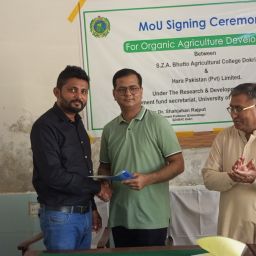
Hara promotes agricultural research and innovation through partnerships with educational institutions. Our collaborations help strengthen the knowledge base of future professionals working in agriculture companies in Karachi and across Pakistan.