

The Sustainable Gardener’s Guide to Growing Organic Sugarcane


Sugarcane is one of Pakistan's major cash crops, widely cultivated for sugar production and farm income. However, continuous use of chemical inputs has reduced soil fertility and increased production costs.
The Sugarcane Organic Growth Guide focuses on sustainable cultivation through soil health improvement, organic nutrition, biological crop protection, and efficient water management. By adopting organic farming practices, growers can improve cane growth, enhance sugar recovery, and achieve long-term farm productivity.
Benefits of Organic Sugarcane Farming
• Improved soil biological activity
• Stronger root development
• Better tillering and cane growth
• Reduced pest and disease pressure
• Improved sugar recovery
• Better ratoon crop performance
• Sustainable long-term productivity
Best Sugarcane Varieties For Organic Farming
Selecting suitable sugarcane varieties is one of the most important factors for successful organic production. Farmers should choose high-yielding varieties that are adaptable to local climatic conditions and possess strong resistance against major pests and diseases.
Suitable varieties help improve germination, tillering, cane weight, and sugar recovery while performing efficiently under organic nutrient management systems.
Benefits Of Choosing Suitable Varieties
• Better germination percentage
• Strong tiller development
• Improved disease resistance
• Higher cane yield
• Better sugar recovery
Soil Fertility Management
Healthy soil is the foundation of successful organic sugarcane production. Sugarcane remains in the field for an extended period and requires a fertile soil environment to support continuous growth.
Organic matter, compost, farmyard manure, and beneficial microorganisms improve soil structure, increase nutrient availability, and enhance water retention capacity. Improved soil fertility promotes stronger root systems and healthier cane development.
Benefits Of Improved Soil Fertility
• Enhanced nutrient availability
• Improved soil structure
• Better water holding capacity
• Increased microbial activity
• Stronger cane growth
Land Preparation For Sugarcane
Proper land preparation ensures uniform germination and healthy root establishment. Fields should be deeply cultivated to improve soil aeration and allow roots to penetrate deeper into the soil profile.
Incorporating organic matter during land preparation helps create favorable conditions for early crop growth and long-term productivity.
Benefits Of Proper Land Preparation
• Better root penetration
• Uniform crop establishment
• Improved moisture conservation
• Enhanced nutrient availability
• Stronger plant growth
Organic Fertilization Plan
Sugarcane is a nutrient-demanding crop that requires balanced nutrition throughout its growth cycle. Organic fertilization focuses on supplying nutrients through natural sources while improving overall soil health.
A proper nutrition program supports tillering, vegetative growth, cane elongation, and sugar accumulation.
Benefits Of Organic Fertilization
• Sustainable nutrient supply
• Improved plant vigor
• Better cane development
• Enhanced sugar accumulation
• Long-term soil improvement
Irrigation Management
Sugarcane requires adequate moisture throughout its growth period. Efficient irrigation management helps maintain consistent growth and supports maximum cane production.
Organic farming improves soil moisture retention through increased organic matter, reducing water stress during critical growth stages.
Benefits Of Proper Irrigation
• Improved crop growth
• Better nutrient uptake
• Reduced moisture stress
• Enhanced cane weight
• Higher productivity
Foliar Nutrition Program
Foliar nutrition provides supplemental nutrients during critical growth stages when nutrient demand increases. Organic foliar applications improve crop vigor, photosynthetic activity, and overall plant health.
Regular foliar feeding supports healthy cane growth and improved sugar content.
Benefits Of Foliar Nutrition
• Faster nutrient absorption
• Improved plant health
• Better growth performance
• Enhanced sugar formation
• Increased stress tolerance
Organic Pest Management
Sugarcane can be affected by various insect pests that reduce cane quality and yield. Organic pest management focuses on prevention through healthy soil, balanced nutrition, biological controls, and regular crop monitoring.
A healthy ecosystem helps suppress pest populations naturally and supports sustainable production.
Benefits Of Organic Pest Management
• Reduced pest infestation
• Lower chemical dependency
• Healthier crop growth
• Improved cane quality
• Environmentally safe production
Organic Disease Management
Disease prevention is essential for maintaining healthy sugarcane crops. Organic disease management relies on strong plant health, proper field sanitation, crop rotation, and biological disease suppression.
Healthy plants are naturally more resistant to disease pressure.
Benefits Of Disease Management
• Lower disease incidence
• Improved crop health
• Better yield stability
• Enhanced cane quality
• Sustainable crop production
Weed Management
Weeds compete with sugarcane plants for nutrients, water, and sunlight, especially during early growth stages. Effective weed control helps ensure proper crop establishment and healthy growth.
Organic weed management includes mechanical cultivation, mulching, and timely field operations.
Benefits Of Weed Management
• Reduced competition
• Better nutrient utilization
• Improved moisture conservation
• Stronger cane growth
• Increased productivity
Cane Development And Maturity
Proper crop management during cane elongation and maturity stages directly influences final yield and sugar recovery. Balanced nutrition, adequate irrigation, and effective pest management are essential during this period.
Healthy cane development results in improved stalk weight and better sugar accumulation.
Benefits Of Proper Cane Development
• Increased cane weight
• Improved sugar recovery
• Better crop uniformity
• Higher market value
• Enhanced profitability
Harvesting And Ratoon Crop Management
Timely harvesting helps maximize sugar recovery and maintain cane quality. Proper ratoon management after harvest is equally important for achieving strong regrowth and reducing production costs in subsequent crops.
Healthy ratoon crops contribute significantly to long-term profitability.
Benefits Of Proper Harvest Management
• Improved sugar content
• Better cane quality
• Strong ratoon establishment
• Reduced production costs
• Increased profitability
Conclusion
The Sugarcane Organic Growth Guide provides a complete framework for sustainable sugarcane production through soil health improvement, balanced organic nutrition, efficient irrigation, and biological crop protection. By adopting organic farming practices, growers can improve cane yield, enhance sugar recovery, strengthen ratoon performance, and build a more productive and environmentally sustainable farming system for the future.

To grow sugarcane organically, start by selecting certified organic sugarcane setts. Prepare the soil by adding well-decomposed compost or farmyard manure. Plant the setts in furrows with proper spacing and ensure adequate water through drip or flood irrigation. Control weeds naturally using mulching or mechanical methods, and manage pests with neem oil, organic bio-pesticides, and beneficial insects. Harvest sugarcane when the stalks mature for sweet, chemical-free cane.
Input cost is lower
Ratoon crop is stronger
Soil fertility improves every year
Disease and pest expenses reduce
Long-term profit is higher than chemical farming.
The best organic fertilizers for sugarcane include:
Bio Phos (organic phosphorus)
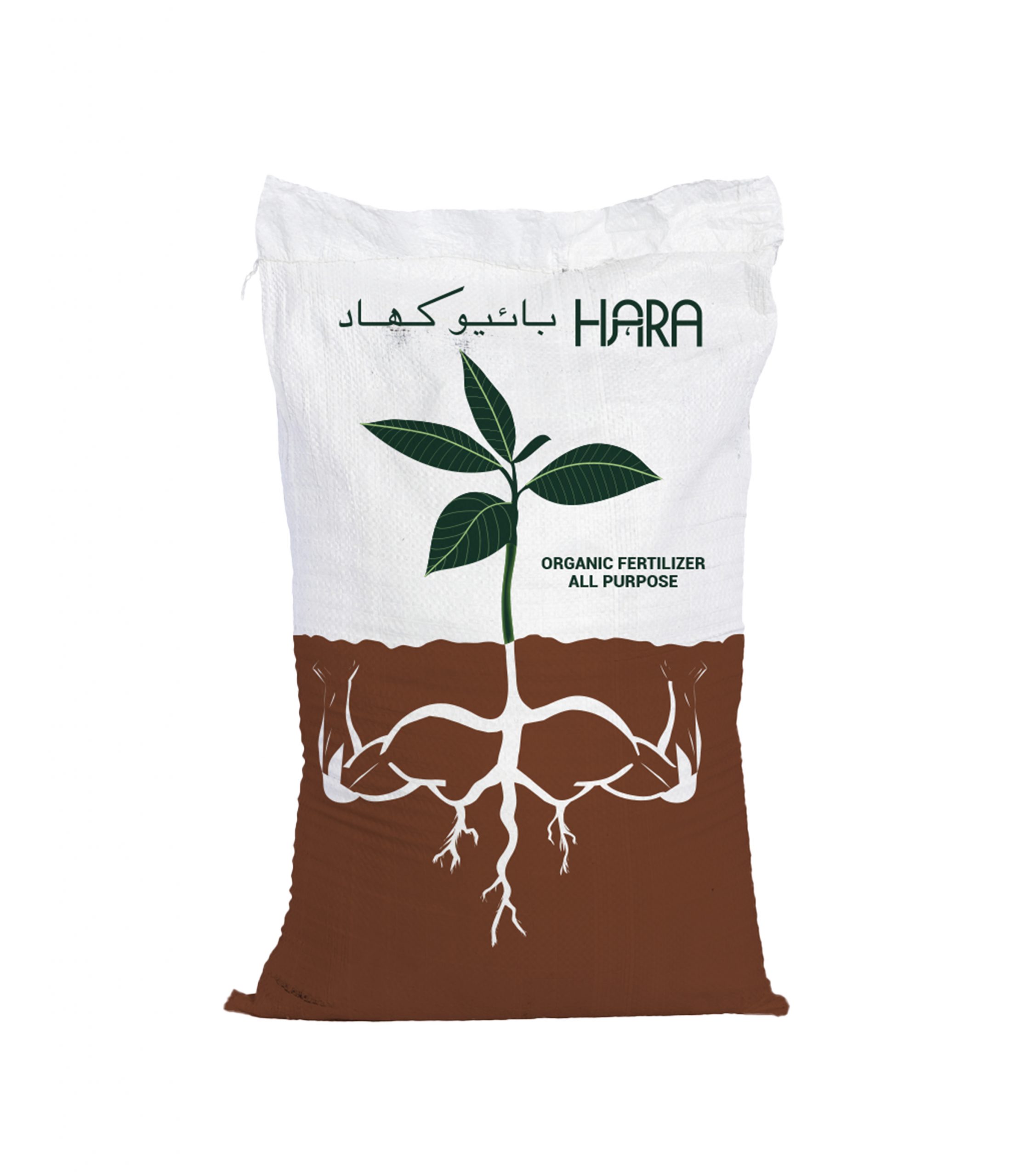
- Bio Khad by Hara Organic
- Agri Probiotics (beneficial bacteria)
Fish Hydrolysate
Humic & Fulvic acids
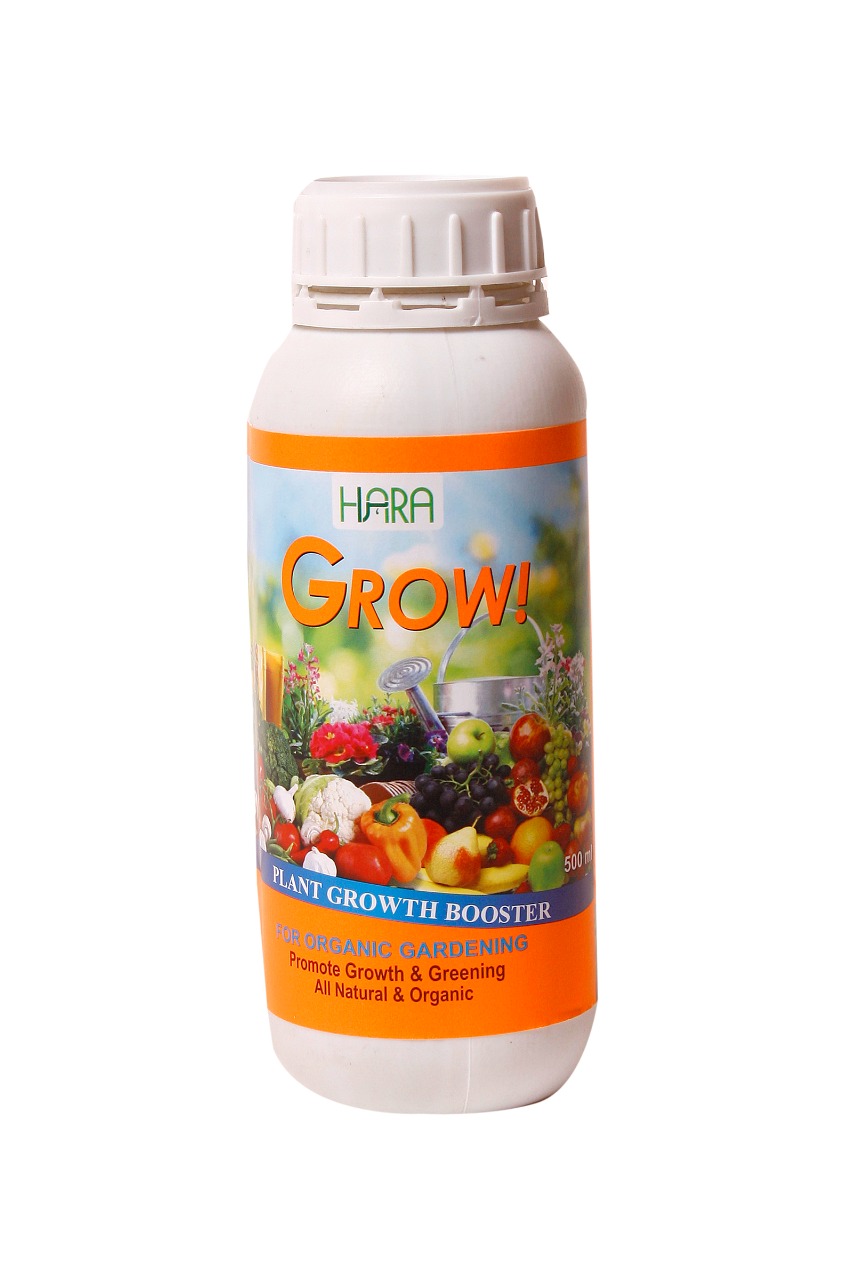
Hara Grow Spray
These improve root growth, tillering, and sugar recovery.
Organic pest and disease management in sugarcane involves preventive cultural practices and biological solutions. Use disease-free setts, crop rotation, and proper spacing to prevent infections such as red rot or smut. Apply neem-based sprays, Trichoderma, and beneficial predators to control pests naturally. Maintaining healthy soil and irrigation practices ensures strong, chemical-free sugarcane crops with high sugar content.
Sugarcane is planted in Pakistan during two main seasons:
February–March (Spring plantation)
October–November (Autumn plantation)
Both seasons are suitable for organic sugarcane farming.
Organic sugarcane yield can be increased by:
Improving soil biology
Applying balanced nutrition stage-wise
Using probiotics and humic substances
Ensuring strong tillering and grand growth
Healthy soil directly increases cane population and length.
Sugar recovery improves when:
Organic potash is applied before maturity
Nitrogen is balanced during grand growth
Stress is reduced through Bio Khad humic and seaweed sprays
Organic farming improves juice quality naturally.
Red rot disease can be controlled organically by:
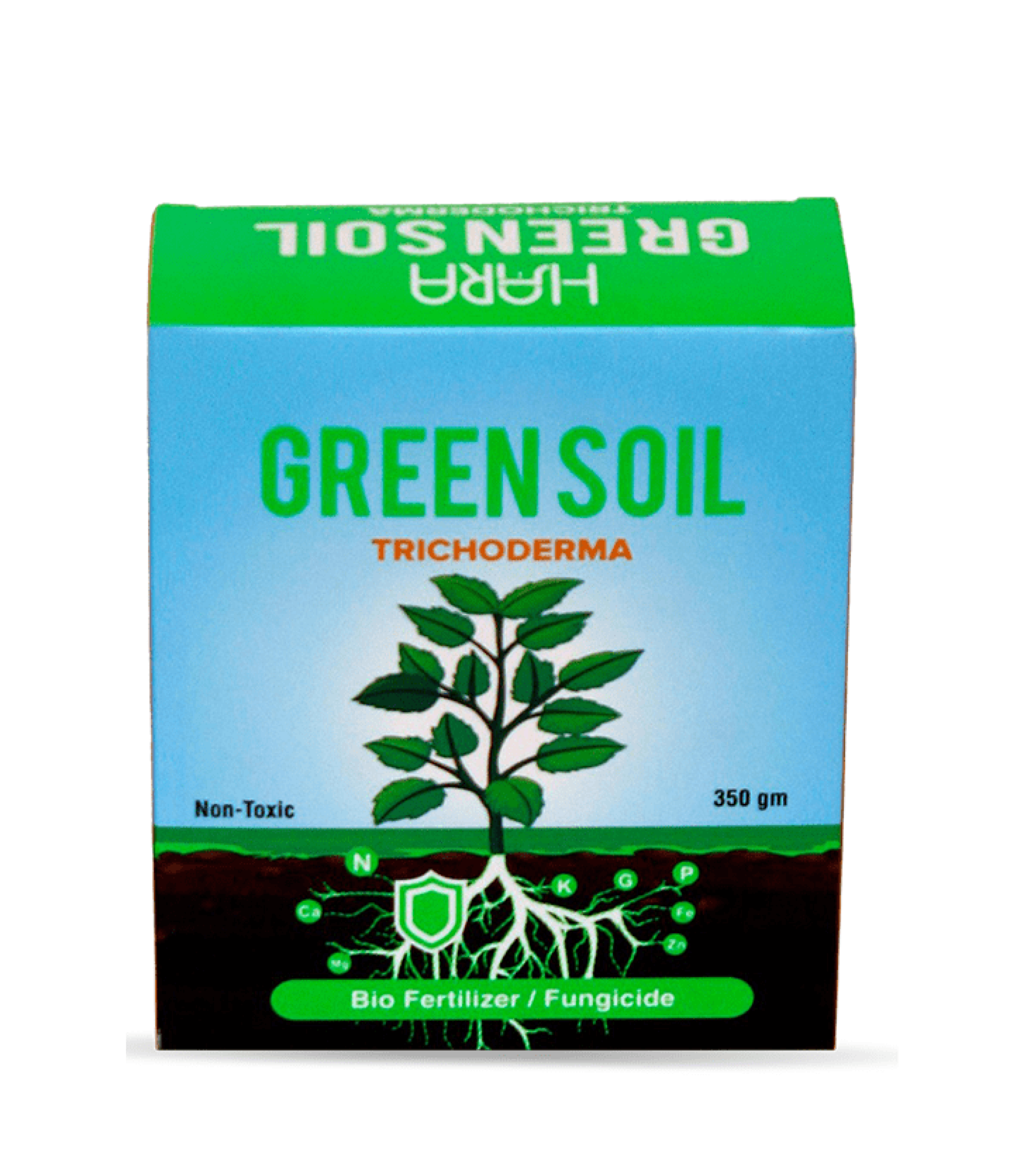
Applying Trichoderma (Green Soil) through flood irrigation
Avoiding waterlogging
Using healthy seed setts
Strong soil microbes suppress fungal diseases naturally.
Common sugarcane diseases in Pakistan include:
Red rot
Smut disease
Root rot
Top rot
Most of these are soil-borne and fungal, and can be controlled through organic soil management.
Organic Fertilizer Plan for Sugarcane (Hara Pakistan)
| Growth Stage | Time | Hara Product | Application Method | Dose / Acre | Key Benefits |
|---|---|---|---|---|---|
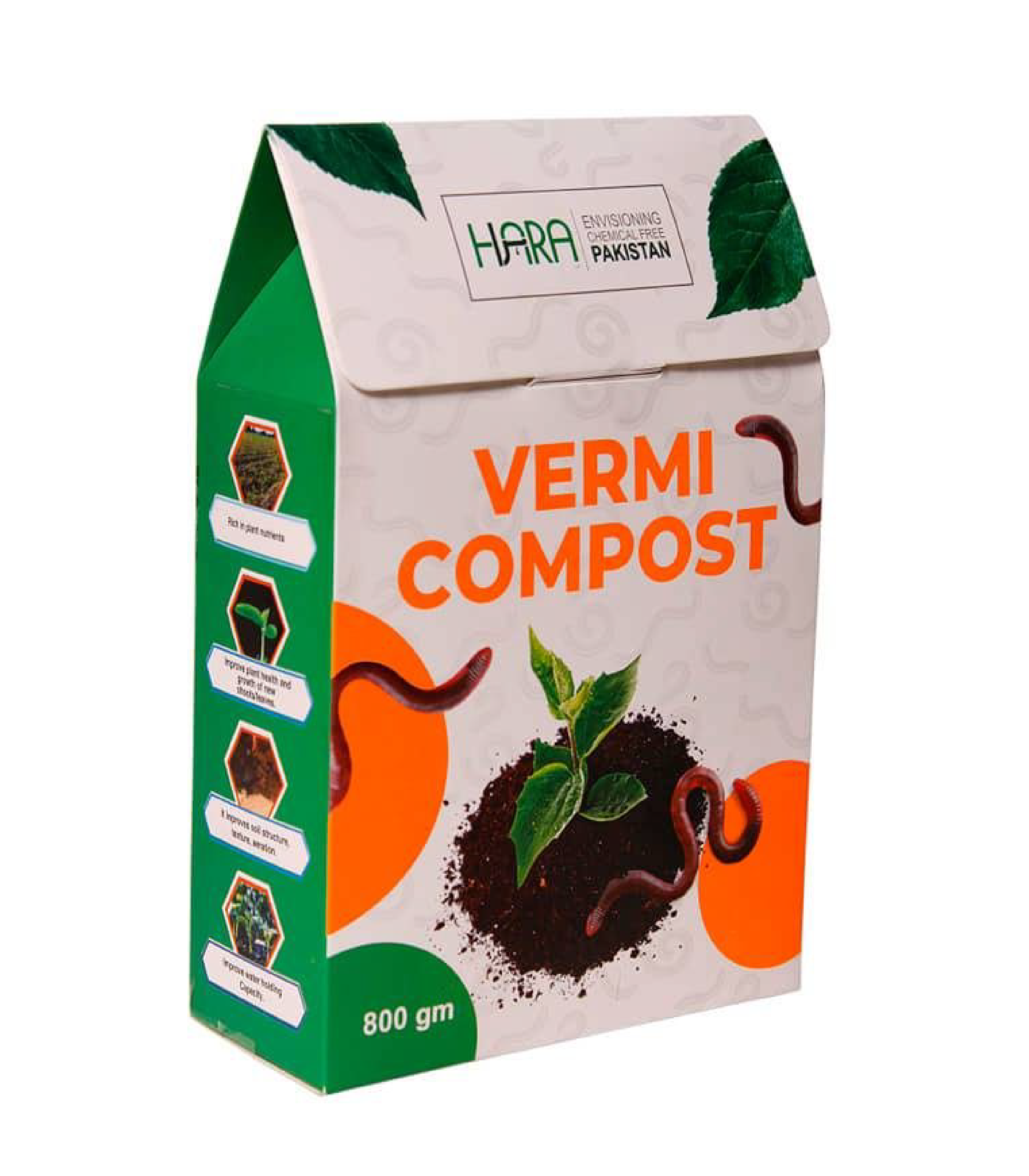
| Land Preparation | Before sowing | Bio Phos + Vermicompost + Sulfur | Soil incorporation | Bio Phos 2 bags + Vermicompost 5 bags + Sulfur 8 kg | Soil biology activate, phosphorus availability, strong base |
| At Sowing | Day 0 | Green Soil (Trichoderma) | Sett dip / soil drench | 2 packs / acre | Soil-borne diseases, red rot & root protection |
| Early Growth | 30–40 days | Blue Power + Agri Probiotics + Bio Khad | Foliar + Flood irrigation | Blue Power 1 liter spray + Agri Probiotics as recommended + Bio Khad 1 bag | Nutrient absorption, root strength, early vigor |
| Tillering Stage | 60–70 days | Grow + Fish Hydrolysate + Agri Probiotics + Bio Khad | Foliar + Flood irrigation | Grow 1 liter spray + Fish Hydrolysate 5 liters + Agri Probiotics + Bio Khad 1 bag | Strong & more tillers, balanced growth |
| Vegetative Spray | 70–80 days | Green Gold + Agri Probiotics | Foliar spray | Green Gold 100 g + Agri Probiotics 500 ml | Strong shoots, healthy leaves, vegetative boost |
| Grand Growth | 100–120 days | Agri Probiotics + Bio Khad | Flood irrigation | Agri Probiotics 2 kg + Bio Khad 1 bag | Cane length, nutrient holding, biomass increase |
| Elongation Stage | 120–150 days | Agri Probiotics | Foliar spray | 500 ml + 250 ml | Internode elongation, cane height improvement |
| Pre-Maturity | 180–200 days | Potassium Sulfate | Soil / irrigation | 25 kg | Sugar recovery, juice quality, brix improvement |
🛡️ Organic Sugarcane Disease & Pest Control in Pakistan
Organic sugarcane farming in Pakistan is gaining popularity because it reduces input cost and improves soil health. However, many farmers still worry about diseases and pests, especially red rot, smut, borers, and termites.
The good news is that most sugarcane diseases are soil-borne and can be controlled naturally by improving soil biology.
This guide explains disease-wise organic sugarcane pest and disease control using the Hara Organic Farming System.
🌱 Why Disease Control in Sugarcane Is Important
Sugarcane is a long-duration crop. Therefore, even a small disease problem can cause serious yield loss if not managed on time.
Organic disease management focuses on:
Preventing fungal infection
Strengthening plant immunity
Maintaining beneficial soil microbes
Reducing chemical dependency
As a result, disease pressure reduces naturally over time.
🦠 Red Rot Disease in Sugarcane (Most Dangerous in Pakistan)
Red rot is the most destructive sugarcane disease in Pakistan. It spreads through infected seed setts and soil-borne fungi.
Common Symptoms
Drying of canes
Reddish discoloration inside cane
Reduced sugar recovery
Organic Control (Hara System)
Apply Green Soil (Trichoderma) through flood irrigation or soil drenching
Maintain good drainage
Avoid infected planting material
👉 Trichoderma suppresses red rot fungus naturally and protects the root zone.
🦠 Smut Disease (Whip Smut) in Sugarcane
Smut disease appears as black whip-like structures emerging from the plant.
Why Smut Appears
Weak plant immunity
Poor soil health
Continuous chemical fertilizer use
Organic Solution
Soil application of Green Soil (Trichoderma)
Foliar spray of Neem Oil for fungal suppression
This combination stops disease spread and strengthens plant resistance.
🌱 Root Rot and Sett Rot in Sugarcane
Root rot and sett rot are soil-borne fungal diseases that cause weak germination and yellowing plants.
Organic Management
Sett treatment with Green Soil before planting
Soil drenching with Trichoderma after disease appearance
Healthy roots ensure better nutrient uptake and higher yield.
🐛 Pyrilla (Leaf Hopper) in Sugarcane
Pyrilla is a common sucking pest in sugarcane fields, especially in Punjab and Sindh.
Damage Caused
Sap sucking
Leaf drying
Reduced photosynthesis
Organic Control
Spray Neem Oil at recommended dose
Maintain balanced nutrition
Neem oil works as a natural insect repellent and growth regulator.
🐛 Top Borer and Shoot Borer in Sugarcane
Borers damage the central shoot and reduce cane population.
Organic Solution
Neem oil foliar sprays
Use of light traps for monitoring
Early control prevents major yield loss.
🐜 Termites in Sugarcane Fields
Termites damage seed setts and roots, especially in dry soils.
Organic Control Method
Apply Agri Probiotics through flood irrigation
Improve soil moisture and organic matter
Balanced soil microbes naturally suppress termites.
🌿 Why Organic Sugarcane Has Fewer Pests and Diseases
Organic sugarcane fields have:
Better soil microbial diversity
Stronger root systems
Balanced nutrition
Lower stress levels
As a result, pests and diseases remain under natural control.
