

The Sustainable Gardener’s Guide to Growing Organic Potatoes

Wheat is one of Pakistan's most important staple crops and plays a vital role in food security and farm income. However, continuous use of chemical fertilizers and pesticides has gradually reduced soil fertility and affected long-term productivity.
The Wheat Organic Growth Guide provides a sustainable approach to wheat cultivation through soil health improvement, organic nutrition, efficient irrigation, and natural crop protection. Organic farming helps produce healthier wheat grain while improving soil fertility and supporting long-term agricultural sustainability.
Benefits of Organic Wheat Farming
• Improved soil fertility and microbial activity
• Better root development and nutrient uptake
• Reduced chemical input dependency
• Improved grain quality and yield stability
• Enhanced water retention capacity
• Reduced pest and disease pressure
• Sustainable long-term productivity
Best Wheat Varieties For Organic Farming
Selecting suitable wheat varieties is essential for successful organic production. Farmers should choose varieties that are adaptable to local climatic conditions, possess strong disease resistance, and perform efficiently under organic nutrient management systems.
Suitable varieties help improve germination, tillering, grain development, and overall crop productivity.
Benefits Of Choosing Suitable Varieties
• Better germination percentage
• Improved disease tolerance
• Strong tiller formation
• Higher yield potential
• Better grain quality
Soil Fertility Management
Healthy soil is the foundation of productive organic wheat farming. Organic soil management focuses on increasing organic matter, improving microbial activity, and enhancing nutrient availability through natural inputs.
The use of compost, farmyard manure, and beneficial microorganisms helps create a fertile soil environment that supports healthy wheat growth.
Benefits Of Improved Soil Fertility
• Enhanced nutrient availability
• Better soil structure
• Increased microbial activity
• Improved moisture retention
• Stronger root growth
Land Preparation For Wheat
Proper land preparation ensures good seed-to-soil contact and promotes uniform germination. Well-prepared soil supports root development and improves water infiltration.
Incorporating organic matter before sowing helps create favorable conditions for crop establishment and growth.
Benefits Of Proper Land Preparation
• Uniform crop establishment
• Better root penetration
• Improved moisture conservation
• Enhanced soil fertility
• Reduced weed pressure
Organic Fertilization Plan
Balanced nutrition is essential for healthy wheat growth and grain formation. Organic fertilization programs supply nutrients gradually while improving long-term soil health.
A proper nutrient management plan supports tillering, vegetative growth, flowering, and grain filling stages.
Benefits Of Organic Fertilization
• Sustainable nutrient supply
• Improved plant vigor
• Better tillering and growth
• Enhanced grain formation
• Long-term soil improvement
Irrigation Management
Efficient irrigation management plays a critical role in wheat production. Wheat requires adequate moisture during germination, tillering, flowering, and grain filling stages.
Organic farming practices improve soil water retention, helping crops utilize available moisture more efficiently.
Benefits Of Proper Irrigation
• Better crop growth
• Improved nutrient uptake
• Reduced moisture stress
• Enhanced grain development
• Higher productivity
Foliar Nutrition Program
Foliar nutrition provides supplemental nutrients during critical growth stages when crop demand increases. Organic foliar applications help improve plant health and overall crop performance.
Regular foliar feeding supports stronger growth and better grain development.
Benefits Of Foliar Nutrition
• Faster nutrient absorption
• Improved crop vigor
• Better photosynthesis activity
• Enhanced grain filling
• Increased stress tolerance
Organic Pest Management
Organic pest management focuses on prevention through healthy soil, balanced nutrition, biological controls, and regular field monitoring.
Maintaining a healthy crop ecosystem helps reduce pest pressure while protecting beneficial organisms.
Benefits Of Organic Pest Management
• Reduced pest infestations
• Lower chemical dependency
• Improved crop health
• Enhanced biodiversity
• Sustainable crop protection
Organic Disease Management
Disease prevention is a key component of organic wheat production. Healthy plants are naturally more resistant to diseases and environmental stress.
Organic disease management includes crop rotation, balanced nutrition, sanitation practices, and biological disease suppression.
Benefits Of Disease Management
• Lower disease incidence
• Improved plant health
• Better yield stability
• Enhanced grain quality
• Sustainable production
Weed Management
Weeds compete with wheat plants for nutrients, moisture, and sunlight. Effective weed management is especially important during early crop growth stages.
Organic weed control relies on timely cultivation, crop rotation, mulching, and proper field management practices.
Benefits Of Weed Management
• Reduced crop competition
• Better nutrient utilization
• Improved moisture conservation
• Stronger crop growth
• Higher yields
Grain Development And Maturity
Proper crop management during flowering and grain filling stages directly influences final yield and grain quality. Adequate nutrition and moisture support healthy grain development and uniform maturity.
Healthy crops produce heavier grains with improved market value.
Benefits Of Proper Grain Development
• Better grain filling
• Improved grain quality
• Higher yield potential
• Uniform crop maturity
• Increased profitability
Harvesting And Post-Harvest Management
Timely harvesting helps preserve grain quality and minimize losses. Proper drying, cleaning, and storage are essential for maintaining grain quality and preventing storage damage.
Good post-harvest practices improve marketability and profitability.
Benefits Of Proper Harvest Management
• Improved grain quality
• Reduced storage losses
• Better market prices
• Longer storage life
• Increased profitability
Conclusion
The Wheat Organic Growth Guide provides a complete framework for sustainable wheat cultivation through soil health improvement, organic nutrition, efficient irrigation, natural pest management, and responsible harvesting practices. By adopting organic farming methods, growers can improve grain quality, maintain soil fertility, reduce production costs, and achieve long-term agricultural sustainability.

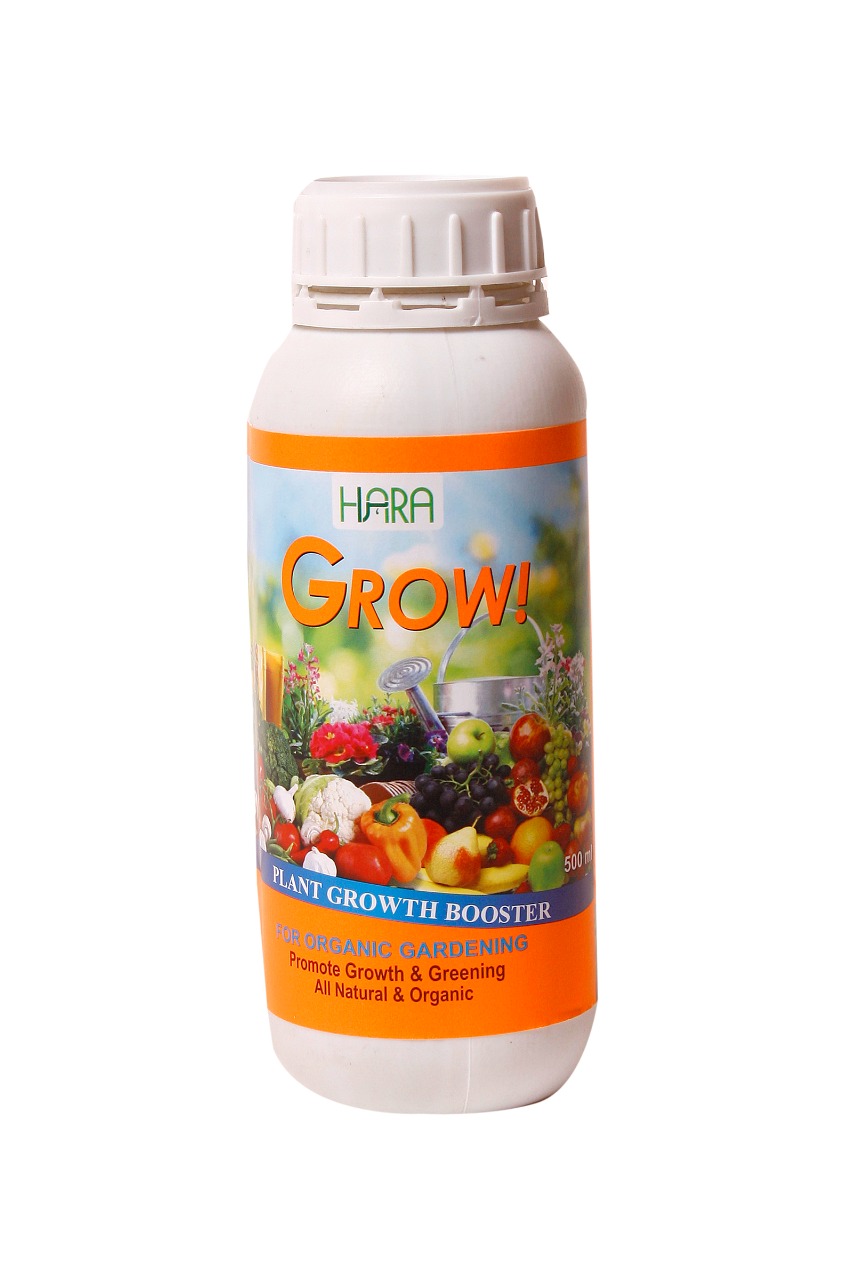
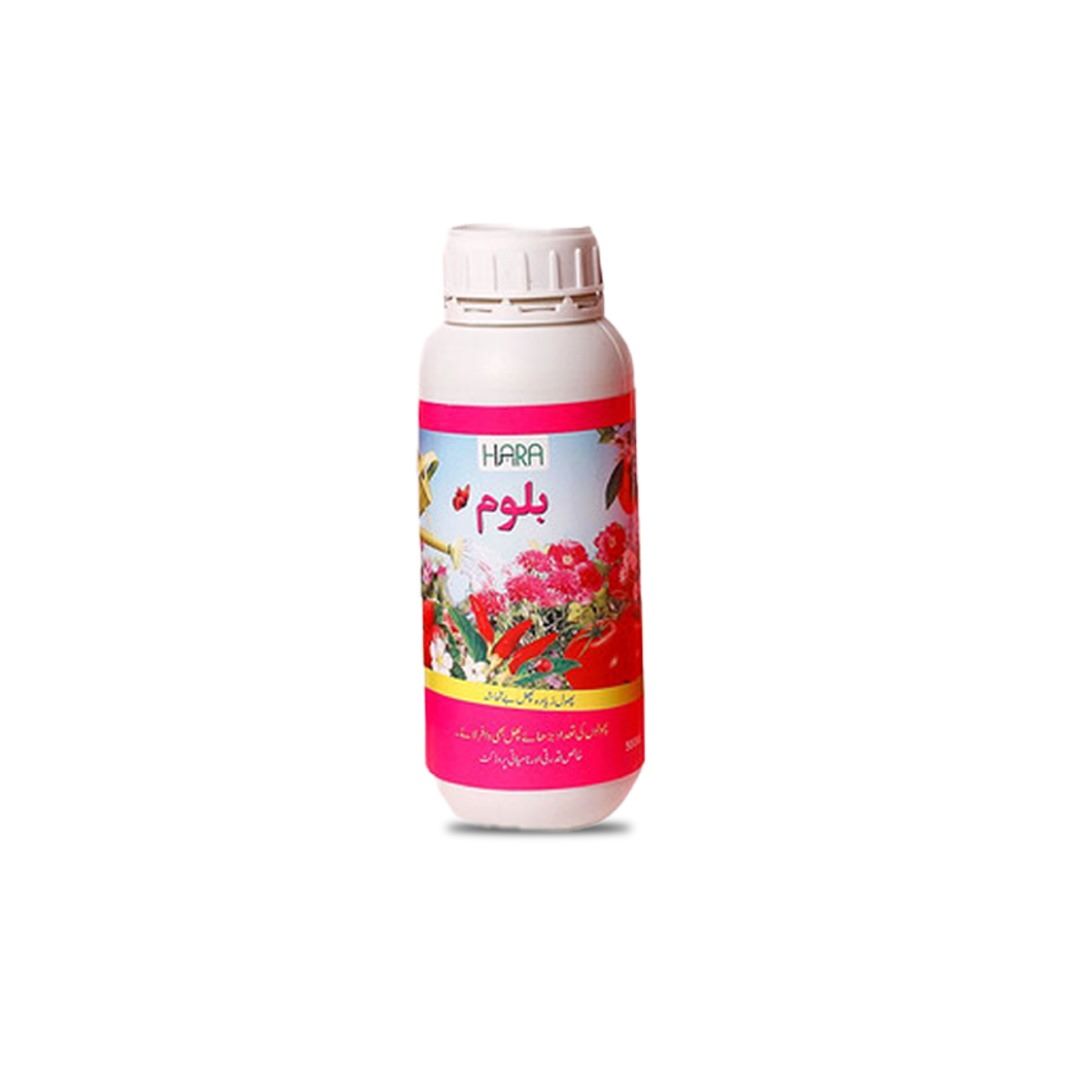
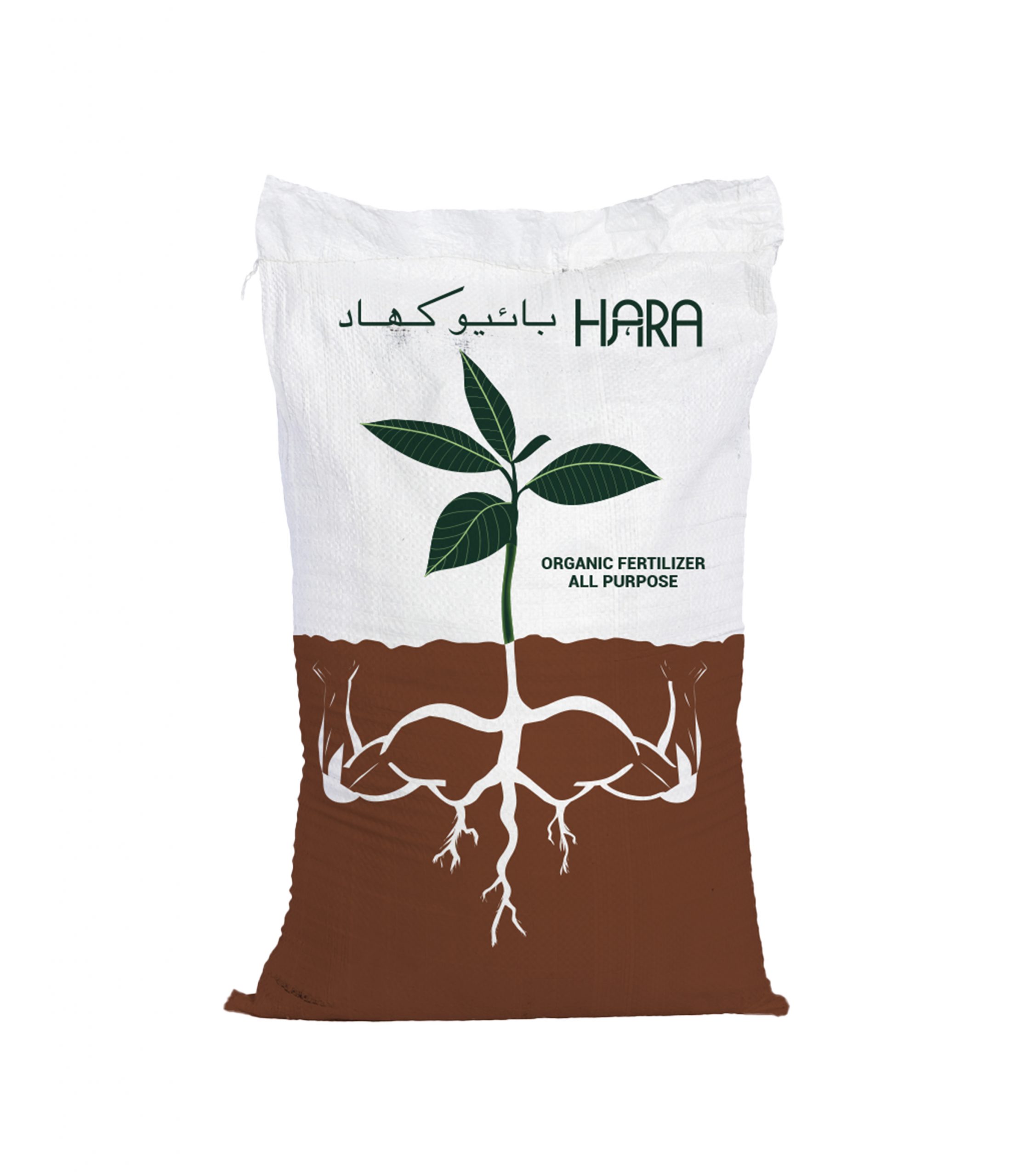
To grow wheat organically, start by selecting certified organic wheat seeds suited to your local climate. Prepare the field with deep plowing and compost application to improve soil fertility. Sow seeds at the recommended spacing and depth, then apply organic mulch or green manure to suppress weeds. Maintain proper irrigation scheduling, avoid water stress, and control pests using biological methods and crop rotation. Harvest wheat when the grains harden and the crop turns golden, then dry and store it naturally
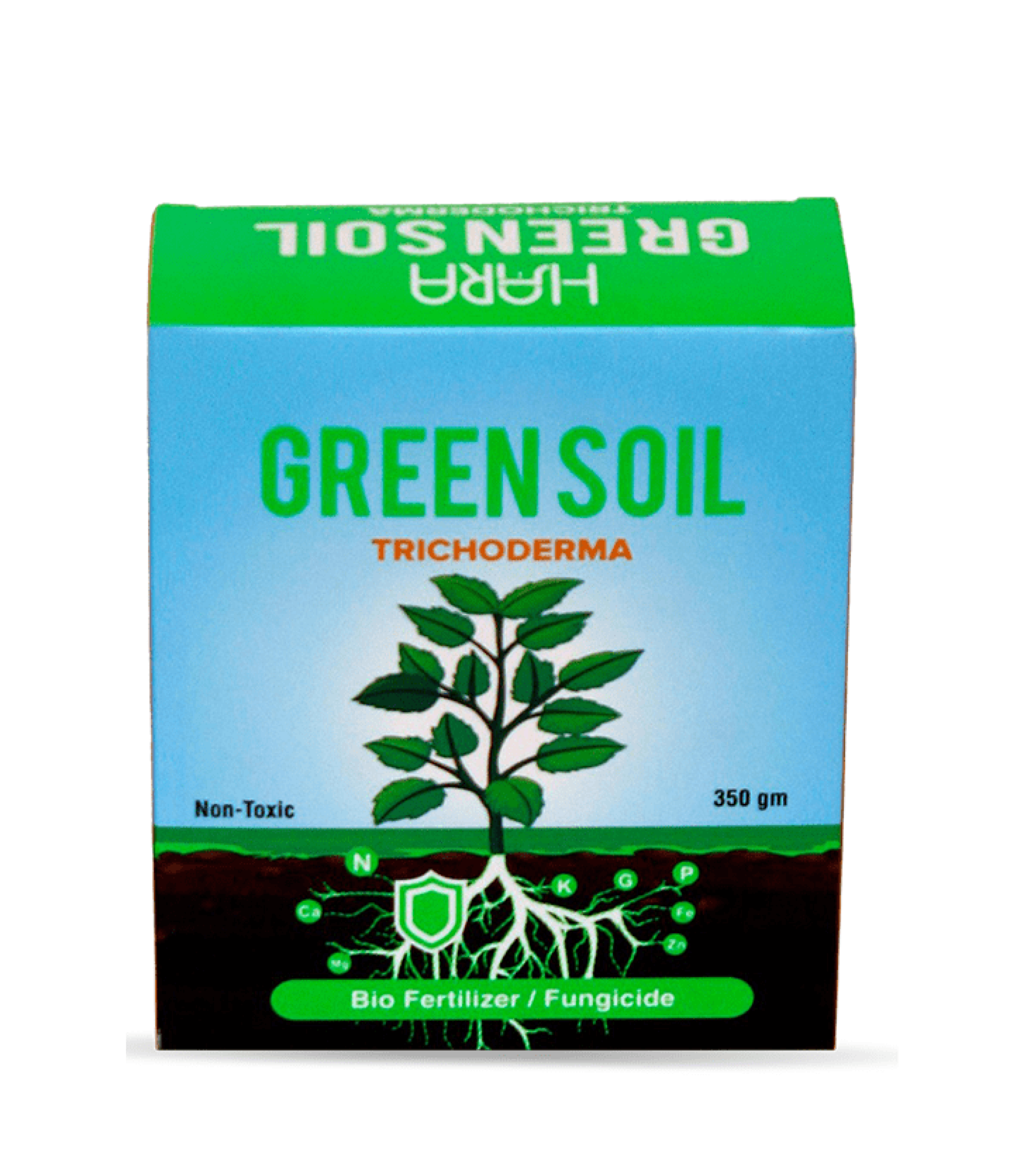
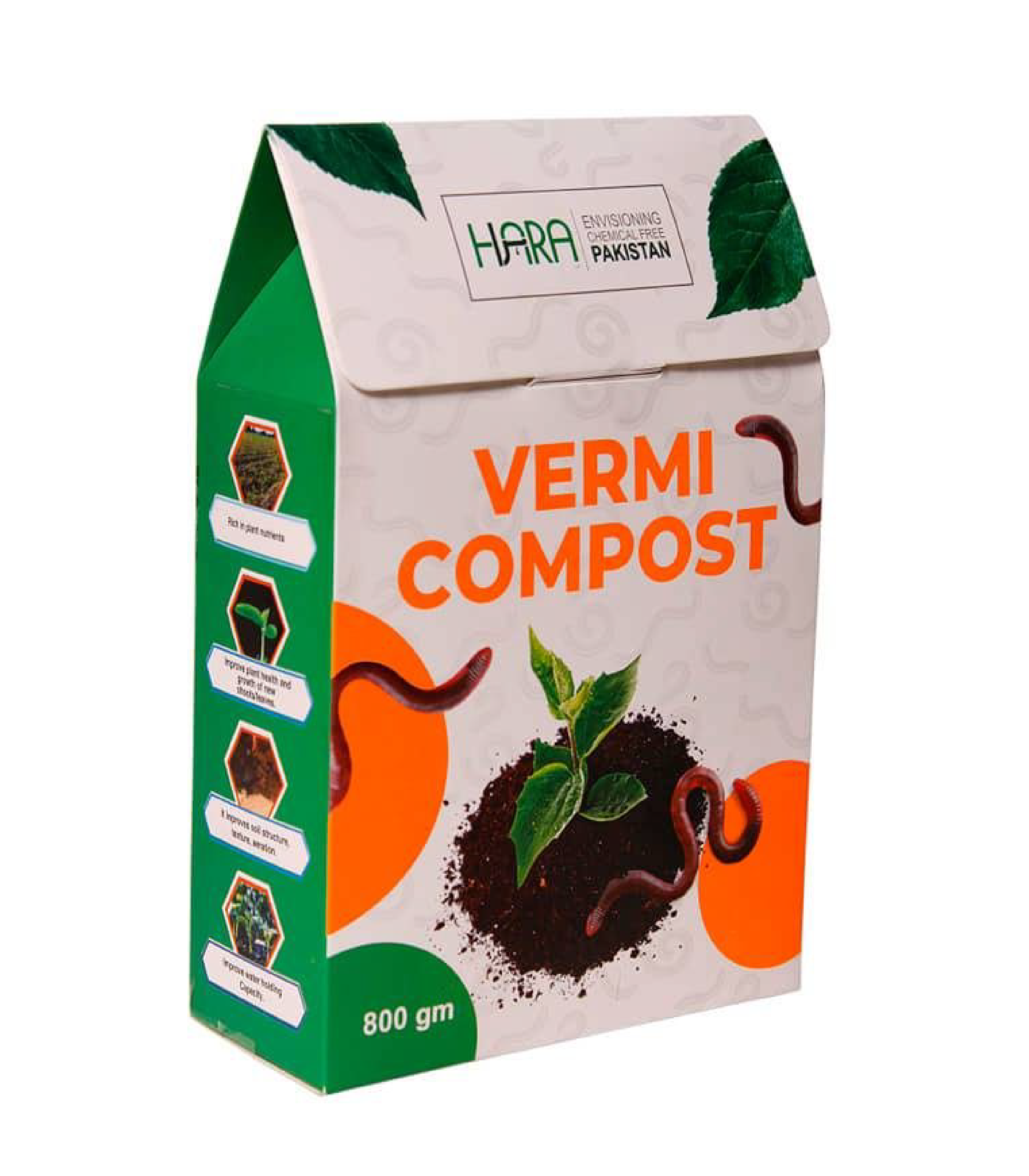
The best organic fertilizers for wheat include well-decomposed farmyard manure (FYM), vermicompost, bone meal, and biofertilizers like Azotobacter and Phosphate Solubilizing Bacteria (PSB). These inputs improve soil nitrogen availability and support strong tiller formation. Apply organic fertilizers before sowing and as a top dressing during early growth stages to maximize organic wheat yield without chemical dependency.
Weed and disease control in organic wheat farming relies on preventive cultural practices. Use crop rotation, timely sowing, and mechanical weeding to manage weed pressure. For diseases like rust and smut, choose disease-resistant wheat varieties and maintain proper plant spacing for airflow. Organic solutions such as neem-based sprays and Trichoderma help suppress fungal infections while keeping the wheat crop 100% organic and residue-free.
Fertilizer / Product Schedule Format
| Stage | Approx. Days / Timing | Product / Fertilizer | Application Method | Quantity / Dose | Notes |
|---|---|---|---|---|---|
| Land Preparation / Plowing | 0 | __________ | Soil incorporation | __________ | __________ |
| Sowing / Planting | 0–5 | __________ | Soil / Seed treatment | __________ | __________ |
| Germination / Seedling | 5–15 | __________ | Foliar / Soil | __________ | __________ |
| Vegetative / Leaf Development | 15–30 | __________ | Foliar / Soil | __________ | __________ |
| Tillering / Branching | 30–45 | __________ | Foliar / Soil | __________ | __________ |
| Flowering / Bud Formation | 45–60 | __________ | Foliar / Soil | __________ | __________ |
| Fruit / Grain Setting | 60–75 | __________ | Foliar / Soil | __________ | __________ |
| Maturity / Ripening | 75–90 | __________ | Foliar / Soil | __________ | __________ |
| Harvest / Post-Harvest | 90+ | __________ | Soil incorporation / Mulching | __________ | __________ |
