

Organic Mustard Crop Plan in Pakistan | Hara Organic PGS

Organic mustard farming in Pakistan is becoming a profitable and sustainable choice for farmers who want better soil health, safer food production, and long term crop value. Mustard is an important oilseed crop in Pakistan because it is used for cooking oil, animal feed, and traditional farming systems.
Under Hara Organic PGS, mustard is grown through organic seeds, clean irrigation water, biological fertilizers, compost, and non chemical crop protection methods. This approach helps farmers produce chemical free mustard with better oil quality, healthy plant growth, and improved soil fertility.
This complete organic mustard crop plan in Pakistan explains the full process from land preparation to harvesting according to Hara Pakistan’s organic farming standards.
Why Organic Mustard Farming Is Important in Pakistan
Mustard is a low input and high value crop that performs well in many regions of Pakistan. Farmers can grow mustard successfully in Punjab, Sindh, KPK, and Balochistan if the soil, irrigation, and crop care are managed properly.
Organic mustard farming reduces dependency on synthetic fertilizers and harmful pesticides. It also supports beneficial soil microbes, improves root development, and helps maintain natural fertility. With the growing demand for chemical-free cold-pressed mustard oil, organic mustard has strong market potential.
For farmers, the main benefit is that organic mustard can improve both crop value and soil health simultaneously.
Best Climate and Soil for Organic Mustard Crop
Mustard grows best in cool and dry weather. The crop performs well when the temperature is moderate during vegetative growth and dry during maturity. Excess moisture, waterlogging, and very high humidity can increase disease risk.
Well drained loamy soil is best for mustard farming. The soil should be fertile, soft, and rich in organic matter. Before sowing, farmers should add compost, farmyard manure, or Hara organic soil improvement products to build soil strength.
The ideal soil should have:
Good drainage, soft structure, organic matter, and balanced moisture.
Land Preparation for Organic Mustard
Proper land preparation is very important for uniform germination and healthy crop growth. The field should be cleaned from previous crop residues, weeds, and hard soil layers. Deep ploughing helps improve soil aeration and root penetration.
After ploughing, apply well decomposed compost or organic manure. The field should then be leveled properly to support even irrigation. Uneven land can cause waterlogging in some areas and dry patches in others, which affects germination.
Under Hara Organic PGS, land preparation focuses on improving soil life instead of only preparing the surface.
Seed Selection and Sowing Time
Farmers should always use clean, healthy, and untreated mustard seed for organic production. Seed should be selected from a reliable source and should not be treated with chemical fungicides.
The best sowing time for mustard in Pakistan is usually from October to November, depending on local climate conditions. Early sowing helps the crop establish strong roots before extreme cold or heat stress.
Seed rate depends on variety and sowing method, but farmers should avoid overcrowding because dense plants increase disease pressure and reduce branching.
Organic Seed Treatment
Organic seed treatment helps protect young seedlings from soil borne problems. Instead of chemical treatment, farmers can use biological seed treatment solutions, compost tea, beneficial microbes, or approved organic inputs.
Seed treatment supports early germination, root growth, and disease resistance. This step is especially important in organic mustard farming because strong seedlings create the foundation for better yield.
Irrigation Management
Mustard does not need excessive water, but timely irrigation is important. Clean irrigation water should be used according to Hara Organic PGS standards. Over irrigation can damage roots and increase fungal disease.
Important irrigation stages include germination, flowering, and pod formation. Moisture stress during flowering and seed development can reduce yield and oil content.
Farmers should avoid standing water in the field. Light and timely irrigation is better than heavy watering.
Organic Fertilizer Plan for Mustard
Organic mustard needs balanced nutrition for strong growth, flowering, pod formation, and oil development. Farmers should focus on soil fertility before and during crop growth.
Organic nutrition may include compost, farmyard manure, bio fertilizers, humic substances, seaweed based inputs, and beneficial microbes. These inputs improve nutrient availability and support natural plant growth.
Hara organic fertilizers can help improve soil structure, root strength, microbial activity, and overall crop health.
Weed Management in Organic Mustard
Weeds compete with mustard for nutrients, sunlight, and moisture. Early weed control is very important because mustard grows slowly in the beginning.
Manual weeding or mechanical hoeing should be done during the early growth stage. Farmers should keep the field clean during the first 30 to 40 days after sowing.
Organic mulching can also help reduce weed pressure and conserve soil moisture.
Organic Pest and Disease Management
Mustard can be affected by aphids, caterpillars, fungal diseases, and leaf spots. In organic farming, prevention is more important than chemical control.
Farmers should maintain proper plant spacing, avoid over irrigation, use healthy seed, and monitor the crop regularly. Neem based sprays, biological pest control, and approved organic solutions can be used when pest pressure starts increasing.
Under Hara Organic PGS, crop protection should be based on non chemical and environment friendly methods.
Flowering and Pod Development Stage
The flowering stage is very important for mustard yield. During this stage, the crop needs balanced moisture, healthy nutrition, and protection from pests.
Farmers should avoid stress during flowering because it directly affects pod formation and seed setting. Proper organic nutrition at this stage helps improve seed size and oil content.
Harvesting of Organic Mustard
Mustard should be harvested when most pods turn yellow brown and seeds become hard. Delayed harvesting can cause seed shattering and yield loss.
After harvesting, the crop should be dried properly before threshing. Seeds should be cleaned and stored in a dry place to protect quality and prevent moisture damage.
Organic mustard should be stored separately from chemically grown crops to maintain organic integrity.
Benefits of Hara Organic PGS Mustard Farming
Hara Organic PGS supports farmers with a practical organic farming system that focuses on soil health, safe food, and sustainable production. This method helps reduce chemical dependency and improves long term farm productivity.
Organic mustard grown under Hara Organic PGS can offer better market value, safer oil production, and improved environmental protection.
Conclusion
Organic mustard farming in Pakistan is a smart opportunity for farmers who want to grow a profitable oilseed crop while improving soil health. With proper land preparation, organic seed selection, clean irrigation, bio fertilizers, and natural pest control, mustard can be grown successfully without harmful chemicals.
By following Hara Organic PGS, farmers can produce high quality organic mustard, support sustainable agriculture, and meet the growing demand for chemical free mustard oil in Pakistan.

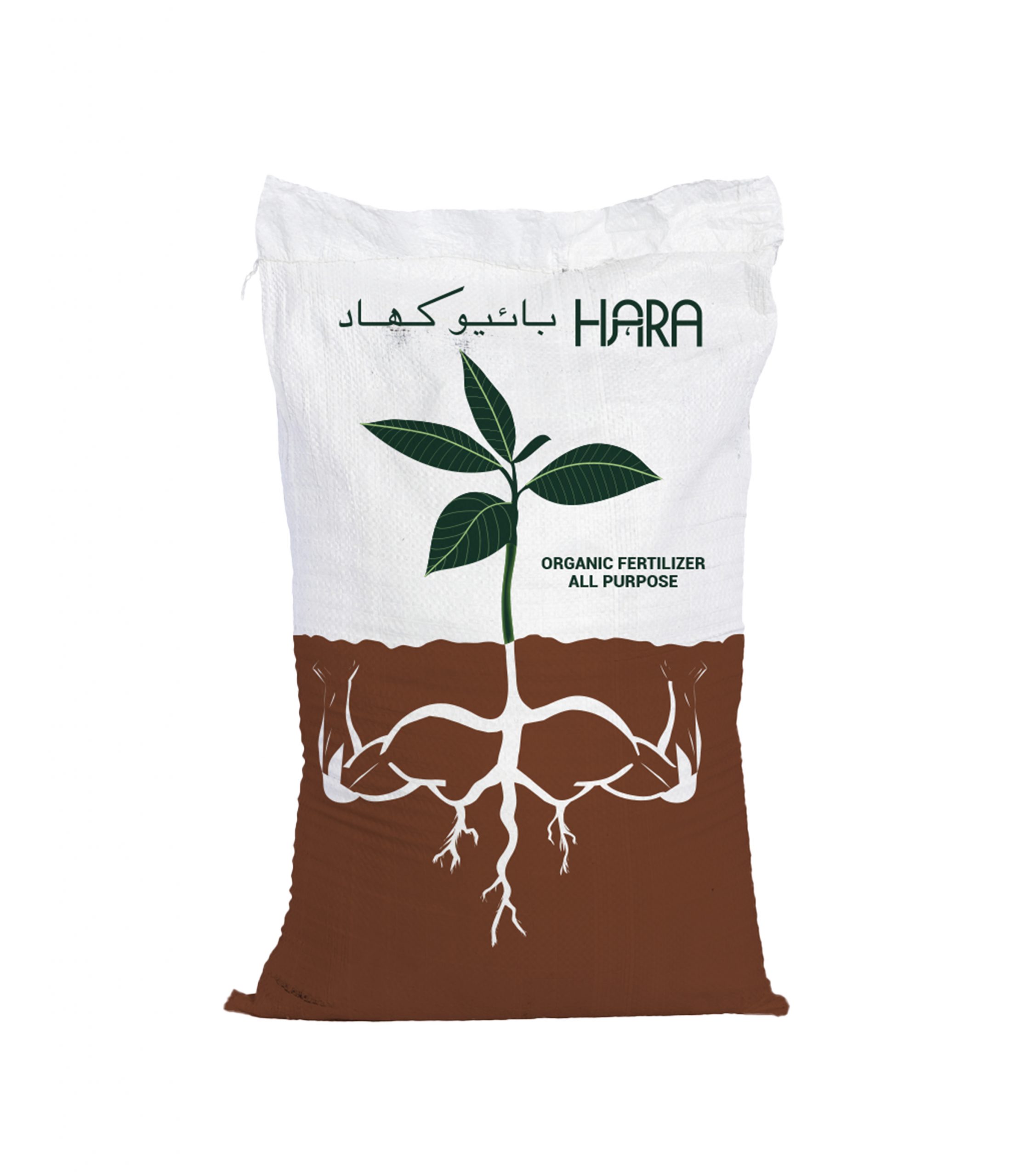
The organic mustard crop plan should be followed during the October to November sowing window. Timely planting under Hara Organic PGS ensures better plant establishment, higher yield, and improved oil content.
Only organic, open-pollinated (non-hybrid, non-GMO) mustard seeds are allowed.
Hybrid, GMO, or chemically treated seeds are strictly prohibited.
No. Under Hara Organic PGS, the use of chemical fertilizers such as urea, DAP, SOP, or NPK is strictly prohibited.
Only bio-fertilizers, probiotics, and approved organic inputs are permitted.
Irrigation water must be free from sewage, industrial waste, or chemical contamination.
The use of polluted or drain water is not allowed under organic PGS standards.
Pest management is done using:
Neem-based products
Trichoderma and other biological agents
Yellow sticky traps (60 sheets per acre)
Plant strengthening sprays
Chemical pesticides and insecticides are not allowed.
Fish hydrolysate provides natural nitrogen, amino acids, and micronutrients, which support seed filling, oil formation, and overall plant health.
Fish hydrolysate provides natural nitrogen, amino acids, and micronutrients, which support seed filling, oil formation, and overall plant health.
Organic Mustard Crop Fertilizer Schedule | Hara Organic PGS
| Stage | Crop Age / Time | Approved Input (Hara Organic PGS) | Application Method | Recommended Dose | Purpose / Remarks |
|---|---|---|---|---|---|
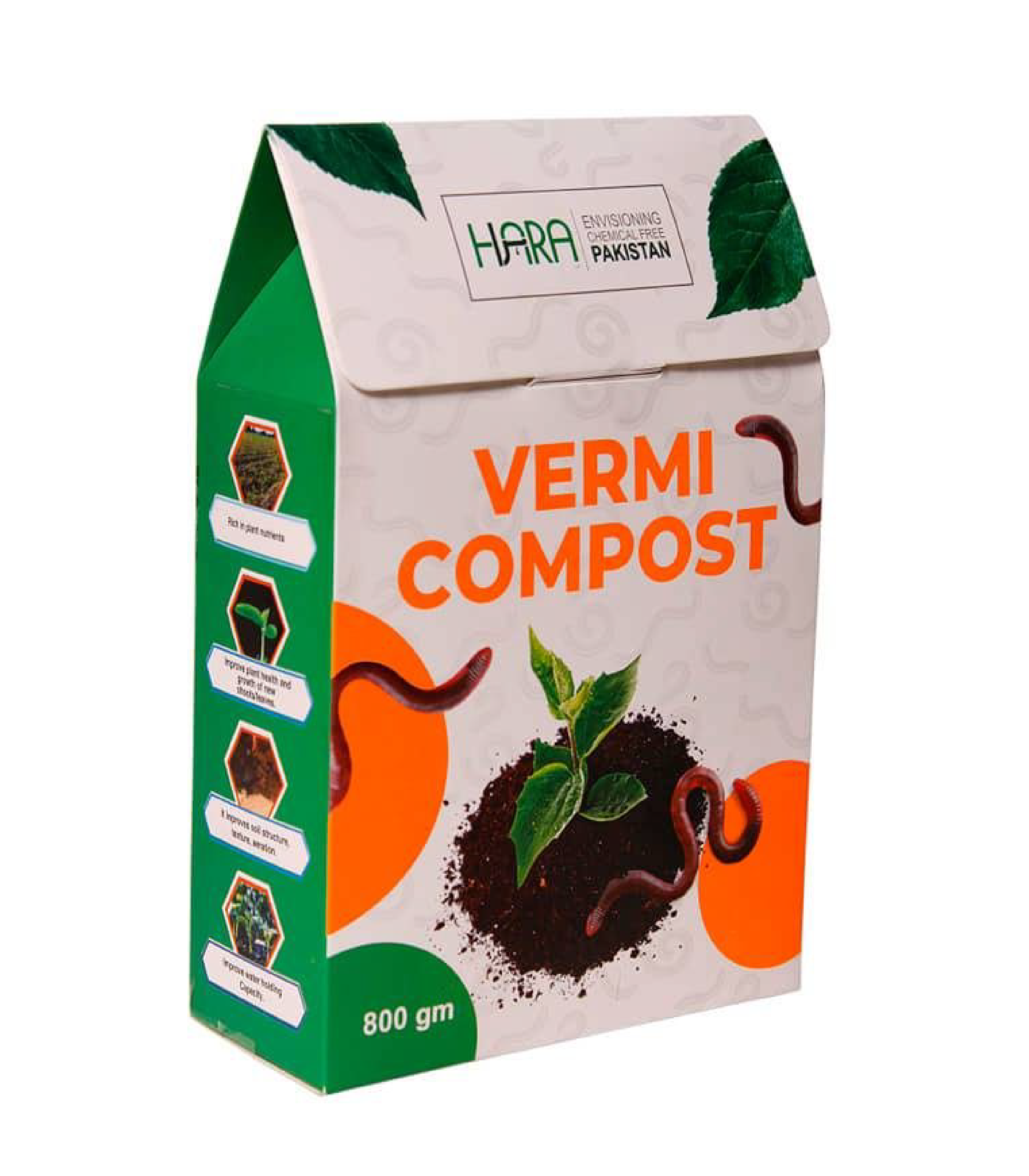
| Land Preparation | Before sowing | Bio Phos + Vermicompost | Soil incorporation | Bio Phos 2 bags + Vermicompost as per soil / acre | Activates soil biology & phosphorus availability |
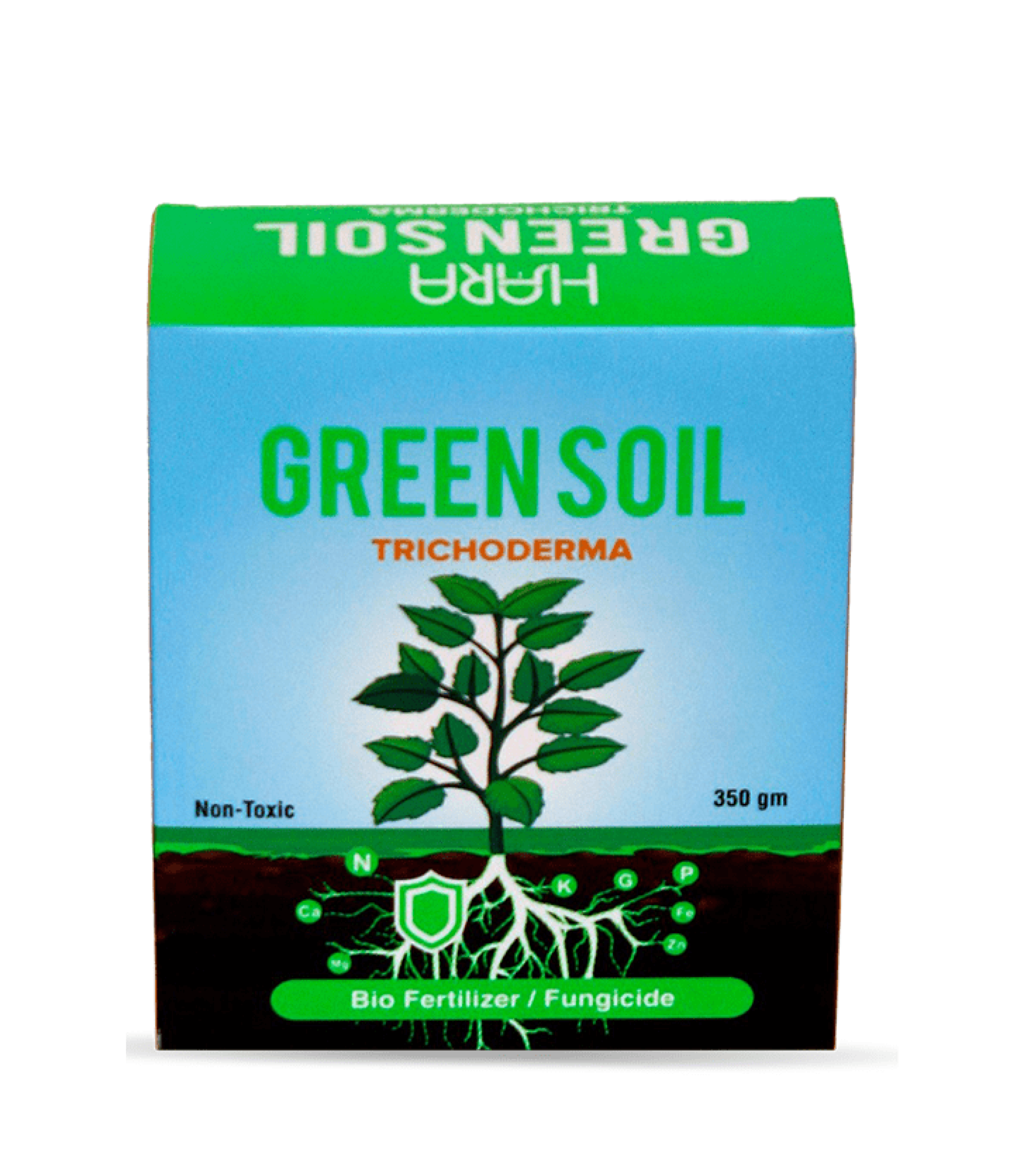
| Sowing Stage | Day 0 | Green Soil (Trichoderma) | Seed or soil treatment | 350 g / acre | Protects seedlings from soil-borne diseases |
| Early Vegetative Growth | 20–25 days | Blue Power + Bio Khad | Foliar / soil | Blue Power 1 L + Bio Khad 1 bag / acre | Strong vegetative growth & root development |
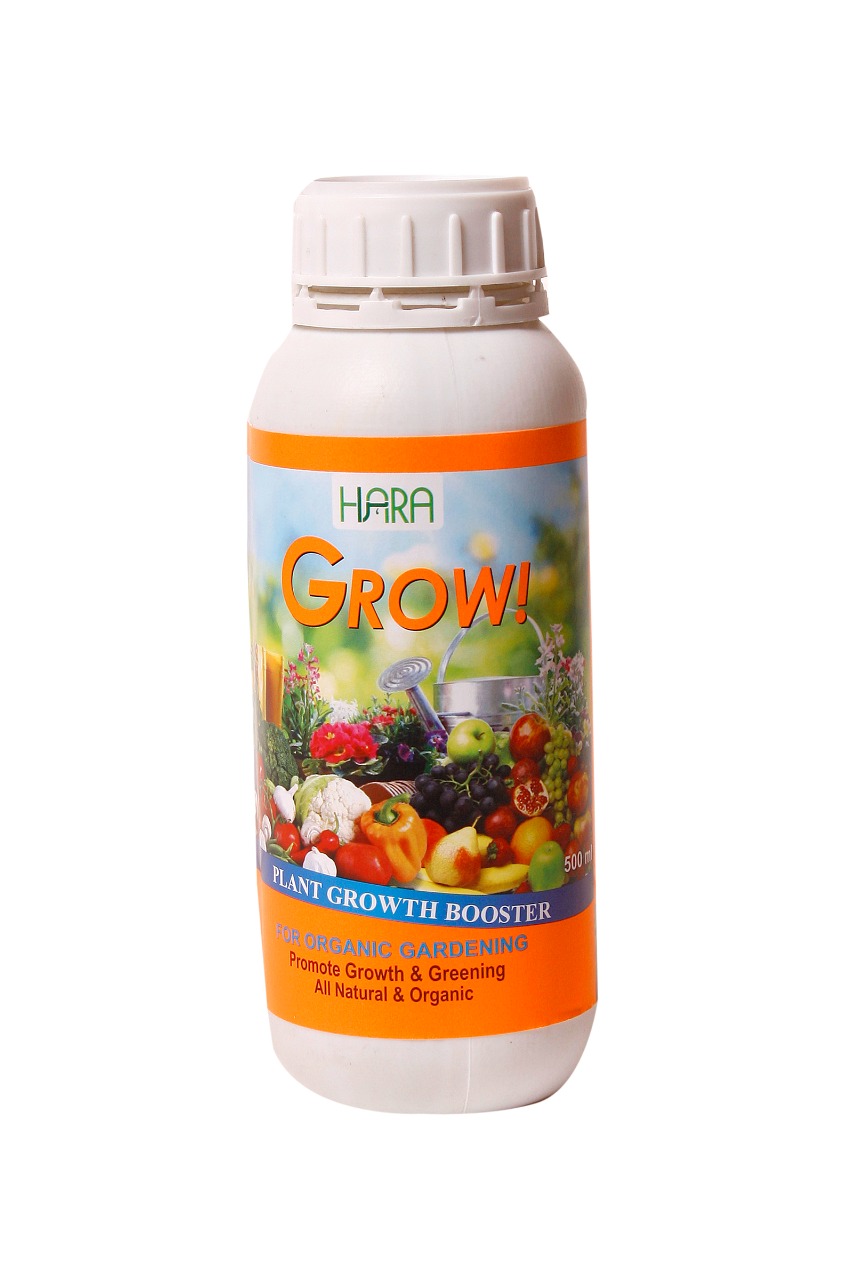
| Tillering Stage | 30–40 days | Grow | Foliar spray | 1 L / 100 L water | Improves tiller strength & plant vigor |
| Flower Initiation | 45–55 days | Seaweed | Foliar / soil | Seaweed 500 g / acre | Enhances flowering & stress tolerance |
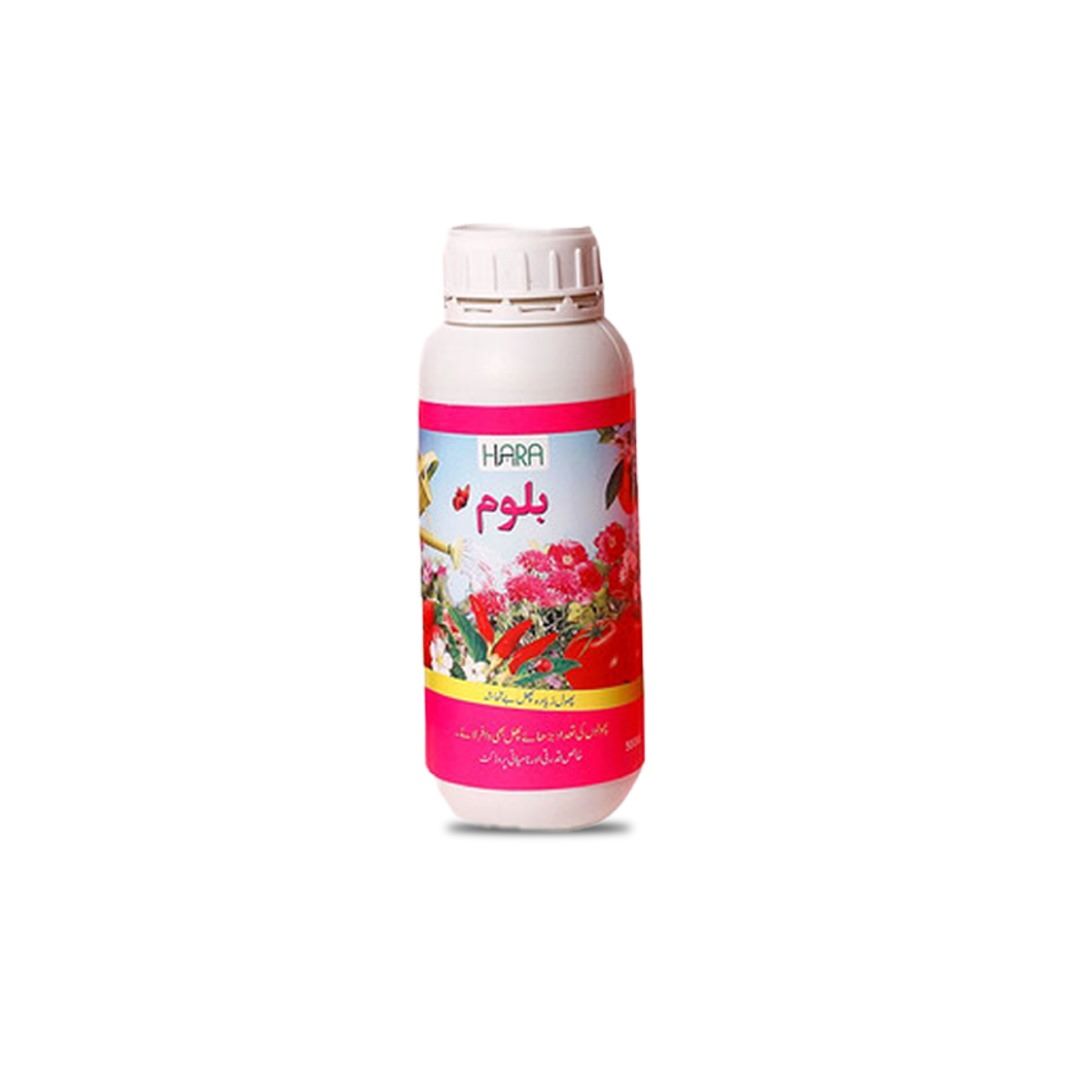
| Pod Formation | 60–75 days | Fish Hydrolysate + Bloom | Flood irrigation / foliar | Fish Hydrolysate 5 L / acre + Grow 1 L / 100 L water spray | Improves seed filling & oil formation |
| Seed Maturity | 75–90 days | Bloom | Foliar / soil | 1 L into 100 L water spray | Improves oil quality & seed weight |
| Pre-Harvest | 10–15 days before harvest | — | — | — | Stop spraying; allow natural ripening |
Need Further Details? Contact Our Experts for Free Consultation!
Mustard is a low input and high value crop that performs well in many regions of Pakistan. Farmers can grow mustard successfully in Punjab, Sindh, KPK, and Balochistan if the soil, irrigation, and crop care are managed properly.
Organic mustard farming reduces dependency on synthetic fertilizers and harmful pesticides. It also supports beneficial soil microbes, improves root development, and helps maintain natural fertility. With the growing demand for chemical-free cold-pressed mustard oil, organic mustard has strong market potential.
For farmers, the main benefit is that organic mustard can improve both crop value and soil health simultaneously.
Why Organic Mustard Farming Is Important in Pakistan
