

Organic Rice Farming in Pakistan – Complete Fertilizer & Disease Management Plan

Rice is one of Pakistan's most important food and export crops, primarily cultivated in Punjab and Sindh. However, excessive use of chemical fertilizers and pesticides has reduced soil fertility, increased production costs, and created residue concerns in local and export markets.
The Rice Organic Growth Guide provides a sustainable approach to rice cultivation through soil health improvement, balanced organic nutrition, biological pest management, and efficient water use. Organic rice farming helps produce healthier crops, improve grain quality, and support long-term agricultural sustainability.
Benefits of Organic Rice Farming
• Improved soil biological activity
• Balanced nutrient availability
• Reduced chemical input dependency
• Better grain quality and yield stability
• Lower pest and disease pressure
• Environmentally sustainable production
• Long-term farm profitability
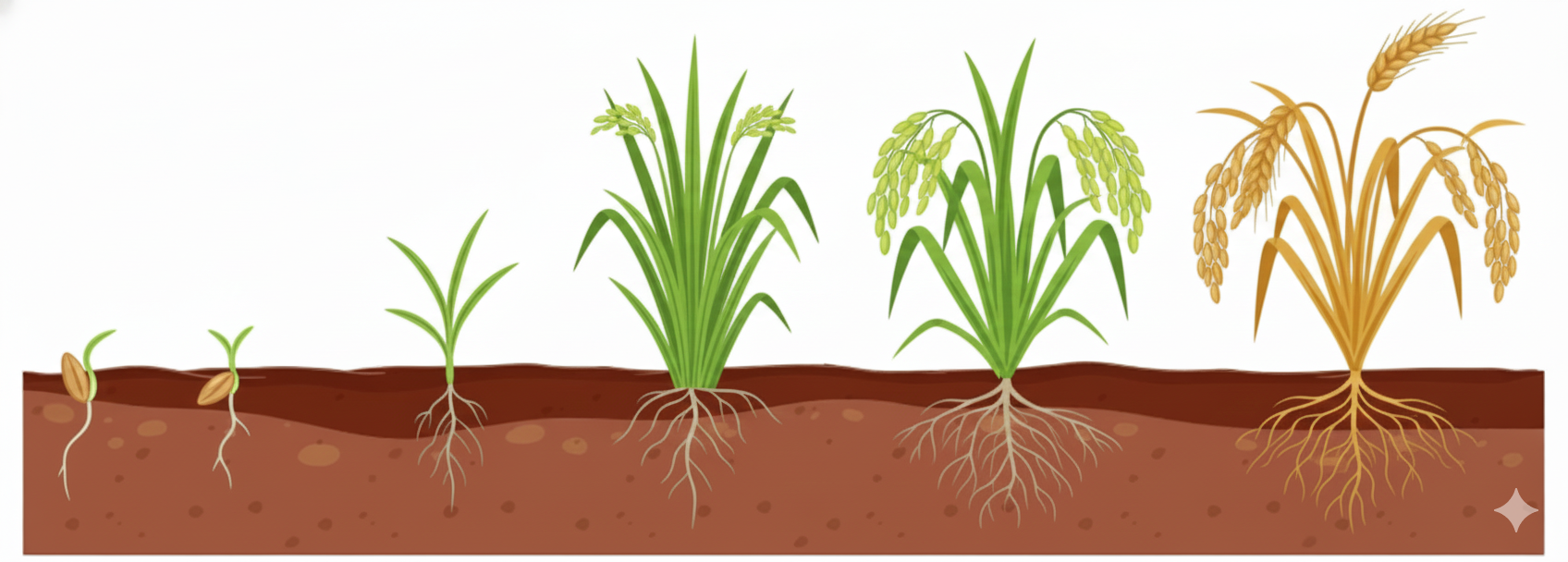
To grow rice organically, start by selecting certified organic rice seeds suitable for your climate. Prepare the field with organic compost and green manure, then transplant seedlings or directly sow seeds in well-leveled, water-retentive soil. Maintain proper water management through controlled irrigation and puddling. Use organic mulches, crop rotation, and natural pest control methods to protect the crop. Harvest rice when grains mature and dry them naturally for chemical-free storage.
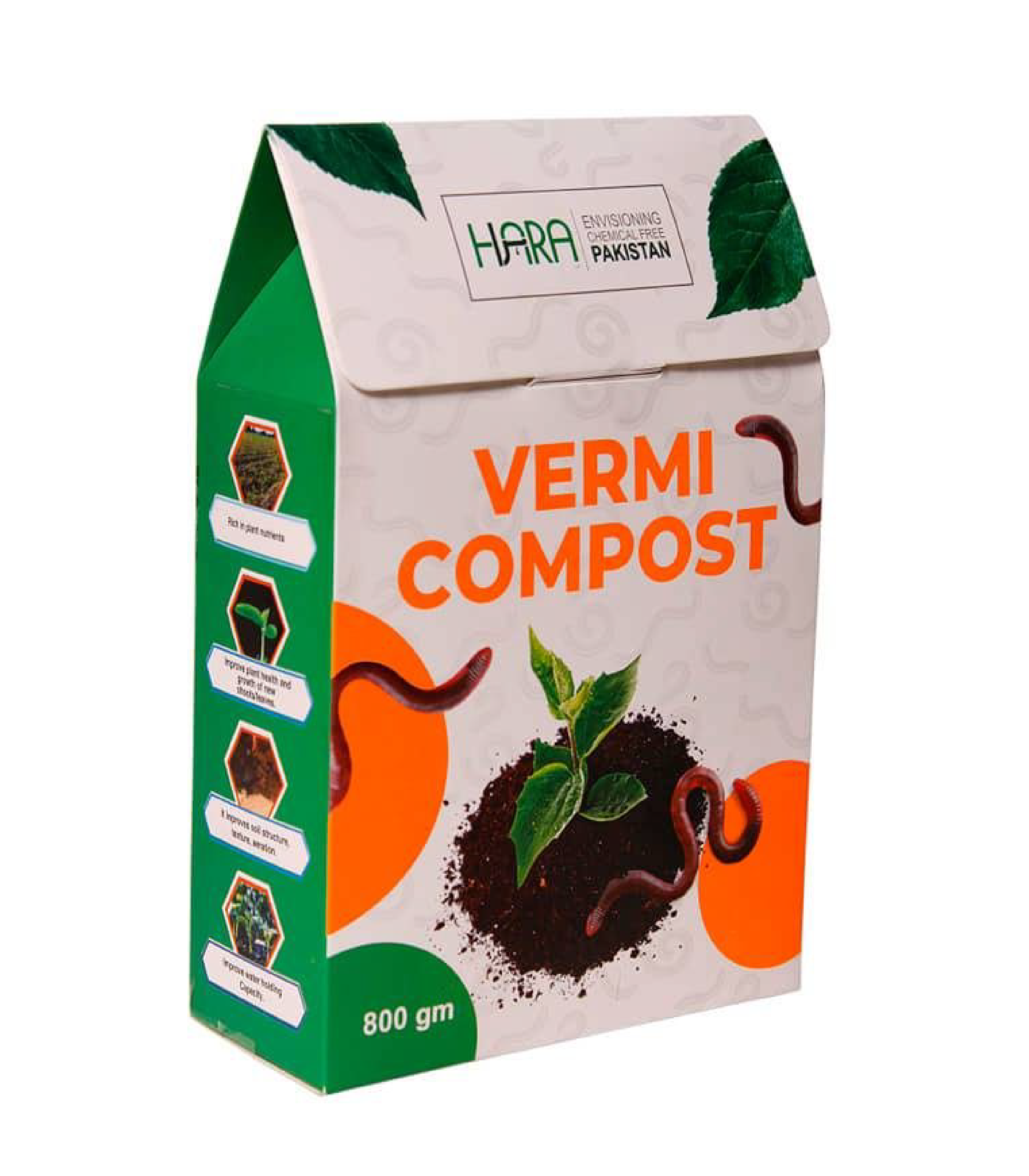
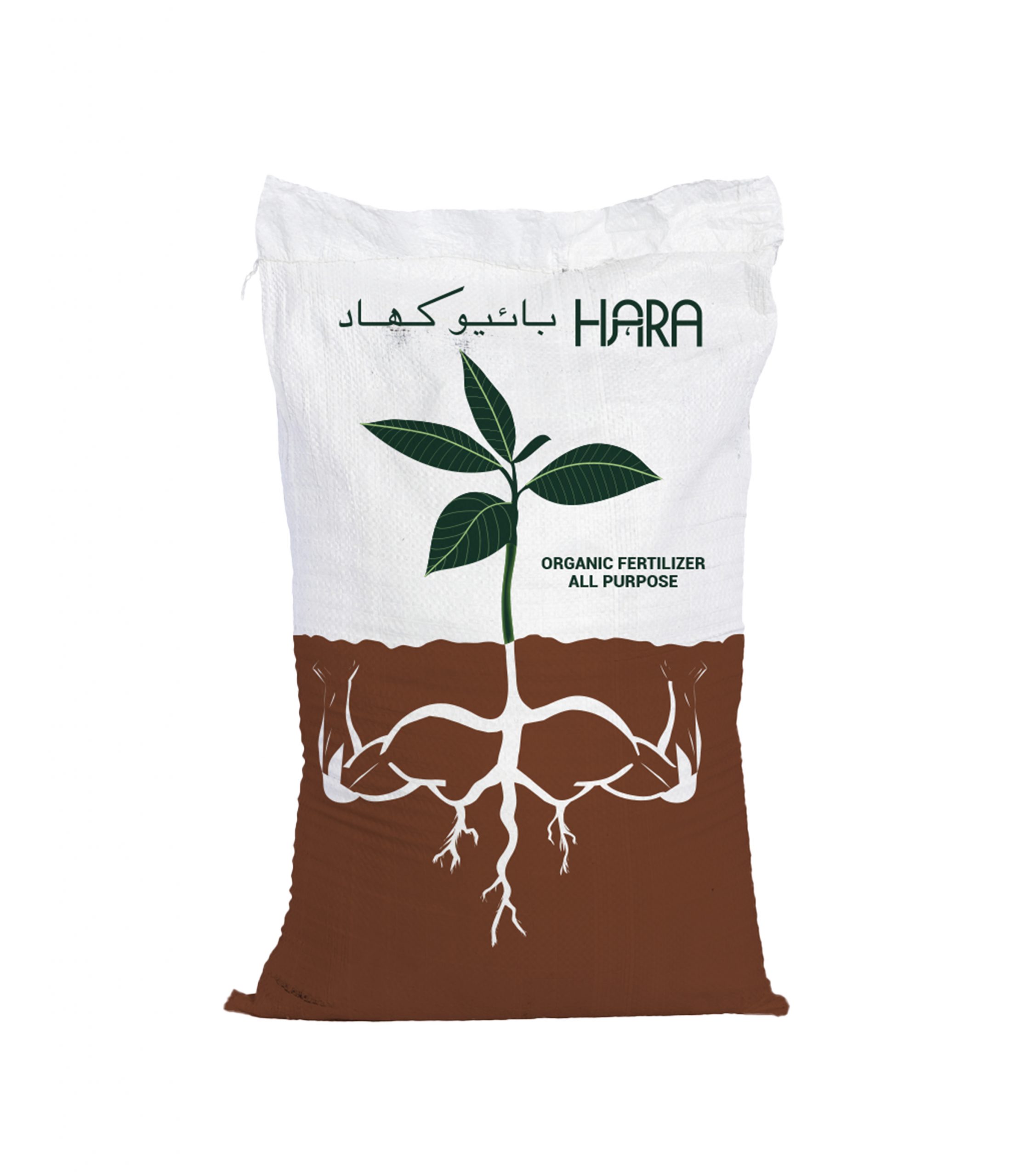
The best organic fertilizers for rice include well-decomposed compost, farmyard manure (FYM), vermicompost, and biofertilizers such as Azospirillum and Phosphate Solubilizing Bacteria (PSB). These inputs improve soil fertility, nitrogen content, and root growth without chemical additives. Apply organic fertilizers before planting and as a top dressing during tillering and panicle initiation to boost organic rice yield naturally.
Organic pest and disease control in rice relies on preventive measures and natural solutions. Use disease-resistant varieties, proper spacing, and crop rotation to prevent infections like blast or sheath blight. Apply neem oil, garlic extract, or Trichoderma-based biofungicides to manage pests and fungi. Encouraging beneficial insects and maintaining clean water channels ensures a healthy, chemical-free rice crop with improved grain quality.
Organic Rice Fertilizer Schedule (Hara Organic – PGS)
| Crop Stage | Time / Crop Age | Hara Organic Input | Application Method | Recommended Dose | Purpose |
|---|---|---|---|---|---|
| Land Preparation | Before nursery / transplanting | Bio Khad | Soil incorporation | 1 bag | Improves phosphorus availability & early root development |
| Vermicompost / FYM | Soil application | 5–10 bags | Adds organic matter & activates soil microbial life | ||
| Nursery Stage | Seedling period | Vermicompost (Chatta Compost) | Nursery soil preparation | 5–10 bags | Strong seedlings & healthy root zone |
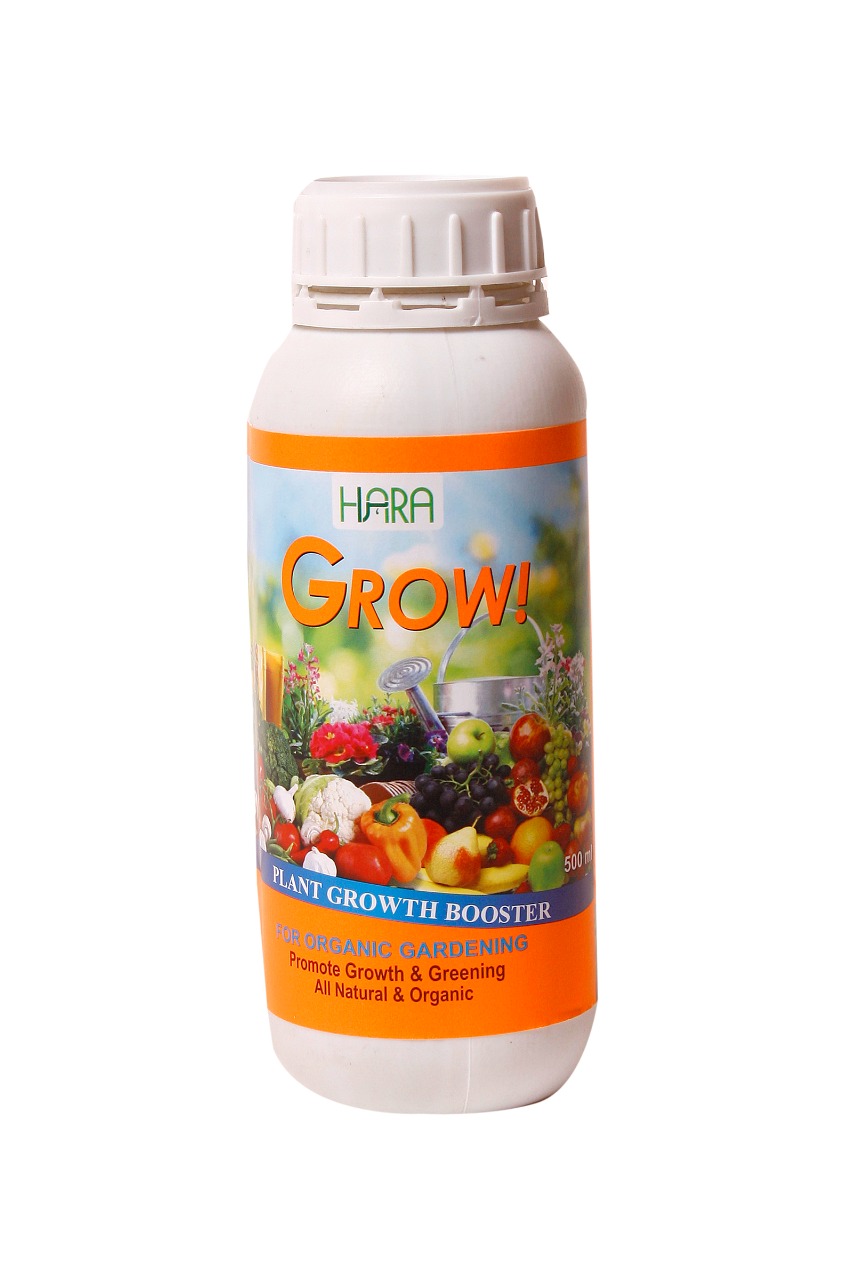
| Grow | Foliar spray on 10–15 day old seedlings | 250 ml | Prevents damping-off & seedling rot | ||
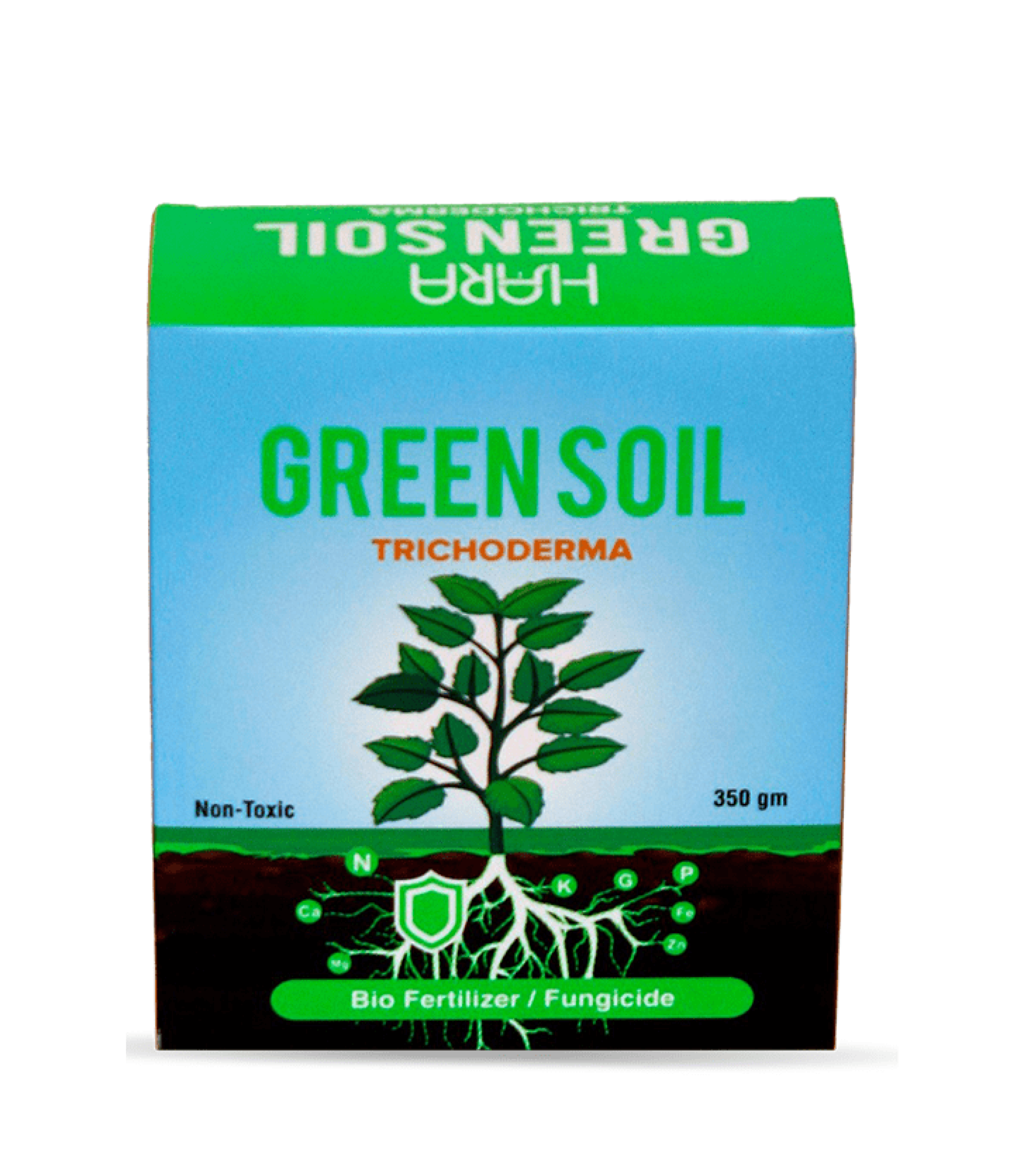
| Transplanting Stage | 15–25 days seedlings | Green Soil (Trichoderma) | Root dip / soil application | As root treatment | Protects roots & reduces transplant shock |
| Agriculture Probiotics | Flood irrigation | 100 liters | Faster establishment & microbial balance | ||
| Tillering Stage | 25–45 DAT | Blue Power | Foliar spray | 500 ml | Increases tillers & vegetative growth |
| Bio Khad | Flood irrigation | 1 bag | Continuous nutrient supply | ||
| Fish Hydrolysate | Flood irrigation | 5 liters | Natural nitrogen & plant vigor | ||
| Grow | Foliar spray | 1 liter | Improves leaf growth & photosynthesis | ||
| Panicle Initiation | 45–60 DAT | Fish Hydrolysate | Flood irrigation | 5 liters | Supports panicle formation |
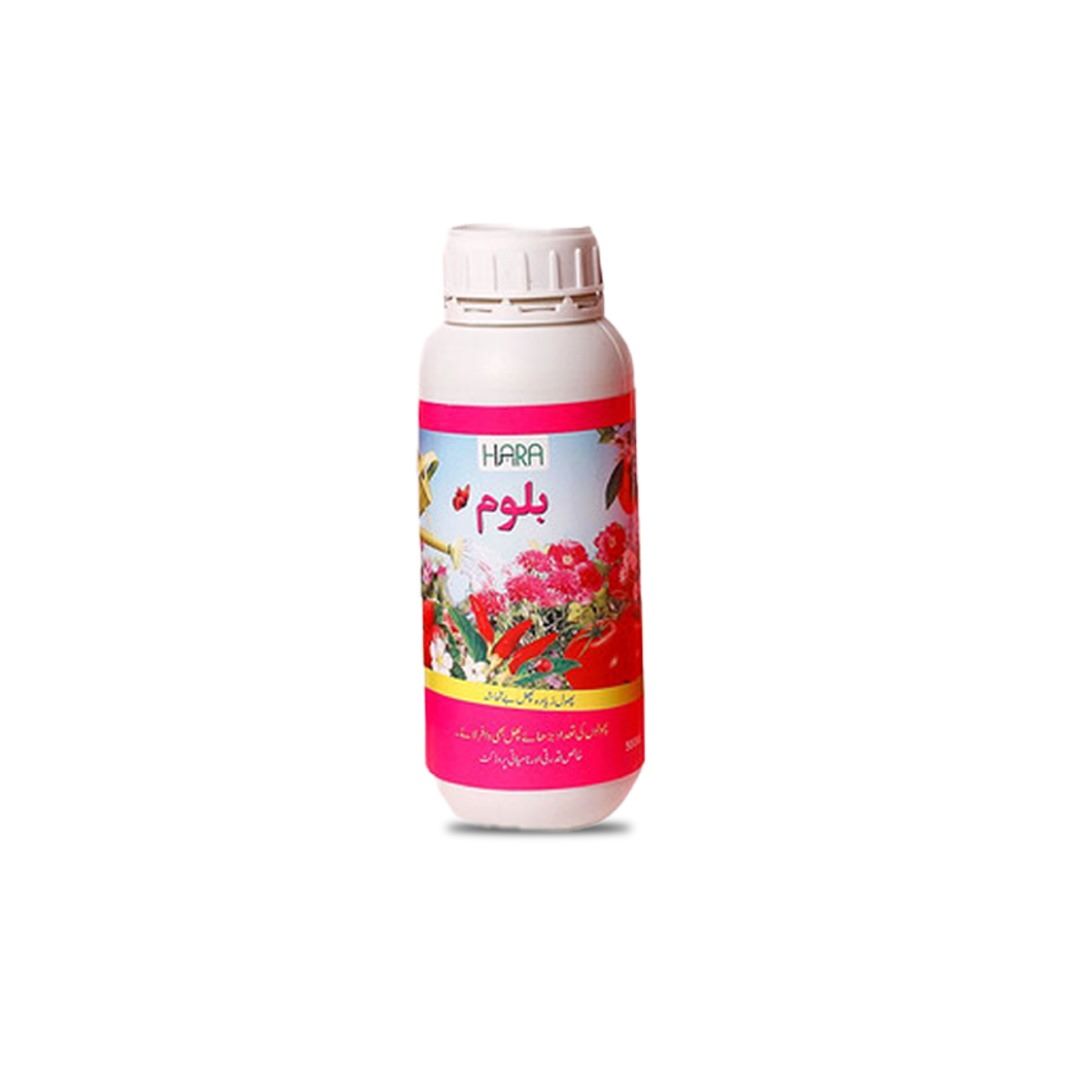
| Grain Filling Stage | 70–90 DAT | Bloom | Foliar spray | 1 liter | Improves grain filling, weight & quality |
Common Rice Pests & Organic Control
Rice crops can be affected by various insect pests throughout the growing season. In conventional farming systems, excessive nitrogen fertilization and repeated pesticide applications often increase pest outbreaks. Organic farming focuses on maintaining balanced plant nutrition, healthy soil biology, and natural ecological balance to reduce pest pressure.
The Hara Organic Farming System (PGS) provides residue-free pest management solutions that protect crop health while preserving beneficial insects and soil microorganisms.
Rice Stem Borer (Scirpophaga spp.)
Damage Symptoms
Rice stem borer larvae enter the stem and feed internally, causing "dead hearts" during vegetative growth and "white heads" during reproductive stages. Severe infestations can result in significant yield losses.
Organic Control
• Apply Neem Oil at the early stage of infestation
• Maintain balanced organic nutrition
• Avoid excessive nitrogen applications
• Prevent prolonged water stagnation
Recommended Input & Dose
Neem Oil: 500 ml per acre (Foliar Spray)
Benefits of Organic Control
• Reduced stem damage
• Improved tiller survival
• Better grain formation
• Residue-free protection
Leaf Folder (Cnaphalocrocis medinalis)
Damage Symptoms
Leaf folder larvae fold rice leaves and feed from inside, reducing photosynthesis and weakening plant growth.
Organic Control
• Preventive Neem Oil applications
• Maintain strong vegetative growth through balanced nutrition
• Monitor fields regularly during active growth stages
Recommended Input & Dose
Neem Oil: 500 ml per acre (Foliar Spray)
Benefits of Organic Control
• Reduced leaf damage
• Improved photosynthesis
• Healthier plant growth
• Better crop vigor
Brown Planthopper (Nilaparvata lugens)
Damage Symptoms
Brown planthoppers suck plant sap, causing yellowing, drying, and a condition known as hopper burn. Heavy infestations can destroy entire field patches.
Organic Control
• Strengthen plant immunity using Agriculture Probiotics
• Apply Neem Oil to suppress pest populations
• Avoid excessive nitrogen fertilization
Recommended Input & Dose
Neem Oil: 500 ml per acre (Spray)
Agriculture Probiotics: 250 ml per acre (Spray or Flood Application)
Benefits of Organic Control
• Improved plant resistance
• Reduced hopper populations
• Healthier root systems
• Better crop recovery
Rice Hispa (Dicladispa armigera)
Damage Symptoms
Adult insects scrape leaf surfaces, creating white streaks, while larvae feed inside leaves, reducing plant vigor and productivity.
Organic Control
• Conduct regular crop scouting
• Apply Neem Oil at the first sign of infestation
• Maintain balanced crop nutrition
Recommended Input & Dose
Neem Oil: 500 ml per acre (Foliar Spray)
Benefits of Organic Control
• Reduced leaf damage
• Improved plant vigor
• Better crop development
• Lower pest pressure
Armyworm (Mythimna separata)
Damage Symptoms
Armyworm larvae feed aggressively on leaves and can cause severe defoliation within a short period.
Organic Control
• Use preventive Neem Oil sprays
• Maintain proper field sanitation
• Encourage natural predators and beneficial insects
Recommended Input & Dose
Neem Oil: 500 ml per acre (Spray)
Benefits of Organic Control
• Reduced defoliation
• Better crop protection
• Enhanced biodiversity
• Sustainable pest management
Preventive Pest Management in Organic Rice Farming
Preventive management is the foundation of successful organic pest control. Healthy rice plants naturally resist pest attacks more effectively than stressed crops.
Recommended Practices
• Monthly preventive Neem Oil spray
• Balanced organic fertilization
• Regular use of Green Soil (Trichoderma) for root health
• Proper water management practices
• Regular crop monitoring and field scouting
Benefits of Preventive Management
• Lower pest infestations
• Improved crop health
• Reduced input costs
• Better yield stability
• Sustainable production
Why Pest Pressure Is Lower in Organic Rice Farming
Organic rice farming promotes balanced plant growth and healthier soil ecosystems. Plants grown under organic management develop stronger cell walls, balanced nutrient uptake, and improved natural defense mechanisms.
Organic fields also support beneficial insects, spiders, and microbial populations that naturally suppress pest populations. This ecological balance reduces the need for chemical interventions and creates a more resilient farming system.
Benefits of Healthy Organic Ecosystems
• Stronger plant immunity
• Reduced pest outbreaks
• Increased beneficial insect populations
• Improved soil health
• Better long-term productivity
Final Recommendation
Successful pest management in the Rice Organic Growth Guide is based on prevention rather than repeated pesticide applications. By focusing on soil health, balanced nutrition, beneficial microorganisms, and regular crop monitoring, farmers can significantly reduce pest pressure while maintaining high-quality rice production.
The Hara Organic Farming System (PGS) provides a sustainable and residue-free solution for rice cultivation, helping farmers produce healthier crops, protect soil fertility, and achieve long-term profitability.
